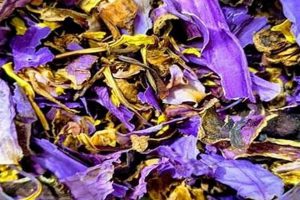
A beverage created by infusing ginger root with hot water, often combined with other herbs or spices, is a common and readily available drink. This preparation extracts the beneficial compounds from the ginger, resulting in a warm, flavorful, and potentially healthful liquid. Common variations might include additions like lemon, honey, or other complementary herbs to modify its taste profile.
The consumption of this ginger-based infusion is valued for its potential wellness properties. Historically, ginger has been utilized across various cultures for its perceived digestive benefits and anti-inflammatory qualities. It is frequently employed as a home remedy to soothe nausea, alleviate minor aches, and support overall well-being. The warming nature of the drink can also provide comfort during colder periods.
Further exploration of the subject will delve into the specific compounds within the ginger root that contribute to these perceived advantages. Detailed analysis of its traditional applications and modern research findings will provide a deeper understanding of its potential role in promoting health. Subsequent discussion will also cover preparation methods, variations, and potential considerations for consumption.
Preparation and Consumption Guidance
The following guidelines aim to optimize the experience and potential benefits derived from ginger infusions.
Tip 1: Select Fresh Ginger Root: Fresh ginger root generally yields a more potent and flavorful beverage compared to pre-ground alternatives. Look for firm, smooth ginger root with unblemished skin.
Tip 2: Proper Preparation Techniques: Slice, grate, or crush the ginger root to increase the surface area exposed to the hot water, facilitating optimal extraction of beneficial compounds.
Tip 3: Optimal Infusion Time: Allow the ginger to steep in hot water for at least 10-15 minutes. Longer steeping times will result in a stronger flavor and higher concentration of active ingredients.
Tip 4: Temperature Considerations: Avoid using boiling water, as it may degrade some of the delicate volatile oils responsible for the characteristic aroma and flavor. Water just below boiling is preferable.
Tip 5: Consider Additives Sparingly: While additives such as honey or lemon can enhance the palatability, excessive amounts may mask the natural benefits and flavor profile of the ginger itself.
Tip 6: Moderation in Consumption: While generally safe, excessive consumption may lead to digestive discomfort in some individuals. Monitor individual tolerance levels.
Tip 7: Consult Healthcare Professionals: Individuals with pre-existing medical conditions or those taking medications should consult with a healthcare professional before regularly consuming ginger infusions, as potential interactions may occur.
Following these recommendations can contribute to a more satisfying and potentially beneficial experience. Focusing on quality ingredients, proper preparation, and mindful consumption will enhance the benefits this beverage offers.
The subsequent sections will provide information on potential applications and contraindications, offering a holistic understanding of ginger-based infusions.
1. Flavor Profile

The flavor profile is a defining characteristic of any beverage, and in the context of ginger-infused herbal teas, it dictates consumer appeal and perceived therapeutic value. It is not a monolithic entity but rather a complex interplay of sensory attributes that collectively shape the drinking experience.
- Ginger’s Intrinsic Pungency
The primary flavor component derives from ginger’s inherent pungency, attributed to compounds like gingerol and shogaol. Fresh ginger imparts a vibrant, spicy heat, while dried ginger tends to exhibit a more concentrated and intense pungency. The intensity of this characteristic can range from subtle warmth to a pronounced, lingering heat sensation, influencing overall consumer acceptance.
- The Role of Complementary Herbs
The addition of other herbs and spices significantly modifies the overall flavor profile. Ingredients like lemon, honey, mint, or chamomile contribute distinct notes that either complement or contrast with the ginger’s pungency. Lemon introduces acidity, honey provides sweetness and viscosity, mint offers a cooling sensation, and chamomile imparts floral and slightly bitter undertones. These additions allow for nuanced customization of the beverage.
- Impact of Preparation Method
The method of preparation profoundly influences the flavor extraction. Steeping time, water temperature, and the form of ginger used (fresh, dried, powdered) directly impact the concentration and balance of flavor compounds. Prolonged steeping times can result in a more intense and potentially bitter flavor. Higher water temperatures may extract more of the volatile oils, enhancing the aromatic components, but may also degrade more delicate flavors.
- Perception and Cultural Influences
Individual perception and cultural background play a critical role in the appreciation of the flavor profile. Pungency, in particular, is subject to considerable individual variability, with some individuals exhibiting greater sensitivity than others. Cultural preferences can dictate the acceptance of specific flavor combinations and the perceived value of ginger-infused herbal teas for specific purposes.
Understanding these facets of the flavor profile allows for the creation of diverse and appealing ginger-based herbal teas, catering to a broad range of consumer preferences. The manipulation of these factors is crucial for optimizing both the palatability and the perceived health benefits of this beverage.
2. Digestive Aid

The purported ability of ginger-infused herbal tea to function as a digestive aid is a primary driver of its consumption. This perceived benefit stems from various physiological effects attributed to compounds present in ginger root, influencing gastrointestinal function and overall digestive comfort.
- Stimulation of Gastric Emptying
Ginger is known to accelerate gastric emptying, the process by which the stomach contents are transferred to the small intestine. This accelerated transit time can reduce feelings of fullness and bloating, thereby alleviating digestive discomfort. Delayed gastric emptying is often implicated in conditions such as gastroparesis, and ginger’s prokinetic effects may provide symptomatic relief in such cases.
- Reduction of Nausea and Vomiting
Ginger possesses well-documented antiemetic properties, making it effective in reducing nausea and vomiting. This action is attributed to the modulation of serotonin receptors in the gastrointestinal tract and the brain. Consumption prior to travel or following chemotherapy treatments has shown efficacy in mitigating nausea symptoms. The ginger in herbal tea offers a palatable delivery method for this antiemetic effect.
- Promotion of Bile Secretion
Bile, produced by the liver and stored in the gallbladder, is essential for the digestion and absorption of fats. Ginger is believed to stimulate bile secretion, facilitating the emulsification of fats and improving their digestion. This effect can be particularly beneficial for individuals experiencing digestive issues related to fat malabsorption.
- Anti-inflammatory Effects in the Gut
Chronic inflammation in the gastrointestinal tract can impair digestive function. Ginger’s anti-inflammatory properties, mediated by compounds such as gingerol, may help to reduce inflammation in the gut lining. This reduction in inflammation can improve nutrient absorption and alleviate symptoms associated with inflammatory bowel conditions.
The combined effects of stimulated gastric emptying, reduced nausea, promoted bile secretion, and anti-inflammatory action contribute to the overall perception of ginger-infused herbal tea as a digestive aid. However, individual responses may vary, and further research is warranted to fully elucidate the mechanisms and efficacy in diverse populations and gastrointestinal conditions.
3. Anti-inflammatory

The anti-inflammatory properties associated with ginger are a significant component of its perceived benefits when consumed as an herbal tea. Ginger root contains several bioactive compounds, notably gingerols, shogaols, and paradols, which have demonstrated anti-inflammatory effects in preclinical and clinical studies. These compounds inhibit the production of pro-inflammatory molecules such as prostaglandins and leukotrienes, thereby reducing inflammation at a cellular level. The act of steeping ginger in hot water to create a tea extracts these compounds, making them readily available for absorption within the digestive system. Real-world examples include individuals consuming ginger tea to alleviate symptoms of osteoarthritis, where the anti-inflammatory action can help to reduce joint pain and swelling. Understanding this connection is practically significant as it informs consumers about the potential therapeutic value of ginger tea beyond its pleasant taste.
Further investigation reveals that the concentration of these anti-inflammatory compounds in ginger tea varies based on factors such as the type of ginger used (fresh versus dried), the steeping time, and the water temperature. Studies suggest that longer steeping times result in higher concentrations of gingerols and shogaols in the tea. Furthermore, the anti-inflammatory effects of ginger are not limited to the musculoskeletal system. Research indicates potential benefits in reducing inflammation in the gastrointestinal tract, which may alleviate symptoms of inflammatory bowel diseases. The convenience and accessibility of ginger tea make it a potentially useful adjunct therapy for individuals seeking to manage chronic inflammatory conditions. However, it’s crucial to note that ginger tea should not be considered a replacement for conventional medical treatments.
In summary, the anti-inflammatory properties of ginger contribute substantially to the overall health benefits attributed to ginger herbal tea. The active compounds in ginger modulate inflammatory pathways, potentially reducing pain, swelling, and discomfort associated with various inflammatory conditions. While ginger tea offers a convenient and palatable way to consume these compounds, challenges remain in standardizing the concentration of active ingredients across different preparations. Linking this to the broader theme, the anti-inflammatory action reinforces ginger tea’s role as a functional beverage with potential therapeutic applications, albeit requiring further research to fully elucidate its efficacy and optimal use.
4. Warming effect

The sensation of warmth associated with consuming ginger-infused herbal tea is a key characteristic that contributes to its appeal and perceived therapeutic benefits. This effect is not merely a subjective experience but rather a physiological response triggered by specific compounds within the ginger root.
- Activation of Thermoreceptors
Ginger contains compounds such as gingerol and shogaol, which activate thermoreceptors, particularly TRPV1 (transient receptor potential vanilloid 1), in the oral cavity and digestive tract. These receptors are sensitive to heat, and their activation triggers a signaling cascade that is perceived as warmth. This mechanism is similar to that of capsaicin in chili peppers, although ginger’s effect is generally milder and more sustained.
- Vasodilation and Increased Blood Flow
Ginger possesses vasodilatory properties, meaning it can widen blood vessels. This vasodilation increases blood flow to the extremities, such as the hands and feet, contributing to a sensation of warmth throughout the body. This effect is particularly noticeable in cold environments and can provide temporary relief from cold extremities.
- Metabolic Stimulation
Ginger can stimulate metabolic activity, leading to a slight increase in body temperature. This is due to its influence on metabolic processes involved in energy expenditure. While the increase in temperature is typically subtle, it contributes to the overall warming sensation and can enhance feelings of vitality and well-being.
- Psychological Association
Beyond the physiological mechanisms, there is a psychological association between warm beverages and comfort. The act of holding and sipping a warm liquid can create a sense of relaxation and security, enhancing the perception of warmth. This association is often culturally reinforced, with warm beverages being commonly consumed during colder seasons or when feeling unwell.
The interplay of these factors thermoreceptor activation, vasodilation, metabolic stimulation, and psychological association contributes to the holistic experience of warmth associated with ginger herbal tea. This warming effect not only enhances the beverage’s sensory appeal but also contributes to its traditional use as a remedy for cold-related symptoms and discomfort. The combination of physiological and psychological effects makes it a preferred choice during colder periods or when seeking a comforting and revitalizing beverage.
5. Preparation Method

The preparation method exerts a significant influence on the final characteristics of ginger-infused herbal tea, impacting both its flavor profile and the extraction of its bioactive compounds. Deviations in preparation can result in substantial variations in the beverage’s potency and overall quality. For instance, using freshly sliced ginger root versus pre-ground ginger powder will yield distinct outcomes; the fresh ginger offers a brighter, more vibrant flavor due to the preservation of volatile oils, while the powdered form may produce a more concentrated, albeit potentially less nuanced, taste. Similarly, varying the water temperature and steeping time directly affects the concentration of active compounds, such as gingerols and shogaols, extracted into the tea. Excessive boiling can degrade these compounds, diminishing the tea’s therapeutic potential. Conversely, insufficient steeping may result in a weak and ineffective infusion.
Practical applications of understanding preparation techniques are numerous. Individuals seeking to utilize ginger tea for its anti-nausea properties, for example, may benefit from a longer steeping time to maximize the extraction of antiemetic compounds. Those sensitive to the intense spicy flavor of ginger could opt for shorter steeping times or combine ginger with complementary herbs like chamomile or honey to balance the flavor profile. Furthermore, consideration of the water’s mineral content can influence the final taste; some minerals may react with ginger compounds, altering the flavor. Selecting the appropriate type of water and adjusting the preparation method accordingly are crucial for achieving the desired outcome. Different cutting styles such as grating and thinly slicing also affect the amount of surface area exposed to the water leading to a different extraction result.
In summary, the preparation method is not merely a procedural step but an integral factor that dictates the quality and characteristics of ginger-infused herbal tea. Attention to details such as the form of ginger used, water temperature, and steeping time allows for customization of the beverage to suit individual preferences and maximize its potential therapeutic benefits. A failure to recognize and control these variables can lead to inconsistent results and undermine the desired outcome. Proper preparation, grounded in an understanding of these principles, is essential for realizing the full potential of this beverage.
6. Root Quality
The quality of the ginger root directly influences the characteristics and potential benefits of ginger-infused herbal tea. Factors encompassing the root’s origin, cultivation methods, freshness, and storage conditions determine its concentration of bioactive compounds, ultimately impacting the flavor profile and therapeutic efficacy of the resulting beverage. Roots sourced from regions known for optimal growing conditions, characterized by fertile soil and favorable climate, tend to exhibit higher levels of gingerols, shogaols, and other beneficial constituents. For example, ginger cultivated in certain regions of Asia, where traditional agricultural practices are maintained, is often regarded as superior in terms of both flavor and potency. This direct link between origin and quality underscores the significance of sourcing practices in producing a superior final product.
Freshness is another crucial determinant of root quality. Freshly harvested ginger root retains a higher moisture content and a more vibrant aroma compared to older roots that may have undergone prolonged storage. Over time, the concentration of volatile oils in ginger decreases, leading to a less flavorful and potentially less potent tea. Proper storage conditions, such as maintaining a cool, dark, and dry environment, can help to prolong the freshness and preserve the beneficial compounds. Consumers can often assess freshness by examining the ginger root’s appearance; firm, smooth skin and a pungent aroma are indicative of higher quality. Furthermore, the presence of blemishes or signs of decay suggests that the root may have deteriorated, compromising its suitability for tea preparation. For example, ginger that has been stored improperly will lose its characteristic aroma and flavor notes.
In summary, the quality of the ginger root is a foundational element in the preparation of effective ginger-infused herbal tea. Origin, cultivation methods, freshness, and storage practices all contribute to the root’s chemical composition and sensory attributes. Recognizing the significance of these factors allows consumers to make informed choices, selecting higher-quality ginger roots that will yield a more flavorful and potentially therapeutic beverage. Challenges remain in consistently sourcing high-quality ginger, particularly given variations in agricultural practices and global supply chains. Root quality reinforces ginger tea’s identity as a functional drink which could be a significant factor in its applications.
Frequently Asked Questions
The following section addresses common inquiries regarding the preparation, consumption, and potential effects of herbal tea utilizing ginger.
Question 1: What is the optimal method for preparing herbal tea using ginger?
The recommended procedure involves steeping sliced, grated, or crushed fresh ginger root in hot, but not boiling, water for 10-20 minutes. The steeping time can be adjusted to achieve the desired strength and flavor intensity.
Question 2: Are there potential side effects associated with consuming herbal tea containing ginger?
While generally considered safe, excessive consumption may lead to mild digestive discomfort, such as heartburn or diarrhea, in some individuals. Those with bleeding disorders or taking blood-thinning medications should consult a healthcare professional before regular consumption.
Question 3: Does the variety of ginger used impact the qualities of the herbal tea?
Yes, different varieties of ginger possess varying levels of gingerol and other bioactive compounds, which can influence the flavor profile and potential therapeutic effects of the resulting tea.
Question 4: Can herbal tea with ginger interact with prescription medications?
Ginger may interact with certain medications, including blood thinners and medications for diabetes and high blood pressure. Consultation with a healthcare provider or pharmacist is advised for individuals taking prescription drugs.
Question 5: What is the recommended daily intake of herbal tea prepared with ginger?
A moderate daily intake of 2-3 cups is generally considered safe for most individuals. However, individual tolerance levels may vary, and excessive consumption should be avoided.
Question 6: Is herbal tea containing ginger suitable for pregnant or breastfeeding women?
While ginger is often used to alleviate morning sickness, pregnant or breastfeeding women should consult with their healthcare provider before consuming ginger tea regularly to determine its suitability based on their individual health status.
In summary, the preparation and consumption of ginger-infused herbal tea require attention to factors such as preparation techniques, potential side effects, and individual health considerations. Adhering to recommended guidelines and seeking professional advice when necessary can ensure a safe and beneficial experience.
The subsequent section will explore advanced topics related to the cultivation and commercial production of ginger.
Herbal Tea Ginger
This exploration of herbal tea ginger has traversed its multifaceted nature, examining flavor profiles, digestive benefits, anti-inflammatory properties, and warming effects. Preparation methods and the crucial role of root quality have been detailed, emphasizing the interplay of these elements in defining the beverage’s characteristics. The common queries addressed further clarified considerations for safe and effective consumption.
Ultimately, herbal tea ginger represents more than a simple beverage; it is a confluence of tradition, perceived health benefits, and sensory experience. Further research into optimal cultivation practices, compound extraction techniques, and specific health applications is warranted to fully realize its potential. Continued diligence in understanding both the benefits and potential risks will ensure responsible utilization of this natural resource.