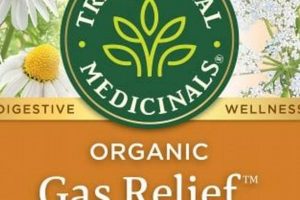
Botanical supplements marketed as cessation support aim to mitigate nicotine withdrawal symptoms and reduce cravings associated with tobacco dependence. These products often contain ingredients believed to interact with neurotransmitter systems or mimic the sensory experience of smoking, potentially easing the transition away from nicotine. Examples include preparations containing lobelia, believed to affect nicotine receptors, and formulations designed to replicate the hand-to-mouth action of smoking.
The appeal of incorporating plant-derived compounds into a smoking cessation strategy stems from several factors. Some individuals perceive them as natural alternatives to pharmaceutical interventions. Historically, various cultures have employed plants for medicinal purposes, including managing addiction. The purported benefits include reduced side effects compared to prescription medications and increased accessibility, although regulatory oversight and standardized dosage information can be inconsistent.
A comprehensive understanding necessitates examining the scientific evidence supporting the efficacy of various botanical options, analyzing potential risks and side effects, and discussing responsible usage guidelines. Furthermore, the role of these supplementary options within a holistic cessation plan that includes behavioral therapy and nicotine replacement therapy requires careful consideration.
Guidance on Incorporating Botanical Supplements into Smoking Cessation
The integration of plant-derived substances into a cessation strategy requires a diligent and informed approach. These recommendations serve as a guide when considering the potential role of these supplements within a comprehensive plan to discontinue tobacco use.
Tip 1: Prioritize Consulting a Qualified Healthcare Professional: Before initiating any regimen involving botanical supplements, consultation with a physician or qualified healthcare provider is paramount. This step ensures the safety and suitability of the chosen supplements, considering individual health conditions, potential drug interactions, and other relevant medical factors.
Tip 2: Scrutinize Product Labeling and Ingredients: Rigorously examine product labels to ascertain the precise list of ingredients, their quantities, and any potential allergens. Verify that the product has undergone third-party testing for purity and potency to mitigate the risk of adulteration or misrepresentation.
Tip 3: Adhere to Recommended Dosages: Strictly adhere to the dosage instructions provided on the product label or as advised by a healthcare professional. Avoid exceeding the recommended dose, as doing so may increase the risk of adverse effects without necessarily enhancing the benefits.
Tip 4: Recognize Potential Side Effects and Interactions: Be cognizant of the possible side effects associated with each supplement and monitor for any adverse reactions. Be particularly cautious of potential interactions with other medications or supplements currently being taken.
Tip 5: Temper Expectations Regarding Efficacy: Acknowledge that botanical supplements are not a guaranteed solution for smoking cessation. Their effectiveness may vary considerably among individuals, and they are best utilized as part of a comprehensive strategy that includes behavioral therapy and/or nicotine replacement therapy.
Tip 6: Maintain a Detailed Record: Keep a meticulous record of the specific supplements being used, the dosages taken, and any experienced effects (positive or negative). This information will be valuable when discussing the treatment plan with a healthcare provider.
Tip 7: Choose Reputable Sources: Obtain botanical supplements from reputable manufacturers or retailers with a commitment to quality control and transparent sourcing practices. Avoid purchasing products from unverified sources or those that make unsubstantiated claims.
These guidelines emphasize the importance of careful consideration, professional guidance, and realistic expectations when exploring botanical supplements for smoking cessation. Successful cessation often necessitates a multi-faceted approach tailored to individual needs and circumstances.
The forthcoming sections will delve into specific types of botanical supplements commonly associated with smoking cessation and their respective scientific backing.
1. Botanical Composition

The efficacy and safety of supplemental botanical interventions for smoking cessation are fundamentally linked to their botanical composition. The specific plant species used, the parts of the plant included (e.g., root, leaf, seed), and the active chemical compounds present all contribute to the product’s potential effects, both positive and negative. Variations in these components can lead to substantial differences in outcomes, making a thorough understanding of the composition imperative.
For instance, Lobelia inflata, commonly known as Indian tobacco, is included in some cessation products due to its lobeline content, an alkaloid suggested to interact with nicotine receptors. However, the concentration of lobeline varies greatly between different Lobelia preparations. Insufficient concentrations may render the product ineffective, while excessive amounts can induce adverse effects such as nausea, vomiting, and, in severe cases, respiratory paralysis. Similarly, products containing chamomile might offer calming effects to address anxiety during withdrawal, but this benefit depends on the presence and concentration of specific calming compounds within the chamomile extract.
The absence of standardized extraction processes and quality control measures further complicates the matter. Different extraction methods can yield different ratios of active compounds, impacting the product’s potency and safety profile. Therefore, consumers and healthcare providers must scrutinize the listed ingredients and ideally seek products from reputable manufacturers who provide detailed information regarding the plant source, extraction method, and active compound concentrations. Ultimately, the botanical composition serves as the cornerstone for understanding the potential benefits and risks associated with any plant-based cessation aid.
2. Reported Effectiveness

The reported effectiveness of botanical supplements used in smoking cessation represents a spectrum ranging from anecdotal accounts to outcomes documented in controlled clinical trials. The perceived benefit often influences an individual’s decision to incorporate these aids into their cessation efforts. Subjective experiences reported by users, while potentially informative, lack the rigor required to establish conclusive evidence of efficacy. For example, a user might report reduced cravings after consuming a particular herbal tea, but this observation lacks a control group and cannot rule out the placebo effect or other confounding variables.
Clinical trials offer a more systematic evaluation, comparing the outcomes of individuals using the botanical supplement to those receiving a placebo or standard treatment. However, the quality and quantity of research examining botanical smoking cessation aids vary significantly. Some studies may suffer from small sample sizes, methodological limitations, or a lack of blinding, potentially biasing the results. For instance, a study investigating the effects of St. John’s Wort on smoking cessation might show a slight increase in quit rates compared to placebo, but the findings may not be statistically significant or generalizable to the broader population due to study limitations. It’s also very important to consider only human studies not experiments on animals.
Ultimately, the reported effectiveness of botanical smoking cessation aids should be interpreted with caution. While some individuals may experience benefits, the scientific evidence supporting their efficacy remains limited and inconsistent. Healthcare professionals should emphasize the importance of evidence-based treatments, such as nicotine replacement therapy and behavioral counseling, while acknowledging the potential role of botanical supplements as part of a comprehensive and individualized cessation plan, provided safety concerns are addressed and realistic expectations are maintained.
3. Potential Risks

Botanical supplements promoted for smoking cessation, while often perceived as natural and benign, present a spectrum of potential risks that require careful consideration. These risks stem from various sources, including inherent pharmacological properties of the plants, manufacturing inconsistencies, and the potential for interactions with conventional medications. Adverse effects can range from mild gastrointestinal distress to more severe complications, such as allergic reactions or cardiovascular events. For instance, the use of Lobelia, containing lobeline, has been associated with nausea, vomiting, and in rare cases, respiratory depression. The absence of stringent regulatory oversight in many jurisdictions compounds these risks, as product quality and consistency can vary significantly across different brands and formulations. This variability makes it difficult to accurately assess the safety profile of a particular botanical product. Furthermore, individuals with pre-existing medical conditions or those taking prescription medications are at increased risk of experiencing adverse interactions. Therefore, a thorough evaluation of potential risks is an essential component of any decision to incorporate herbal aids into a smoking cessation plan.
The impact of potential risks is further magnified by the lack of standardization in dosage recommendations. Unlike conventional medications, botanical supplements often lack clear and evidence-based guidelines regarding optimal dosage. This deficiency can lead to either under-dosing, resulting in therapeutic ineffectiveness, or over-dosing, increasing the likelihood of adverse effects. Moreover, the self-treating nature of botanical supplement usage can delay or prevent individuals from seeking timely medical attention for withdrawal symptoms or underlying health issues exacerbated by smoking cessation. For example, someone experiencing anxiety during nicotine withdrawal might rely solely on chamomile tea without addressing the potential for more severe anxiety disorders requiring professional intervention. This reliance can delay appropriate treatment and potentially worsen the underlying condition. Practical considerations also involve accurate identification of the botanical ingredients and their known contraindications. Individuals with allergies to plants in the Asteraceae family, such as ragweed, may experience allergic reactions to supplements containing chamomile or echinacea.
In summary, the potential risks associated with botanical aids for smoking cessation encompass pharmacological effects, manufacturing variability, medication interactions, and the absence of standardized dosage guidelines. A comprehensive understanding of these risks is crucial for informed decision-making and responsible usage. Healthcare professionals should emphasize the importance of individualized risk assessments, thorough product evaluations, and the integration of botanical supplements within a holistic cessation plan that includes evidence-based therapies and medical supervision. Failing to adequately address these potential risks can undermine the effectiveness of the cessation attempt and potentially compromise the individual’s health and well-being.
4. Regulation Landscape

The regulatory landscape surrounding botanical supplements marketed for smoking cessation is characterized by variability and, in many jurisdictions, a notable lack of stringent oversight. This deficiency has significant implications for the quality, safety, and efficacy of these products. Unlike pharmaceutical interventions, which undergo rigorous clinical trials and regulatory review processes prior to market approval, botanical supplements often operate within a less regulated framework. This absence of standardized requirements can lead to inconsistencies in manufacturing processes, ingredient sourcing, and labeling accuracy. Consequently, consumers may encounter products that contain undisclosed ingredients, inconsistent dosages of active compounds, or contaminants that pose potential health risks. The variability undermines the ability to reliably assess the benefits and risks associated with these aids.
The impact of a weakly regulated environment is evident in numerous real-world examples. Independent analyses of botanical supplements have revealed instances of adulteration, where products contain ingredients not listed on the label or fail to meet advertised potency levels. Some products have even been found to contain prescription medications or banned substances, posing a significant risk to consumers. Moreover, unsubstantiated health claims are frequently made in the marketing of botanical smoking cessation aids, preying on vulnerable individuals seeking a natural and easy way to quit smoking. The lack of regulatory enforcement allows these deceptive practices to persist, eroding consumer trust and potentially discouraging individuals from seeking evidence-based treatments. The practical significance of this understanding lies in the need for consumers and healthcare professionals to exercise caution and critical evaluation when considering botanical supplements for smoking cessation, prioritizing products from reputable manufacturers who adhere to quality control standards and provide transparent labeling information.
In summary, the lenient regulatory landscape governing botanical aids for smoking cessation creates a situation where product quality, safety, and efficacy are often compromised. This environment necessitates a cautious approach, emphasizing the importance of informed decision-making, scrutiny of product claims, and prioritization of evidence-based cessation methods. Addressing the challenges within the regulatory framework is essential to protect consumers and ensure that any role botanical supplements play in smoking cessation is based on sound scientific evidence and responsible manufacturing practices.
5. Dosage Guidance

Effective dosage guidance is a cornerstone of safe and potentially beneficial utilization of botanical supplements within a smoking cessation strategy. The potency of plant-derived compounds can vary significantly depending on factors such as plant species, growing conditions, extraction methods, and manufacturing processes. Inconsistent or absent dosage information can lead to ineffective treatment, adverse effects, or even toxicity. The absence of standardized dosage protocols necessitates a cautious and informed approach. For example, if an individual uses a chamomile extract for anxiety associated with nicotine withdrawal but consumes an insufficient dose, the intended calming effect may not materialize, leading to frustration and potentially undermining the cessation attempt. Conversely, excessive consumption of certain herbs, such as St. John’s Wort, can result in adverse interactions with prescription medications, further complicating the cessation process and potentially endangering health. Therefore, the availability of clear, evidence-based dosage recommendations is crucial for mitigating risks and maximizing the potential benefits of botanical smoking cessation aids.
Reliable dosage guidance should ideally be based on clinical trials demonstrating efficacy and safety for specific botanical preparations. However, due to the limited research in this area, healthcare professionals and consumers often rely on traditional use practices, expert opinions, and anecdotal evidence. This reliance necessitates a cautious interpretation of available information and a careful consideration of individual factors, such as age, weight, health conditions, and concurrent medication use. In situations where standardized dosage information is lacking, a conservative approach is recommended, starting with low doses and gradually increasing the amount until the desired effect is achieved, while closely monitoring for any adverse reactions. Practical considerations involve consulting with qualified herbalists or healthcare providers who possess expertise in botanical medicine to obtain personalized dosage recommendations and address any concerns regarding potential interactions or contraindications.
In conclusion, dosage guidance represents a critical aspect of the safe and effective use of botanical supplements for smoking cessation. The absence of standardized protocols necessitates a cautious and informed approach, emphasizing the importance of consulting with healthcare professionals, scrutinizing product labeling, and carefully monitoring for adverse effects. While botanical aids may offer some benefit as part of a comprehensive cessation plan, their potential risks and limitations must be fully understood and addressed through responsible usage practices guided by reliable dosage information.
6. Integration Strategy

The effective use of botanical supplements within smoking cessation hinges upon a well-defined integration strategy. These aids are rarely, if ever, a standalone solution. A comprehensive plan that incorporates behavioral therapy, nicotine replacement therapy (NRT) when appropriate, and ongoing support offers the highest probability of long-term success. The absence of a strategic integration framework often leads to suboptimal outcomes, as individuals may rely solely on herbal remedies without addressing the underlying psychological and physiological dependencies associated with nicotine addiction. For instance, an individual might consume valerian root to alleviate anxiety but fail to engage in cognitive behavioral therapy to address the triggers that lead to cravings, thus limiting the overall effectiveness of the cessation effort. A strategic integration emphasizes the synergistic effects of combining various approaches.
Practical applications of an integration strategy include phased implementation. Initially, behavioral therapy can equip the individual with coping mechanisms and strategies for managing cravings. Simultaneously, a healthcare professional can assess the suitability of NRT or other pharmaceutical interventions. Botanical supplements, chosen in consultation with a qualified herbalist or physician, might be introduced to address specific withdrawal symptoms, such as insomnia or anxiety, which persist despite the use of other methods. This approach allows for a personalized and adaptive cessation plan, adjusting the components based on individual needs and progress. Furthermore, continuous monitoring and support are crucial for identifying potential challenges and adjusting the integration strategy accordingly. A real-world example involves an individual using nicotine patches and attending support group meetings. They might incorporate passionflower tea to manage insomnia, a common side effect of nicotine withdrawal, under the guidance of a healthcare provider, while continuing their primary cessation plan.
In conclusion, the integration strategy serves as the linchpin for successful utilization of botanical supplements in smoking cessation. These aids are best viewed as adjunctive therapies within a multi-faceted approach, complementing evidence-based treatments and addressing individual needs. The key challenge lies in developing personalized plans that combine botanical remedies with behavioral therapy, pharmacological interventions, and ongoing support. By prioritizing a strategic integration framework, individuals can maximize their chances of achieving long-term smoking cessation and improving their overall health and well-being.This is achieved through evidence-based treatments.
Frequently Asked Questions
The following addresses common inquiries regarding the use of plant-derived supplements as supportive measures for smoking cessation. The information provided aims to clarify key aspects, risks, and considerations.
Question 1: Are “herbal aids to quit smoking” a guaranteed solution for smoking cessation?
No. Botanical supplements are not a guaranteed solution for smoking cessation. Efficacy varies among individuals, and reliance solely on these aids without integrating evidence-based strategies, such as behavioral therapy and/or nicotine replacement therapy, is unlikely to produce lasting results.
Question 2: What potential side effects are associated with “herbal aids to quit smoking”?
Potential side effects vary depending on the specific botanical supplement used. Some common side effects include gastrointestinal distress, allergic reactions, and interactions with prescription medications. Consulting a healthcare professional is crucial to assess individual risk and potential interactions.
Question 3: Are “herbal aids to quit smoking” regulated for quality and safety?
The regulatory oversight of botanical supplements is often less stringent compared to pharmaceuticals. This can result in variability in product quality, inconsistent dosages, and potential contamination. Choosing reputable brands with third-party testing and transparent sourcing practices is advised.
Question 4: Can “herbal aids to quit smoking” interact with prescription medications?
Yes, certain botanical supplements can interact with prescription medications, potentially altering their effectiveness or increasing the risk of adverse effects. Disclosing all medications and supplements to a healthcare provider is essential to identify and mitigate potential interactions.
Question 5: What is the recommended dosage for “herbal aids to quit smoking”?
Due to the lack of standardized dosage guidelines, it is recommended to consult with a qualified herbalist or healthcare provider to determine an appropriate dosage based on individual factors, such as age, weight, health conditions, and concurrent medication use. Starting with a low dose and gradually increasing while monitoring for adverse effects is a conservative approach.
Question 6: How should “herbal aids to quit smoking” be integrated into a comprehensive cessation plan?
Botanical supplements are best integrated as adjunctive therapies within a multi-faceted cessation plan that includes behavioral therapy, nicotine replacement therapy (when appropriate), and ongoing support. A healthcare professional can help develop a personalized plan that addresses individual needs and maximizes the chances of long-term success.
In summary, while botanical supplements may offer some support in managing nicotine withdrawal symptoms, they are not a substitute for evidence-based cessation methods. Responsible usage requires careful consideration of potential risks, interactions, and the importance of integrating these aids within a comprehensive cessation plan under the guidance of a healthcare professional.
The following section will discuss alternative and complementary therapies that could enhance the smoking cessation journey.
Conclusion
The investigation into botanical aids for smoking cessation reveals a complex landscape. While these supplements may offer some support in alleviating withdrawal symptoms, they are not a panacea. Evidence supporting their efficacy remains limited and inconsistent, and potential risks, including adverse effects and interactions with medications, warrant careful consideration. Regulatory oversight is often lacking, further complicating the evaluation of product quality and safety.
Ultimately, successful smoking cessation typically necessitates a multi-faceted approach that includes behavioral therapy, nicotine replacement therapy, and ongoing support. Botanical supplements may play a role as adjunctive therapies within a comprehensive plan, but responsible usage demands informed decision-making, professional guidance, and a commitment to evidence-based strategies. Prioritizing proven cessation methods and maintaining realistic expectations remain paramount in the pursuit of a smoke-free life.

![Natural Herbal Paste: Benefits & Uses [Guide] | The Ultimate Herbal Remedies Guide: Natural Healing for a Healthier Life](https://umangherbals.com/wp-content/uploads/2026/04/th-406-300x200.jpg "Natural Herbal Paste: Benefits & Uses [Guide] The Ultimate Herbal Remedies Guide: Natural Healing for a Healthier Life")
![The Herbal Grimoire: Lore & Uses [Herbalism Guide] | The Ultimate Herbal Remedies Guide: Natural Healing for a Healthier Life](https://umangherbals.com/wp-content/uploads/2026/04/th-401-300x200.jpg "The Herbal Grimoire: Lore & Uses [Herbalism Guide] The Ultimate Herbal Remedies Guide: Natural Healing for a Healthier Life")