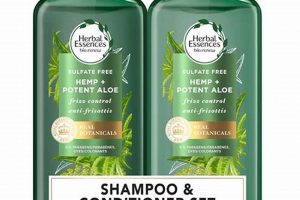
Products incorporating botanical extracts and natural ingredients to cleanse hair are prevalent in the personal care market. These formulations often aim to provide a gentler alternative to traditional cleansers that contain synthetic chemicals. For example, a product might feature aloe vera or chamomile for their soothing properties, targeting individuals with sensitive scalps.
The appeal of such products lies in their perceived health benefits and environmental friendliness. Historically, botanical ingredients have been utilized in hair care for centuries across various cultures. The contemporary demand reflects a broader trend toward natural and sustainable living, with consumers seeking formulations free from harsh sulfates, parabens, and artificial fragrances. Benefits can include reduced scalp irritation, enhanced shine, and improved manageability, though results vary based on individual hair type and product composition.
The subsequent discussion will delve into the formulation considerations, potential advantages, and market trends associated with these plant-derived hair cleansing solutions. The diverse range of botanical ingredients and their respective roles in promoting hair and scalp health will also be examined.
Guidelines for Optimal Utilization
The following recommendations are provided to maximize the efficacy and benefits associated with plant-derived hair cleansing agents.
Tip 1: Conduct a Patch Test. Prior to widespread application, perform a patch test on a small area of skin to assess for potential allergic reactions or sensitivities to the botanical ingredients.
Tip 2: Dilute Concentrated Formulas. Some highly concentrated botanical cleansers may require dilution with water before application to prevent excessive drying or irritation.
Tip 3: Focus on Scalp Massage. During application, concentrate on gently massaging the scalp to stimulate blood flow and promote even distribution of the product.
Tip 4: Allow Adequate Contact Time. Permit the product to remain on the hair and scalp for the recommended duration, as specified on the product label, to facilitate optimal cleansing and conditioning.
Tip 5: Rinse Thoroughly. Ensure complete removal of the product from the hair and scalp to prevent residue buildup, which can lead to dullness or scalp irritation.
Tip 6: Adjust Frequency Based on Hair Type. The frequency of use should be tailored to individual hair type and scalp condition. Individuals with oily hair may require more frequent cleansing, while those with dry hair may benefit from less frequent use.
Tip 7: Consider Complementary Products. For enhanced results, consider incorporating complementary products from the same botanical range, such as conditioners and hair masks, to address specific hair care needs.
Adherence to these guidelines can contribute to improved hair and scalp health, promoting a more vibrant and manageable appearance.
The subsequent section will explore the potential limitations and considerations associated with these products.
1. Botanical Origin

The botanical origin of ingredients significantly impacts the efficacy and properties of hair cleansing formulations. The specific plant species, geographic location of cultivation, and extraction methods employed all contribute to the final product’s characteristics.
- Phytochemical Composition
The diverse array of phytochemicals present in different plant species dictates the specific benefits a product can offer. For instance, Aloe barbadensis contains polysaccharides known for their moisturizing and anti-inflammatory properties, making it suitable for soothing irritated scalps. Conversely, Melaleuca alternifolia (tea tree) possesses terpinen-4-ol, a compound with antimicrobial activity, which can be effective against dandruff-causing microorganisms.
- Sustainable Sourcing
Ethical considerations extend to the sourcing of botanical ingredients. Sustainable harvesting practices are crucial to ensure the long-term availability of plant resources and to minimize environmental impact. For example, the overharvesting of certain medicinal plants can lead to habitat destruction and endangerment of species. Responsible manufacturers prioritize suppliers who adhere to fair trade principles and employ environmentally sound cultivation methods.
- Extraction Method Impact
The method used to extract botanical compounds from plant material influences the purity and concentration of active constituents in the final product. Cold-pressing, steam distillation, and solvent extraction are common techniques, each yielding different results. Solvent extraction, while potentially efficient, may leave residual solvents in the extract, raising concerns about potential toxicity. Conversely, cold-pressing retains a greater proportion of heat-sensitive compounds, but may result in lower yields.
- Geographic Variance
The geographic origin of a plant can affect its chemical profile due to variations in soil composition, climate, and environmental stressors. For example, ginseng ( Panax ginseng) cultivated in Korea may exhibit different levels of ginsenosides compared to ginseng grown in North America. These variations can influence the plant’s medicinal properties and, consequently, the effectiveness of the final product.
Therefore, a comprehensive understanding of the botanical origin of ingredients is essential for assessing the quality and potential benefits of plant-derived hair cleansing solutions. Transparency regarding sourcing practices and extraction methods is crucial for building consumer trust and ensuring the responsible production of such formulations.
2. Scalp Benefits
The primary justification for employing botanical ingredients in hair cleansing formulations stems from the potential for enhanced scalp health. The scalp, a complex ecosystem of skin, hair follicles, and microorganisms, is susceptible to various conditions, including inflammation, dryness, and excessive sebum production. Botanical extracts, selected for their specific therapeutic properties, aim to address these conditions, fostering a healthier environment for hair growth. For instance, formulations containing Lavandula angustifolia (lavender) are often marketed for their anti-inflammatory properties, which can alleviate scalp irritation. Similarly, products incorporating Rosmarinus officinalis (rosemary) may stimulate circulation, potentially promoting hair follicle activity. The causal relationship between specific botanical ingredients and observed scalp benefits necessitates rigorous scientific evaluation to validate claims and ensure product efficacy.
The importance of scalp benefits as a component of plant-derived hair cleansing agents is underscored by the increasing consumer demand for holistic hair care solutions. Consumers are increasingly aware of the link between scalp health and overall hair quality, seeking products that address underlying scalp issues rather than simply masking symptoms. Real-life examples include individuals with seborrheic dermatitis finding relief from itching and flaking through the use of botanical-based cleansers containing ingredients such as Salix alba (willow bark), a natural source of salicylic acid. Furthermore, the practical significance of understanding the specific scalp benefits associated with different botanical ingredients allows consumers to make informed purchasing decisions, selecting products tailored to their individual needs and scalp conditions. The absence of harsh synthetic chemicals in many of these cleansers further minimizes the risk of irritation and allergic reactions, contributing to improved scalp health.
In summary, the connection between scalp benefits and plant-derived hair cleansing agents is multifaceted, encompassing both the therapeutic properties of botanical ingredients and the consumer demand for holistic hair care solutions. While anecdotal evidence and traditional uses of medicinal plants abound, rigorous scientific investigation is crucial to substantiate claims and ensure product safety and efficacy. The judicious selection of botanical ingredients, coupled with a thorough understanding of their potential scalp benefits, can contribute to the development of effective and well-tolerated hair cleansing formulations. Challenges remain in standardizing extraction methods and ensuring the consistent quality of botanical extracts, necessitating ongoing research and quality control measures.
3. Ingredient Purity
The efficacy and safety of plant-derived hair cleansing solutions are inextricably linked to the purity of their constituent ingredients. In the context of products marketed as “herbal care,” the presence of contaminants or adulterants can negate the intended benefits, potentially causing adverse reactions. Specifically, the source and processing of botanical extracts directly influence their purity profile. Impurities may arise from pesticide residues, heavy metals accumulated from contaminated soil, or microbial contamination during manufacturing. Such contaminants can compromise the therapeutic properties of the herbal components, leading to scalp irritation, allergic responses, or even systemic toxicity with prolonged exposure. The stringent monitoring and quality control measures applied during sourcing and production are therefore paramount.
The importance of ingredient purity is further underscored by regulatory frameworks governing cosmetic products. Authorities worldwide impose limits on the permissible levels of certain contaminants in personal care formulations. Non-compliance can result in product recalls and legal repercussions. Real-life examples include instances where “herbal” products were found to contain undeclared synthetic chemicals, falsely marketed as natural ingredients. This deception not only undermines consumer trust but also poses a risk to public health. Furthermore, the practical significance of understanding ingredient purity extends to enabling informed consumer choices. Individuals seeking natural alternatives should be equipped with the knowledge to scrutinize product labels, seek certifications from reputable organizations, and understand the implications of different manufacturing processes on ingredient quality. The absence of transparency regarding sourcing and quality control raises red flags, warranting caution.
In summary, ingredient purity is a critical determinant of the quality and safety of plant-derived hair cleansing formulations. Ensuring the absence of contaminants and adulterants is essential for realizing the intended therapeutic benefits and minimizing potential adverse effects. Stringent quality control measures, regulatory oversight, and informed consumer awareness collectively contribute to safeguarding public health and maintaining the integrity of the “herbal care” market. Challenges remain in establishing standardized testing methods and promoting transparency throughout the supply chain, necessitating ongoing efforts to enhance ingredient purity and ensure consumer confidence. This contributes to the credibility of products utilizing plant extracts.
4. Hair Types

The effectiveness of plant-derived hair cleansing solutions is significantly influenced by the user’s hair type. The varying characteristics of different hair types necessitate tailored formulations to achieve optimal results and avoid potential adverse effects. Selecting a product designed for a specific hair type is crucial for realizing the intended benefits.
- Fine Hair
Fine hair, characterized by its small diameter, is prone to becoming weighed down by heavy formulations. Plant-based cleansers designed for fine hair typically feature lightweight oils and extracts that cleanse without leaving residue. For instance, formulations containing green tea extract or citrus oils are often employed to provide gentle cleansing and volume enhancement. Conversely, products rich in heavier oils, such as shea butter or coconut oil, may result in a limp and greasy appearance. This type can be easily weighted down.
- Coarse Hair
Coarse hair, distinguished by its larger diameter and often its dryness, requires formulations with moisturizing properties. Plant-derived cleansers intended for coarse hair frequently incorporate ingredients like argan oil, avocado oil, or aloe vera to provide hydration and improve manageability. Conversely, products lacking sufficient moisturizing agents can lead to dryness, frizz, and breakage. It requires sufficient moisture and manageability.
- Oily Hair
Oily hair, characterized by excessive sebum production, benefits from cleansers with astringent and clarifying properties. Plant-based formulations designed for oily hair often contain ingredients such as tea tree oil, rosemary extract, or witch hazel to help regulate sebum production and prevent greasy buildup. Conversely, products containing heavy oils or butters can exacerbate oiliness and lead to scalp issues. Formulations should regulate sebum production.
- Dry Hair
Dry hair, often brittle and lacking moisture, requires gentle cleansers with emollient properties. Plant-derived formulations designed for dry hair typically incorporate ingredients like shea butter, coconut oil, or olive oil to provide hydration and improve elasticity. Conversely, harsh sulfates or alcohol-based ingredients can strip the hair of its natural oils, leading to further dryness and damage. Ingredients should provide hydration.
In conclusion, the relationship between hair type and plant-derived cleansing solutions is critical to consider for achieving desired outcomes. Recognizing the unique characteristics of different hair types and selecting products with appropriate formulations is essential for maintaining hair health and appearance. Furthermore, understanding the potential benefits and drawbacks of specific botanical ingredients in relation to hair type empowers consumers to make informed purchasing decisions and optimize their hair care routine. The variability in hair types calls for tailored formulations.
5. Scent Profile

The olfactory characteristics of plant-derived hair cleansing solutions, or the scent profile, constitute a significant factor in consumer perception and product appeal. This aspect extends beyond mere fragrance, influencing the perceived quality, authenticity, and therapeutic benefits associated with “herbal care shampoo.” A well-defined and natural scent profile can enhance the user experience and contribute to brand loyalty.
- Botanical Authenticity
The scent profile serves as an indicator of the authenticity and concentration of botanical ingredients. A genuine “herbal care shampoo” should exhibit aromas that align with the claimed plant extracts. For example, a product containing lavender extract should possess a discernible lavender scent, indicative of a sufficient concentration of the active ingredient. The absence of a characteristic aroma or the presence of synthetic fragrances raises questions about the product’s composition and efficacy. Adulteration with synthetic scents compromises the integrity of the “herbal care” designation.
- Emotional Associations
Scents evoke powerful emotional responses, influencing consumer preferences and purchasing decisions. Certain botanical aromas are associated with relaxation, rejuvenation, or invigoration. A “herbal care shampoo” with a calming chamomile scent may be marketed for its stress-relieving properties, appealing to individuals seeking a soothing hair care experience. Conversely, a product with a stimulating peppermint scent may be positioned as an energizing option. These emotional associations, while subjective, play a significant role in shaping consumer perceptions and brand image.
- Masking Unpleasant Odors
Some botanical ingredients possess inherent odors that may be considered undesirable. The scent profile can be strategically formulated to mask these unpleasant odors while still retaining the benefits of the active ingredients. For instance, certain plant extracts used for their cleansing or therapeutic properties may have a strong, earthy aroma. The addition of complementary essential oils or natural fragrances can create a more appealing and balanced scent profile without compromising the product’s efficacy. This masking must be carefully executed to avoid overwhelming the natural botanical scents.
- Impact on User Experience
The scent profile directly influences the overall user experience during and after application. A pleasant and natural aroma can enhance the sensory experience, contributing to a feeling of well-being and satisfaction. Conversely, a harsh, artificial, or overpowering scent can detract from the experience, potentially leading to consumer dissatisfaction. The scent lingers post-wash, impacting user satisfaction. Therefore, careful consideration of the scent profile is essential for creating a positive and memorable user experience, fostering customer loyalty and repeat purchases.
In summary, the scent profile of “herbal care shampoo” is not merely a superficial attribute but an integral component that influences consumer perception, product authenticity, and overall user experience. By carefully selecting and blending botanical extracts and natural fragrances, manufacturers can create scent profiles that align with their brand values, enhance product efficacy, and resonate with their target audience. The scent profile of such cleaning agent plays a vital role in brand differentiation and consumer choice.
6. Cleansing Action
The efficacy of any hair cleansing product, including those marketed as “herbal care shampoo,” hinges on its cleansing action the ability to remove sebum, dirt, and product residue from the hair and scalp. The specific mechanisms by which this is achieved, and the gentleness of the process, are particularly relevant when considering botanical formulations.
- Surfactant Source
The cleansing action is primarily driven by surfactants, which reduce surface tension between water and oils, allowing for the removal of impurities. In “herbal care shampoos,” these surfactants may be derived from plant-based sources, such as saponins found in soapnuts or glucosides from coconut. The type and concentration of surfactant significantly influence the product’s ability to effectively cleanse without stripping the hair of essential oils. For example, a shampoo with a high concentration of harsh synthetic surfactants may provide a strong cleansing action but can lead to dryness and irritation, whereas a plant-derived surfactant may offer a gentler, albeit potentially less aggressive, cleansing experience. The efficacy of the surfactant must align with the requirements.
- pH Balance
The pH level of a shampoo directly impacts its cleansing action and its effect on the hair and scalp. The ideal pH range for hair cleansing products is slightly acidic (around 4.5 to 5.5) to help maintain the integrity of the hair cuticle and scalp’s acid mantle. “Herbal care shampoos” must be formulated to fall within this range. Products with a pH that is too alkaline can cause the hair cuticle to open, leading to dryness, frizz, and damage. The interaction between pH and botanical ingredients requires careful balancing. pH must be carefully managed.
- Botanical Additives
While surfactants are responsible for the primary cleansing action, botanical additives can contribute to or modify the overall cleansing effect. Certain plant extracts possess mild cleansing properties, while others may act as emollients or humectants, counteracting the potentially drying effects of surfactants. For instance, aloe vera is often added to “herbal care shampoos” to soothe and moisturize the scalp, mitigating any irritation caused by the cleansing agents. Other plants can assist cleansing. Balancing botanical properties is essential.
- Residue Removal
An effective cleansing action also entails the thorough removal of product residue, including styling aids, hard water deposits, and even the shampoo itself. Incomplete residue removal can lead to buildup, which can weigh down the hair, cause dullness, and irritate the scalp. “Herbal care shampoos” must be formulated to rinse cleanly, leaving no trace of residue. Certain botanical ingredients can, paradoxically, contribute to residue buildup if not properly formulated. Ensuring complete removal is paramount.
In conclusion, the cleansing action of “herbal care shampoos” is a multifaceted attribute influenced by surfactant source, pH balance, botanical additives, and residue removal. A well-formulated product strikes a balance between effective cleansing and gentle care, removing impurities without compromising the health and integrity of the hair and scalp. Consumers should consider these factors when selecting a product to ensure it meets their specific needs and hair type.
Frequently Asked Questions
The following section addresses common inquiries and concerns regarding the use and understanding of “herbal care shampoo” products. These answers aim to provide clarity and promote informed decision-making.
Question 1: What constitutes a genuine “herbal care shampoo”?
A genuine “herbal care shampoo” should contain a significant proportion of plant-derived ingredients recognized for their beneficial properties. The formulation should be transparent about the specific botanical extracts included and their respective concentrations. Certification from recognized organizations may provide additional assurance of authenticity.
Question 2: Are “herbal care shampoos” inherently safer than conventional shampoos?
Not necessarily. While “herbal care shampoos” often avoid harsh synthetic chemicals, certain botanical ingredients can still cause allergic reactions or skin sensitivities in susceptible individuals. A patch test prior to widespread use is always recommended. Furthermore, the overall safety profile depends on the quality and purity of the ingredients, regardless of their origin.
Question 3: Can “herbal care shampoos” effectively treat severe scalp conditions?
While some botanical ingredients possess therapeutic properties that may alleviate mild scalp conditions, severe or persistent issues require consultation with a dermatologist or qualified healthcare professional. “Herbal care shampoos” may serve as a complementary treatment but should not be considered a replacement for medical intervention.
Question 4: Do “herbal care shampoos” lather as much as conventional shampoos?
The lathering ability of a shampoo depends on the type and concentration of surfactants used. Some plant-derived surfactants may produce less lather than their synthetic counterparts. However, the absence of copious lather does not necessarily indicate a reduced cleansing efficacy.
Question 5: Are “herbal care shampoos” suitable for all hair types?
Not all “herbal care shampoos” are created equal. The formulation should be tailored to the specific needs of different hair types (e.g., oily, dry, fine, coarse). Selecting a product designed for the user’s hair type is essential for achieving optimal results and avoiding potential adverse effects.
Question 6: How can the shelf life of “herbal care shampoos” be maximized?
“Herbal care shampoos” often contain natural preservatives that may be less effective than synthetic alternatives. Storing the product in a cool, dark place, away from direct sunlight and extreme temperatures, can help extend its shelf life. Adhering to the expiration date printed on the packaging is also recommended.
In conclusion, “herbal care shampoo” offers a potential alternative to conventional hair care, but requires careful consideration of ingredients, potential allergens, and suitability for individual hair and scalp conditions.
The subsequent section will delve into market trends associated with “herbal care shampoo” and future directions in product development.
Conclusion
This exploration of “herbal care shampoo” has traversed key aspects, from botanical origins and scalp benefits to ingredient purity, hair type compatibility, scent profiles, and cleansing action. A comprehensive understanding of these elements is paramount for both manufacturers and consumers seeking to navigate the complexities of this product category. The inherent variability in botanical sources and formulations necessitates a discerning approach.
The efficacy and safety of “herbal care shampoo” are contingent upon rigorous quality control, transparent labeling, and informed consumer choices. As the demand for natural and sustainable personal care products continues to rise, ongoing research and adherence to stringent standards will be crucial in shaping the future of this evolving market. Continued scrutiny and innovation remain essential to ensuring that “herbal care shampoo” delivers on its promises of natural, effective hair care.