Specific plant infusions, excluding those derived from Camellia sinensis, prepared to alleviate unease or apprehension, are recognized within traditional and contemporary wellness practices. These beverages utilize the inherent properties of various herbs, flowers, and roots, potentially offering a calming effect without the stimulatory compounds found in conventional teas or coffee. Chamomile, for example, is a commonly cited ingredient for such preparations.
The appeal of these plant-based drinks stems from a convergence of factors. They provide a relatively accessible and gentle approach to managing everyday stresses and promoting relaxation. Historically, different cultures have incorporated specific botanicals into rituals and medicinal practices intended to foster tranquility and reduce mental distress. Furthermore, many individuals seek alternatives to pharmaceutical interventions, finding a sense of control and natural support in these traditional remedies.
The subsequent sections will delve into specific botanical ingredients commonly associated with stress reduction, exploring the purported mechanisms of action, available scientific evidence, potential risks and contraindications, and guidelines for preparation and responsible consumption. This examination aims to provide a well-rounded understanding of this category of natural stress-relieving drinks.
Guidance for the Selection and Consumption of Plant-Based Infusions for Nervousness
The responsible and informed use of plant-based infusions necessitates careful consideration. These recommendations aim to provide guidance on selecting appropriate ingredients, understanding potential interactions, and ensuring safe consumption.
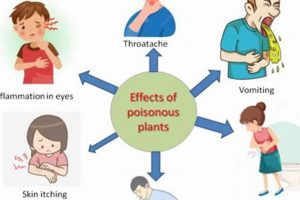
Tip 1: Identify Potential Allergens: Prior to consumption, verify the absence of any known allergens within the herbal blend. Reactions can range from mild skin irritation to severe anaphylactic shock. Consult a medical professional if uncertainty exists.
Tip 2: Research Individual Ingredients: Thoroughly investigate each component of the infusion, focusing on potential side effects, contraindications, and interactions with pre-existing medical conditions or medications. Credible sources include peer-reviewed scientific publications and reputable botanical databases.
Tip 3: Source from Reputable Suppliers: Opt for infusions and ingredients sourced from established and trusted suppliers. This mitigates the risk of contamination with heavy metals, pesticides, or adulterants. Verify the presence of quality control certifications.
Tip 4: Begin with Small Doses: Initiate consumption with a small serving size to assess individual tolerance and reactivity. Gradually increase the quantity as needed, while closely monitoring for any adverse effects.
Tip 5: Consult a Healthcare Professional: Individuals with pre-existing medical conditions, pregnant or breastfeeding women, and those taking prescription medications should consult a qualified healthcare professional before incorporating these infusions into their routine. Interactions with medications can be significant.
Tip 6: Practice Moderation: Avoid excessive consumption. While generally regarded as safe, overuse of certain herbs can lead to unwanted side effects. Adhere to recommended dosage guidelines provided by qualified sources.
Tip 7: Be Mindful of Long-Term Use: The long-term effects of regular consumption of many herbal infusions remain largely unstudied. Periodic breaks from use may be advisable to minimize potential risks and maintain efficacy.
Consistent adherence to these guidelines promotes responsible consumption and maximizes the potential benefits while minimizing potential risks. A proactive approach to safety ensures a more positive and informed experience.
The subsequent section will offer a concluding summary, reinforcing the importance of informed decision-making and highlighting avenues for further exploration and research within this area.
1. Botanical Source

The botanical source is the fundamental determinant of any potential anxiolytic effects attributed to plant-based infusions. The specific plant species chosen directly dictates the chemical constituents present in the resultant beverage. These constituents, in turn, are responsible for any observed physiological or psychological changes associated with consumption. For example, Matricaria chamomilla (Chamomile) contains apigenin, a flavonoid that binds to benzodiazepine receptors in the brain, potentially inducing a calming effect. Therefore, the selection of a plant lacking such compounds renders the infusion ineffective for the intended purpose.
The importance of accurate botanical identification is paramount. Adulteration, where an intended species is mixed with or replaced by another, can introduce unintended and potentially harmful substances. For instance, the unintentional inclusion of plants containing pyrrolizidine alkaloids can lead to liver toxicity. Furthermore, variations in growing conditions, harvesting techniques, and processing methods can significantly alter the concentration and composition of active compounds within the plant material. Consequently, the therapeutic efficacy and safety profile of the infusion can be significantly impacted.
In summary, the botanical source represents the cornerstone of plant-based infusions intended for alleviating anxiety. A thorough understanding of the chemical composition of the selected plant, coupled with rigorous quality control measures to ensure accurate identification and prevent adulteration, is essential. The selection of a botanically appropriate and reliably sourced material is a prerequisite for realizing potential benefits and minimizing risks. The influence of botanical source should be understood more to provide more relief to people.
2. Preparation method

The preparation method significantly influences the efficacy of plant-based infusions intended to mitigate unease. Inadequate preparation can result in insufficient extraction of active compounds, rendering the beverage ineffective. Conversely, improper techniques may lead to the release of undesirable substances, compromising safety and palatability. For example, excessively high water temperatures during steeping can denature delicate volatile oils present in certain herbs, diminishing their therapeutic properties. Similarly, prolonged steeping times can lead to the extraction of bitter tannins, negatively impacting the flavor profile and potentially causing gastrointestinal discomfort.
Specific herbs require tailored preparation methods to optimize the extraction of their beneficial constituents. Chamomile, for instance, benefits from a gentle infusion with water heated to approximately 80C (176F) for 5-10 minutes. This process effectively releases apigenin without extracting excessive amounts of bitter compounds. In contrast, tougher plant materials, such as roots or barks, may necessitate decoction, a process involving simmering in water for an extended period to facilitate the release of their constituents. The correct determination of best practice is essential.
In conclusion, the preparation method is a critical determinant of the therapeutic potential and safety of plant-based infusions used to alleviate anxiety. Adherence to recommended guidelines regarding water temperature, steeping time, and extraction techniques is essential for maximizing the extraction of beneficial compounds while minimizing the release of undesirable substances. A standardized and well-understood preparation protocol contributes significantly to the consistent and reliable delivery of the intended anxiolytic effects. Without correct preparation methods, the final product won’t provide the needed anxiety relief.
3. Dosage Control

Dosage control represents a pivotal factor in the safe and effective utilization of plant-based infusions aimed at alleviating anxiety. The concentration of active constituents within the infusion directly dictates the magnitude of the physiological response. Insufficient dosage may fail to elicit the desired therapeutic effect, while excessive dosage can precipitate adverse reactions, potentially exacerbating anxiety symptoms or causing unrelated health complications. For example, while a moderate dose of valerian root infusion can promote relaxation, an excessive dose may induce drowsiness, dizziness, or even paradoxical anxiety.
The importance of dosage control is underscored by the inherent variability in the potency of herbal preparations. Factors such as plant variety, growing conditions, harvesting techniques, and processing methods influence the concentration of active compounds within the raw material. Consequently, standardized dosages, often expressed in milligrams of specific constituents, may not be universally applicable. Individuals should carefully weigh ingredients to match their medical or other needs. Individual sensitivity to herbal remedies also varies significantly, further emphasizing the need for personalized dosage adjustments. Initiating treatment with a low dose and gradually increasing it until the desired effect is achieved minimizes the risk of adverse reactions.
In summary, dosage control is paramount to maximizing the benefits and minimizing the risks associated with plant-based infusions employed for anxiety relief. Careful consideration of individual sensitivity, variability in herbal potency, and the potential for adverse effects is essential. Employing a cautious approach, initiating treatment with low doses, and adjusting incrementally based on individual response ensures a safer and more effective therapeutic experience. A dosage control and constant medical consultation will provide a good experience.
4. Potential Interactions

The consumption of plant-based infusions intended for anxiety relief necessitates a careful assessment of potential interactions with pharmaceuticals, other herbal supplements, and pre-existing medical conditions. These interactions can alter the efficacy of prescribed medications, exacerbate existing health issues, or induce unforeseen adverse effects. A comprehensive understanding of these potential risks is critical for ensuring patient safety.
- Pharmacokinetic Interactions
Certain constituents within herbal infusions can affect drug metabolism by inhibiting or inducing cytochrome P450 enzymes in the liver. For instance, St. John’s Wort, although often used for mood elevation, can significantly reduce the plasma concentrations of numerous medications, including antidepressants, oral contraceptives, and immunosuppressants, potentially leading to therapeutic failure. This emphasizes the importance of considering the metabolic pathways of both the herbal components and concurrently administered drugs.
- Pharmacodynamic Interactions
Pharmacodynamic interactions occur when the effects of an herbal infusion and a medication are additive or antagonistic. For example, combining a sedative herbal infusion like valerian with a prescription benzodiazepine can potentiate the central nervous system depressant effects, increasing the risk of sedation, respiratory depression, and cognitive impairment. Conversely, an herbal stimulant could counteract the intended calming effects of an anti-anxiety medication.
- Interactions with Medical Conditions
Certain medical conditions can increase the risk of adverse effects or alter the metabolism of herbal constituents. Individuals with bleeding disorders should exercise caution when consuming infusions containing compounds that inhibit platelet aggregation, such as ginger or ginkgo, as these could increase the risk of hemorrhage. Similarly, individuals with liver or kidney disease may be more susceptible to the toxic effects of certain herbal constituents due to impaired detoxification or elimination.
- Herb-Herb Interactions
The simultaneous consumption of multiple herbal supplements can lead to complex interactions that are difficult to predict. While some combinations may be synergistic, enhancing the desired therapeutic effects, others can be antagonistic or result in unforeseen adverse reactions. The lack of rigorous scientific data on many herb-herb combinations necessitates a cautious approach, particularly for individuals with pre-existing health conditions or those taking prescription medications.
Given the complex interplay between plant-based infusions, pharmaceuticals, and individual physiology, it is imperative that individuals seeking anxiety relief through herbal remedies consult with a qualified healthcare professional. A thorough review of medical history, current medications, and potential risks is essential for ensuring the safe and effective use of these complementary therapies. Self-treating anxiety with herbal infusions without professional guidance can have unintended and potentially detrimental consequences.
5. Reported benefits

The reported benefits associated with the use of plant-based infusions for anxiety reduction constitute a primary driver for their widespread adoption. Individuals often seek these alternatives based on anecdotal evidence, traditional knowledge, and, to a lesser extent, preliminary scientific findings suggesting a positive correlation between the consumption of specific herbal teas and the alleviation of anxiety symptoms. These perceived benefits frequently include a calming effect, reduced feelings of tension and irritability, improved sleep quality, and a general sense of well-being. However, it is crucial to approach these claims with a critical perspective, acknowledging the limitations of current research and the potential for placebo effects to influence subjective experiences.
The cause-and-effect relationship between the consumption of certain herbal teas and the reported reduction in anxiety is not always definitively established through rigorous scientific investigation. While some studies have identified specific compounds within these herbs that may interact with neurotransmitter systems involved in mood regulation, such as GABA or serotonin, the actual mechanisms of action and their clinical relevance remain areas of ongoing research. The importance of understanding these potential mechanisms lies in the ability to develop targeted interventions and optimize the use of plant-based infusions for specific anxiety disorders. For instance, if chamomile’s anxiolytic effects are primarily mediated through its interaction with GABA receptors, then individuals with anxiety disorders characterized by GABAergic dysfunction may experience greater benefits from its consumption. It is important to remember some may have placebo effects and other variables.
The practical significance of understanding the reported benefits, and their limitations, stems from the need to provide individuals with accurate and evidence-based information to make informed decisions regarding their mental health. While plant-based infusions may offer a complementary approach to managing mild to moderate anxiety, they should not be considered a substitute for professional medical care, particularly in cases of severe or persistent anxiety disorders. By acknowledging both the potential benefits and the inherent uncertainties, healthcare professionals can guide individuals in integrating these therapies safely and effectively into a comprehensive treatment plan. The goal should always be well-being for individuals.
6. Individual response

The anxiolytic effects of plant-based infusions are subject to considerable inter-individual variability. This variability stems from a complex interplay of factors, including genetic predisposition, physiological differences, lifestyle influences, and psychological state. Consequently, a specific infusion that elicits a calming effect in one individual may produce negligible or even adverse effects in another. This underscores the critical importance of personalized assessment and careful monitoring when utilizing herbal remedies for anxiety management. For example, one individual might find that chamomile tea effectively reduces their feelings of stress and promotes sleep, while another may experience no noticeable benefit or, in rare cases, an allergic reaction.
The influence of individual response necessitates a cautious and iterative approach to the selection and implementation of plant-based infusions. Rather than relying solely on generalized recommendations or anecdotal evidence, individuals should systematically experiment with different herbal preparations, dosages, and consumption schedules to determine what works best for them. Detailed record-keeping of symptoms, mood changes, and any observed side effects can aid in identifying patterns and optimizing treatment strategies. Real-life examples highlight the importance of this personalized approach: an individual with a sensitive digestive system might need to avoid infusions containing certain herbs that can cause gastrointestinal upset, while another individual with a history of allergies may need to be particularly vigilant about potential allergic reactions. Therefore, it is crucial to listen to the body when experimenting with a particular plant.
In summary, individual response represents a fundamental consideration in the use of plant-based infusions for anxiety. The variability in how individuals react to these remedies necessitates a personalized approach that incorporates careful assessment, systematic experimentation, and ongoing monitoring. While herbal teas may offer a promising complementary approach to anxiety management, they should not be viewed as a one-size-fits-all solution. Acknowledging and addressing the complexities of individual response is essential for maximizing the potential benefits and minimizing the risks associated with their use.
7. Symptom Relief
The potential for symptom relief constitutes a significant motivator for individuals exploring plant-based infusions as a complementary approach to managing anxiety. While not a substitute for conventional medical treatments in severe cases, herbal teas are often perceived as offering a gentle means of alleviating specific symptoms associated with mild to moderate anxiety.
- Reduced Restlessness
Certain herbal infusions, such as those containing chamomile or lavender, are purported to possess calming properties that may help reduce restlessness and agitation. This can be particularly beneficial for individuals experiencing difficulty concentrating or sitting still due to anxiety. The proposed mechanism involves modulation of the nervous system, potentially affecting neurotransmitter activity associated with heightened arousal.
- Improved Sleep Quality
Anxiety frequently disrupts sleep patterns, leading to insomnia or restless sleep. Herbal teas containing valerian root or lemon balm are often used to promote relaxation and improve sleep quality. These herbs may help reduce the time it takes to fall asleep and increase the duration of sleep, which can indirectly alleviate anxiety symptoms by improving overall well-being and cognitive function.
- Diminished Muscle Tension
Anxiety often manifests physically as muscle tension, particularly in the neck, shoulders, and back. Certain herbal infusions, such as those containing passionflower, may possess muscle relaxant properties that can help alleviate this physical discomfort. Reduced muscle tension can contribute to a greater sense of relaxation and overall comfort, mitigating the physical manifestations of anxiety.
- Mitigation of Digestive Discomfort
Anxiety can trigger digestive issues, such as stomach upset, nausea, or irritable bowel syndrome (IBS) symptoms. Herbal teas containing peppermint or ginger may help soothe the digestive system and alleviate these symptoms. Reduced digestive discomfort can improve overall well-being and indirectly mitigate anxiety symptoms by addressing a common physical manifestation of stress.
The extent to which these infusions provide symptom relief is highly variable and dependent on individual factors, as discussed previously. The reported benefits, while promising, should be interpreted cautiously and not as a definitive cure for anxiety. Plant-based infusions can offer a gentle means of managing specific anxiety symptoms as part of a broader self-care strategy, but professional medical guidance is essential for individuals with significant anxiety disorders.
Frequently Asked Questions
The following section addresses common inquiries regarding the use of plant-based infusions as a complementary approach to anxiety management. These questions are intended to provide informative insights and clarify potential misconceptions.
Question 1: Is herbal tea a replacement for prescribed anxiety medication?
Herbal tea should not be considered a replacement for prescribed anxiety medication. While it may offer mild symptom relief for some individuals, it is not intended to treat or cure anxiety disorders. Consultation with a qualified healthcare professional is essential for individuals requiring pharmacological intervention.
Question 2: Are there any risks associated with combining herbal tea with anxiety medication?
Combining herbal tea with anxiety medication can pose potential risks due to herb-drug interactions. Some herbal constituents may interfere with the metabolism or efficacy of prescription medications, leading to adverse effects or reduced therapeutic benefits. A healthcare professional should be consulted before combining these approaches.
Question 3: How long does it take to experience the anxiety-reducing effects of herbal tea?
The time required to experience the anxiety-reducing effects of herbal tea varies among individuals. Some may notice a subtle calming effect shortly after consumption, while others may require consistent use over several weeks to experience noticeable benefits. Individual response is influenced by factors such as metabolism, dosage, and the severity of anxiety symptoms.
Question 4: Is all herbal tea effective for anxiety?
Not all herbal teas are equally effective for anxiety. Specific herbs, such as chamomile, lavender, and lemon balm, have demonstrated potential anxiolytic properties in preliminary studies. Other herbal teas may lack scientific evidence to support their use for anxiety relief. The selection of a specific herbal blend should be based on available evidence and individual preferences.
Question 5: Can herbal tea cause side effects?
Herbal tea can cause side effects in some individuals, particularly if consumed in excessive amounts or if an individual has an allergy or sensitivity to a particular herb. Potential side effects may include gastrointestinal upset, allergic reactions, drowsiness, or interactions with medications. It is crucial to start with small doses and monitor for any adverse effects.
Question 6: Where can reliably sourced herbal tea for anxiety be purchased?
Reliably sourced herbal tea for anxiety can be purchased from reputable health food stores, pharmacies, or online retailers that adhere to quality control standards. Look for products that are certified organic, third-party tested, and clearly labeled with ingredient information. Avoid purchasing herbal tea from unverified sources, as these products may be contaminated or adulterated.
The information presented in this FAQ section should not be considered a substitute for professional medical advice. Individuals seeking anxiety relief should consult with a qualified healthcare professional to determine the most appropriate course of treatment.
The subsequent section will provide a concluding summary, reinforcing the importance of informed decision-making and highlighting avenues for further exploration and research within this area.
Conclusion
The exploration of herbal tea for anxiety reveals a complex landscape of potential benefits and limitations. While certain botanical infusions may offer a complementary approach to managing mild to moderate unease, they should not be considered a panacea or a substitute for conventional medical care. Factors such as botanical source, preparation method, dosage control, potential interactions, and individual response significantly influence the efficacy and safety of these remedies. A cautious and informed approach is paramount.
The responsible integration of herbal tea for anxiety requires a commitment to ongoing research, critical evaluation of evidence, and open communication with healthcare professionals. The pursuit of improved mental well-being necessitates a comprehensive strategy that prioritizes evidence-based practices and personalized care. Future investigations should focus on elucidating the mechanisms of action of specific herbal constituents and conducting rigorous clinical trials to validate their therapeutic potential. Only through such efforts can the true value of herbal tea for anxiety be definitively established.