Specific plant infusions can contribute positively to renal health. These beverages, prepared by steeping herbs in hot water, offer a natural approach to supporting kidney function. For example, dandelion root tea and ginger tea, known for their potential diuretic and anti-inflammatory properties respectively, fall under this category.
The significance of such beverages lies in their potential to aid in detoxification processes and promote fluid balance, both vital for maintaining healthy kidneys. Historically, herbal remedies have been employed across various cultures to address kidney ailments and support overall well-being. Their gentle yet effective nature makes them a popular choice for individuals seeking natural methods of kidney support.
The subsequent sections will delve into specific herbal options recognized for their beneficial properties concerning the kidneys, exploring their mechanisms of action and considerations for safe and effective consumption. Furthermore, potential interactions and contraindications will be discussed, providing a comprehensive overview of this natural approach to kidney wellness.
Considerations for Incorporating Renal-Supportive Herbal Infusions
The following guidelines are intended to provide a framework for the informed consumption of specific plant-based brews to support kidney health. These points emphasize responsible usage and awareness of potential interactions.
Tip 1: Prioritize Consultation with a Healthcare Professional: Before integrating any new herbal infusion into a regimen, seek guidance from a qualified healthcare provider. This ensures appropriateness for individual health conditions and avoids potential interactions with existing medications.
Tip 2: Choose High-Quality Ingredients: Opt for certified organic or reputable sources when selecting dried herbs. This minimizes the risk of contamination with pesticides, heavy metals, or other harmful substances.
Tip 3: Adhere to Recommended Dosage: Follow the instructions provided by the herbalist or product label regarding preparation and consumption. Exceeding the suggested dosage does not necessarily amplify benefits and may increase the likelihood of adverse effects.
Tip 4: Monitor for Allergic Reactions: Introduce new herbal teas gradually, observing for any signs of allergic reactions such as skin rashes, itching, or respiratory distress. Discontinue use immediately if such symptoms manifest.
Tip 5: Maintain Adequate Hydration: While certain plant-based infusions may promote diuresis, it is essential to ensure sufficient overall fluid intake throughout the day. Dehydration can negate the potential benefits and potentially burden the kidneys.
Tip 6: Be Aware of Potential Interactions: Some herbs may interact with prescription medications, particularly diuretics, blood thinners, and medications affecting blood pressure. Diligence in identifying potential interactions is critical.
Tip 7: Use as a Complementary Approach: Recognize that incorporating specific plant infusions should be considered a complementary strategy, not a replacement for conventional medical treatments or prescribed medications for kidney conditions.
The careful and informed incorporation of renal-supportive herbal infusions can be a valuable component of a holistic approach to kidney health. However, individualized assessment and adherence to professional guidance are paramount for safe and effective utilization.
The subsequent section will summarize key insights discussed and underscore the importance of consulting healthcare professionals before making any significant dietary or lifestyle changes.
1. Herb Selection

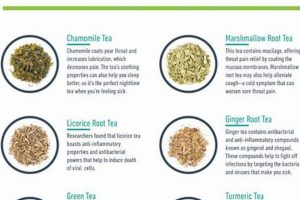
The careful selection of herbs stands as the foundational element in determining the potential of a tea to positively influence kidney function. The cause-and-effect relationship is direct: specific herbs contain compounds that, when ingested, can support detoxification processes, promote healthy urine flow, and mitigate inflammation within the renal system. The importance of herb selection arises from the distinct pharmacological properties inherent in different plant species. For instance, dandelion root, Taraxacum officinale, is often chosen for its diuretic effects, while ginger, Zingiber officinale, may be included for its anti-inflammatory capabilities. Without a deliberate selection process grounded in an understanding of herbal pharmacology, the resulting tea may lack the desired therapeutic properties.
Examples further illustrate this point. Uva ursi, Arctostaphylos uva-ursi, has traditionally been used for its antiseptic properties within the urinary tract; however, its prolonged use carries potential risks due to its arbutin content, which releases hydroquinone, a known irritant. Conversely, herbs such as parsley, Petroselinum crispum, offer a milder diuretic effect and may be a safer option for daily consumption. The practical significance lies in the ability to tailor the tea’s composition to address specific needs and mitigate potential adverse effects. Individuals with pre-existing kidney conditions or those taking medications that affect renal function must exercise particular caution in herb selection.
In summary, herb selection is not merely a matter of preference; it is a critical determinant of the therapeutic value and safety profile of any renal-supportive tea. The effectiveness of a “good herbal tea for kidneys” hinges on informed choices based on an understanding of herbal properties, potential risks, and individual health considerations. The challenge lies in navigating the vast array of available herbs and discerning those that offer genuine benefit while minimizing potential harm, a task that often necessitates consultation with a qualified healthcare professional or herbalist.
2. Preparation Methods

Preparation methods directly influence the efficacy of plant-based infusions intended to support renal function. The correlation stems from the varying solubility and stability of bioactive compounds present in herbs. Inadequate preparation may result in incomplete extraction of these compounds, diminishing the therapeutic potential of the final beverage. Conversely, improper methods, such as excessive heat or prolonged steeping times, can degrade delicate constituents, rendering them ineffective or even producing undesirable byproducts. Therefore, optimal preparation is a non-negotiable component of any attempt to create a truly beneficial tea for the kidneys.
Specific examples illustrate this point. Delicate floral herbs, such as chamomile or calendula, require lower water temperatures and shorter steeping times to preserve their volatile oils, which contribute to their anti-inflammatory and calming effects. In contrast, tougher roots and barks, like dandelion root or ginger, necessitate a longer simmering process to release their active constituents. Furthermore, the use of filtered water is critical to avoid introducing impurities that could potentially burden the kidneys. Practical application includes adherence to established herbalism guidelines, which detail optimal water temperatures, steeping durations, and herb-to-water ratios for different plant materials. The implications are significant: even with the correct herb selection, flawed preparation can negate the intended benefits, underscoring the necessity for precision in this stage.
In summary, appropriate preparation techniques are not merely procedural steps but rather integral factors that determine the chemical composition and, consequently, the therapeutic value of infusions targeting renal health. The challenge lies in understanding the unique properties of each herb and adapting the preparation method accordingly. This requires a commitment to accurate information and a willingness to prioritize technique alongside ingredient selection, reinforcing the understanding that a “good herbal tea for kidneys” is a product of both high-quality ingredients and meticulous preparation.
3. Consumption Frequency

Consumption frequency represents a critical parameter in determining the impact of plant-based infusions on kidney health. It is the rate at which an individual ingests a good herbal tea for kidneys. The frequency can affect both the efficacy and safety of such interventions.
- Optimizing Therapeutic Effects
Consistent, moderate consumption may provide a steady supply of beneficial compounds to the renal system, supporting long-term kidney function. Conversely, infrequent consumption may not deliver sufficient quantities of these compounds to elicit noticeable effects. An example is a daily cup of dandelion root tea for mild fluid retention versus an occasional cup, which would yield less pronounced results.
- Mitigating Potential Risks
Excessive consumption, even of purportedly beneficial herbs, may lead to adverse effects due to the accumulation of certain compounds or overburdening of the kidneys. Some herbs contain constituents that, while beneficial in small amounts, can become toxic at higher doses. Consider uva ursi, which should only be taken for a limited time.
- Individual Physiological Factors
Ideal consumption frequency varies based on individual factors such as body weight, overall health status, and pre-existing kidney conditions. An individual with compromised kidney function may require a different consumption schedule than someone with healthy kidneys. This necessitates careful consideration and consultation with a healthcare professional.
- Integration with Lifestyle
Practical constraints and personal preferences can influence the feasibility of adhering to a specific consumption frequency. An effective regimen must be sustainable and align with an individual’s daily routine. The incorporation of herbal teas into daily routines. For example, replacing other beverages with herbal teas during meals, can be one approach.
The establishment of an appropriate consumption frequency constitutes a key determinant in maximizing the benefits and minimizing the risks associated with plant-based infusions for kidney support. The balance between consistency and moderation is critical, and should be approached with an understanding of individual needs and expert guidance to make an infusion a good herbal tea for kidneys.
4. Hydration Balance

Maintaining adequate hydration is a cornerstone of renal health, directly influencing the kidneys’ ability to filter waste and regulate fluid balance within the body. The role of plant-based infusions in this context is multifaceted, with the potential to contribute positively or negatively depending on factors such as diuretic properties and overall fluid intake.
- Diuretic Properties and Fluid Loss
Certain plant-based infusions possess diuretic properties, promoting increased urine production and potentially leading to fluid loss. For example, dandelion and parsley, while beneficial for some kidney functions, can exacerbate dehydration if not accompanied by sufficient water intake. The implication is that the consumption must be balanced with mindful attention to overall hydration levels.
- Contribution to Daily Fluid Intake
Plant-based infusions, when prepared with water, contribute to the daily fluid intake necessary for optimal kidney function. For instance, replacing sugary beverages with herbal tea can support hydration while minimizing the intake of substances detrimental to renal health. The practical benefit is that it provides a palatable and potentially beneficial way to increase water consumption.
- Electrolyte Balance and Renal Function
Imbalances in electrolytes, such as sodium and potassium, can disrupt renal function and overall fluid regulation. While plant-based infusions generally have a limited impact on electrolyte levels, excessive consumption of certain herbs could theoretically influence electrolyte balance. Monitoring for symptoms of electrolyte imbalance is crucial.
- Impact on Urine Concentration and Waste Excretion
Adequate hydration dilutes urine, facilitating the efficient excretion of waste products and reducing the risk of kidney stone formation. Infusions, as part of an overall hydration strategy, can support this process. The dilution of waste is essential for keeping renal health in a optimum level.
The interplay between hydration balance and plant-based infusions highlights the need for a holistic approach to kidney health. These infusions can be a valuable tool, provided they are integrated into a regimen that prioritizes adequate fluid intake and awareness of individual hydration needs. The effective use of plant-based infusions necessitates a balanced strategy that considers both the specific properties of the herbs and the overarching importance of maintaining optimal hydration for renal well-being, which can make it a good herbal tea for kidneys.
5. Potential Interactions

The realm of potential interactions forms a critical, often underestimated, dimension of utilizing plant-based infusions for renal support. A tea considered potentially “good” for the kidneys may present unforeseen consequences if its constituents interact negatively with existing medications, pre-existing health conditions, or even other dietary supplements. These interactions are not mere theoretical possibilities; they represent tangible risks that can compromise both the intended benefits of the herbal infusion and the overall health of the individual. The cause-and-effect relationship is direct: certain herbal compounds can either amplify or diminish the effects of pharmaceutical drugs, alter metabolic pathways, or exacerbate underlying medical conditions, thereby impacting renal function either directly or indirectly.
Examples provide concrete illustrations of these risks. Individuals taking warfarin, an anticoagulant medication, must exercise caution with herbs containing coumarin-like compounds, such as chamomile or licorice root, as these may potentiate the effects of warfarin, increasing the risk of bleeding. Similarly, patients on diuretics should be aware that certain herbal teas with diuretic properties, such as dandelion or horsetail, may lead to excessive fluid loss and electrolyte imbalances. Furthermore, individuals with pre-existing kidney disease should avoid herbs high in oxalic acid, such as rhubarb, as they can contribute to the formation of kidney stones. The practical significance lies in the understanding that a seemingly innocuous herbal tea can become detrimental if its potential interactions are not carefully evaluated and managed.
In summary, awareness of potential interactions is not merely an advisory footnote but a fundamental prerequisite for the safe and effective use of plant-based infusions for kidney support. The pursuit of a “good herbal tea for kidneys” demands a comprehensive understanding of herbal pharmacology, potential contraindications, and the individual’s medical history. The challenge lies in proactively identifying potential risks and making informed decisions that prioritize patient safety, underscoring the necessity for consultation with qualified healthcare professionals before integrating herbal teas into a renal health regimen. The avoidance of negative interactions can then ensure the tea does, in fact, turn out to be a good herbal tea for kidneys.
6. Kidney Support

Kidney support, in the context of plant-based infusions, refers to the targeted utilization of herbal constituents to maintain or improve renal function. Its relevance to a “good herbal tea for kidneys” lies in the capacity of specific herbs to promote detoxification, modulate inflammation, and enhance fluid balance, thereby contributing to overall kidney health. It is the primary goal one seeks when selecting a plant-based beverage.
- Diuretic Action and Waste Removal
Diuretic herbs can promote increased urine production, facilitating the excretion of metabolic waste products and reducing the workload on the kidneys. Examples include dandelion root and parsley, traditionally used to support healthy urinary flow. The implication for a “good herbal tea for kidneys” is the potential for enhanced detoxification and reduced risk of kidney stone formation.
- Anti-inflammatory Properties and Renal Health
Chronic inflammation can contribute to kidney damage and dysfunction. Certain herbs possess anti-inflammatory compounds that may help mitigate this process. Ginger and turmeric, for instance, are known for their anti-inflammatory effects. Including these in a “good herbal tea for kidneys” may offer protective benefits against inflammation-related renal decline.
- Antioxidant Activity and Cellular Protection
The kidneys are susceptible to oxidative stress, which can damage renal cells and impair function. Antioxidant-rich herbs, such as green tea and rooibos, can help neutralize free radicals and protect against oxidative damage. A “good herbal tea for kidneys” with antioxidant properties can thus contribute to cellular preservation and overall renal health.
- Regulation of Blood Pressure and Renal Perfusion
Maintaining healthy blood pressure is crucial for optimal kidney function, as hypertension can damage renal blood vessels and impair filtration. Some herbs, such as hibiscus and hawthorn, may help regulate blood pressure. A “good herbal tea for kidneys” incorporating these herbs may indirectly support renal health by promoting healthy blood pressure levels and renal perfusion.
These facets of kidney support, when integrated into a carefully formulated plant-based infusion, represent a holistic approach to promoting renal well-being. The selection and preparation of a “good herbal tea for kidneys” should consider these factors to maximize the potential benefits and minimize potential risks. It is vital to remember that any claims of kidney support must be substantiated by credible evidence and approached with careful consideration of individual health conditions and potential interactions. Professional consultation is advised to ensure proper usage.
7. Quality Sourcing
The provenance of herbal ingredients is paramount when considering plant-based infusions intended to support renal health. Quality sourcing, in this context, refers to the diligent selection of herbs cultivated, harvested, processed, and stored under conditions that preserve their integrity and minimize the risk of contamination. This aspect is not merely a matter of preference but a fundamental requirement for ensuring that the resulting tea delivers the intended therapeutic benefits and does not introduce harmful substances into the body.
- Purity and Absence of Contaminants
Herbs sourced from reputable suppliers are less likely to contain pesticides, heavy metals, molds, or other contaminants that can burden the kidneys and negate the beneficial effects of the infusion. Organic certification provides a degree of assurance regarding pesticide use, while independent laboratory testing can verify the absence of heavy metals and microbial contamination. The implication is that rigorous quality control measures are essential for ensuring the safety and efficacy of the final product.
- Potency and Bioactive Compound Concentration
The growing conditions, harvesting techniques, and processing methods can significantly influence the concentration of bioactive compounds in herbs. Herbs grown in optimal environments and harvested at the peak of their potency are more likely to deliver the desired therapeutic effects. For example, herbs dried improperly may lose volatile oils and other beneficial constituents. Therefore, selecting herbs from suppliers that prioritize optimal cultivation and processing practices is crucial for maximizing the therapeutic potential of the tea.
- Authenticity and Species Identification
Misidentification or adulteration of herbs can lead to unexpected and potentially harmful effects. Reputable suppliers employ rigorous quality control measures, including macroscopic and microscopic examination, to ensure the authenticity of the herbs they sell. The implications can be significant; consuming the wrong plant species can range from ineffective to actively harmful. Therefore, verifying the identity of the herbs is essential for ensuring safety and efficacy.
- Ethical and Sustainable Practices
While not directly related to the chemical composition of the herbs, ethical and sustainable sourcing practices contribute to the overall integrity of the product. Supporting suppliers that prioritize environmental stewardship and fair labor practices aligns with a holistic approach to health and wellness. Additionally, sustainable harvesting practices help ensure the long-term availability of medicinal plants.
In summary, quality sourcing is an indispensable element in the creation of a good herbal tea for kidneys. By prioritizing purity, potency, authenticity, and ethical practices, individuals can maximize the therapeutic benefits of these infusions while minimizing potential risks. The origin and handling of the herbs are just as important as their inherent properties in determining the overall value of a plant-based beverage intended to support renal health. Neglecting this crucial aspect can undermine the entire endeavor, highlighting the importance of informed consumer choices and diligent supplier selection.
Frequently Asked Questions
This section addresses common inquiries regarding the integration of specific plant infusions into a regimen intended to support kidney health. The information presented is for general knowledge and should not substitute professional medical advice.
Question 1: Are all herbal teas safe for individuals with kidney conditions?
No, not all herbal teas are universally safe. Specific plant constituents can interact negatively with certain kidney conditions or medications. Consultation with a healthcare professional is advised to determine suitability.
Question 2: How does plant-based infusion consumption affect hydration?
Many contribute to daily fluid intake, but some possess diuretic properties that may increase fluid loss. Maintaining adequate overall hydration is crucial, particularly when consuming infusions with diuretic effects.
Question 3: What factors influence the quality of herbal tea ingredients?
Cultivation practices, harvesting techniques, processing methods, and storage conditions all impact the quality and potency of herbal ingredients. Opting for certified organic or reputable sources can minimize contamination risks.
Question 4: Can plant-based infusions replace conventional medical treatments for kidney disease?
Plant-based infusions should be considered a complementary approach, not a replacement for prescribed medications or medical treatments. Adherence to healthcare professional guidance is essential.
Question 5: How can potential interactions between herbal teas and medications be identified?
Comprehensive research on the specific herbs and their potential interactions with medications is necessary. Consulting with a pharmacist or healthcare provider can provide valuable insights.
Question 6: What is the recommended consumption frequency for renal-supportive herbal teas?
Optimal consumption frequency varies depending on the specific herbs, individual health status, and potential interactions. A moderate and consistent approach, guided by professional advice, is generally recommended.
The cautious and informed incorporation of plant-based infusions can contribute to a holistic approach to kidney health. Individualized assessment and adherence to professional guidance are paramount for safe and effective utilization.
The subsequent section will summarize key insights discussed and underscore the importance of consulting healthcare professionals before making any significant dietary or lifestyle changes.
In Summary
The preceding discourse has explored the multifaceted nature of what constitutes a “good herbal tea for kidneys.” Key aspects include the selection of appropriate herbs based on their known renal-supportive properties, diligent preparation techniques to maximize the extraction of beneficial compounds, mindful attention to consumption frequency, and the imperative of maintaining adequate hydration. Furthermore, the analysis underscored the critical importance of quality sourcing to minimize contamination risks and the necessity of understanding potential interactions with medications or pre-existing health conditions. When these elements are carefully considered and integrated, the resulting infusion can offer a valuable complement to a comprehensive kidney health strategy.
The responsible use of plant-based infusions to support renal function necessitates informed decision-making and a commitment to evidence-based practices. Given the potential for both benefit and harm, consultation with qualified healthcare professionals remains paramount. Individuals are encouraged to engage proactively with their medical providers to determine the suitability of specific herbal teas for their individual needs and to ensure safe and effective utilization within the context of their overall health management plan. Future research should focus on further elucidating the mechanisms of action and potential benefits of specific herbal constituents on kidney health. The potential for plant-based infusions to contribute positively to kidney well-being exists, but is realized through informed and careful use.