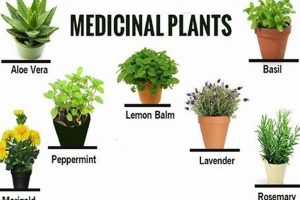
A preparation designed for addition to bathwater, this blend typically incorporates dried herbs, essential oils, salts, and other natural ingredients. These components dissolve in the water, releasing their therapeutic properties. For example, a mixture might contain lavender flowers for relaxation, Epsom salts for muscle relief, and chamomile for its anti-inflammatory effects.
The significance of such blends lies in their potential to promote well-being. Historically, various cultures have utilized botanical infusions for their perceived health benefits, ranging from stress reduction and improved sleep to easing aches and pains. The practice aligns with a holistic approach to wellness, emphasizing the connection between physical and mental health through natural remedies.
Further discussion will explore specific ingredients commonly found in these preparations, detail the potential benefits based on scientific evidence and traditional use, and provide guidance on selecting and utilizing them safely and effectively to enhance the bathing experience.
Enhancing the Bathing Ritual
The following recommendations aim to optimize the therapeutic potential of bath time through informed selection and application of bath additives.
Tip 1: Ingredient Awareness: Carefully examine product labels to identify components aligning with desired outcomes. For example, those seeking relaxation should prioritize lavender, chamomile, or valerian root. Individuals with skin sensitivities should avoid products containing artificial fragrances or dyes.
Tip 2: Water Temperature Regulation: Maintain bathwater at a temperature neither excessively hot nor cold. Overly hot water can exacerbate skin conditions and lead to dehydration, while cold water may hinder the absorption of therapeutic compounds.
Tip 3: Dosage Adherence: Follow the manufacturer’s instructions regarding the amount of product to add to the bathwater. Excessive concentration may lead to skin irritation or other adverse reactions. Start with a smaller quantity and adjust based on individual tolerance.
Tip 4: Infusion Enhancement: For maximized efficacy, consider steeping loose herbs in a muslin bag or tea infuser within the bathwater. This process facilitates a more concentrated release of beneficial constituents.
Tip 5: Hydration Maintenance: Ensure adequate hydration by drinking water before, during, and after bathing. This practice supports overall well-being and mitigates potential dehydration effects from prolonged immersion in warm water.
Tip 6: Duration Moderation: Limit bath time to a reasonable duration, typically between 20 to 30 minutes. Prolonged exposure to water can strip the skin of its natural oils, leading to dryness and irritation.
Tip 7: Post-Bath Hydration: Immediately following the bath, apply a moisturizer to lock in hydration and further nourish the skin. Choose a product that complements the ingredients used in the bath additives.
By adhering to these guidelines, one can effectively leverage the beneficial properties, contributing to an enhanced sense of well-being and a more restorative bathing experience.
The subsequent sections will delve into specific product recommendations and address potential contraindications, providing a comprehensive understanding for safe and effective utilization.
1. Ingredient Composition

The ingredient composition of a bath soak directly dictates its therapeutic efficacy and potential impact on the user’s physiology. A thorough understanding of these components is paramount for selecting a product aligned with specific needs and sensitivities.
- Herbal Infusions
The primary active elements in such soaks often consist of dried herbs, each possessing unique properties. Lavender, for example, is recognized for its calming and anxiolytic effects, while chamomile is known for its anti-inflammatory qualities. The concentration and quality of these herbs significantly influence the overall effectiveness of the soak. Adulteration or the use of inferior-grade herbs can diminish or negate the intended benefits.
- Essential Oils
Extracted from plants, these oils deliver concentrated aromas and therapeutic compounds. Their volatility allows for rapid absorption through the skin and inhalation into the respiratory system. However, the purity and sourcing of essential oils are critical. Synthetic fragrances, often marketed as essential oils, lack the therapeutic benefits and can cause allergic reactions in sensitive individuals. True essential oils should be derived from specific plant species via established extraction methods like steam distillation or cold pressing.
- Salts and Minerals
Epsom salts (magnesium sulfate) and sea salts are frequently incorporated to promote muscle relaxation and detoxification. Magnesium is absorbed through the skin, contributing to muscle function and nerve transmission. Sea salts contain trace minerals that can nourish the skin and support its barrier function. The particle size and purity of these salts influence their solubility and the rate of mineral absorption.
- Carrier Substances
Ingredients such as colloidal oatmeal or milk powder serve as carrier substances, providing a soothing and emollient effect on the skin. Colloidal oatmeal, in particular, is known for its ability to alleviate itching and irritation, making it beneficial for individuals with eczema or dry skin conditions. These components also aid in dispersing the active ingredients evenly throughout the bathwater, ensuring consistent exposure.
The synergistic interplay of these elements determines the holistic impact of the preparation. A well-formulated blend leverages the unique properties of each ingredient to create a bathing experience that promotes physical and mental well-being. Careful consideration of these factors is essential for maximizing the therapeutic potential and ensuring user safety.
2. Therapeutic Benefits

The integration of carefully selected botanicals into bathwater, the defining characteristic of a bath preparation, yields a spectrum of therapeutic benefits. These benefits arise from the combined effects of warm water immersion, which promotes vasodilation and muscle relaxation, and the pharmacological properties of the infused herbs. For instance, a preparation containing arnica may alleviate muscle soreness following strenuous physical activity due to arnica’s anti-inflammatory compounds. Similarly, a formulation including lavender is intended to reduce anxiety and promote restful sleep through the inhalation of its aromatic molecules, which interact with the limbic system. The selection of specific herbs and their concentrations directly influences the nature and magnitude of these therapeutic effects.
Further enhancement of these therapeutic actions can be achieved through the inclusion of salts, such as magnesium sulfate (Epsom salt), which facilitate magnesium absorption through the skin. Magnesium is a vital mineral implicated in numerous physiological processes, including muscle function, nerve transmission, and blood sugar control. Deficiencies in magnesium are associated with increased muscle cramping and insomnia, suggesting that transdermal magnesium supplementation via a prepared bath could address these issues. Moreover, the hydrostatic pressure exerted by the water can reduce edema and improve circulation, further augmenting the benefits derived from the herbal components.
In conclusion, the therapeutic efficacy of such bath infusions is contingent upon the judicious selection and combination of herbs, salts, and other additives, as well as an understanding of their pharmacological actions and potential synergistic effects. Challenges remain in standardizing formulations and conducting rigorous clinical trials to validate anecdotal claims, yet the practice represents a potentially valuable adjunctive therapy for promoting relaxation, alleviating pain, and enhancing overall well-being. Future research should focus on elucidating the mechanisms of action and optimizing formulations to maximize therapeutic benefits while minimizing potential adverse effects.
3. Sensory Experience
The sensory experience inherent in utilization significantly contributes to its perceived therapeutic value. The combination of olfactory, tactile, and visual stimuli coalesces to create a holistic and immersive encounter, influencing both physiological and psychological states.
- Aromatic Profile
The olfactory dimension is paramount. Volatile compounds released from infused botanicals interact with olfactory receptors, transmitting signals to the brain’s limbic system, which regulates emotions and memory. For instance, the scent of lavender is associated with relaxation and reduced anxiety, while eucalyptus may promote respiratory decongestion. The intensity and complexity of the aromatic profile directly affect the user’s mood and sense of well-being. Synthetic fragrances, lacking the nuanced chemical composition of natural essential oils, may provide a pleasant scent but fail to elicit the same therapeutic responses.
- Tactile Sensation
The tactile aspect involves the physical interaction of the bathwater and dissolved components with the skin. The water’s temperature influences blood flow and muscle relaxation, while added ingredients, such as colloidal oatmeal or milk powder, impart a soothing and emollient effect. Epsom salts contribute a distinct salinity that some individuals find therapeutic for muscle soreness. The texture and consistency of these additives play a role in the overall tactile experience. Coarse salts may provide a mild exfoliating effect, while finely ground powders create a smoother, more luxurious feel.
- Visual Aesthetics
The visual elements contribute to the overall ambiance and enhance the sense of relaxation. The color of the water, influenced by the infused herbs or added dyes, can evoke specific emotional responses. The presence of floating botanicals or dispersed salts creates a visually appealing scene that promotes tranquility. However, artificial dyes, while visually striking, may not offer the same psychological benefits as natural plant pigments. The clarity or opacity of the water also contributes to the visual experience, with some individuals preferring a milky, opaque bath for its perceived opulence and privacy.
- Auditory Environment
While perhaps less direct, the auditory environment profoundly impacts the overall sensory experience. The sound of running water as the bath fills, the gentle lapping of the water against the tub, or the addition of calming music or nature sounds contribute to the atmosphere of relaxation and escape. Conversely, external noises or distractions can detract from the immersive quality and diminish the intended benefits. Deliberate manipulation of the auditory landscape, through noise reduction or the incorporation of soothing soundscapes, can significantly enhance the effectiveness of the soak.
In summation, the multifaceted sensory experience fundamentally enhances the perceived benefits. The strategic manipulation of aromatic, tactile, visual, and auditory elements can transform a routine bathing practice into a deeply restorative and therapeutic ritual, reinforcing the holistic value and promoting physical and mental well-being.
4. Preparation Method
The method by which a preparation is created significantly influences its efficacy and overall user experience. Variations in technique affect ingredient potency, solubility, and ultimately, the therapeutic impact of the final bath addition.
- Infusion Techniques
Infusion methods dictate the degree to which active compounds are extracted from botanical ingredients. Steeping dried herbs in hot water prior to bath addition, for example, allows for a more concentrated release of essential oils and other beneficial substances. This pre-infusion can be accomplished using a muslin bag or tea infuser, preventing particulate matter from dispersing throughout the bathwater. Conversely, simply adding dry herbs directly to the bathwater may result in incomplete extraction and reduced potency.
- Solubilization Strategies
Certain components, such as essential oils, are hydrophobic and do not readily dissolve in water. Employing a solubilizer, such as a carrier oil (e.g., jojoba, almond) or a dispersant (e.g., polysorbate 20), facilitates their even distribution throughout the bathwater. Without a solubilizer, essential oils may remain undiluted on the water’s surface, potentially causing skin irritation or uneven exposure. The choice of solubilizer should be based on its compatibility with other ingredients and its potential for causing allergic reactions.
- Salt and Mineral Incorporation
The order and method of incorporating salts and minerals influence their dissolution rate and the overall ionic balance of the bathwater. Epsom salts, for instance, should be fully dissolved before adding other ingredients to ensure optimal magnesium release. Using overly hot water can accelerate dissolution, but may also degrade heat-sensitive botanical compounds. Pre-dissolving salts in a separate container and then adding the solution to the bathwater can ensure uniform distribution and prevent clumping.
- Preservation and Stabilization
For preparations intended for extended storage, preservation and stabilization techniques are crucial. Adding antioxidants, such as vitamin E, can prevent the degradation of essential oils and other sensitive compounds. Using airtight containers and storing the preparation in a cool, dark place minimizes exposure to oxygen and light, which can accelerate spoilage. Properly preserved and stabilized preparations retain their potency and aromatic profile for a longer period.
The specific preparation method selected directly impacts the quality and effectiveness. A well-executed method ensures optimal ingredient extraction, solubilization, and preservation, ultimately enhancing the therapeutic benefits and sensory experience for the user.
5. Safety Considerations

Safety considerations are paramount when utilizing herbal bath soaks, directly impacting user well-being. Inadequate attention to these factors can precipitate adverse reactions, ranging from mild skin irritation to severe allergic responses. A primary concern lies in identifying potential allergens within the soak’s composition. For instance, individuals with ragweed allergies may exhibit cross-reactivity to chamomile, a common ingredient. Similarly, certain essential oils, even when diluted, can cause photosensitivity, increasing the risk of sunburn. Proper product labeling and consumer education are essential for mitigating these risks. A manufacturer’s failure to disclose all ingredients or to provide adequate warnings about potential allergens constitutes a critical safety breach.
Furthermore, the concentration and purity of ingredients influence the likelihood of adverse events. High concentrations of essential oils, particularly those known to be skin irritants (e.g., cinnamon, clove), can lead to contact dermatitis. Contamination of herbal ingredients with pesticides, heavy metals, or microorganisms poses an additional threat. Reputable manufacturers adhere to rigorous quality control standards, including testing for contaminants and verifying the authenticity and purity of their ingredients. Consumers should seek products from trusted brands and scrutinize certifications of analysis to ensure product safety. The absence of such certifications raises concerns about the product’s quality and potential for harm.
In conclusion, safety considerations are not merely an ancillary aspect but an intrinsic component of bath soaks. Addressing these concerns through transparent labeling, rigorous quality control, and consumer education is critical for ensuring safe and beneficial use. Failure to prioritize safety can negate any therapeutic benefits and expose users to unnecessary health risks. A proactive approach to safety, encompassing ingredient selection, manufacturing practices, and consumer awareness, is essential for maximizing the benefits and minimizing the potential harms associated with such bath products.
Frequently Asked Questions
The following section addresses common inquiries concerning the properties, utilization, and safety considerations associated with herbal bath soaks. The information presented aims to provide clarity and promote informed decision-making.
Question 1: What are the primary benefits attributed to herbal bath soaks?
Herbal bath soaks are often purported to promote relaxation, alleviate muscle soreness, and improve skin hydration. The specific benefits are contingent upon the herbal ingredients incorporated into the formulation, such as lavender for relaxation or chamomile for anti-inflammatory effects.
Question 2: Are there potential contraindications associated with herbal bath soak use?
Individuals with known allergies to specific herbs or essential oils should exercise caution. Pregnant or breastfeeding individuals should consult with a healthcare professional before using products containing potent botanical extracts. Pre-existing medical conditions may also warrant caution.
Question 3: How should an herbal bath soak be properly prepared for optimal results?
The preparation method varies depending on the specific product. Generally, the recommended amount of soak is added to warm bathwater. Allowing the soak to fully dissolve and steeping loose herbs in a muslin bag can enhance the release of beneficial compounds.
Question 4: Can herbal bath soaks be used on children?
The use of herbal bath soaks on children necessitates careful consideration. Certain essential oils can be harmful to young children. A pediatrician’s guidance is essential before administering any herbal bath to a child.
Question 5: How can one verify the quality and authenticity of an herbal bath soak product?
Examining the product label for a complete list of ingredients and certifications from reputable organizations is crucial. Researching the manufacturer’s reputation and quality control practices can provide additional assurance.
Question 6: What are the potential adverse effects associated with herbal bath soak use?
Adverse effects may include skin irritation, allergic reactions, or photosensitivity. Discontinuing use immediately upon experiencing any adverse symptoms is advised. Consulting a healthcare professional may be necessary in severe cases.
In summary, herbal bath soaks offer potential benefits but necessitate careful consideration of individual sensitivities and potential contraindications. Informed selection and appropriate utilization are essential for a safe and effective experience.
The subsequent section will provide guidance on selecting suitable bath soaks based on individual needs and preferences.
In Conclusion
The preceding exploration of herbal bath soak has illuminated its multifaceted nature, encompassing ingredient composition, therapeutic benefits, sensory experience, preparation methods, and critical safety considerations. Each aspect contributes to the overall efficacy and user experience, underscoring the importance of informed selection and utilization. The potential for relaxation, muscle soreness relief, and skin hydration, while promising, necessitates careful consideration of individual sensitivities and potential contraindications to mitigate adverse effects.
The continued investigation into the pharmacological properties of botanicals and the refinement of formulation techniques will undoubtedly shape the future landscape of herbal bath soak products. Ongoing research into the mechanisms of action and rigorous quality control measures are essential to ensure both efficacy and safety, solidifying its role as a valuable element in personal wellness practices. The responsible utilization of these preparations, guided by scientific understanding and a commitment to user safety, will ultimately determine their lasting contribution to holistic well-being.