Chamomile tea, a beverage derived from the chamomile flower, falls under the classification of herbal teas. Herbal teas, also known as tisanes, are infusions or decoctions made from herbs, spices, flowers, or other plant material. Unlike traditional teas that come from the Camellia sinensis plant, chamomile tea utilizes the dried flowers of the Matricaria chamomilla or Chamaemelum nobile plant species.
The consumption of chamomile infusions extends back centuries, appreciated for potential relaxation and sleep-promoting qualities. Historically, chamomile has been employed in traditional medicine systems for its purported anti-inflammatory and calming effects. Modern research continues to explore the potential therapeutic benefits associated with the beverage, including its impact on anxiety and sleep disorders.
Given its categorization, further exploration into the properties and applications of herbal teas, including chamomile, is warranted. Subsequent sections will delve into the specific compounds present in chamomile, its preparation methods, and potential considerations for consumption.
Tips Regarding Chamomile Tea Consumption
The following are considerations for individuals who consume chamomile tea to optimize its potential benefits and minimize potential risks.
Tip 1: Source Quality Matters: Procure chamomile tea from reputable suppliers. Organic varieties are preferable to reduce exposure to pesticides and herbicides. Check for a clear expiration date to ensure freshness.
Tip 2: Proper Preparation is Key: Steep the tea correctly to extract its beneficial compounds. Use near-boiling water and steep for the recommended time, typically five to ten minutes. Covering the cup during steeping helps retain volatile oils.
Tip 3: Mindful Consumption Timing: Consider consuming chamomile tea approximately 30-60 minutes before bedtime to potentially promote relaxation. Avoid drinking it immediately before a task requiring alertness.
Tip 4: Be Aware of Potential Allergies: Individuals with known allergies to plants in the Asteraceae/Compositae family (e.g., ragweed, chrysanthemums, marigolds) should exercise caution, as cross-reactivity is possible. Start with a small amount and monitor for any allergic reactions.
Tip 5: Moderate Intake is Advised: Excessive consumption of any herbal tea, including chamomile, is not recommended. Adhere to reasonable serving sizes (e.g., 1-2 cups per day) to minimize the risk of potential side effects.
Tip 6: Check for Drug Interactions: Chamomile may interact with certain medications, particularly blood thinners and sedatives. Consult a healthcare professional or pharmacist if taking any prescription medications.
Tip 7: Monitor for Adverse Effects: While generally considered safe, chamomile can cause side effects in some individuals, such as nausea, dizziness, or allergic reactions. Discontinue use if any adverse effects occur.
By adhering to these recommendations, individuals can potentially enhance the experience of consuming chamomile tea while minimizing potential adverse effects. Prioritizing quality sourcing, proper preparation, and mindful consumption practices contributes to a more informed and responsible approach.
Following these suggestions allows for a more informed approach to including chamomile tea in one’s lifestyle.
1. Infusion

The process of infusion is central to understanding the nature of chamomile tea as an herbal beverage. Infusion, in the context of beverages, involves extracting flavors and soluble compounds from plant materials by steeping them in liquid, typically hot water. This method directly defines how chamomile tea is created and dictates its chemical composition.
- Extraction of Volatile Oils
Infusion facilitates the extraction of volatile oils from the chamomile flowers. These oils, such as bisabolol and chamazulene, contribute significantly to the tea’s characteristic aroma and potential therapeutic properties. Without infusion, these compounds would remain locked within the plant matter, rendering their benefits inaccessible.
- Solubilization of Flavonoids
Flavonoids, a class of plant compounds with antioxidant properties, are also solubilized through infusion. These compounds, including apigenin, are believed to contribute to the calming effects often associated with chamomile tea. The hot water acts as a solvent, allowing these beneficial compounds to dissolve and become available in the beverage.
- Water Temperature and Steeping Time
The effectiveness of infusion is dependent on water temperature and steeping time. Optimal temperatures are needed to maximize extraction without degrading the delicate compounds. Similarly, steeping for an appropriate duration allows for sufficient release of desired substances while preventing the extraction of undesirable bitter compounds. Improper technique can result in a weak or unpalatable final product.
- Distinction from Decoction
It is important to distinguish infusion from decoction, another method of extraction. Decoction involves simmering plant material in water for an extended period. While suitable for harder plant parts like roots or bark, decoction is generally not used for chamomile flowers, as it can damage the delicate compounds and result in a less desirable flavor. The infusion method is favored for its gentle extraction process, preserving the nuances of the chamomile flower.
In summary, the infusion process is not merely a step in preparing chamomile tea; it is the defining factor that transforms dried chamomile flowers into a beverage rich in flavor and potentially beneficial compounds. The careful control of water temperature and steeping time ensures that the desired elements are extracted effectively, underscoring the integral relationship between infusion and the inherent qualities of chamomile as a popular herbal tea.
2. Botanical Origin

The botanical origin of chamomile directly underpins its classification as an herbal tea. The specific plant species from which the beverage is derived dictates its chemical composition, flavor profile, and potential therapeutic properties. This foundational aspect is essential to differentiating it from true teas and other herbal infusions.
- Matricaria chamomilla and Chamaemelum nobile
Chamomile tea is primarily produced from two distinct species: Matricaria chamomilla (German chamomile) and Chamaemelum nobile (Roman chamomile). While both are used, they exhibit slight differences in chemical composition and flavor. Recognizing these species is critical for understanding the variations in chamomile products available.
- Asteraceae/Compositae Family
Both Matricaria chamomilla and Chamaemelum nobile belong to the Asteraceae/Compositae family, a large and diverse group of flowering plants. This familial relationship is important because it alerts potential consumers to cross-reactivity concerns. Individuals with allergies to other plants in this family (e.g., ragweed, chrysanthemums) may experience allergic reactions to chamomile.
- Geographic Variation
The geographical origin of the chamomile plant can influence its chemical makeup. Factors such as soil composition, climate, and sunlight exposure affect the production of secondary metabolites, including the essential oils and flavonoids responsible for chamomile’s aroma and purported health benefits. Chamomile grown in different regions may exhibit subtle variations in taste and therapeutic efficacy.
- Distinction from Camellia sinensis
Critically, chamomile does not originate from the Camellia sinensis plant, which is the source of true teas like black, green, and oolong. This distinction is fundamental. True teas contain caffeine, while chamomile is naturally caffeine-free. The separation in botanical origin directly translates to significant differences in the chemical and stimulant properties of the resulting beverages.
The botanical source unequivocally establishes chamomile tea’s identity as an herbal infusion, distinct from traditional teas. The precise species, familial relationships, and geographical variations all contribute to the nuances of this widely consumed beverage. Understanding the botanical origin provides a framework for appreciating the diversity and specific characteristics of chamomile.
3. Caffeine-Free

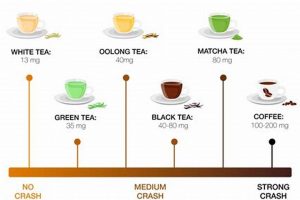
The absence of caffeine is a defining characteristic intrinsically linking chamomile tea to the category of herbal teas. Traditional teas, derived from Camellia sinensis, inherently contain caffeine, a stimulant that affects the central nervous system. Conversely, chamomile, originating from Matricaria chamomilla or Chamaemelum nobile, possesses no naturally occurring caffeine. This absence directly influences its classification as an herbal tea, distinguishing it from caffeine-containing beverages and impacting its suitability for various consumers. For instance, individuals sensitive to stimulants or seeking a relaxing beverage before sleep often choose chamomile specifically because of its caffeine-free nature.
The practical significance of understanding chamomile’s caffeine-free status extends to broader health and lifestyle considerations. Pregnant women, individuals with anxiety disorders, and those managing cardiovascular conditions often restrict their caffeine intake. Chamomile tea provides a suitable alternative for these populations, offering a warm beverage without the stimulatory effects of caffeine. Marketing and labeling practices further emphasize this attribute, as “caffeine-free” is a prominent selling point that attracts a specific consumer demographic. Its use as a bedtime beverage is heavily predicated on the understanding of its non-stimulant profile.
In conclusion, the caffeine-free nature of chamomile is not merely an incidental feature but a fundamental property that defines its identity as an herbal tea. This characteristic influences its consumption patterns, target audience, and overall perception as a calming and relaxing beverage. While further research continues to explore its potential therapeutic effects, the absence of caffeine remains a primary reason for its widespread popularity and classification among herbal infusions.
4. Preparation Method
The preparation method directly impacts the properties of chamomile tea, solidifying its categorization as an herbal tea. The techniques employed for extraction significantly influence the resulting beverage’s composition and characteristics.
- Infusion Process
The standard method for preparing chamomile tea involves infusion, where dried chamomile flowers are steeped in hot water. This process extracts soluble compounds, volatile oils, and flavonoids from the plant material. The use of infusion, rather than other methods like decoction (boiling), helps preserve the delicate flavors and therapeutic properties associated with chamomile. The final product’s characteristics depend heavily on the water temperature and steeping time.
- Water Temperature
Optimal water temperature is critical. Boiling water can damage the delicate compounds found in chamomile flowers, leading to a bitter taste and reduced therapeutic potential. A temperature slightly below boiling is typically recommended, generally between 190-212F (88-100C). Accurate temperature control helps ensure the desired compounds are extracted without degradation, influencing the taste and perceived benefits.
- Steeping Time
The duration of steeping influences the concentration of extracted compounds. Steeping chamomile flowers for too short a time may result in a weak, flavorless beverage. Conversely, excessive steeping can release bitter compounds, diminishing the tea’s palatability. A typical steeping time ranges from 5 to 10 minutes, adjusted to personal preference and the desired strength of the tea.
- Filtration and Serving
Once steeped, the tea is filtered to remove the spent chamomile flowers. This prevents over-extraction and improves the drinking experience. Filtration can be accomplished using a tea strainer, infuser, or tea bag. The resulting clear, golden liquid is then served hot. The lack of additional processing further aligns the beverage with traditional herbal tea preparation methods.
The adherence to specific infusion techniques, including careful temperature control and steeping duration, underscores chamomile’s position as an herbal tea. These preparation methods emphasize the extraction of delicate plant compounds, contrasting with the more robust processing techniques associated with traditional Camellia sinensis teas. Consequently, the preparation method is a defining characteristic that reinforces chamomile’s herbal classification.
5. Traditional Use

The historical application of chamomile directly influences its recognition as an herbal tea. Across diverse cultures and throughout recorded history, chamomile infusions have been employed for their purported medicinal and therapeutic properties. This consistent pattern of traditional use serves as a key factor in defining chamomile as distinct from conventional teas derived from Camellia sinensis. The consistent use of chamomile as a remedy highlights a pattern of recognition as a substance with properties beyond mere hydration.
One prominent example is the use of chamomile as a sleep aid. Traditional European medicine prescribed chamomile infusions to alleviate insomnia and promote relaxation. This practice has persisted for centuries and is reflected in contemporary uses of chamomile as a bedtime beverage. Similarly, chamomile has been traditionally used to soothe digestive ailments. Ancient Egyptian medicine employed chamomile for its purported anti-inflammatory and antispasmodic effects on the gastrointestinal tract. This application aligns with modern research exploring chamomile’s potential benefits for digestive health. These traditional uses illustrate the perception of chamomile as a therapeutic agent, solidifying its place among herbal remedies.
In summary, the established tradition of using chamomile for medicinal purposes strengthens its classification as an herbal tea. The historical applications for promoting sleep, alleviating digestive issues, and addressing other ailments underscore its perceived therapeutic value. This consistent pattern of use across cultures reinforces the understanding of chamomile as more than just a beverage, but as a plant-derived remedy with a well-established history. Recognizing this traditional context is crucial for fully appreciating the nature of chamomile and its distinct position within the broader category of herbal infusions.
6. Flavor Profile

The flavor profile of chamomile tea serves as a definitive attribute that distinguishes it as an herbal tea, separate from traditional Camellia sinensis varieties. The specific chemical compounds extracted during infusion contribute directly to its sensory characteristics, establishing a cause-and-effect relationship between the plant’s composition and its taste. The unique flavor profile, a blend of floral, subtly sweet, and occasionally slightly bitter notes, arises from the presence of volatile oils and flavonoids. The importance of this flavor profile lies in its direct connection to consumer perception and acceptance. Individuals seeking a caffeine-free, relaxing beverage often select chamomile precisely due to its gentle and soothing taste, contrasting with the more astringent and robust flavors of black or green tea. This preference reinforces chamomile’s position as a distinct herbal offering. As an example, many herbal tea companies market chamomile tea specifically highlighting its flavor as “mild” or “soothing,” further emphasizing its importance.
The practical significance of understanding the flavor profile lies in its influence on product development and consumer education. Herbal tea manufacturers carefully select chamomile varieties and optimize steeping processes to achieve a desired taste. Some blends combine chamomile with other herbs, such as lavender or mint, to enhance or complement its flavor profile. Moreover, educating consumers about the nuances of chamomile’s flavor, including potential variations based on chamomile species and origin, allows for a more informed appreciation of the beverage. The flavor profile dictates culinary use, from hot teas to iced teas, flavor enhancers in cakes and some ethnic cuisines.
In summary, the flavor profile is not merely a superficial characteristic but an integral component defining chamomile tea as an herbal tea. The unique blend of floral and sweet notes, arising from its chemical composition, directly influences consumer preference and shapes the beverage’s identity. A comprehensive understanding of the flavor profile provides insights into product development, consumer education, and the broader appeal of chamomile tea within the realm of herbal infusions. The inherent challenges in maintaining flavor consistency due to variations in plant origin and processing methods underscore the ongoing importance of flavor profile analysis in ensuring product quality and consumer satisfaction.
Frequently Asked Questions
The following addresses common inquiries regarding the classification and properties of chamomile tea.
Question 1: Does chamomile tea contain caffeine?
Chamomile tea is inherently caffeine-free. Its origin from the Matricaria chamomilla or Chamaemelum nobile plant, rather than Camellia sinensis, ensures a lack of naturally occurring caffeine.
Question 2: What are the primary chemical compounds found in chamomile tea?
Key compounds include volatile oils such as bisabolol and chamazulene, along with flavonoids such as apigenin. These components contribute to the beverage’s characteristic aroma and potential therapeutic properties.
Question 3: Can chamomile tea interact with medications?
Chamomile may interact with certain medications, particularly blood thinners and sedatives. Individuals taking prescription medications should consult a healthcare professional or pharmacist before consuming chamomile tea regularly.
Question 4: What is the optimal method for preparing chamomile tea?
The recommended preparation method involves infusing dried chamomile flowers in hot water (approximately 190-212F or 88-100C) for 5-10 minutes. This process extracts the desired compounds while preserving the delicate flavor.
Question 5: Are there potential allergic reactions associated with chamomile tea?
Individuals with known allergies to plants in the Asteraceae/Compositae family (e.g., ragweed, chrysanthemums) may experience allergic reactions to chamomile. Caution and initial consumption in small quantities are advised.
Question 6: How does chamomile tea differ from traditional teas?
Chamomile tea differs from traditional teas (black, green, oolong) in its botanical origin, caffeine content, and preparation method. Traditional teas originate from Camellia sinensis and contain caffeine, while chamomile is derived from a different plant species and is caffeine-free.
Chamomile tea’s status as an herbal tea is underscored by its unique origin, lack of caffeine, distinct flavor, and traditional use.
The exploration of brewing techniques will be detailed in the next section.
Conclusion
This exploration has established unequivocally that chamomile tea is indeed an herbal tea. The analysis encompassed defining characteristics such as botanical origin, absence of caffeine, infusion-based preparation methods, flavor profile, and historical medicinal applications. Each aspect distinctly aligns chamomile with the broader category of herbal infusions, differentiating it from true teas derived from Camellia sinensis.
Understanding the nuances of herbal teas, including chamomile, contributes to informed consumption and an appreciation for plant-derived beverages. Further investigation into the diverse world of herbal infusions, including their potential health benefits and preparation techniques, is encouraged. Continued research will refine our understanding of these time-honored beverages and their role in human well-being.