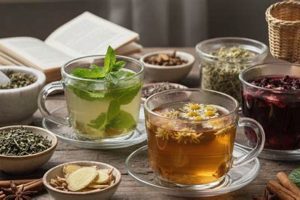
Certain infusions combine botanical ingredients with naturally stimulating components. These beverages offer an alternative to traditional caffeinated drinks such as coffee or black tea. A common example includes yerba mate blended with chamomile flowers.
The appeal of these concoctions lies in the potential synergistic effects. The stimulants provide alertness, while the herbs may contribute complementary benefits, such as relaxation or digestive support. Historically, cultures have explored various plant combinations to achieve desired physiological responses.
The following discussion will delve into the specific ingredients used in these blended beverages, focusing on their individual properties and potential interactions. Considerations regarding safe consumption levels and potential side effects will also be addressed.
Guidance for Informed Consumption
The following recommendations are intended to promote responsible and knowledgeable selection and use of caffeinated herbal infusions.
Tip 1: Ingredient Awareness: Meticulously examine product labels to identify all components. This includes the specific herbs and the source and quantity of the stimulant.
Tip 2: Dosage Adherence: Strictly follow the manufacturer’s recommended brewing times and serving sizes. Over-extraction can lead to increased caffeine levels and potential adverse effects.
Tip 3: Timing Considerations: Avoid consuming these beverages late in the day to minimize disruption of sleep patterns. The stimulant effect can persist for several hours.
Tip 4: Hydration Management: Maintain adequate hydration by drinking sufficient water throughout the day. Diuretic effects may be associated with certain herbs and stimulants.
Tip 5: Interaction Awareness: Individuals taking prescription medications should consult with a healthcare professional to assess potential interactions between herbal constituents and pharmaceuticals.
Tip 6: Monitor Physiological Response: Observe and record any unusual physical or psychological reactions following consumption. Discontinue use if adverse effects are noted.
Tip 7: Source Verification: Purchase products from reputable suppliers that adhere to quality control standards. This helps ensure the purity and safety of the ingredients.
Adhering to these guidelines allows for a more controlled and beneficial experience. Informed consumers are better equipped to mitigate potential risks and maximize the advantages of these blended infusions.
The subsequent sections will address frequently asked questions and offer additional resources for further research.
1. Stimulant Source

The stimulant source is a foundational element in any caffeinated herbal blend. It dictates not only the overall level of stimulation provided by the beverage but also influences the rate of absorption and metabolism of the stimulant compound, most commonly caffeine. Different botanical sources release caffeine at varying speeds. For instance, yerba mate typically offers a sustained release of caffeine compared to guarana, which delivers a more rapid and intense effect. The choice of stimulant source, therefore, impacts the user’s experience, from the onset to the duration of the energizing effects.
Understanding the origin of the stimulant also allows for a more informed assessment of potential side effects. While caffeine is generally considered safe in moderate amounts, individual sensitivities vary. A stimulant source like green tea, in addition to caffeine, provides L-theanine, an amino acid that may mitigate some of the anxiety-inducing effects sometimes associated with caffeine. Conversely, a blend utilizing concentrated caffeine extracts might lack these naturally occurring modulators, potentially amplifying adverse reactions. The stimulant source is, therefore, not simply a means of adding caffeine but a determinant of the beverage’s overall physiological impact.
The selection of the stimulant source and its proper management remains critical. Disregarding can lead to unwanted consequences like heart palpitations or insomnia, and neglecting the nature of the stimulant defeats the essence of producing and consuming herbal tea with caffeine.
2. Herbal Blend

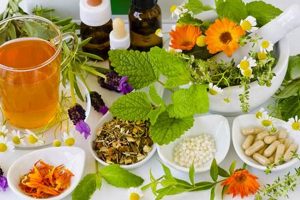
The herbal blend represents the core differentiating factor in stimulant-infused herbal beverages, distinguishing them from simple caffeinated drinks. It is the specific combination of non-stimulating botanical ingredients that imparts unique characteristics and potential complementary effects to the final product.
- Flavor Profile Modulation
The herbal blend significantly influences the taste and aroma. Ingredients such as peppermint, chamomile, or lavender contribute distinct flavors, masking or complementing the inherent bitterness of some stimulant sources. For instance, the inclusion of licorice root adds a natural sweetness, potentially reducing the need for added sugars. This modulation is crucial for consumer acceptance and palatability.
- Synergistic Physiological Effects
Certain herbal combinations are formulated to enhance or counteract specific effects of the stimulant. For example, a blend incorporating valerian root or lemon balm may promote relaxation and mitigate anxiety often associated with caffeine consumption. This synergistic approach allows for a more balanced and nuanced physiological response.
- Nutrient and Antioxidant Contributions
The herbal components contribute valuable nutrients and antioxidants. Ingredients like rooibos or hibiscus are rich in vitamins, minerals, and polyphenols that offer health benefits beyond mere stimulation. These added nutrients can enhance the overall nutritional profile of the beverage.
- Traditional and Cultural Significance
The selection of herbs often reflects traditional medicinal practices and cultural preferences. Certain combinations may be rooted in historical remedies or regional customs. For example, a blend utilizing ginseng and ginger could be inspired by traditional Chinese medicine principles, aligning the beverage with specific health goals.
The interplay between the herbal blend and the stimulant source ultimately defines the unique properties of the combined infusion. A careful selection of herbs can transform a simple stimulant delivery system into a beverage offering a more complex and potentially beneficial experience. Ignoring the blend diminishes the potential benefits these combined products can offer.
3. Caffeine Content

Caffeine content is a pivotal attribute when evaluating infusions that combine botanical ingredients and stimulants. The amount of caffeine present directly influences the physiological effects experienced by the consumer, necessitating careful consideration of its source, concentration, and potential impact.
- Source Variability
Caffeine levels vary substantially depending on the stimulant source used within the herbal blend. For example, beverages utilizing guarana or yerba mate typically exhibit higher caffeine concentrations than those relying on green tea or yaupon holly. The source dictates the inherent caffeine potential, influencing the final product’s stimulating intensity.
- Extraction Efficiency
The method of brewing and the duration of steeping significantly affect the caffeine extracted from the botanical ingredients. Prolonged steeping times and higher water temperatures generally result in increased caffeine release. Variations in preparation techniques can, therefore, lead to inconsistencies in the caffeine content of the consumed beverage.
- Labeling Accuracy
Accurate labeling of caffeine content is essential for informed consumer choices. However, discrepancies between labeled and actual caffeine levels can occur due to variations in raw material sourcing or inconsistencies in manufacturing processes. Consumers must exercise caution and, when possible, seek products from manufacturers with transparent quality control practices.
- Individual Sensitivity
Individual responses to caffeine differ widely based on factors such as body weight, metabolism, and pre-existing health conditions. Even moderate caffeine levels can induce adverse effects, such as anxiety, insomnia, or heart palpitations, in sensitive individuals. Awareness of personal caffeine tolerance is crucial for safe and responsible consumption.
The interconnectedness of these facets highlights the need for a comprehensive understanding of caffeine content in herbal beverages. By considering the source, extraction process, labeling accuracy, and individual sensitivity, consumers can make informed decisions to optimize their experience and mitigate potential risks associated with caffeine consumption.
4. Potential Effects

The intersection of herbal ingredients and stimulant properties creates a spectrum of potential effects, both desirable and undesirable, that warrant careful consideration when consuming caffeinated herbal infusions. Understanding these effects allows for more informed consumption and mitigation of potential risks.
- Enhanced Alertness and Cognitive Function
The caffeine component can induce heightened alertness, improved focus, and enhanced cognitive performance. This effect is often sought to increase productivity or combat fatigue. However, the magnitude and duration of these effects vary depending on the caffeine content and individual sensitivity. Overconsumption can lead to cognitive impairment and anxiety.
- Altered Mood and Emotional State
Caffeine is known to influence mood, often leading to feelings of euphoria or increased sociability. However, in susceptible individuals, it can also trigger anxiety, irritability, or nervousness. The herbal blend can potentially modulate these effects, with some herbs possessing calming properties that counteract the stimulant’s more adverse impacts on emotional state.
- Physiological Responses: Cardiovascular and Digestive
Stimulant beverages can influence cardiovascular function, increasing heart rate and blood pressure. Individuals with pre-existing heart conditions should exercise caution. Furthermore, certain herbal constituents can affect digestive processes, either promoting or inhibiting digestion. Awareness of these physiological responses is crucial for individuals with specific health concerns.
- Sleep Disruption
Caffeine’s stimulatory effects can interfere with sleep patterns, leading to insomnia or reduced sleep quality. The duration of these effects varies, with caffeine remaining in the system for several hours. Consumption close to bedtime should be avoided to minimize sleep disruption. The herbal blend may offer some mitigation, with relaxing herbs potentially counteracting the stimulant’s impact on sleep.
The potential effects of these blended infusions are complex, resulting from the interaction between the stimulant and herbal components. While these beverages can offer benefits such as increased alertness and improved mood, careful consideration of individual sensitivity and potential adverse effects is essential for responsible consumption. Further research is needed to fully elucidate the long-term impacts of these combinations.
5. Consumption Safety
The intersection of “consumption safety” and stimulant-infused botanical beverages is characterized by a complex interplay of factors, demanding careful assessment and informed decision-making. These beverages, by their very nature, present potential risks stemming from both the stimulant component and the herbal constituents. Adverse events can arise from excessive stimulant intake, herb-drug interactions, allergic reactions, or contamination of raw materials. Ignoring such potential can result in various health issues, impacting individual well-being and public health. For example, excessive caffeine consumption can lead to heart palpitations and high blood pressure, which can lead to serious heart problems.
To mitigate such hazards, a multi-faceted approach is crucial. Rigorous quality control measures during manufacturing are paramount, ensuring the purity and accurate labeling of ingredients. Furthermore, consumers must exercise vigilance by carefully reviewing product labels, adhering to recommended serving sizes, and being mindful of their individual sensitivities to both stimulants and herbs. Consulting with healthcare professionals is advisable, especially for individuals with pre-existing medical conditions or those taking medications. This collaborative effort promotes safer consumption practices and minimizes the likelihood of adverse events.
In summary, consumption safety is an indispensable consideration when engaging with stimulant-infused botanical drinks. The unique characteristics of these products necessitate a proactive and informed approach, involving both manufacturers and consumers. By prioritizing quality control, responsible labeling, mindful consumption, and professional consultation, the potential risks associated with these beverages can be effectively managed, fostering a more secure and enjoyable experience. This promotes the broader goal of safeguarding public health and well-being within the context of herbal beverage consumption.
6. Ingredient Interactions

The confluence of herbal and stimulant constituents within combined infusions creates a landscape of potential ingredient interactions, influencing both efficacy and safety. These interactions can manifest as synergistic effects, where the combined action exceeds the sum of individual components, or antagonistic effects, where one ingredient diminishes or negates the action of another. Furthermore, certain herbal compounds can alter the absorption, metabolism, or excretion of caffeine, leading to unpredictable variations in stimulant intensity and duration. Ignoring these interactions risks compromising therapeutic benefits and potentially inducing adverse reactions. For example, St. John’s Wort, sometimes included in herbal blends, can interfere with the metabolism of numerous medications, including those metabolized by the CYP3A4 enzyme system, potentially leading to reduced drug efficacy or increased toxicity. Conversely, some herbs might enhance the stimulatory effects of caffeine, leading to unwanted side effects.
To navigate this complexity, a thorough understanding of the pharmacological properties of each ingredient is crucial. Databases of known herb-drug interactions provide valuable resources for identifying potential risks. Formulators should prioritize evidence-based combinations, relying on scientific studies to support the safety and efficacy of their blends. Furthermore, transparent labeling practices are essential, providing consumers with detailed information about all ingredients and potential interactions. Healthcare professionals, particularly pharmacists and physicians, play a critical role in educating patients about potential risks and advising on safe consumption practices. This necessitates an interdisciplinary approach, bridging the gap between herbal medicine, pharmacology, and clinical practice.
In summary, ingredient interactions represent a critical consideration in the formulation and consumption of combined stimulant and botanical infusions. A comprehensive understanding of these interactions, coupled with responsible formulation practices and informed consumer choices, is essential for maximizing therapeutic benefits and minimizing potential risks. Addressing these challenges requires a collaborative effort between researchers, manufacturers, healthcare professionals, and consumers, ensuring the safe and effective utilization of these complex herbal beverages.
7. Quality Control

Quality control constitutes a critical component in the production of caffeinated herbal infusions, serving as a safeguard for consumer health and product integrity. The inherent complexity of these beverages, arising from the combination of diverse botanical ingredients and stimulants, necessitates stringent measures at every stage of the manufacturing process. Inadequate quality control can result in a multitude of adverse outcomes, ranging from inaccurate caffeine content to contamination with harmful substances, thereby undermining consumer trust and potentially posing serious health risks. For example, the presence of heavy metals or pesticides in herbal ingredients, if undetected, can lead to chronic toxicity upon prolonged consumption. This emphasizes that quality control is not merely a regulatory requirement but an ethical imperative.
The practical application of quality control within this context encompasses several key areas. Raw material sourcing demands rigorous supplier vetting and authentication procedures to ensure the identity and purity of botanical ingredients. Analytical testing is essential for verifying caffeine content, detecting contaminants such as pesticides and heavy metals, and assessing the overall chemical profile of the product. Furthermore, standardized manufacturing processes are crucial for minimizing variability and maintaining consistent quality across different batches. Real-time monitoring of critical control points throughout the production line allows for immediate corrective action in response to deviations from established standards. The implementation of these measures requires a significant investment in infrastructure, personnel training, and analytical equipment, representing a substantial commitment to quality assurance.
In conclusion, quality control is not merely an add-on but an integral element of producing safe and reliable caffeinated herbal infusions. The increasing consumer demand for these beverages underscores the need for manufacturers to prioritize quality assurance, fostering transparency and building trust. While challenges persist in terms of standardizing analytical methods and addressing the variability of botanical ingredients, the adoption of robust quality control practices is essential for ensuring the long-term sustainability and credibility of the industry. Continuous improvement and adherence to the highest standards of quality will ultimately determine the success and acceptance of these combined stimulant and botanical beverages within the marketplace.
Frequently Asked Questions
This section addresses commonly encountered queries and concerns regarding the consumption of combined herbal and stimulant infusions.
Question 1: Is it safe to consume these beverages daily?
Daily consumption should be approached with caution. Individual tolerance to caffeine and specific herbal constituents varies. It is advisable to monitor physiological responses and consult with a healthcare professional, especially for individuals with pre-existing medical conditions.
Question 2: How does the caffeine content compare to coffee?
Caffeine levels can vary widely depending on the ingredients and brewing methods. Some blends may contain caffeine levels comparable to coffee, while others contain significantly less. Checking product labels is crucial for determining the caffeine content per serving.
Question 3: Can these beverages interact with medications?
Potential interactions with medications are a significant concern. Certain herbal constituents can affect the absorption, metabolism, or excretion of various drugs. Consulting with a pharmacist or physician is essential for assessing potential risks.
Question 4: Are there any age restrictions for consumption?
These beverages are generally not recommended for children or adolescents due to the potential adverse effects of caffeine on developing nervous systems. Pregnant or breastfeeding individuals should also exercise caution and consult with their healthcare provider.
Question 5: How can one determine the quality of these products?
Assessing product quality involves scrutinizing the ingredient list, examining manufacturer certifications, and seeking products from reputable suppliers. Transparent sourcing and manufacturing practices indicate a higher level of quality control.
Question 6: Do these beverages offer any health benefits beyond stimulation?
Potential health benefits depend on the specific herbal ingredients included in the blend. Some herbs may possess antioxidant, anti-inflammatory, or adaptogenic properties. However, more research is needed to fully elucidate the health benefits of specific combinations.
In summary, responsible consumption involves being mindful of individual sensitivities, potential interactions, and product quality. Consultation with healthcare professionals is recommended for personalized guidance.
The subsequent section will provide resources for further research and information.
Herbal Tea with Caffeine
This article has explored various facets of herbal tea with caffeine, from the sources of stimulation and the nature of herbal blends to the potential effects, safety considerations, and the critical importance of quality control. The complex interactions between ingredients necessitate informed consumption, vigilance regarding individual sensitivities, and a cautious approach to claims of health benefits beyond simple stimulation. The diverse nature of these beverages demands rigorous labeling practices and transparent manufacturing processes to safeguard consumer well-being.
The future of herbal tea with caffeine hinges on continued research into the specific effects of various combinations, the establishment of standardized quality control measures, and a commitment to responsible marketing practices. A deeper understanding of these complex beverages will enable consumers to make informed choices and mitigate potential risks, fostering a sustainable and credible industry that prioritizes both efficacy and safety.