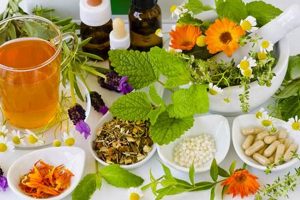
The teachings and practices associated with Dr. John Raymond Christopher form a distinct approach to natural healing. This approach emphasizes the use of herbs and natural remedies to support the body’s inherent ability to heal itself. The core tenets include detoxification, nutritional support, and the use of specific herbal formulas to address various health conditions. A central belief is that restoring the body’s natural balance through proper diet and herbal support is paramount to achieving optimal health.
The significance of this philosophy lies in its holistic approach to wellness. It promotes a lifestyle centered on natural principles, emphasizing preventative care and empowering individuals to take responsibility for their own health. Historically, it has influenced a generation of herbalists and natural health practitioners, contributing to the resurgence of interest in traditional herbal medicine. Its benefits are often cited as improved overall health, reduced reliance on conventional medicine for certain ailments, and a greater understanding of the body’s natural processes.
The subsequent sections will delve into the specific herbal formulas, detoxification methods, and dietary recommendations that constitute this established methodology. Furthermore, it will examine the enduring influence this approach has had on contemporary herbalism and natural health practices.
Guidance for Natural Wellness
The following recommendations, inspired by the core principles, provide a framework for supporting the body’s natural healing capabilities through lifestyle adjustments and herbal supplementation.
Tip 1: Prioritize a Whole Foods Diet: Emphasize consumption of unprocessed, whole foods. A diet rich in fruits, vegetables, and whole grains provides essential nutrients and supports detoxification pathways.
Tip 2: Embrace Herbal Cleansing: Incorporate herbs known for their cleansing properties, such as cascara sagrada or senna, to promote regular bowel movements and eliminate waste products. Consult with a qualified herbalist for appropriate usage.
Tip 3: Support Liver Function: Integrate herbs like milk thistle or dandelion root to assist the liver in its detoxification processes. A healthy liver is crucial for overall well-being.
Tip 4: Nourish the Body with Essential Nutrients: Supplement with vitamins and minerals as needed to address any nutritional deficiencies. Ensure adequate intake of essential fatty acids for cellular health.
Tip 5: Practice Regular Exercise: Engage in physical activity to improve circulation, support detoxification, and reduce stress. Aim for at least 30 minutes of moderate-intensity exercise most days of the week.
Tip 6: Reduce Exposure to Toxins: Minimize contact with environmental toxins by choosing organic foods, using natural cleaning products, and avoiding exposure to pollutants.
Tip 7: Manage Stress Effectively: Implement stress-reducing techniques such as meditation, deep breathing exercises, or spending time in nature. Chronic stress can negatively impact the body’s healing abilities.
Tip 8: Hydrate Adequately: Consume sufficient water throughout the day to support detoxification, nutrient transport, and overall cellular function. Monitor urine color as an indicator of hydration levels.
Adherence to these principles can potentially optimize the body’s natural healing processes and promote long-term health and vitality. It is important to note that herbal remedies and dietary changes should be implemented under the guidance of a qualified healthcare professional.
The subsequent discussion will focus on specific applications of these guidelines and their potential benefits in addressing various health conditions.
1. Herbal Formulations

The herbal formulations are a cornerstone of Dr. Christopher’s approach. They represent a structured application of botanical knowledge intended to support the body’s inherent capacity for self-regulation and healing. The selection and combination of herbs within these formulations reflect an understanding of synergistic effects and targeted action on specific organ systems.
- Specific Organ System Support
These formulations often target particular systems, such as the circulatory, digestive, or nervous systems. For instance, a circulatory formula might include herbs like cayenne pepper to promote blood flow and hawthorn berry to support heart function. The formulations are designed to address the underlying imbalances contributing to specific conditions.
- Synergistic Herbal Combinations
Dr. Christopher’s methodology emphasized the use of multiple herbs in a single formulation to create synergistic effects. This approach posits that combining herbs can enhance their individual therapeutic properties and address multiple aspects of a health condition simultaneously. This careful blending is vital to the efficacy of his work.
- Traditional Knowledge and Application
Many of the herbal formulas reflect traditional herbal knowledge passed down through generations. Dr. Christopher adapted and refined these traditional formulas based on his clinical experience and understanding of human physiology. This blend of historical practice and contemporary application characterizes the approach.
- Availability and Accessibility
Dr. Christopher also focused on the accessibility of these formulations to the general public. He believed that individuals should have the tools to support their own health using natural remedies. Many of his core formulas remain available today, reflecting a commitment to democratizing herbal knowledge.
The significance of herbal formulations within Dr. Christopher’s approach extends beyond simply prescribing individual herbs. It represents a systematic and integrated method for supporting the body’s self-healing capabilities through targeted botanical interventions. The continued availability and application of these formulations demonstrate the enduring impact of his work on contemporary herbalism.
2. Holistic Healing

Holistic healing, an approach that considers the interconnectedness of physical, mental, emotional, and spiritual well-being, forms a fundamental tenet within Dr. Christopher’s herbal legacy. This perspective asserts that optimal health is not merely the absence of disease, but a state of equilibrium across all aspects of an individual’s being.
- Mind-Body Connection
Dr. Christopher’s methodology acknowledged the reciprocal influence between mental and emotional states and physical health. He emphasized the importance of addressing stress, anxiety, and other emotional factors as part of a comprehensive healing strategy. This involved recommending lifestyle practices such as meditation, prayer, and spending time in nature to foster inner peace and emotional resilience, thereby supporting the body’s innate healing mechanisms.
- Individualized Treatment Approach
A core principle of holistic healing is the recognition that each individual is unique and requires a personalized treatment plan. Dr. Christopher stressed the importance of tailoring herbal remedies and lifestyle recommendations to the specific needs and constitution of each patient. This involved a thorough assessment of the patient’s physical condition, emotional state, lifestyle habits, and environmental factors to develop a targeted and effective treatment strategy.
- Emphasis on Preventative Care
Holistic healing prioritizes preventative measures to maintain long-term health and well-being. Dr. Christopher advocated for adopting a lifestyle that supports the body’s natural defenses and minimizes exposure to harmful influences. This included promoting a nutrient-rich diet, regular exercise, adequate rest, and minimizing exposure to toxins. By focusing on prevention, individuals could proactively safeguard their health and reduce the likelihood of developing chronic illnesses.
- Integration of Natural Therapies
Dr. Christopher integrated a range of natural therapies into his holistic approach, including herbal medicine, nutritional supplementation, hydrotherapy, and lifestyle counseling. He believed that these therapies could work synergistically to support the body’s self-healing capabilities. By combining different modalities, Dr. Christopher aimed to address multiple aspects of a person’s health and promote a more complete and lasting recovery.
The facets of holistic healing are deeply embedded within Dr. Christopher’s herbal legacy, emphasizing the interconnectedness of the individual and the necessity of addressing physical, mental, emotional, and spiritual well-being to achieve optimal health. His contributions highlight the significance of personalized care, preventative measures, and natural therapies as components of a comprehensive healing paradigm.
3. Tissue Regeneration

Dr. Christopher’s herbal methodology placed significant emphasis on tissue regeneration as a fundamental aspect of the body’s inherent healing capabilities. The premise is that the body possesses the capacity to repair and rebuild damaged tissues through proper nutritional support and targeted herbal interventions. This perspective diverges from solely symptom-based approaches, focusing instead on addressing the underlying causes of tissue degeneration and promoting the restoration of cellular health.
The use of specific herbal formulations to stimulate tissue regeneration constitutes a core element of his practice. Herbs known for their nutritive and restorative properties, such as comfrey, gotu kola, and horsetail, were frequently incorporated into these formulations. These herbs are believed to provide essential building blocks and stimulate cellular activity necessary for tissue repair. For example, comfrey, though sometimes controversial, was traditionally used to aid in the healing of bone fractures and wounds due to its allantoin content, which is thought to promote cell proliferation. Gotu kola is traditionally valued for its ability to enhance collagen production, crucial for skin and connective tissue regeneration. The effect of these formulations is intended to support the body’s natural regenerative processes, accelerating healing and restoring tissue integrity following injury or disease.
The promotion of tissue regeneration within Dr. Christopher’s work underscores a broader philosophy of empowering individuals to take an active role in their healing process. By providing the body with the necessary nutrients and herbal support, the methodology aims to facilitate optimal tissue repair and overall health restoration. While specific scientific validation of all traditional claims may require further research, the emphasis on tissue regeneration highlights the holistic nature of the approach, focusing on addressing the root causes of illness and supporting the body’s innate ability to heal. This approach underscores the role of proper nutrition, herbal interventions, and lifestyle practices in fostering tissue regeneration and overall wellness.
4. Dietary influence

Dietary influence constitutes a central pillar within Dr. Christopher’s herbal legacy, reflecting a belief that nutrition serves as the foundation for health and the efficacy of herbal remedies. He posited that a diet lacking essential nutrients or laden with processed foods could hinder the body’s ability to heal and diminish the effectiveness of herbal treatments. Therefore, dietary modifications were not merely ancillary recommendations but rather integral components of the overall healing process.
The dietary recommendations often emphasized whole, unprocessed foods, with a strong focus on fruits, vegetables, whole grains, and legumes. Refined sugars, processed fats, and artificial additives were actively discouraged. A practical example of this approach involves the treatment of skin conditions. Dr. Christopher might recommend a diet rich in vitamin A and essential fatty acids, found in foods such as carrots, leafy greens, and flax seeds, alongside specific herbal formulas to promote skin regeneration. Similarly, for digestive issues, the emphasis would be on fiber-rich foods and fermented products to support a healthy gut microbiome. This dietary component works synergistically with herbal remedies, enhancing their therapeutic effects by providing the body with the necessary building blocks for tissue repair and overall well-being.
Understanding the dietary influence within Dr. Christopher’s legacy is practically significant as it highlights the importance of a holistic approach to health. Challenges arise in modern society due to the prevalence of processed foods and dietary misinformation. However, by recognizing the fundamental role of nutrition in supporting the body’s self-healing capabilities, individuals can empower themselves to make informed dietary choices that enhance the efficacy of herbal treatments and promote long-term health. This principle continues to resonate within contemporary herbalism, emphasizing the symbiotic relationship between diet and herbal medicine in achieving optimal wellness.
5. Detoxification Emphasis

The emphasis on detoxification occupies a critical position within Dr. Christopher’s herbal legacy. It underscores the belief that accumulated toxins within the body can impede its natural healing processes and contribute to various health conditions. As such, detoxification protocols are frequently integrated into his holistic approach to wellness.
- Herbal Cleansing Formulas
Dr. Christopher often employed specific herbal formulas designed to promote the elimination of toxins from the body. These formulas typically contained herbs with laxative, diuretic, or diaphoretic properties. Examples include cascara sagrada, dandelion root, and burdock root. The intention was to stimulate the body’s natural detoxification pathways, facilitating the removal of waste products and promoting overall system balance. The efficacy of this facet hinges on the appropriate use of herbs, recognizing that improper application can lead to adverse effects.
- Dietary Modifications for Detoxification
In addition to herbal remedies, dietary modifications played a crucial role in supporting detoxification. Emphasis was placed on consuming whole, unprocessed foods, with an increased intake of fruits, vegetables, and fiber. The avoidance of processed foods, refined sugars, and saturated fats was also stressed, as these substances were believed to contribute to toxin accumulation. For instance, recommending a diet rich in cruciferous vegetables like broccoli and kale, known for their detoxification-enhancing properties, formed a standard practice.
- Hydrotherapy Applications
Hydrotherapy, the use of water for therapeutic purposes, constituted another facet of Dr. Christopher’s detoxification protocols. Techniques such as colonic irrigation and contrast hydrotherapy were sometimes employed to stimulate elimination and improve circulation. Colonics, in particular, were intended to remove accumulated waste from the colon, while contrast hydrotherapy involved alternating between hot and cold water applications to enhance blood flow and promote detoxification through the skin.
- Lifestyle Factors and Toxin Reduction
Beyond specific treatments, Dr. Christopher emphasized the importance of lifestyle factors in minimizing toxin exposure. This included advocating for the use of natural cleaning products, avoiding environmental pollutants, and managing stress levels. Stress, in particular, was considered a contributing factor to toxin accumulation due to its impact on the body’s endocrine and immune systems.
These facets collectively illustrate the holistic approach to detoxification within Dr. Christopher’s herbal legacy. The integration of herbal remedies, dietary modifications, hydrotherapy, and lifestyle adjustments aimed to support the body’s natural ability to eliminate toxins and restore optimal health. Contemporary practitioners often adapt these principles, though scientific scrutiny of specific detoxification claims remains an ongoing process.
6. Natural Approach

The “natural approach” is intrinsically linked to Dr. Christopher’s herbal legacy, serving as a foundational principle that permeated his philosophy and practice. This orientation dictated a preference for methods that work in harmony with the body’s inherent healing mechanisms, minimizing reliance on synthetic interventions.
- Emphasis on Herbal Remedies
The core of the natural approach involved the utilization of herbs as primary therapeutic agents. Dr. Christopher advocated for herbal formulations derived from whole plants, believing they possessed a complex synergy of compounds that synthetic drugs could not replicate. For instance, rather than using isolated chemicals for pain relief, he favored herbal combinations known for their analgesic and anti-inflammatory properties. This preference for whole-plant remedies underscored the commitment to working with the body’s natural processes rather than suppressing symptoms.
- Dietary Interventions Focused on Whole Foods
Dietary modifications played a crucial role in the natural approach. Emphasis was placed on consuming whole, unprocessed foods, prioritizing fruits, vegetables, and whole grains. The exclusion of refined sugars, processed fats, and artificial additives was a common recommendation. For example, in addressing digestive disorders, Dr. Christopher often prescribed a diet rich in fiber and fermented foods to support a healthy gut microbiome, aligning with the body’s natural digestive processes.
- Lifestyle Adjustments Promoting Well-being
The natural approach extended beyond herbal and dietary interventions to encompass lifestyle adjustments that supported overall well-being. Regular exercise, adequate rest, and stress management techniques were integral components of the methodology. Recognizing the interconnectedness of mind and body, Dr. Christopher advocated for practices such as meditation and spending time in nature to promote emotional and mental balance, further enhancing the body’s capacity for self-healing.
- Minimizing Synthetic Pharmaceuticals
While not entirely dismissive of conventional medicine, the natural approach prioritized natural remedies as the first line of defense. Synthetic pharmaceuticals were generally reserved for situations where natural methods proved insufficient or in emergency situations. The focus remained on supporting the body’s innate ability to heal, rather than relying solely on external interventions to suppress symptoms or override natural processes. This reflects a foundational belief in the body’s inherent wisdom and capacity for self-regulation.
These facets collectively illustrate how the natural approach served as a guiding principle within Dr. Christopher’s herbal legacy. By prioritizing herbal remedies, whole foods, lifestyle adjustments, and minimizing reliance on synthetic pharmaceuticals, the methodology sought to work in harmony with the body’s natural healing mechanisms, promoting holistic wellness and empowering individuals to take an active role in their health. This emphasis on natural methods continues to resonate with practitioners and individuals seeking alternative approaches to health and healing.
Frequently Asked Questions Regarding Dr. Christopher’s Herbal Legacy
The following addresses common inquiries and clarifies aspects of the approach to herbalism and natural healing associated with Dr. John Christopher.
Question 1: What distinguishes the approach to herbalism associated with Dr. Christopher from other herbal traditions?
This approach emphasizes whole-body wellness and integrates herbal remedies with dietary and lifestyle modifications. It stresses the synergistic use of multiple herbs within a single formulation to address the underlying causes of imbalances, rather than merely treating symptoms. It promotes accessibility of information for self-healing.
Question 2: Is Dr. Christopher’s approach scientifically validated?
While some aspects of the tradition align with modern scientific understanding, direct scientific validation of all tenets remains limited. Many individual herbs have been studied, but the synergistic effects of specific formulations require further investigation. The principles of a whole-foods diet and lifestyle factors align with current health recommendations.
Question 3: Are the herbal formulations safe?
As with any therapeutic intervention, the potential for adverse effects exists. Individuals with pre-existing medical conditions, pregnant or breastfeeding women, and those taking prescription medications should consult a qualified healthcare practitioner before using any herbal formulations. Proper dosage and understanding of potential interactions are essential.
Question 4: How does one determine the appropriate herbal remedy for a specific condition?
This methodology stresses the importance of individual assessment. A thorough evaluation of symptoms, medical history, and lifestyle factors is necessary to determine the most suitable herbal approach. Consulting with a qualified herbalist is recommended to ensure proper diagnosis and treatment.
Question 5: Can this approach replace conventional medical care?
It should not be considered a replacement for conventional medical care, particularly in acute or emergency situations. This approach functions as a complementary modality that can support overall well-being and potentially enhance the efficacy of conventional treatments. Collaboration with a qualified healthcare professional is crucial.
Question 6: Where can one find reliable information and resources?
Reliable information can be found in publications authored by Dr. Christopher and his students, as well as from reputable herbal organizations and educational institutions. Exercise caution when evaluating information from online sources and always consult with a qualified healthcare practitioner before implementing any new health regimen.
The information provided in this FAQ is intended for general knowledge and informational purposes only, and does not constitute medical advice. It is essential to consult with a qualified healthcare practitioner for any health concerns or before making any decisions related to healthcare or treatment.
The subsequent section will explore the influence on modern herbalism.
Conclusion
The preceding exploration has illuminated the core tenets of the established approach to natural healing. Key areas of focus have encompassed herbal formulations, holistic healing, tissue regeneration, dietary influence, detoxification emphasis, and a generally natural methodology. Each component intertwines to form a structured system aimed at supporting the body’s inherent capacity for self-regulation and healing, influencing a generation of herbalists and natural health practitioners. The principles and methodologies continue to be studied and applied within contemporary herbalism.
Continued research into the specific mechanisms of action of herbal remedies, coupled with rigorous clinical trials, will be instrumental in validating traditional knowledge and informing evidence-based practices. Individuals are encouraged to seek guidance from qualified healthcare practitioners and engage in informed decision-making regarding their health. Understanding the full context of this practice and its potential benefits, or limitations, is crucial for appropriate and responsible application.