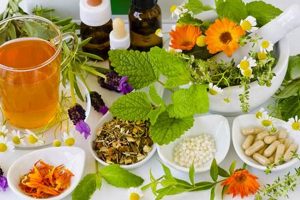
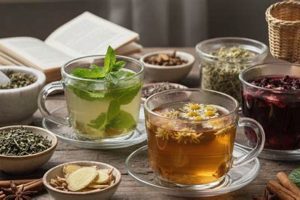
Infusions crafted from dried herbs, flowers, fruits, and spices, presented in a non-bagged format, offer a distinct beverage experience. This form allows for a greater surface area of the plant material to interact with the hot water, potentially leading to a richer and more nuanced flavor profile compared to its processed counterparts. Chamomile flowers, peppermint leaves, or hibiscus petals are commonly used examples of this type of preparation.
The advantages of utilizing this preparation method are multifaceted. The absence of tea bags reduces waste and allows for greater control over the strength and quantity of the brew. Historically, this was the prevalent method of preparing such infusions, connecting modern consumers with traditional practices. Furthermore, many proponents suggest that it allows the ingredients to retain more of their beneficial compounds, leading to an enhanced wellness experience.
This article will further explore the various aspects of this preparation method, including selection, preparation techniques, storage best practices, and potential health considerations. Subsequent sections will delve into specific herbal blends and their associated characteristics, providing a comprehensive guide for enthusiasts and newcomers alike.
Preparation and Enjoyment Guidance
Maximizing the experience with preparations of dried botanicals requires attention to detail throughout the process, from selection to consumption.
Tip 1: Source Quality Ingredients. Procurement from reputable suppliers ensures freshness and minimizes the risk of contaminants. Examine the material for vibrant color, intact structure, and minimal dust or debris.
Tip 2: Utilize Appropriate Water Temperature. Boiling water can scorch delicate herbs, resulting in a bitter taste. Aim for a temperature range of 175-200F (80-93C) depending on the specific blend. Lighter, more delicate herbs benefit from lower temperatures.
Tip 3: Employ Accurate Measurement. A general guideline is one teaspoon of material per cup of water, but adjustments can be made according to personal preference. Consistency in measurement ensures reproducible results.
Tip 4: Adhere to Optimal Steeping Times. Steeping times typically range from 5 to 10 minutes. Over-steeping can release tannins and create a bitter flavor. Shorter steeping times result in a weaker brew.
Tip 5: Employ Proper Filtration. Infusion baskets, strainers, or French presses effectively separate the liquid from the solid material. Avoid leaving the plant matter in the water for extended periods after steeping is complete.
Tip 6: Experiment with Blends. Combining different herbs and spices allows for the creation of unique flavor profiles. Consider the potential synergistic effects of different ingredients.
Tip 7: Store Properly. Airtight containers, stored in a cool, dark, and dry location, preserve the freshness and potency of the ingredients. Exposure to light, heat, and moisture degrades quality over time.
Tip 8: Consider Water Quality. Filtered water, free from chlorine and other impurities, provides a cleaner and more neutral base for the infusion, allowing the delicate flavors to shine.
By adhering to these guidelines, one can enhance the sensory experience and potentially maximize the therapeutic benefits associated with these preparations.
The following sections will explore specific herbal varieties and their unique characteristics in greater detail.
1. Source Transparency

The concept of source transparency, when applied to unbagged infusions, directly impacts product quality and consumer confidence. The origin, cultivation methods, and processing techniques applied to botanicals significantly influence the presence of beneficial compounds, potential contaminants, and overall flavor profile. Lack of transparency creates uncertainty regarding these factors, increasing the risk of consuming adulterated or substandard goods. For instance, herbs sourced from regions with lax environmental regulations may contain higher levels of pesticides or heavy metals. Similarly, inadequate drying or storage practices during processing can lead to mold growth or degradation of essential oils.
Real-world examples underscore the practical significance of this connection. In 2013, a study revealed widespread adulteration of commercially available herbal products, including unbagged varieties, with ingredients not listed on the label. This underscores the necessity of scrutinizing supplier credentials and seeking certifications that verify authenticity and quality. Companies committed to transparency typically provide detailed information regarding their sourcing practices, including farm locations, organic certifications, and quality control measures. Consumers can also independently verify claims by researching the reputation of the supplier and consulting with independent testing laboratories.
In conclusion, source transparency is not merely a marketing buzzword but a critical component of ensuring the safety, efficacy, and authenticity of preparations utilizing dried botanicals. While challenges remain in establishing complete traceability throughout the supply chain, prioritizing transparency empowers consumers to make informed purchasing decisions and supports ethical and sustainable sourcing practices. A commitment to verifying the origin and quality of ingredients, therefore, enhances the enjoyment and potential health benefits associated with this beverage choice.
2. Optimal Steep Time

The duration of immersion, or steep time, is a critical variable influencing the final characteristics of infusions prepared with dried botanicals. Precise control over this parameter is paramount for extracting the desired flavor compounds and avoiding undesirable outcomes, particularly when dealing with unbagged preparations.
- Extraction of Volatile Oils and Flavonoids
The initial phase of steeping primarily involves the release of volatile oils and flavonoids, which contribute to the aromatic profile and subtle nuances of the beverage. Insufficient steep time results in a weak and underdeveloped flavor profile. Conversely, prolonged immersion can lead to the extraction of less desirable compounds.
- Release of Tannins and Bitter Compounds
Extended steeping times increase the release of tannins, which impart a bitter and astringent taste. While some individuals may find a degree of bitterness palatable, excessive tannin extraction generally detracts from the overall drinking experience. The specific threshold for bitterness varies depending on the type of botanical used.
- Impact on Bioactive Compound Availability
The availability of specific bioactive compounds, such as antioxidants and anti-inflammatory agents, is influenced by steep time. Optimal extraction of these compounds may require a specific duration of immersion, which must be balanced against the potential for tannin release. Research into specific botanical properties is essential for maximizing potential health benefits.
- Textural Considerations
Steep time also impacts the textural qualities of the beverage. Prolonged immersion can lead to the disintegration of delicate plant material, resulting in a sediment-rich infusion. This may be undesirable for some consumers, necessitating the use of fine-mesh filters or strainers.
The determination of optimal steep time for a specific preparation requires careful consideration of the botanical composition, desired flavor profile, and individual preferences. Experimentation and precise control over the steeping process are essential for achieving consistent and satisfying results when using unbagged botanical blends. Adhering to recommended guidelines, while also adjusting to individual tastes, ultimately enhances the enjoyment and maximizes the potential benefits associated with this method of preparation.
3. Water Temperature Control

Water temperature control is a crucial factor in extracting the desired flavors and beneficial compounds from preparations using dried botanicals in unbagged form. The impact of water temperature is multifaceted, influencing both the taste profile and the chemical composition of the resulting infusion. Inadequate temperature control, specifically deviations from recommended ranges, can lead to undesirable outcomes, such as bitterness, a lack of flavor, or the destruction of delicate aromatic compounds. For example, pouring boiling water (212F/100C) directly onto delicate herbs like chamomile or lavender can scorch the plant material, releasing bitter compounds and diminishing the subtle floral notes. Conversely, using water that is too cool may result in an under-extracted and weak brew, failing to fully release the beneficial properties of the herbs.
Optimal temperature ranges vary depending on the type of botanical being used. Delicate floral and leafy herbs generally benefit from lower temperatures, typically between 170-185F (77-85C). This range allows for the gentle extraction of essential oils and flavonoids without causing scorching or bitterness. More robust ingredients, such as roots, barks, and spices, can withstand higher temperatures, ranging from 200-212F (93-100C), allowing for a more thorough extraction of their complex flavor profiles and bioactive compounds. Practical application involves using a thermometer to accurately measure water temperature or utilizing a variable-temperature kettle. Seasoned practitioners often rely on visual cues, such as observing the size and frequency of bubbles forming in the kettle, to estimate temperature. Deviation from recommended temperatures directly affects the resulting brew, influencing flavor intensity, aroma, and the presence of beneficial compounds. Therefore, precise control is essential for achieving consistent and satisfactory results.
In summary, water temperature control is not merely a minor detail but a fundamental element in the preparation of infusions from dried botanicals. By understanding the specific temperature requirements of different herbs and spices, practitioners can optimize the extraction process, resulting in a more flavorful, aromatic, and potentially therapeutic beverage. While achieving precise temperature control may require some initial investment in equipment and experimentation, the resulting improvement in quality justifies the effort. Overcoming the challenges associated with temperature regulation is paramount to consistently producing high-quality infusions and unlocking the full potential of unbagged herbal ingredients.
4. Filtration Method

The filtration method employed in the preparation of infusions using unbagged herbs significantly impacts the clarity, sediment content, and overall palatability of the final beverage. Selection of an appropriate method directly influences the drinking experience.
- Infusion Baskets and Strainers
Infusion baskets, typically made of stainless steel mesh, are designed to hold the loose herbs within a teapot or mug during steeping. Strainers, similarly constructed, are used to separate the liquid from the spent plant material after steeping is complete. These methods are convenient and relatively inexpensive, but may allow fine particles to pass through, resulting in a slightly cloudy beverage. Examples include fine mesh strainers and teapot with integrated infusers. The implication is a balance between convenience and ultimate clarity.
- French Press Systems
French presses utilize a mesh filter attached to a plunger to separate the brewed infusion from the grounds. This method generally provides a more thorough filtration compared to baskets and strainers, resulting in a clearer beverage with less sediment. However, fine particles may still pass through the filter, particularly if the mesh is damaged or worn. An example includes stainless steel French presses. French presses allow for full immersion steeping with relatively effective filtration.
- Cloth Filters
Cloth filters, such as those made from muslin or cheesecloth, offer a high degree of filtration, effectively removing even the finest particles from the infusion. This method produces a remarkably clear beverage, but requires more effort to clean and maintain. Moreover, cloth filters can absorb flavors and oils from the herbs, potentially affecting the taste profile of subsequent brews. An example includes using a coffee sock or nut milk bag. Cloth filters demand more maintenance but can achieve superior clarity.
- Paper Filters
Paper filters, commonly used in coffee preparation, can also be employed for filtering infusions made with dried botanicals. This method provides excellent filtration, removing virtually all sediment from the beverage. However, paper filters can also strip away some of the desirable oils and flavor compounds, resulting in a less nuanced and potentially bland infusion. An example includes using a pour-over coffee filter. Paper filtration is effective for sediment removal but may sacrifice flavor complexity.
These diverse methods each present a trade-off between convenience, clarity, and potential flavor alteration. The selection of a suitable filtration technique depends on individual preferences and the specific characteristics of the herbal blend being used. Experimentation and evaluation are critical for determining the optimal method for achieving the desired drinking experience.
5. Storage Conditions

The preservation of the quality and efficacy of unbagged dried botanicals hinges directly on the prevailing storage conditions. Improper storage accelerates degradation, diminishing the sensory attributes and therapeutic potential of the material. The factors detailed below are crucial for maintaining optimal integrity.
- Light Exposure
Prolonged exposure to light, particularly ultraviolet radiation, degrades sensitive compounds within dried herbs. Chlorophyll, carotenoids, and volatile oils are susceptible to photodegradation, leading to diminished color, aroma, and flavor. Storage in opaque containers, such as dark glass jars or tins, effectively mitigates this process. Real-world examples include herbs stored on sunlit shelves rapidly losing their vibrant color and aroma compared to those kept in dark pantries. Implications include a weaker, less potent final product.
- Temperature Fluctuations
Significant temperature variations accelerate the decomposition of volatile oils and other heat-sensitive components. Elevated temperatures promote oxidation and enzymatic activity, leading to a loss of flavor and potency. Maintaining a consistent, cool storage environment, ideally below 70F (21C), minimizes these effects. Instances include storage near ovens or in uninsulated attics leading to rapid quality decline. Consistent, cool temperature is vital.
- Moisture Content
Excessive humidity promotes microbial growth, including mold and bacteria, which can render the herbs unusable and potentially hazardous. Moreover, moisture absorption can lead to clumping and caking, reducing the surface area available for infusion and affecting extraction efficiency. Storage in airtight containers with desiccant packets can help maintain a low moisture content. A real-world example is herbs left in open containers becoming moldy in humid climates. Airtight containers are crucial for maintaining dryness.
- Air Exposure
Exposure to atmospheric oxygen facilitates oxidation reactions, leading to a loss of flavor and potency. This is particularly relevant for herbs rich in volatile oils. Storing in airtight containers minimizes oxygen exposure and retards oxidation processes. Vacuum sealing represents an extreme example of this approach. The less exposure to air, the better to maintain desired characteristics of the dried botanicals.
These facets illustrate the interconnectedness of storage conditions and the overall quality of infusions created with dried botanicals. Adhering to these best practices ensures the preservation of flavor, aroma, and potentially therapeutic benefits, enhancing the overall consumption experience and maximizing the value of the ingredients.
6. Flavor Combinations

The strategic blending of botanicals in loose-leaf infusions presents a unique opportunity to create nuanced flavor profiles and potentially enhance therapeutic properties. The absence of pre-determined flavor profiles, characteristic of commercially bagged offerings, allows for personalized customization and the exploration of synergistic effects between different herbs, spices, and fruits.
- Complementary Blending
This approach involves combining botanicals with similar or harmonizing flavor characteristics to create a balanced and unified infusion. For example, pairing chamomile, known for its floral and slightly sweet notes, with lavender, which possesses a similar aromatic profile, results in a calming and soothing blend. A real-world example of complementary blending is the combination of peppermint and spearmint for an enhanced minty flavor, or rosehips and hibiscus for a fruity and tart infusion. The implication is a smoother, more rounded flavor experience.
- Contrasting Blending
This technique involves juxtaposing botanicals with opposing or contrasting flavor attributes to create a more complex and stimulating infusion. For example, pairing the sweetness of licorice root with the spiciness of ginger results in a balanced yet intriguing blend. A real-world example includes combining the earthy notes of dandelion root with the citrusy zest of lemon peel. The implication is heightened sensory stimulation and more layered flavor complexity.
- Functional Blending
This approach focuses on combining botanicals with specific health-promoting properties, aiming to create a synergistic effect. For example, combining echinacea, known for its immune-boosting properties, with elderflower, which possesses antiviral and anti-inflammatory effects, results in a potent remedy for combating colds and flu. A real-world example includes combining valerian root with passionflower to promote relaxation and sleep. The implication is the potential for enhanced therapeutic benefits.
- Regional Blending
This method involves combining botanicals that are traditionally associated with a specific geographic region or culinary tradition. For example, creating a “Provenal Blend” by combining lavender, rosemary, and thyme, reflecting the flavors of southern France. A real-world example includes creating a “Moroccan Mint” blend by combining spearmint with green tea, as commonly enjoyed in North Africa. The implication is a connection to cultural traditions and unique flavor profiles.
The exploration of diverse blending techniques allows for a personalized and enriching experience with loose-leaf infusions. Experimentation and careful consideration of flavor profiles and potential health benefits are key to creating customized blends that cater to individual preferences and needs. This approach elevates the simple act of preparing an infusion into a creative and rewarding culinary practice.
Frequently Asked Questions
This section addresses common inquiries regarding the preparation, storage, and consumption of herbal infusions crafted from unbagged botanicals. The information provided aims to clarify misconceptions and provide practical guidance for optimal enjoyment.
Question 1: What distinguishes herbal tea loose leaf from conventional bagged tea?
The primary distinction lies in the presentation of the plant material. Loose leaf preparations consist of whole or coarsely cut dried herbs, flowers, fruits, or spices, while bagged tea typically contains finely ground or fragmented material. This difference affects flavor extraction and potential for a richer sensory experience.
Question 2: How should herbal tea loose leaf be stored to maintain freshness and potency?
Optimal storage requires airtight containers, shielded from light, heat, and moisture. Dark glass jars or tins are recommended. A cool, dry pantry is a suitable storage location. Proper storage minimizes degradation and preserves the integrity of the botanical material.
Question 3: What is the recommended water temperature for preparing herbal tea loose leaf?
Water temperature varies depending on the specific herbs being used. Delicate floral and leafy herbs generally require lower temperatures (170-185F/77-85C) to prevent scorching and bitterness. Robust roots, barks, and spices can withstand higher temperatures (200-212F/93-100C).
Question 4: Is it necessary to filter herbal tea loose leaf after steeping?
Filtration is recommended to remove the spent plant material and prevent over-extraction, which can lead to bitterness. Various filtration methods exist, including infusion baskets, strainers, and French presses. The choice of method depends on individual preferences.
Question 5: Can herbal tea loose leaf be re-steeped?
Some herbs can be re-steeped, though the flavor and potency may diminish with each subsequent infusion. More robust herbs, such as roots and barks, generally retain flavor longer than delicate flowers and leaves. Experimentation is recommended to determine optimal re-steeping practices.
Question 6: Are there any potential health concerns associated with herbal tea loose leaf consumption?
Certain herbs may interact with medications or pose risks for individuals with specific health conditions. Consulting with a healthcare professional is advisable before consuming large quantities or using herbal infusions for therapeutic purposes. Allergic reactions are also possible, so caution is warranted when trying new herbal blends.
The answers provided above offer a fundamental understanding of key considerations when engaging with unbagged herbal infusions. Further research and experimentation are encouraged to refine individual preparation and consumption practices.
The subsequent section will delve into common herbal varieties and their distinctive characteristics, providing a comprehensive guide for both novices and experienced enthusiasts.
Conclusion
The preceding sections have explored various facets of “herbal tea loose leaf,” encompassing preparation techniques, storage protocols, and potential health considerations. A meticulous approach to each of these areas ensures both optimal flavor extraction and preservation of beneficial compounds. The selection of high-quality ingredients, precise temperature control, and appropriate filtration methods are critical for achieving consistent and satisfying results. Source transparency remains paramount in verifying the integrity of the botanical material.
Engaging with “herbal tea loose leaf” represents more than a simple beverage choice; it signifies a commitment to mindful consumption and an appreciation for the nuanced flavors inherent in the natural world. Continued exploration and adherence to established best practices will undoubtedly enhance the understanding and enjoyment of this time-honored tradition. Individuals are encouraged to critically evaluate available information and tailor their practices to align with specific health needs and preferences. The future of “herbal tea loose leaf” rests on informed consumers who prioritize quality and sustainability.