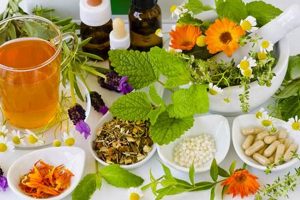
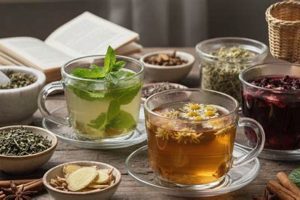
Botanical substances, sometimes referred to as phytohormones or phytoestrogens, are employed by some individuals as an alternative approach to managing hormonal imbalances. These plant-derived compounds are believed to mimic or modulate the effects of naturally occurring hormones within the human body. For example, soy isoflavones are sometimes taken by women experiencing menopausal symptoms, with the expectation that these compounds will alleviate hot flashes and other related discomforts.
Throughout history, various cultures have utilized plants for their perceived medicinal properties, including their impact on endocrine function. The growing interest in holistic health practices has fueled renewed attention to these traditional remedies. Advocates propose that such methods offer a more natural and potentially gentler means of addressing hormonal fluctuations that occur throughout different life stages.
The subsequent discussion will delve into the various types of plant-based compounds used in this context, exploring their purported mechanisms of action and the existing scientific evidence supporting their efficacy and safety. Furthermore, it will address the potential risks and contraindications associated with their use and the importance of consulting with qualified healthcare professionals before incorporating them into any health regimen.
Guidance on Botanical Approaches to Hormonal Modulation
The following guidance outlines key considerations regarding the use of plant-derived substances intended to influence hormonal balance. It is imperative to approach this topic with careful consideration of scientific evidence and professional medical advice.
Tip 1: Prioritize Consultation with Qualified Healthcare Providers: Before initiating any botanical regimen, consult with a physician, endocrinologist, or qualified herbalist. Professional assessment is crucial to identify underlying hormonal imbalances and determine the appropriateness of botanical interventions.
Tip 2: Research Specific Botanical Compounds Thoroughly: Conduct in-depth research on the specific plant extracts being considered. Investigate documented mechanisms of action, potential side effects, drug interactions, and contraindications. Credible sources include peer-reviewed scientific literature and reputable databases.
Tip 3: Understand Dosage and Standardization: Pay close attention to recommended dosages and the standardization of herbal extracts. Ensure that products are sourced from reputable manufacturers who adhere to quality control standards. Standardized extracts offer more consistent levels of active compounds.
Tip 4: Monitor for Efficacy and Adverse Effects: Carefully monitor for both the intended therapeutic effects and any potential adverse reactions. Keep a detailed log of symptoms and communicate any concerns promptly to a healthcare provider. Adjustments to dosage or discontinuation of the regimen may be necessary.
Tip 5: Be Aware of Potential Interactions: Be vigilant about potential interactions between botanical substances and prescription medications, over-the-counter drugs, or other supplements. Certain plant compounds can alter the metabolism or effectiveness of other substances, leading to unpredictable outcomes.
Tip 6: Exercise Caution with Long-Term Use: The long-term effects of many botanical substances on hormonal balance are not fully understood. Periodic reassessment by a healthcare provider is advisable to evaluate the ongoing necessity and safety of the regimen.
Tip 7: Recognize Individual Variability: Responses to botanical interventions can vary significantly among individuals due to factors such as genetics, lifestyle, and underlying health conditions. What works for one person may not work for another.
Adherence to these guidelines underscores the importance of a cautious, informed, and collaborative approach when considering plant-derived substances for hormonal modulation. Safety and efficacy are paramount and should be continually evaluated under professional guidance.
The subsequent sections will address specific botanical options often discussed in the context of hormonal balance and delve deeper into the supporting and conflicting evidence surrounding their usage.
1. Botanical Source Identification

The precise identification of the botanical source is a fundamental prerequisite for the safe and effective application of plant-derived substances intended to modulate hormonal activity. Lack of accurate botanical identification introduces significant risk, as different plant species, even within the same genus, can exhibit vastly different chemical compositions and physiological effects. The purported benefits associated with what is broadly termed “herbal hormone replacement” are contingent on the specific bioactive compounds present in the designated plant material. An example of this criticality is seen with black cohosh (Actaea racemosa); adulteration with Asian varieties (Actaea asiatica) which contain different, potentially harmful, compounds has been documented, leading to adverse health outcomes for consumers seeking relief from menopausal symptoms. Therefore, correct species-level identification and rigorous quality control measures are paramount.
The supply chain complexities associated with herbal products further emphasize the importance of meticulous botanical authentication. From cultivation and harvesting to processing and manufacturing, opportunities for misidentification or substitution exist at each stage. Microscopic examination, DNA barcoding, and chemical fingerprinting techniques are employed to verify the authenticity of raw materials and finished products. These analytical methods are indispensable for ensuring that the intended plant species is present and that adulterants or contaminants are absent. Furthermore, Geographic origin often influences the chemical profile of a plant and the quantity of its bioactive components, due to environmental conditions, soil and weather variation. For example, studies on St. John’s Wort have shown differences in hypericin content, depending on its geographical location.
In summary, the integrity of “herbal hormone replacement” strategies relies heavily on accurate botanical source identification. Without verifiable authentication, the potential for therapeutic efficacy is compromised, and the risk of adverse health consequences is amplified. Robust quality control measures, advanced analytical techniques, and responsible sourcing practices are essential to safeguard consumers and promote the responsible use of plant-derived compounds for hormonal modulation. The establishment of standardized procedures for botanical identification and authentication is a crucial step towards establishing a more reliable and evidence-based approach to this area of complementary and alternative medicine.
2. Phytoestrogen Mechanisms of Action

The concept of “herbal hormone replacement” often centers on the influence of phytoestrogens, plant-derived compounds with structural similarities to mammalian estrogens. The mechanisms by which these compounds exert their effects are complex and not fully elucidated, contributing to the ongoing debate regarding their efficacy and safety. Phytoestrogens can interact with estrogen receptors (ER and ER) within human cells, potentially mimicking or blocking the effects of endogenous estrogens. The affinity and selectivity for these receptors vary among different phytoestrogens, leading to diverse downstream effects. For example, genistein, an isoflavone found in soy, exhibits a higher affinity for ER, which is predominantly expressed in bone and cardiovascular tissues, while other phytoestrogens may preferentially bind to ER, primarily located in reproductive tissues. This differential receptor binding could theoretically explain the tissue-specific effects observed with certain botanical interventions. The ultimate physiological outcome is influenced by several factors, including the concentration of phytoestrogens, the presence of endogenous estrogens, and the individual’s genetic background and hormonal status.
Beyond direct receptor binding, phytoestrogens may also influence estrogen metabolism and synthesis. Some compounds can inhibit aromatase, the enzyme responsible for converting androgens into estrogens, potentially reducing estrogen levels in certain tissues. Others may affect the production of sex hormone-binding globulin (SHBG), a protein that binds to estrogens and androgens in the bloodstream, altering the bioavailability of these hormones. The clinical relevance of these indirect effects remains a topic of active investigation. The implications for individuals using “herbal hormone replacement” strategies is that the observed effects are unlikely to precisely replicate the actions of conventional hormone replacement therapy. The subtle and multifaceted mechanisms of phytoestrogens contribute to a more nuanced hormonal modulation, which may be preferable for some individuals but insufficient for others. Furthermore, the potential for both estrogenic and anti-estrogenic effects necessitates careful consideration and monitoring.
In conclusion, understanding the mechanisms of action of phytoestrogens is critical for evaluating the potential benefits and risks associated with “herbal hormone replacement.” The complex interplay between receptor binding, estrogen metabolism, and individual factors underscores the importance of personalized assessment and monitoring. While phytoestrogens offer a potentially milder approach to hormonal modulation, their effects are not equivalent to those of conventional hormone replacement therapy. Further research is needed to fully elucidate the long-term consequences of phytoestrogen exposure and to identify the optimal strategies for their safe and effective use.
3. Dosage Standardization Challenges

The concept of “herbal hormone replacement” faces a significant hurdle in the area of dosage standardization. Unlike conventional hormone replacement therapy, which involves synthetic hormones produced under controlled conditions with precisely defined dosages, botanical products often exhibit substantial variability in the concentration of active constituents. This variability stems from several factors, including differences in plant genetics, growing conditions, harvesting methods, and extraction processes. Consequently, the amount of phytoestrogens or other hormonally active compounds present in a given dose of an herbal product can vary considerably, even between different batches of the same product from the same manufacturer. This inconsistency poses a challenge to achieving consistent therapeutic effects and increases the risk of both under-dosing, leading to a lack of efficacy, and over-dosing, potentially resulting in adverse side effects. For example, the concentration of isoflavones in different soy-based supplements intended for menopausal symptom relief can vary by as much as tenfold, making it difficult for consumers to determine an appropriate and safe dosage.
The lack of rigorous regulatory oversight in the herbal supplement industry further exacerbates the dosage standardization problem. While some manufacturers adhere to Good Manufacturing Practices (GMPs), which require quality control measures to ensure product consistency, others may not. Furthermore, the absence of standardized analytical methods for quantifying active compounds in herbal products makes it difficult for both manufacturers and consumers to assess the true potency of a given product. Compounding this challenge is the fact that the bioavailability of phytoestrogens can vary among individuals, depending on factors such as gut microbiota composition and metabolic rate. This inter-individual variability means that the same dose of an herbal product may produce different effects in different people. The practical implications of these dosage standardization challenges are significant. Consumers using “herbal hormone replacement” strategies may experience unpredictable and inconsistent results, making it difficult to assess whether the product is actually working and whether it is safe. Healthcare providers may also find it challenging to provide informed recommendations, as they lack reliable information about the actual dosage and potency of the products their patients are using.
In conclusion, dosage standardization represents a major obstacle to the safe and effective use of “herbal hormone replacement.” The inherent variability in the composition of botanical products, coupled with a lack of rigorous regulatory oversight and standardized analytical methods, contributes to significant uncertainty regarding the actual dosage and potency of these products. Addressing these challenges will require greater regulatory scrutiny, the development of standardized analytical methods, and increased efforts to educate consumers and healthcare providers about the limitations of “herbal hormone replacement” and the importance of seeking professional guidance. Only through these concerted efforts can the safety and efficacy of these products be improved and the potential risks minimized.
4. Safety Profile Variability

The “herbal hormone replacement” domain is characterized by substantial safety profile variability, a critical consideration arising from numerous factors inherent to botanical substances. Unlike pharmaceutical hormone therapies, rigorously tested and manufactured under strict controls, plant-derived compounds present challenges in standardization and purity. Consequently, the potential for adverse effects varies significantly depending on the specific herb, its source, processing methods, and individual physiological characteristics. This variability necessitates a cautious approach, as what may be safe and effective for one individual could pose risks to another. For instance, certain preparations of black cohosh have been linked to liver toxicity in susceptible individuals, while others demonstrate no such effects. This disparity underscores the importance of understanding the specific safety profile of each botanical remedy and the potential for idiosyncratic reactions. The lack of comprehensive, long-term safety data for many herbal products further contributes to the uncertainty surrounding their use.
Real-world examples highlight the practical significance of recognizing safety profile variability. St. John’s Wort, commonly used for mild depression, can interact adversely with numerous prescription medications, including antidepressants, blood thinners, and oral contraceptives, leading to reduced efficacy or increased toxicity of these drugs. Similarly, Dong Quai, traditionally used to alleviate menstrual discomfort, possesses blood-thinning properties and should be avoided by individuals taking anticoagulant medications or those with bleeding disorders. These examples illustrate that the purported benefits of “herbal hormone replacement” must be weighed against the potential risks, taking into account individual medical history, concurrent medications, and susceptibility to adverse effects. Thorough research and consultation with qualified healthcare professionals are essential to mitigate these risks and ensure the responsible use of botanical substances.
In conclusion, the inherent safety profile variability of “herbal hormone replacement” underscores the need for a cautious and informed approach. The lack of standardization, potential for interactions with medications, and limited long-term safety data necessitate careful consideration of the potential risks and benefits. While botanical remedies may offer a seemingly natural alternative to conventional hormone therapies, their safety cannot be assumed. A comprehensive understanding of the specific safety profiles of individual herbs, coupled with professional medical guidance, is crucial to minimizing potential adverse effects and maximizing the potential for therapeutic benefit. Addressing the challenges associated with safety profile variability remains a critical step in establishing a more reliable and evidence-based approach to “herbal hormone replacement.”
5. Interaction Potential Recognition

Interaction potential recognition constitutes a critical aspect of employing “herbal hormone replacement” strategies. Plant-derived compounds, while perceived by some as inherently benign, possess the capacity to interact with pharmaceutical medications, other herbal supplements, and even dietary components. Awareness of these potential interactions is paramount to minimizing adverse effects and optimizing therapeutic outcomes.
- Cytochrome P450 Enzyme Modulation
Certain botanical substances can influence the activity of cytochrome P450 (CYP) enzymes, a family of enzymes responsible for metabolizing a significant proportion of pharmaceutical drugs. Inhibition of CYP enzymes can lead to increased drug concentrations in the bloodstream, potentially resulting in toxicity. Conversely, induction of CYP enzymes can accelerate drug metabolism, reducing therapeutic efficacy. For instance, St. John’s Wort, a commonly used herbal antidepressant, is known to induce CYP3A4, potentially decreasing the effectiveness of oral contraceptives, statins, and certain immunosuppressants.
- Pharmacodynamic Interactions
Pharmacodynamic interactions occur when two or more substances have additive or opposing effects on the body. “Herbal hormone replacement” interventions may exhibit estrogenic or anti-estrogenic effects, potentially interacting with hormone-sensitive medications or conditions. For example, the concurrent use of phytoestrogen-containing herbs with tamoxifen, a selective estrogen receptor modulator used in breast cancer treatment, warrants careful consideration due to the potential for altering the drug’s therapeutic activity.
- Impact on Coagulation
Several botanical substances possess anticoagulant or antiplatelet properties, increasing the risk of bleeding when used in conjunction with anticoagulant medications such as warfarin or antiplatelet drugs like aspirin. Herbs such as ginger, garlic, and ginkgo biloba, commonly found in dietary supplements, can potentiate the effects of these medications, potentially leading to hemorrhage. Patients undergoing surgery or with pre-existing bleeding disorders should exercise particular caution when considering “herbal hormone replacement” strategies.
- Absorption and Bioavailability Alterations
Certain herbal compounds can affect the absorption and bioavailability of pharmaceutical drugs by interfering with transport proteins or altering gastrointestinal pH. For example, some herbal constituents can inhibit P-glycoprotein, a transporter protein responsible for pumping drugs out of cells, leading to increased drug concentrations in the bloodstream. Conversely, other compounds can bind to drugs in the gastrointestinal tract, reducing their absorption and bioavailability. These interactions can significantly alter the therapeutic response to pharmaceutical medications.
The multifaceted nature of interaction potential necessitates a comprehensive assessment of a patient’s medication and supplement history before initiating any “herbal hormone replacement” regimen. Healthcare providers must be vigilant in identifying potential interactions and providing informed guidance to patients to mitigate the risks associated with concurrent use of herbal products and pharmaceutical medications. Further research is needed to fully elucidate the interaction profiles of various botanical substances and to develop strategies for minimizing the potential for adverse events.
6. Efficacy Evidence Scrutiny

The evaluation of claims surrounding “herbal hormone replacement” necessitates rigorous scrutiny of efficacy evidence. Unlike pharmaceutical interventions that undergo extensive clinical trials before market release, many herbal products lack comparable levels of scientific validation. Consequently, the purported benefits of “herbal hormone replacement” often rely on traditional use, anecdotal evidence, or preliminary studies with methodological limitations. The absence of robust efficacy data poses challenges for both consumers seeking relief from hormonal imbalances and healthcare providers striving to provide evidence-based recommendations. Cause and effect relationships between herbal interventions and hormonal outcomes are often difficult to establish due to confounding factors, placebo effects, and the heterogeneity of study populations. The importance of “Efficacy Evidence Scrutiny” as a component of “herbal hormone replacement” cannot be overstated, as it informs informed decision-making, protects against potential harm, and promotes responsible use of botanical substances. For example, while some studies suggest that black cohosh may alleviate menopausal hot flashes, other trials have yielded conflicting results. These inconsistencies underscore the need for critical evaluation of study designs, sample sizes, and outcome measures before drawing definitive conclusions about the efficacy of black cohosh for this indication.
Further analysis reveals that the practical significance of “Efficacy Evidence Scrutiny” extends beyond individual product evaluation. It also informs the development of clinical guidelines, shapes regulatory policies, and guides future research directions. Well-designed randomized controlled trials, systematic reviews, and meta-analyses are essential for establishing the true efficacy of “herbal hormone replacement” strategies and for identifying subgroups of individuals who may benefit most. Real-world examples of misleading claims and unsubstantiated benefits highlight the potential for consumer exploitation in the absence of rigorous efficacy evaluation. Many herbal products are marketed with vague or unsubstantiated promises, preying on individuals seeking natural alternatives to conventional hormone therapies. “Efficacy Evidence Scrutiny” serves as a safeguard against such deceptive practices, empowering consumers to make informed choices based on scientific evidence rather than marketing hype.
In conclusion, “Efficacy Evidence Scrutiny” forms the cornerstone of responsible “herbal hormone replacement” practices. Addressing the challenges associated with limited efficacy data requires concerted efforts from researchers, regulators, and healthcare providers. The development of standardized research methodologies, the conduct of well-designed clinical trials, and the dissemination of evidence-based information are essential for advancing the field and ensuring the safe and effective use of botanical substances for hormonal modulation. By prioritizing “Efficacy Evidence Scrutiny,” the field can move towards a more evidence-based approach that benefits both consumers and healthcare professionals.
7. Healthcare Provider Consultation

The consultation with a qualified healthcare provider is paramount when considering “herbal hormone replacement” strategies. The complexity of hormonal imbalances, potential interactions with existing medical conditions and medications, and the inherent variability of herbal products necessitate professional guidance to ensure patient safety and optimize therapeutic outcomes.
- Personalized Risk Assessment
Healthcare providers can conduct a thorough assessment of an individual’s medical history, lifestyle factors, and current health status to identify potential risks associated with “herbal hormone replacement”. This assessment includes evaluating pre-existing conditions, such as hormone-sensitive cancers or liver disease, and identifying potential drug-herb interactions. For example, individuals taking anticoagulants may be advised to avoid certain herbal products with blood-thinning properties, such as ginkgo biloba or garlic, to minimize the risk of bleeding complications. This tailored approach helps to mitigate potential harms and ensures that “herbal hormone replacement” is appropriate for the individual’s specific circumstances.
- Accurate Diagnosis and Monitoring
Healthcare providers can accurately diagnose the underlying cause of hormonal imbalances through appropriate diagnostic testing and clinical evaluation. This ensures that “herbal hormone replacement” is targeted to address the specific hormonal deficiencies or excesses contributing to the patient’s symptoms. Furthermore, providers can monitor the patient’s response to “herbal hormone replacement” through regular follow-up appointments and laboratory testing, allowing for adjustments to dosage or treatment strategies as needed. This monitoring helps to ensure that the intervention is both safe and effective and that any adverse effects are promptly identified and managed.
- Guidance on Product Selection and Dosage
Healthcare providers can provide guidance on the selection of reputable herbal products and appropriate dosages, taking into account the individual’s specific needs and the available scientific evidence. Due to the variability in the quality and potency of herbal products, providers can recommend brands that adhere to Good Manufacturing Practices (GMP) and undergo third-party testing for purity and potency. They can also provide guidance on appropriate dosages based on the individual’s weight, age, and overall health status, minimizing the risk of under-dosing or over-dosing. This guidance helps to ensure that patients are using safe and effective products at appropriate dosages.
- Integration with Conventional Medical Care
Healthcare providers can integrate “herbal hormone replacement” with conventional medical care, ensuring that it complements rather than replaces conventional treatments when appropriate. In some cases, “herbal hormone replacement” may be used as an adjunct to conventional hormone therapy, while in other cases, it may be used as a first-line treatment for mild hormonal imbalances. Providers can also coordinate care with other healthcare professionals, such as endocrinologists or oncologists, to ensure that all aspects of the patient’s health are addressed in a comprehensive and coordinated manner. This integrated approach promotes patient safety and optimizes therapeutic outcomes.
The facets above highlight the significance of “Healthcare Provider Consultation” when exploring “herbal hormone replacement”. Seeking advice from a qualified professional ensures that this path is aligned with individual needs, minimizes risks, and promotes well-being, while emphasizing responsible and informed decision-making. Integrating professional medical consultation as an essential component of “herbal hormone replacement” not only ensures improved therapeutic efficacy but also enhances patient safety and overall health management.
Frequently Asked Questions Regarding Herbal Hormone Replacement
The subsequent section addresses common inquiries pertaining to the utilization of plant-derived substances for the purpose of hormonal modulation. The information provided aims to offer clarity and evidence-based insights, while emphasizing the importance of professional medical guidance.
Question 1: Is herbal hormone replacement a safe alternative to conventional hormone therapy?
The safety of botanical alternatives is not uniformly established. The potential risks and benefits vary depending on the specific herb, its preparation, dosage, and individual health factors. Rigorous scientific evidence supporting the long-term safety of many herbal products remains limited. Consultation with a healthcare professional is essential to assess individual suitability and potential adverse effects.
Question 2: Can herbal hormone replacement completely eliminate the symptoms of menopause?
The efficacy of botanical interventions in alleviating menopausal symptoms varies. Some individuals may experience partial relief, while others may not respond at all. Herbal approaches are unlikely to completely eliminate all symptoms, and their effects may be less predictable compared to conventional hormone therapy. A comprehensive management plan, tailored to individual needs, is often necessary.
Question 3: Are herbal hormone replacement products regulated by the Food and Drug Administration (FDA)?
The FDA regulates herbal products as dietary supplements, not as drugs. This means that they are not subject to the same rigorous pre-market approval process as pharmaceuticals. Consequently, the quality, purity, and potency of herbal products can vary significantly between manufacturers. Consumers should exercise caution and choose products from reputable sources with third-party testing for quality assurance.
Question 4: Can herbal hormone replacement interact with prescription medications?
Certain herbal substances can interact with prescription medications, potentially altering their efficacy or increasing the risk of side effects. For example, St. John’s Wort, a common herbal antidepressant, can interact with numerous drugs, including oral contraceptives and blood thinners. It is crucial to inform healthcare providers of all medications and supplements being taken to avoid potentially harmful interactions.
Question 5: Are there any specific health conditions that contraindicate the use of herbal hormone replacement?
Certain health conditions may contraindicate the use of herbal hormone replacement. These include hormone-sensitive cancers, liver disease, kidney disease, and bleeding disorders. Individuals with such conditions should consult with their healthcare provider before considering botanical interventions. Pregnancy and breastfeeding also warrant caution, as some herbs may pose risks to the fetus or infant.
Question 6: How can one ensure the quality and safety of herbal hormone replacement products?
To ensure quality and safety, choose products from reputable manufacturers that adhere to Good Manufacturing Practices (GMP) and undergo third-party testing for purity and potency. Look for certifications from independent organizations, such as NSF International or USP. Read product labels carefully and follow recommended dosages. Report any adverse effects to healthcare providers and regulatory agencies.
In summary, the utilization of plant-derived compounds for hormonal modulation necessitates a balanced perspective, integrating scientific evidence with professional medical guidance. The inherent complexities associated with botanical substances underscore the importance of informed decision-making and ongoing monitoring.
The subsequent article section will address the legal and ethical considerations pertaining to the marketing and sale of “herbal hormone replacement” products.
Conclusion
This article has explored the complexities surrounding “herbal hormone replacement,” highlighting the need for careful consideration and informed decision-making. The variability in product quality, the potential for interactions with medications, and the limited scientific evidence supporting efficacy, particularly concerning long-term effects, underscore the importance of approaching these interventions with caution. The nuanced mechanisms of action of phytoestrogens and other plant-derived compounds require further investigation to fully understand their potential benefits and risks.
The pursuit of hormonal balance should be guided by evidence-based practices and professional medical advice. While some individuals may find symptomatic relief through “herbal hormone replacement,” it is crucial to temper expectations and prioritize safety. Continued research and rigorous regulatory oversight are essential to ensure the responsible and effective use of these botanical interventions, safeguarding the health and well-being of those seeking alternative approaches to hormonal health. The future of this field depends on a commitment to scientific rigor and ethical practices.