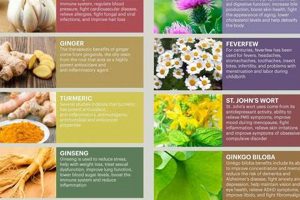
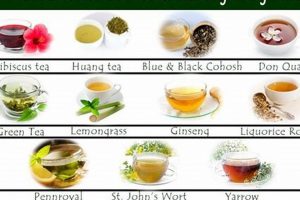
Traditional remedies derived from plants indigenous to Thailand are a significant aspect of the nation’s healthcare practices. These preparations utilize various parts of plants, including roots, stems, leaves, flowers, and fruits, to address a wide spectrum of ailments. For example, preparations using ginger are commonly employed to alleviate nausea, while others incorporating turmeric may be used for anti-inflammatory purposes.
The significance of plant-based medicine in Thailand extends beyond mere symptom relief. It reflects a deep cultural connection to the natural world and a holistic approach to well-being that has been passed down through generations. Historically, these practices formed the primary means of healthcare for the majority of the population, with knowledge carefully preserved within families and communities. The potential benefits include accessibility, affordability, and the utilization of natural compounds that may offer unique therapeutic properties.
The subsequent sections will delve into the specific applications, preparation methods, regulatory frameworks, and scientific research surrounding these plant-based medicines in Thailand, providing a more comprehensive understanding of this complex and evolving field.
Guidance on Traditional Plant-Based Medicine in Thailand
The following provides essential points to consider when exploring the traditional plant-based medicine of Thailand. Proper understanding and adherence to responsible practices are crucial.
Tip 1: Source Reputably: Obtain remedies from established and licensed practitioners or pharmacies. Verify the legitimacy of the source to mitigate the risk of adulteration or misidentification of ingredients.
Tip 2: Understand Traditional Uses: Research the historical and accepted uses of each component. Traditional knowledge provides a context for appropriate application and expected outcomes.
Tip 3: Consider Potential Interactions: Be mindful of potential interactions with existing medications or health conditions. Consult with a qualified healthcare professional before use, especially if pregnant, breastfeeding, or managing chronic illnesses.
Tip 4: Dosage Matters: Adhere to recommended dosages provided by experienced practitioners or product labeling. Exceeding recommended amounts does not necessarily enhance benefits and may increase the risk of adverse effects.
Tip 5: Preparation Methods: Pay attention to the method of preparation. Traditional recipes often specify particular processes, such as decoction or infusion, which affect the efficacy and safety of the final product.
Tip 6: Observe for Allergic Reactions: Monitor for any signs of allergic reactions, such as skin rashes, itching, or difficulty breathing. Discontinue use immediately and seek medical attention if such symptoms occur.
Tip 7: Preservation Techniques: Understand proper storage methods to maintain the potency and prevent degradation of the preparations. Improper storage can lead to loss of efficacy or contamination.
These guidelines underscore the importance of approaching Thai plant-based medicine with knowledge, caution, and respect for traditional practices. A responsible approach ensures both safety and the potential to benefit from these age-old remedies.
The concluding sections of this article will summarize key findings and explore future directions in the study and application of Thai traditional plant-based medicine.
1. Plant Identification

The accurate identification of plant species is foundational to the safe and effective use of plant-based remedies in Thailand. Mistaking one plant for another can lead to ineffective treatment at best, and serious health risks at worst. The integrity of traditional healthcare systems relies heavily on botanical expertise.
- Morphological Characteristics
Identifying plants through their visible physical traits, such as leaf shape, flower structure, stem characteristics, and growth habit, is a traditional and essential skill. Field guides and experienced herbalists utilize these characteristics to differentiate species. For example, distinguishing between various basil species, some with medicinal properties and others used primarily for culinary purposes, depends on subtle differences in leaf color, aroma, and flower arrangement.
- Chemical Fingerprinting
Modern analytical techniques, such as chromatography and spectroscopy, can provide a “chemical fingerprint” of a plant, identifying its unique profile of bioactive compounds. This is particularly useful when morphological differences are subtle or when adulteration is suspected. Chemical fingerprinting can verify the authenticity of Curcuma longa (turmeric) by confirming the presence and concentration of specific curcuminoids.
- DNA Barcoding
DNA barcoding uses short, standardized genetic sequences to identify plant species. This method offers a highly accurate and reliable means of identification, even when dealing with fragmented or processed plant material. DNA barcoding can be employed to verify the species of origin of dried or powdered plant ingredients used in traditional formulations, helping to ensure quality control and prevent substitution.
- Role of Traditional Knowledge
The knowledge passed down through generations within Thai communities plays a vital role in plant identification. Local experts possess in-depth understanding of plant habitats, seasonal variations, and subtle distinguishing features that may not be readily apparent in textbooks. This traditional ecological knowledge complements scientific approaches, providing a holistic and context-specific approach to plant identification.
The convergence of traditional botanical knowledge and modern scientific techniques is crucial for ensuring the safety, efficacy, and sustainability of plant-based medicine in Thailand. Accurate plant identification protects both the consumer and the environment, safeguarding against the misuse of potentially harmful plants and promoting the conservation of valuable medicinal species.
2. Traditional Applications

Traditional applications represent the cornerstone of plant-based medicine in Thailand, reflecting centuries of accumulated knowledge regarding the therapeutic properties of indigenous flora. These applications are not merely historical practices but are integral to the ongoing use and perceived effectiveness of plant-derived remedies within Thai culture.
- Treatment of Common Ailments
Plant-based medicine has traditionally served as the primary means of addressing common health complaints in Thailand. Specific remedies are employed for a wide range of conditions, from digestive issues and respiratory infections to skin ailments and muscular pain. Zingiber officinale (ginger), for example, is frequently used to alleviate nausea and vomiting, while Centella asiatica (gotu kola) is applied topically to promote wound healing. These applications are based on empirical observations and the accumulated experience of generations.
- Support of Maternal and Child Health
Plant-based remedies play a significant role in maternal and child healthcare practices. Certain preparations are used to support lactation, aid postpartum recovery, and address common childhood ailments. The use of specific herbs during pregnancy, however, is approached with caution and often guided by experienced practitioners due to potential risks. The historical reliance on plant-based medicine for maternal and child health highlights its deep integration into family well-being.
- Spiritual and Ritualistic Practices
In some contexts, the use of plant-based medicine extends beyond purely physical ailments to encompass spiritual and ritualistic practices. Certain plants are believed to possess protective or cleansing properties, used in ceremonies to promote healing or ward off negative influences. The intersection of traditional medicine and spiritual beliefs underscores the holistic worldview that often accompanies the use of plant-derived remedies.
- Maintenance of General Well-being
Plant-based remedies are not solely reserved for treating illness; they are also incorporated into daily life to promote general well-being and vitality. Herbal teas, tonics, and dietary supplements are consumed with the intention of maintaining health, preventing disease, and enhancing physical and mental performance. This proactive approach to health management reflects the broader cultural emphasis on balance and harmony within the body.
These traditional applications, deeply rooted in cultural practices and empirical knowledge, continue to shape the utilization of plant-based medicine in Thailand. While modern medicine has expanded healthcare options, plant-derived remedies retain their significance due to their accessibility, affordability, and perceived alignment with traditional values. Further research is needed to validate the efficacy and safety of these applications, bridging the gap between traditional knowledge and scientific understanding.
3. Preparation Methods

The efficacy of traditional plant-based medicine in Thailand is inextricably linked to preparation methods. These techniques, passed down through generations, directly influence the extraction, bioavailability, and ultimately, the therapeutic properties of plant constituents. Improper preparation can render a potentially beneficial remedy ineffective or even harmful, emphasizing the critical role of meticulous adherence to established protocols. For example, the preparation of Ya Dom, a traditional inhalant, requires precise proportions of various aromatic herbs to achieve the desired decongestant and invigorating effects. A deviation from the traditional recipe, or the use of substandard ingredients, can compromise its effectiveness.
Different preparation methods are employed to suit the specific plant and the intended therapeutic outcome. Decoctions, involving boiling plant material in water, are commonly used to extract water-soluble compounds from roots and barks. Infusions, on the other hand, utilize hot water to steep more delicate plant parts like leaves and flowers, preserving volatile oils and preventing the degradation of heat-sensitive compounds. Furthermore, fermentation techniques, such as those used in the production of certain herbal tonics, can alter the chemical composition of the plants, creating new bioactive compounds and enhancing their therapeutic potential. The preparation of Kratom ( Mitragyna speciosa) is a pertinent example; the method of consumptionchewing the leaves, brewing tea, or smokingaffects the intensity and duration of its effects due to varying rates of alkaloid absorption.
In summary, the preparation methods employed in Thai plant-based medicine are not merely procedural steps, but integral factors that determine the safety, potency, and therapeutic value of the final product. Recognizing the significance of these methods is crucial for both practitioners and consumers, ensuring responsible and effective utilization of this traditional healthcare system. Future research should focus on standardizing preparation techniques and validating their impact on the chemical composition and therapeutic efficacy of various plant-based remedies, bridging the gap between traditional knowledge and modern scientific understanding.
4. Medicinal Properties
The medicinal properties inherent within plant-based medicines of Thailand represent a complex interplay of bioactive compounds that elicit physiological responses within the human body. These properties are the foundation upon which traditional uses are based and are increasingly the focus of scientific investigation.
- Anti-inflammatory Activity
Many plant species indigenous to Thailand possess compounds that exhibit anti-inflammatory effects. These compounds, such as curcuminoids found in Curcuma longa, may modulate inflammatory pathways, reducing pain and swelling. Traditional application of these plants often targets conditions associated with chronic inflammation, such as arthritis and muscle injuries. Further research seeks to isolate and characterize these anti-inflammatory compounds and understand their mechanisms of action.
- Antimicrobial Potential
Certain plant extracts demonstrate antimicrobial activity against a range of bacteria, fungi, and viruses. These properties are attributed to compounds such as alkaloids, flavonoids, and terpenoids, which interfere with microbial growth and replication. Traditional uses include treating skin infections, respiratory ailments, and digestive disorders. Scientific investigations aim to identify the specific compounds responsible for antimicrobial action and explore their potential as alternatives to synthetic antibiotics.
- Antioxidant Capacity
Oxidative stress, caused by an imbalance between free radical production and antioxidant defense, contributes to various diseases. Many plant species utilized in traditional Thai medicine are rich in antioxidants, which neutralize free radicals and protect cells from damage. Examples include plants containing high levels of vitamin C, vitamin E, and phenolic compounds. These antioxidant properties are believed to contribute to the prevention of chronic diseases and the promotion of overall health.
- Analgesic Effects
Pain management is a key aspect of traditional plant-based medicine, and several Thai plants are known for their analgesic properties. These plants contain compounds that interact with pain receptors in the nervous system, reducing the perception of pain. Examples include plants with opioid-like or anti-nociceptive effects. Research aims to identify the specific compounds responsible for pain relief and to understand their mechanisms of action, potentially leading to the development of novel analgesic drugs.
These medicinal properties, while rooted in traditional use, are increasingly subject to scientific scrutiny. Understanding the chemical composition and pharmacological activity of plant-based remedies is crucial for validating their efficacy, ensuring safety, and integrating them responsibly into modern healthcare practices. The investigation of these properties facilitates a deeper appreciation of the therapeutic potential inherent in the plant kingdom and their role in Thai traditional medicine.
5. Regulatory Framework

The regulatory framework governing plant-based medicines in Thailand is critical to ensuring product safety, quality, and efficacy, directly impacting consumer health and maintaining the integrity of traditional medical practices.
- Registration and Licensing
All manufacturers and distributors of plant-based medicines are typically subject to registration and licensing requirements imposed by the Thai Food and Drug Administration (TFDA). This process involves submitting detailed information about the product, including its ingredients, manufacturing processes, and intended uses. Compliance with Good Manufacturing Practices (GMP) is often a prerequisite for obtaining a license. This ensures that products are produced under controlled conditions and meet established quality standards. The aim is to prevent the sale of substandard or adulterated products.
- Ingredient Restrictions and Safety Standards
Certain plant species or their constituents may be subject to restrictions or outright prohibitions due to potential toxicity or safety concerns. The regulatory framework establishes maximum permissible levels for heavy metals, pesticides, and other contaminants in plant-based medicines. Compliance with these standards is essential to protect consumers from potential health risks associated with contaminated or improperly processed products. Periodic testing and monitoring are often conducted to ensure adherence to these regulations.
- Labeling Requirements
Accurate and informative labeling is a key component of the regulatory framework. Labels typically must include a list of ingredients, dosage instructions, contraindications, and potential side effects. Claims regarding therapeutic benefits are often subject to scrutiny and must be supported by scientific evidence or documented traditional use. Clear and concise labeling empowers consumers to make informed decisions about the products they use and helps prevent misuse or adverse reactions.
- Advertising and Promotion Regulations
The advertising and promotion of plant-based medicines are subject to regulations designed to prevent misleading or unsubstantiated claims. Advertisements cannot promote products as cures for serious diseases without adequate scientific backing. The regulatory framework aims to ensure that marketing practices are ethical and do not exploit vulnerable populations or promote unrealistic expectations regarding the benefits of plant-based remedies.
These facets of the regulatory framework are essential for maintaining the safety and efficacy of the plant-based medicine sector in Thailand. By establishing clear standards and enforcing compliance, the regulatory framework protects consumers, supports ethical business practices, and promotes the responsible utilization of traditional medical knowledge. Continued adaptation and refinement of the regulatory framework are necessary to address emerging challenges and ensure the long-term sustainability of this vital aspect of Thai healthcare.
Frequently Asked Questions About Traditional Plant-Based Medicine in Thailand
This section addresses common inquiries and misconceptions surrounding the use and understanding of traditional plant-based medicines in Thailand, providing objective and evidence-based information.
Question 1: Is traditional plant-based medicine in Thailand scientifically validated?
While many traditional applications are based on empirical observation, scientific validation varies. Some plant species have undergone extensive pharmacological studies, confirming their therapeutic properties. Others require further investigation to fully understand their mechanisms of action and ensure safety. The level of scientific evidence supporting a particular plant remedy should be critically evaluated.
Question 2: Are plant-based medicines inherently safe simply because they are “natural”?
The term “natural” does not equate to safety. All substances, including those derived from plants, can have adverse effects. Dosage, preparation methods, potential interactions with other medications, and individual sensitivities must be considered. Consulting with a qualified healthcare professional is advised before using any plant-based remedy.
Question 3: How does the regulatory framework ensure the quality and safety of plant-based medicines in Thailand?
The Thai Food and Drug Administration (TFDA) oversees the regulation of plant-based medicines, setting standards for manufacturing, labeling, and advertising. Products are subject to registration and licensing requirements, and ingredient restrictions are in place to protect consumers from potentially harmful substances. However, enforcement challenges exist, and vigilance is necessary to ensure compliance.
Question 4: Where can reliable information about Thai plant-based medicine be found?
Reputable sources include peer-reviewed scientific publications, government health agencies, and established herbal medicine practitioners. Information from unverified websites or anecdotal accounts should be treated with caution. Consult with healthcare professionals or experts in traditional Thai medicine for guidance.
Question 5: Are there potential interactions between plant-based medicines and conventional pharmaceuticals?
Yes, interactions are possible. Certain plant compounds can affect the absorption, metabolism, or excretion of conventional drugs, leading to altered drug levels or adverse effects. Transparency with healthcare providers regarding the use of plant-based remedies is crucial to avoid potential interactions.
Question 6: How can one distinguish genuine plant-based medicines from counterfeit or adulterated products?
Purchase products from reputable and licensed sources. Examine labels carefully for accurate ingredient lists and manufacturing information. Be wary of unusually low prices or unsubstantiated claims. If in doubt, consult with a knowledgeable herbalist or pharmacist.
The information provided in this FAQ section serves as a general guide and should not substitute professional medical advice. A responsible and informed approach is essential when considering the use of traditional plant-based medicines in Thailand.
The subsequent section will summarize key aspects of this article and explore future directions in the field of traditional Thai plant-based medicine.
Conclusion
This article has explored various facets of plant-based medicines in Thailand, encompassing plant identification, traditional applications, preparation methods, medicinal properties, and the regulatory framework. Each aspect plays a crucial role in ensuring the responsible and effective use of these traditional remedies. The inherent complexity requires a balanced approach, integrating both traditional knowledge and scientific rigor.
The continued study and preservation of plant-based medical practices in Thailand is essential for cultural heritage and potential healthcare advancements. As research progresses and regulatory systems evolve, a commitment to responsible sourcing, accurate identification, and evidence-based application will remain paramount. The future of these practices rests on a foundation of knowledge, respect, and a dedication to both safety and efficacy.