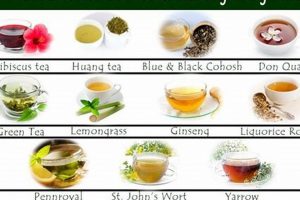
A beverage created by infusing the processed leaves of Camellia sinensis with a variety of herbs, spices, or fruit elements to enhance its flavor profile and potential wellness properties. For instance, a blend might incorporate ginger for its anti-inflammatory benefits or lemon balm for its calming effect, alongside the traditional green tea base.
This specific type of tea offers a combination of the inherent advantages associated with Camellia sinensis, such as antioxidant properties from polyphenols, coupled with the unique benefits of the added botanicals. Historically, combining plants for synergistic effects has been a common practice in traditional medicine systems worldwide, predating modern pharmaceutical approaches.
Subsequent sections will delve into the specific advantages of different plant combinations, explore the varying methods of preparation, and examine the scientific evidence supporting the potential health outcomes associated with consuming these infusions.
Preparation and Consumption Guidance
The following recommendations are designed to optimize the experience and potential advantages derived from enjoying infusions based on Camellia sinensis leaves and supplemental botanicals.
Tip 1: Water Temperature is Key. Employ water heated to approximately 175-185F (80-85C). Water that is too hot can scorch the delicate leaves and herbs, resulting in a bitter taste and potentially diminishing beneficial compounds.
Tip 2: Steep Time Matters. A typical steeping duration ranges from two to three minutes. Prolonged steeping can lead to an excessively astringent or bitter infusion. Experiment with different times to find the optimal flavor profile.
Tip 3: Consider the Herb Blend. Different added botanicals require varied steeping times. For example, delicate flower petals should be steeped for a shorter duration than robust roots or barks to prevent overpowering the tea’s flavor.
Tip 4: Utilize Filtered Water. The quality of the water significantly impacts the final taste. Filtered water, free from chlorine and other impurities, allows the subtle flavors of the tea and herbs to shine.
Tip 5: Store Properly. Maintain the product in an airtight container, away from direct sunlight, heat, and moisture. This preserves its freshness and prevents the degradation of volatile oils and other active compounds.
Tip 6: Be Mindful of Timing. The caffeinated nature of Camellia sinensis suggests that consumption should be limited or avoided close to bedtime for those sensitive to stimulants.
Tip 7: Observe Potential Interactions. Individuals taking medications or with pre-existing health conditions should consult a healthcare professional to rule out potential interactions with the added botanicals.
Adhering to these guidelines helps ensure a flavorful and potentially beneficial experience, maximizing the qualities inherent in this beverage.
The subsequent section will address potential variations and regional adaptations.
1. Antioxidant Synergy

The combination of Camellia sinensis (green tea) and various herbs creates a potentially enhanced antioxidant profile compared to the base tea alone. This phenomenon arises from the additive or synergistic effects of different antioxidant compounds present in both the tea leaves and the added botanicals. For example, green tea is rich in catechins, notably epigallocatechin gallate (EGCG), while herbs like rosemary contain rosmarinic acid. When combined, these different antioxidant molecules may work through complementary mechanisms to neutralize free radicals, potentially offering greater protection against oxidative stress.
The importance of this synergy lies in its potential to increase the body’s overall antioxidant capacity. Oxidative stress is implicated in various chronic diseases, including cardiovascular disease, cancer, and neurodegenerative disorders. By consuming an infusion containing a diversity of antioxidants, individuals may theoretically bolster their defenses against cellular damage. Furthermore, certain herbal antioxidants may also have anti-inflammatory properties, compounding the potential benefits. The practical significance of this understanding is that consumers can make informed choices about their beverage selection, opting for combinations that maximize antioxidant intake and potential health advantages.
In conclusion, the potential for enhanced antioxidant activity through the combination of Camellia sinensis and various herbs represents a significant aspect of its appeal. While further research is needed to fully elucidate the extent of these synergistic effects and their clinical relevance, the theoretical framework and existing evidence suggest that this beverage holds promise as a source of diverse antioxidant compounds. However, challenges remain in standardizing herbal preparations and ensuring consistent antioxidant content across different products. Understanding these factors allows for a more nuanced appreciation of the potential benefits associated with this beverage.
2. Flavor Enhancement

The incorporation of diverse botanicals into Camellia sinensis preparations, specifically green tea, directly addresses the modification and enhancement of its inherent flavor profile. Green tea, while appreciated for its health-related attributes, possesses a characteristically vegetal and sometimes astringent taste. The introduction of herbs, spices, fruits, or floral elements serves to modulate these characteristics, creating a more palatable and varied gustatory experience for the consumer. For example, the addition of jasmine blossoms infuses a fragrant sweetness, while ginger contributes a spicy warmth, and citrus peels impart a zesty brightness. This manipulation of flavor is a primary driver for the widespread popularity of blended teas, offering alternatives to the pure, unadulterated taste of the original leaf.
The significance of flavor enhancement extends beyond mere palatability. A more appealing taste increases the likelihood of regular consumption, thereby potentially amplifying the realization of any associated health benefits. Furthermore, it expands the beverage’s applicability across different contexts, from a relaxing afternoon ritual to a complement for diverse culinary pairings. From a commercial perspective, strategic flavor combinations also allow for product differentiation and cater to specific consumer preferences. The combination of green tea with herbs allows for products to be marketed for specific purposes such as relaxation, increased focus, or digestive health.
In conclusion, flavor enhancement is a crucial element in the formulation of Camellia sinensis-based herbal infusions. The careful selection and integration of complementary flavors transforms the fundamental character of green tea, widening its appeal and potentially promoting more consistent consumption. However, ensuring the integrity and quality of added ingredients, as well as maintaining a balanced flavor profile that does not mask the inherent benefits of the underlying tea, remains a critical challenge. These blends represent an effort to broaden their consumer base. The future of these tea blends depends on their capacity to combine great flavors with health and well-being.
3. Wellness Infusion

The concept of “wellness infusion,” when considered within the framework of Camellia sinensis-based herbal preparations, signifies the purposeful blending of botanicals with green tea to promote specific health and well-being benefits beyond basic hydration and nutrient intake. It represents a deliberate attempt to leverage the potential synergistic effects of combined plant compounds for targeted physiological outcomes.
- Targeted Physiological Effects
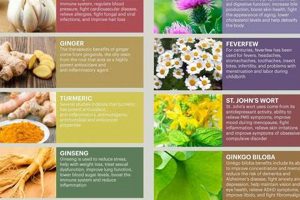
Wellness infusions often aim to address specific health concerns or desired outcomes. Examples include the addition of chamomile for relaxation and improved sleep quality, ginger for digestive support and anti-inflammatory effects, or ginseng for enhanced cognitive function and energy levels. These additions are intended to augment the baseline benefits associated with the green tea itself, such as its antioxidant properties. The implications are that consumers seek these infusions as proactive tools for managing their well-being.
- Ingredient Selection Rationale
The choice of herbs and botanicals in a wellness infusion is typically guided by traditional medicinal knowledge, empirical evidence, and emerging scientific research. Formulators consider the known pharmacological properties of each ingredient, potential interactions between compounds, and safety profiles. For instance, lemon balm is frequently chosen for its anxiolytic effects, while peppermint is selected for its ability to soothe the digestive tract. The rationale behind ingredient selection underscores the intention to create a functional beverage with specific health-promoting attributes.
- Dosage and Preparation Considerations
The effectiveness of a wellness infusion hinges not only on the ingredients themselves but also on the appropriate dosage and preparation methods. The concentration of active compounds in the herbs, steeping time, and water temperature can all influence the final product’s potency. Standardized herbal extracts are sometimes used to ensure consistent levels of key constituents. Understanding these preparation nuances is crucial for maximizing the potential benefits of the infusion and minimizing the risk of adverse effects.
- Regulatory and Labeling Aspects
The marketing and labeling of wellness infusions are subject to regulatory scrutiny in many jurisdictions. Claims regarding specific health benefits must be substantiated by credible scientific evidence. Terms such as “detox,” “immune boost,” or “energy enhancer” may require specific disclaimers or warnings. The regulatory landscape aims to protect consumers from misleading or unsubstantiated claims and to ensure that these products are presented responsibly.
In summary, wellness infusions built upon a Camellia sinensis foundation represent a convergence of traditional herbalism and contemporary health consciousness. These blends offer a means to proactively address specific wellness goals, but their effectiveness depends on careful formulation, appropriate preparation, and responsible marketing practices. The increasing consumer interest in these beverages reflects a broader trend toward self-care and a desire for natural, plant-based solutions for promoting health and well-being.
4. Traditional Applications

The fusion of Camellia sinensis leaves with various botanicals possesses a rich history rooted in traditional medicinal practices across numerous cultures. This historical context provides a framework for understanding the current usage and perceived benefits of such blended infusions.
- East Asian Herbalism
In traditional Chinese medicine (TCM) and other East Asian systems, Camellia sinensis is often combined with herbs believed to possess complementary properties. For instance, ginger is added to address “cold” conditions, while chrysanthemum is incorporated to alleviate “heat.” This approach reflects a holistic view of health, where balance and harmony are paramount. Examples include formulations designed to promote digestion, improve circulation, or support respiratory function.
- Ayurvedic Practices
Ayurveda, the traditional Indian system of medicine, utilizes similar principles of combining Camellia sinensis with specific herbs and spices to achieve targeted health outcomes. Cardamom, cinnamon, and tulsi (holy basil) are frequently employed for their warming, digestive, and adaptogenic properties. Formulations are tailored to individual doshas (constitutions) and designed to restore equilibrium within the body. The use of such blends for promoting mental clarity, reducing stress, and supporting immune function is commonplace.
- Folk Medicine Traditions
Beyond formalized systems of medicine, numerous folk traditions worldwide incorporate the combination of Camellia sinensis with locally available herbs for various ailments. In some cultures, mint is added to soothe digestive upset, while lemon balm is used to promote relaxation and sleep. These practices reflect a deep understanding of the medicinal properties of plants and a reliance on natural remedies for addressing common health concerns. Documented examples vary widely depending on geographical location and cultural context.
- Ritualistic and Social Uses
Beyond purely medicinal applications, the blending of Camellia sinensis with herbs also holds significance in ritualistic and social contexts. In certain communities, specific herbal infusions are prepared for ceremonial occasions, symbolizing hospitality, friendship, or spiritual connection. These practices underscore the cultural importance of tea and its role in fostering social cohesion. For instance, the addition of specific flowers or spices may signify particular intentions or blessings.
These traditional applications of combining Camellia sinensis with diverse botanicals highlight the enduring recognition of plant-based remedies across cultures. While modern scientific research is increasingly exploring the potential benefits of these combinations, the historical context provides valuable insights into their perceived efficacy and enduring relevance in promoting health and well-being.
5. Preparation Variation

The method of preparing infusions that combine Camellia sinensis (specifically green tea) with various botanicals significantly influences the final characteristics of the beverage, impacting flavor profile, bioactive compound extraction, and overall perceived benefits. Deviation from optimal preparation techniques can diminish the desired attributes and potentially lead to suboptimal outcomes.
- Water Temperature Control
Water temperature is a crucial determinant in the extraction of flavor compounds and bioactive constituents from both the green tea leaves and the added herbs. Temperatures that are excessively high can result in the release of bitter tannins and the degradation of delicate volatile oils, while temperatures that are too low may lead to incomplete extraction and a weak infusion. The ideal temperature range for most green tea and herbal combinations falls between 170-185F (77-85C). Deviation from this range can alter the teas flavor and reduce its potential benefits. For example, using boiling water on a green tea and chamomile blend can result in a bitter taste and destroy some of chamomile’s calming compounds.
- Steeping Time Adjustment
The duration of steeping directly affects the concentration of extracted compounds and the overall strength of the infusion. Over-steeping can lead to a bitter and astringent taste due to the release of excess tannins, while under-steeping may result in a weak and flavorless beverage with limited extraction of beneficial constituents. Optimal steeping times vary depending on the specific blend, with delicate herbs generally requiring shorter infusions than more robust roots or barks. For instance, a green tea and lavender infusion typically benefits from a shorter steeping time (2-3 minutes) to prevent the lavender from becoming overpowering.
- Herb-Specific Considerations
Different herbs possess varying solubility and extraction rates for their active compounds. Certain herbs, such as ginger or cinnamon, require longer steeping times to fully release their flavors and beneficial constituents, while others, like mint or lemon balm, can become bitter if steeped for too long. The preparation method should be tailored to the specific herbs included in the blend to optimize their individual contributions. Failing to account for these differences can lead to an unbalanced and less effective infusion. A green tea blend with turmeric should be steeped longer than green tea blend with mint.
- Filtration and Sediment Management
The method of filtration and management of sediment can affect the clarity, texture, and overall enjoyment of the infusion. Some preparation methods, such as using a fine-mesh infuser or tea bag, minimize the presence of sediment, while others, like loose-leaf brewing, may result in a more significant amount of particulate matter in the final beverage. While sediment is generally harmless, it can alter the mouthfeel and visual appeal of the infusion. The choice of filtration method is a matter of personal preference, but it should be considered as part of the overall preparation process.
In conclusion, preparation variation is a critical factor influencing the quality and characteristics of infusions blending Camellia sinensis with various botanicals. Understanding the impact of water temperature, steeping time, herb-specific considerations, and filtration methods allows for fine-tuning the preparation process to achieve optimal flavor, extraction, and overall enjoyment of the beverage. Consideration of these preparation variables underscores the significance of a nuanced approach to maximizing the potential benefits associated with this type of infusion.
Frequently Asked Questions
This section addresses common inquiries regarding infusions blending Camellia sinensis (green tea) with various herbs, aiming to provide clear and concise information based on current understanding.
Question 1: Is “green tea herbal” inherently superior to traditional green tea?
The superiority of “green tea herbal” over traditional green tea is subjective and depends on individual preferences and desired outcomes. The addition of herbs modifies the flavor profile and may introduce additional bioactive compounds, potentially enhancing specific health benefits. However, the base green tea itself possesses inherent advantages, and the selection should be based on individual needs and priorities.
Question 2: What are the potential risks associated with consuming “green tea herbal” infusions?
Potential risks associated with consuming “green tea herbal” infusions include allergic reactions to specific herbs, interactions with medications, and excessive caffeine intake. Individuals with known allergies, pre-existing medical conditions, or who are pregnant or breastfeeding should exercise caution and consult with a healthcare professional before consuming these beverages.
Question 3: How does steeping time affect the quality of “green tea herbal”?
Steeping time significantly influences the quality of “green tea herbal” infusions. Over-steeping can result in a bitter and astringent taste due to the release of excess tannins, while under-steeping may lead to a weak and flavorless beverage. The optimal steeping time varies depending on the specific blend and should be adjusted accordingly to achieve the desired flavor profile and maximize the extraction of beneficial compounds.
Question 4: Can “green tea herbal” replace conventional medical treatments?
No, “green tea herbal” should not be considered a replacement for conventional medical treatments. While these infusions may offer potential health benefits, they are not intended to diagnose, treat, cure, or prevent any disease. Individuals with medical conditions should always consult with a qualified healthcare professional for appropriate diagnosis and treatment.
Question 5: How should “green tea herbal” be stored to maintain its freshness and potency?
To maintain freshness and potency, “green tea herbal” should be stored in an airtight container, away from direct sunlight, heat, and moisture. Proper storage helps to prevent the degradation of volatile oils and other active compounds, ensuring that the infusion retains its flavor and potential health benefits for a longer period.
Question 6: Are all “green tea herbal” blends created equal?
No, not all “green tea herbal” blends are created equal. The quality of the green tea leaves, the source and processing of the herbs, and the overall formulation can vary significantly between different brands and products. Consumers should carefully review product labels, research brands, and consider purchasing from reputable sources to ensure the quality and safety of the infusion.
In summary, informed consumption of “green tea herbal” requires consideration of individual health status, potential risks and benefits, and appropriate preparation and storage methods. Consulting with a healthcare professional is recommended for individuals with specific concerns or medical conditions.
The following section will explore considerations for selecting and sourcing quality ingredients.
Conclusion
This exploration of green tea herbal infusions has illuminated the multifaceted nature of this beverage category. From its roots in traditional medicine to its modern appeal as a wellness enhancer, the combination of Camellia sinensis with various botanicals presents both opportunities and challenges. Understanding the principles of preparation, the potential for synergistic effects, and the importance of quality sourcing is paramount to responsible consumption.
Continued research into the specific health outcomes associated with different herbal combinations is warranted. Consumers are encouraged to approach the selection and consumption of green tea herbal infusions with discernment, prioritizing quality, safety, and a commitment to informed decision-making. The enduring appeal of plant-based remedies underscores the need for both scientific rigor and respect for traditional knowledge in the pursuit of wellness.