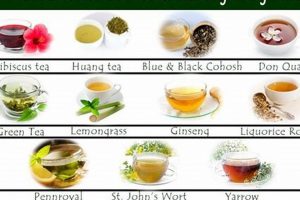
Substances derived from plant sources intended to alleviate constipation by softening fecal matter are available. These preparations often contain natural compounds believed to promote bowel movements and ease passage. For example, certain plant extracts, when ingested, can increase water absorption in the intestines, leading to softer stools and reduced straining during defecation.
The appeal of using botanically-based options stems from a perceived gentler action and a desire to avoid synthetic chemicals. Historically, various cultures have employed plants with known laxative properties to address digestive discomfort. The potential advantages include a less disruptive impact on gut flora and a lower risk of dependency compared to some pharmaceutical alternatives. However, efficacy and safety can vary depending on the specific ingredients and individual response.
The following sections will delve into specific plant-derived components used for this purpose, examine their mechanisms of action, discuss potential side effects and interactions, and provide guidance on appropriate usage and precautions. Understanding these aspects is crucial for making informed decisions regarding the use of such approaches for managing constipation.
Guidance on Utilizing Plant-Based Fecal Softeners
The following recommendations aim to provide clarity when considering the incorporation of botanically-sourced options into a constipation management plan. It is crucial to exercise diligence and consult with a healthcare professional before initiating any new regimen.
Tip 1: Prioritize gradual integration. Introduce plant-based fecal softeners incrementally to assess individual tolerance and minimize potential gastrointestinal discomfort.
Tip 2: Ensure adequate hydration. These substances often rely on drawing water into the colon; insufficient fluid intake may negate their effectiveness and exacerbate constipation.
Tip 3: Scrutinize ingredient lists. Thoroughly examine product labels to identify potential allergens, contraindications, or interactions with existing medications.
Tip 4: Adhere to recommended dosages. Exceeding the suggested serving size does not necessarily enhance efficacy and may increase the risk of adverse effects.
Tip 5: Monitor bowel movement frequency and consistency. Track changes in stool characteristics to evaluate the product’s effectiveness and identify any irregularities.
Tip 6: Consider lifestyle modifications. Complement the use of these substances with a fiber-rich diet and regular physical activity for optimal bowel health.
Tip 7: Be mindful of potential drug interactions. Consult a pharmacist or physician to confirm compatibility with any concurrent medications.
Implementing these strategies can enhance the safety and effectiveness of employing plant-derived solutions to alleviate constipation. Observance of these guidelines contributes to informed decision-making and responsible use.
The subsequent section will address potential risks and adverse reactions associated with these approaches, reinforcing the importance of cautious and informed usage.
1. Plant-derived ingredients

Plant-derived ingredients constitute the active components in many products marketed as botanically-based solutions for constipation relief. Understanding the properties and mechanisms of these ingredients is essential for safe and effective use.
- Anthraquinones
Anthraquinones, present in plants like senna and cascara sagrada, act as stimulant laxatives. They irritate the intestinal lining, prompting muscle contractions that accelerate bowel movements. Prolonged use can lead to dependence and electrolyte imbalances.
- Dietary Fiber
Sources like psyllium husk and flaxseed provide insoluble fiber, increasing stool bulk and stimulating peristalsis. Adequate water intake is crucial to prevent impaction. Dietary fiber aids in regular bowel function when used appropriately.
- Oils
Castor oil functions as a stimulant laxative, while mineral oil lubricates the stool. Castor oil is potent and may cause cramping. Mineral oil can interfere with nutrient absorption and is generally not recommended for long-term use.
- Polyalcohols
Sorbitol and mannitol, naturally occurring polyalcohols in certain fruits, draw water into the intestines, softening the stool. They may cause bloating and gas. Polyalcohols’ efficacy is dependent on dosage and individual sensitivity.
The efficacy and safety of plant-derived fecal softeners are directly linked to the specific ingredients they contain. Proper identification and understanding of these components enable informed decisions regarding their utilization. Consideration of potential side effects and interactions is paramount for responsible use in managing constipation.
2. Mechanism of action

Understanding the mechanism of action is crucial when considering plant-based options for alleviating constipation. Different plant-derived substances employ varied physiological pathways to soften stool and promote bowel movements. Elucidating these mechanisms allows for informed selection and usage.
- Osmotic Action
Certain herbal remedies contain compounds that draw water into the colon via osmosis. This increased water content softens the fecal matter, easing its passage through the digestive tract. For example, poorly absorbed sugars or salts in plant extracts increase osmotic pressure within the colon, leading to a laxative effect.
- Stimulation of Peristalsis
Specific plant constituents stimulate the enteric nervous system, which controls intestinal motility. This stimulation enhances peristaltic contractions, propelling the stool forward. Examples include anthraquinones present in senna and cascara, which irritate the intestinal lining to trigger contractions.
- Bulk Formation
Herbal sources of dietary fiber, such as psyllium husk and flaxseed, absorb water and expand in the intestines. This increases stool bulk, which stimulates bowel movements and improves regularity. The increased bulk also aids in softening the stool by retaining water.
- Lubrication
Certain herbal oils, like flaxseed oil or olive oil, can lubricate the intestinal walls and fecal matter, facilitating easier passage. This mechanism reduces friction and straining during defecation. While not a primary action for most herbal options, lubrication can contribute to overall stool softening.
The multifaceted mechanisms of action employed by plant-based fecal softeners highlight the importance of selecting the appropriate remedy based on individual needs and physiological responses. A comprehensive understanding of these processes allows for a targeted approach to constipation management using herbal alternatives.
3. Safety considerations

Safety considerations are paramount when evaluating the use of plant-derived fecal softeners. While often perceived as gentler alternatives to synthetic laxatives, herbal preparations are not without potential risks. The inherent variability in plant composition, coupled with potential interactions with existing medications, necessitates careful assessment before initiation. For example, senna, a common ingredient, can cause electrolyte imbalances with prolonged use, particularly concerning for individuals with pre-existing cardiac conditions. Moreover, certain herbal components may trigger allergic reactions or exacerbate underlying gastrointestinal disorders. Ignoring these factors can lead to adverse health outcomes, underscoring the critical need for informed decision-making and professional consultation.
Specific populations require heightened scrutiny when considering these substances. Pregnant or breastfeeding women should exercise extreme caution, as some herbal constituents may pose risks to fetal or infant health. Similarly, individuals with kidney disease or bowel obstruction should avoid certain herbal remedies, as these conditions can be aggravated by the laxative effects. A comprehensive review of the individual’s medical history, current medication regimen, and potential contraindications is essential to mitigate potential harm. Failing to do so can result in complications that outweigh the perceived benefits of herbal treatment. Real-life scenarios, such as unexpected drug interactions or allergic reactions, highlight the practical significance of diligent safety evaluation.
In conclusion, a thorough understanding of safety considerations is integral to the responsible use of plant-derived fecal softeners. The potential for adverse effects, interactions, and contraindications necessitates a cautious and informed approach. Prioritizing patient safety requires comprehensive evaluation, professional guidance, and adherence to recommended dosages. While botanical remedies may offer a natural alternative, their effectiveness and safety must be rigorously assessed to ensure optimal patient outcomes and minimize potential harm.
4. Clinical efficacy
The assessment of clinical efficacy constitutes a critical component in the evaluation of plant-derived fecal softeners. Determining whether these substances demonstrably alleviate constipation, as opposed to anecdotal evidence or perceived benefits, necessitates rigorous scientific investigation. The establishment of a cause-and-effect relationship between the ingestion of a specific botanical preparation and the subsequent improvement in bowel function is paramount. Without such evidence, the use of such products remains speculative and potentially detrimental.
The importance of clinical efficacy lies in its ability to differentiate genuinely effective remedies from those that offer only placebo effects or, worse, pose risks to patient health. For example, a clinical trial comparing a specific herbal blend to a standard pharmaceutical laxative can reveal whether the botanical option provides comparable relief with fewer side effects. Real-life instances of ineffective or harmful herbal products underscore the practical significance of demanding robust clinical data before recommending or using any plant-based fecal softener. Controlled studies can measure stool frequency, stool consistency, straining effort, and patient-reported satisfaction to provide a comprehensive picture of the product’s effectiveness.
The challenges in assessing the clinical efficacy of these substances are multifaceted. Plant composition can vary depending on growing conditions, harvesting methods, and processing techniques. Furthermore, individual responses to herbal remedies can be highly variable, influenced by factors such as age, diet, gut microbiome, and underlying health conditions. Despite these challenges, adherence to established scientific methodologies, including randomized controlled trials and standardized outcome measures, remains essential to establish the true value of plant-derived fecal softeners. Ultimately, reliable clinical data guides informed decision-making by healthcare professionals and consumers alike, promoting safe and effective constipation management strategies.
5. Appropriate usage

The effective utilization of plant-derived fecal softeners necessitates a comprehensive understanding of appropriate usage guidelines. Adhering to these guidelines maximizes potential benefits while minimizing the risk of adverse effects and dependency. Improper usage can lead to complications that negate any therapeutic value.
- Dosage Adherence
Rigorous adherence to recommended dosages is paramount. Exceeding the suggested serving size does not necessarily augment efficacy and can significantly increase the likelihood of gastrointestinal distress, electrolyte imbalances, or dependence. Dosage guidelines are typically based on the concentration of active compounds and individual physiological parameters.
- Hydration Maintenance
Adequate hydration is crucial for optimal functionality. Many plant-based softeners operate by drawing water into the colon, softening the fecal mass. Insufficient fluid intake can counteract this mechanism, resulting in exacerbated constipation or intestinal blockage. Water consumption should be increased proportionally with the intake of these substances.
- Duration Limitation
Prolonged or chronic use can lead to diminished bowel function and dependence on external stimuli for defecation. The digestive system may become reliant on the artificial stimulation provided by these substances, impairing its natural ability to regulate bowel movements. Regular assessments and discontinuation attempts are advised to prevent dependence.
- Timing Considerations
The timing of ingestion can impact effectiveness and minimize discomfort. Taking these substances before bedtime or after meals may optimize their physiological effect and reduce the likelihood of cramping or bloating. Individual tolerances should be considered when determining the optimal timing.
Observance of these specific guidelines enhances the safe and effective utilization of plant-derived fecal softeners. Proper implementation requires careful consideration of dosage, hydration, duration, and timing to optimize therapeutic outcomes and minimize the potential for adverse consequences. These factors must be integrated to ensure responsible usage.
6. Contraindications/Interactions

Botanical preparations intended to alleviate constipation, while often perceived as benign, possess the potential to elicit adverse reactions or interfere with existing medical regimens. The identification and avoidance of contraindications and potential interactions constitute a critical aspect of responsible utilization. Ignoring these factors can lead to diminished therapeutic efficacy or, more seriously, to compromised patient health. For example, an individual concurrently prescribed warfarin, an anticoagulant, and consuming senna, a stimulant laxative, risks increased bleeding due to senna’s potential to enhance warfarin’s effects. Such incidents highlight the practical significance of understanding these caveats.
Certain populations exhibit heightened susceptibility to the detrimental effects of plant-derived substances. Individuals with pre-existing bowel obstructions or inflammatory bowel diseases such as Crohn’s disease or ulcerative colitis must avoid stimulant laxatives derived from plants, as these can exacerbate intestinal inflammation or precipitate bowel rupture. Concurrently, those diagnosed with renal insufficiency should exercise caution with bulk-forming agents such as psyllium husk, which may contribute to hyperkalemia if renal clearance is impaired. The use of certain botanicals during pregnancy warrants particular prudence due to the potential for uterine contractions or teratogenic effects. A comprehensive review of a patients medical history and current medication list is indispensable before initiating any herbal laxative regimen.
In summary, the safe and effective application of plant-based fecal softeners necessitates a thorough understanding of potential contraindications and interactions. The inherent variability in plant composition and individual physiological responses underscores the importance of personalized assessment and professional guidance. Ignoring these elements increases the risk of adverse outcomes, emphasizing the need for caution, informed decision-making, and ongoing monitoring. By prioritizing safety and awareness, it is possible to mitigate potential risks and harness the therapeutic potential of these botanicals judiciously.
Frequently Asked Questions Regarding Plant-Based Fecal Softeners
The following addresses common inquiries concerning the utilization, safety, and efficacy of plant-derived substances intended to alleviate constipation. The intent is to provide clear and concise information based on current knowledge.
Question 1: Are plant-based fecal softeners inherently safer than synthetic alternatives?
The assertion that plant-derived options are universally safer is a misconception. While some botanical substances may exhibit gentler action, potential risks such as allergic reactions, drug interactions, and electrolyte imbalances exist. Safety is contingent on the specific ingredient, dosage, and individual physiological factors.
Question 2: How long can plant-derived fecal softeners be used without causing harm?
Prolonged or chronic use is generally discouraged. The digestive system may become dependent on external stimulation, leading to diminished bowel function and potentially exacerbating constipation over time. Intermittent use, guided by a healthcare professional, is typically recommended.
Question 3: Can plant-derived fecal softeners be used during pregnancy or breastfeeding?
The use of these substances during pregnancy or breastfeeding necessitates extreme caution. Certain herbal components may pose risks to fetal or infant health. Consultation with a physician or qualified healthcare provider is essential prior to use.
Question 4: Do plant-based fecal softeners interact with other medications?
Potential drug interactions exist. Certain herbal constituents can interfere with the absorption, metabolism, or excretion of pharmaceutical agents. A thorough review of current medications with a pharmacist or physician is imperative to avoid adverse interactions.
Question 5: What are the common side effects associated with plant-derived fecal softeners?
Common side effects include abdominal cramping, bloating, gas, and nausea. In more severe cases, electrolyte imbalances, dehydration, and allergic reactions may occur. Monitoring for adverse symptoms is crucial, and any concerning reactions should be reported to a healthcare professional.
Question 6: Are all plant-derived fecal softeners equally effective?
Efficacy varies significantly depending on the specific ingredients and the individual’s physiological response. Some individuals may experience significant relief, while others may find them ineffective. Factors such as diet, hydration status, and underlying health conditions can influence outcomes.
In summary, informed decision-making, professional guidance, and a balanced understanding of potential risks and benefits are crucial for the safe and effective use of plant-derived fecal softeners. These FAQs serve to clarify common misconceptions and promote responsible utilization.
The subsequent section will provide a comparative overview of different plant-derived substances and their respective properties.
Conclusion
The preceding discourse has explored various facets of the category identified as “stool softener herbal.” Discussion encompassed the botanical origins of these substances, their mechanisms of action, crucial safety considerations, assessments of clinical efficacy, guidelines for appropriate usage, and potential contraindications or interactions. The exploration highlights the multifaceted nature of these remedies, urging a considered approach to their application.
The decision to utilize plant-derived options for constipation management necessitates a comprehensive understanding of individual physiological factors, potential risks, and evidence-based benefits. Further research and rigorous clinical investigation remain essential to fully elucidate the role of these substances in promoting digestive health. Prudent decision-making, guided by healthcare professionals, constitutes the optimal path towards responsible and effective management of constipation.