Beverages crafted from infusions or decoctions of herbs, spices, or other plant material, offer a potential aid in promoting restfulness. These concoctions, distinct from traditional teas derived from Camellia sinensis, are valued for their potential to induce calmness and prepare the body for sleep. A warm cup of chamomile, lavender, or valerian root infusion before bedtime represents a common practice.
The potential to facilitate relaxation and improve sleep quality holds significant value for overall well-being. Historically, numerous cultures have employed botanical remedies to address sleep disturbances. The purported benefits stem from the diverse chemical compounds present in the plants, which may interact with neurotransmitter systems in the brain, potentially easing anxiety and fostering a state of tranquility conducive to slumber.
Subsequent sections will delve into specific botanical varieties frequently utilized for their purported sleep-promoting properties. Furthermore, the discussion will encompass preparation methods, potential interactions, and considerations for safe and effective consumption.
Tips for Optimizing Herbal Infusions for Restful Sleep
The following guidelines offer practical advice for integrating herbal infusions into a sleep-promoting routine. Adherence to these recommendations may enhance the potential benefits derived from these botanical preparations.
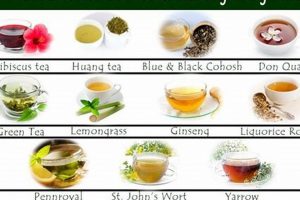
Tip 1: Select Appropriate Herbs: Research and choose herbs specifically recognized for their calming or sedative properties. Chamomile, valerian root, lavender, and lemon balm are frequently cited examples. Individual responses may vary; therefore, experimentation may be necessary to identify the most effective herb or blend.
Tip 2: Ensure Proper Dosage: Adhere to recommended dosages outlined by herbalists or healthcare providers. Excessive consumption of certain herbs may lead to adverse effects. Starting with a lower dosage and gradually increasing it can help determine individual tolerance.
Tip 3: Time Consumption Strategically: Consume the infusion approximately 30 to 60 minutes prior to the intended bedtime. This allows sufficient time for the body to process the herbal compounds and potentially induce a state of relaxation.
Tip 4: Prepare Infusions Correctly: Utilize filtered water heated to the appropriate temperature for the specific herb. Allowing the herb to steep for the recommended duration, typically 5 to 10 minutes, facilitates optimal extraction of beneficial compounds.
Tip 5: Avoid Additives That May Disrupt Sleep: Refrain from adding caffeine, excessive amounts of sugar, or other stimulants to the infusion. These substances can counteract the intended sleep-promoting effects.
Tip 6: Maintain Consistency: Integrate the consumption of herbal infusions into a regular sleep schedule. Consistent use may yield more pronounced and sustained benefits over time.
Tip 7: Be Mindful of Potential Interactions: Individuals taking prescription medications should consult with a healthcare professional to assess potential interactions with herbal remedies. Certain herbs may potentiate or interfere with the effects of pharmaceuticals.
Implementing these tips may optimize the potential of herbal infusions to contribute to a more restful and restorative sleep experience. However, it is crucial to recognize that herbal remedies are not a substitute for professional medical advice or treatment.
The subsequent sections will explore potential contraindications and emphasize the importance of responsible and informed usage.
1. Herb Selection

The selection of appropriate herbs forms the foundational element determining the efficacy of herbal tea intended to promote sleep and relaxation. The inherent chemical composition of each herb dictates its potential impact on the central nervous system, thereby influencing its suitability for addressing sleep disturbances and anxiety. Incorrect herb selection may result in a lack of desired effect or, in some cases, adverse reactions that further disrupt sleep patterns. For example, using an energizing herb such as ginseng in a sleep-promoting blend would be counterproductive.
Specific herbs, such as Matricaria chamomilla (chamomile), contain compounds that may bind to GABA receptors in the brain, potentially inducing a calming effect. Valeriana officinalis (valerian root) is another example, believed to increase GABA levels, which can reduce anxiety and promote sleep. Conversely, certain individuals might experience allergic reactions to specific herbs; therefore, careful consideration of individual sensitivities and potential contraindications is crucial. A person with ragweed allergies, for instance, might exhibit sensitivity to chamomile.
Therefore, informed herb selection is critical. It is advisable to consult reliable sources, such as qualified herbalists or peer-reviewed research, to ascertain the specific properties and potential risks associated with each herb before incorporation into a sleep-enhancing regimen. Ultimately, the effectiveness of herbal tea hinges directly on the informed selection of herbs chosen for their documented and observed effects on sleep and relaxation.
2. Preparation Method

The preparation method significantly influences the extraction of beneficial compounds from herbs, directly impacting the efficacy of herbal tea intended to promote sleep and relaxation. Suboptimal preparation can result in a weak infusion, failing to deliver the therapeutic potential of the chosen herbs. Conversely, improper preparation may extract undesirable compounds, potentially causing adverse effects.
- Water Temperature
Water temperature is a critical factor. Boiling water can damage delicate compounds in certain herbs, such as chamomile, reducing their effectiveness. Conversely, water that is too cool may not adequately extract the desired constituents. The recommended water temperature generally ranges from 200-212F (93-100C) for dried roots and barks, and slightly cooler (170-185F or 77-85C) for flowers and leaves. This ensures optimal extraction without compromising the integrity of the beneficial components. For instance, using overly hot water with lavender can denature the essential oils responsible for its calming scent.
- Steeping Time
Steeping time determines the degree to which active compounds are released into the water. Insufficient steeping results in a weak infusion, while excessive steeping can lead to a bitter taste due to the extraction of tannins and other less desirable compounds. Generally, a steeping time of 5-10 minutes is recommended for most herbs intended for relaxation. For valerian root, a slightly longer steeping time, up to 15 minutes, may be necessary to extract its sleep-promoting compounds. Consistent adherence to appropriate steeping times contributes to a consistent and reliable outcome.
- Herb to Water Ratio
The ratio of herb to water dictates the concentration of the active compounds in the resulting infusion. Using too little herb will produce a weak and ineffective tea, while using too much can lead to an overly concentrated brew with potential adverse effects. A general guideline is to use 1-2 teaspoons of dried herb per cup (8 ounces) of water. However, the optimal ratio may vary depending on the specific herb and individual preferences. For example, chamomile flowers are often used in a slightly higher ratio than valerian root due to their milder nature.
- Type of Container and Filtration
The material of the brewing vessel can affect the taste and quality of the herbal tea. Non-reactive materials such as glass, ceramic, or stainless steel are preferred over aluminum or plastic, which may leach into the infusion. Proper filtration is also essential to remove herb particles before consumption, improving the palatability and preventing potential irritation. Using a fine-mesh strainer or tea filter ensures a smooth and enjoyable drinking experience. Some individuals may find that consuming the tea with the herb particles included can increase efficacy; however, palatability should be prioritized.
Proper preparation methods are essential to harnessing the full potential of herbal tea for sleep and relaxation. By carefully considering water temperature, steeping time, herb to water ratio, and the type of container used, individuals can maximize the extraction of beneficial compounds and minimize the risk of adverse effects, ultimately enhancing the effectiveness of their sleep-promoting herbal tea.
3. Dosage Control

Dosage control represents a pivotal element in the safe and effective utilization of herbal tea intended to promote sleep and relaxation. Deviations from recommended dosages can negate therapeutic benefits or, in severe instances, induce adverse effects. The pharmacological activity of herbal constituents necessitates meticulous attention to dosage to optimize desired outcomes while minimizing potential harm.
- Individual Sensitivity
Individual physiological responses to herbal constituents vary significantly. Factors such as body weight, metabolic rate, and pre-existing health conditions influence the impact of a given dose. An amount considered therapeutic for one individual may prove ineffective or even detrimental for another. For example, a person with a sensitive nervous system might experience paradoxical agitation from a dose of valerian root that would induce relaxation in someone else. Starting with lower doses and gradually titrating upwards allows for the assessment of individual tolerance.
- Potency Variation
The potency of herbal preparations can vary substantially depending on factors such as the growing conditions of the plant, harvesting techniques, and processing methods. Standardized herbal extracts aim to provide consistent levels of active compounds; however, variability remains a consideration, particularly with non-standardized preparations. The geographical origin of chamomile flowers, for instance, can influence the concentration of its active constituents. It is essential to source herbal products from reputable suppliers to ensure quality and minimize potency fluctuations.
- Cumulative Effects
The cumulative effects of prolonged herbal tea consumption necessitate careful monitoring. Some herbal constituents exhibit a cumulative effect over time, potentially leading to increased sensitivity or altered physiological responses. Long-term, high-dose consumption of certain herbs may overburden detoxification pathways or interfere with hormonal balance. Periodic breaks from herbal tea consumption may be advisable to mitigate potential cumulative effects and maintain optimal therapeutic efficacy.
- Potential Interactions
Herbal constituents can interact with pharmaceutical medications, influencing their absorption, metabolism, or excretion. Dosage adjustments of either the herbal tea or the pharmaceutical medication may be warranted to avoid adverse interactions. Concurrent use of St. John’s Wort with selective serotonin reuptake inhibitors (SSRIs), for instance, can increase the risk of serotonin syndrome. Individuals taking prescription medications must consult with a qualified healthcare professional before incorporating herbal tea into their regimen to assess potential drug-herb interactions and ensure appropriate dosage management.
These elements underscore the significance of dosage control in the context of herbal tea for sleep and relaxation. Prudent dosage management, coupled with awareness of individual sensitivities, potency variations, cumulative effects, and potential interactions, enhances the safety and effectiveness of herbal preparations, contributing to improved sleep quality and overall well-being.
4. Timing of Intake

The temporal relationship between the consumption of herbal tea and the intended sleep period is a critical determinant of its effectiveness. The timing of intake influences the concentration of active compounds in the bloodstream and their subsequent impact on neurotransmitter systems involved in sleep regulation. Inappropriately timed consumption may lead to suboptimal effects or even disrupt sleep.
- Onset of Action and Bioavailability
Herbal constituents require a period of time to be absorbed into the bloodstream and exert their pharmacological effects. The bioavailability of these compounds, influenced by factors such as gastrointestinal motility and metabolic rate, determines the speed at which they reach target receptors in the brain. Consuming herbal tea immediately before attempting to sleep may not allow sufficient time for the active compounds to reach therapeutic levels, resulting in a delayed or diminished effect. For example, valerian root, known for its sedative properties, typically requires 30-60 minutes to induce noticeable relaxation.
- Circadian Rhythm Synchronization
The body’s internal clock, or circadian rhythm, regulates the sleep-wake cycle. Consuming herbal tea at a consistent time each evening can help reinforce the body’s natural sleep cues, promoting a more regular and predictable sleep pattern. This temporal consistency can enhance the effectiveness of the herbal tea over time by aligning its effects with the body’s innate sleep tendencies. In contrast, erratic timing of intake can disrupt the circadian rhythm, negating the potential benefits of the herbal tea.
- Urinary Frequency and Nocturnal Awakenings
The diuretic properties of certain herbs can influence urinary frequency, potentially leading to nocturnal awakenings that disrupt sleep continuity. Consuming herbal tea too close to bedtime may increase the likelihood of needing to urinate during the night, interfering with restorative sleep. It is advisable to consume herbal tea at least one to two hours before bedtime to allow sufficient time for fluid excretion and minimize the risk of nocturnal disruptions.
- Metabolic Considerations
The metabolic rate influences the duration of action of herbal constituents. Individuals with a faster metabolism may require a shorter interval between consumption and bedtime to experience the desired effects, while those with a slower metabolism may need a longer lead time. Furthermore, the consumption of herbal tea on an empty stomach can accelerate absorption, potentially leading to a more rapid but shorter-lasting effect. Conversely, consuming it after a meal may slow absorption, resulting in a more gradual and sustained effect. Consideration of individual metabolic factors can optimize the timing of intake for personalized results.
Optimal timing of intake is essential for maximizing the therapeutic potential of herbal tea in promoting sleep and relaxation. Factors such as onset of action, circadian rhythm synchronization, urinary frequency, and metabolic considerations all contribute to the determination of the ideal timing window. Experimentation with different timing intervals, in conjunction with careful monitoring of individual responses, can help refine the approach for achieving optimal sleep outcomes.
5. Potential Interactions
The intersection of potential interactions and herbal teas intended for sleep and relaxation represents a critical area of concern. Concomitant use of these teas with pharmaceutical medications, other herbal supplements, or even certain foods can result in unintended consequences, ranging from diminished therapeutic efficacy to severe adverse events. The inherent complexity of herbal constituents and their potential to modulate various physiological pathways underscores the necessity of careful consideration and informed decision-making. For instance, valerian root, frequently employed for its sedative properties, may potentiate the effects of benzodiazepines or other central nervous system depressants, leading to excessive drowsiness or respiratory depression. Similarly, chamomile, while generally considered safe, can interact with anticoagulant medications, increasing the risk of bleeding in susceptible individuals.
The mechanisms underlying these interactions are diverse and often incompletely understood. Some herbal constituents may affect drug metabolism by inhibiting or inducing cytochrome P450 enzymes, which play a crucial role in the detoxification of many pharmaceuticals. Others may alter drug absorption, distribution, or excretion, thereby affecting drug bioavailability and plasma concentrations. Furthermore, additive or synergistic effects can occur when herbal teas are combined with substances that share similar pharmacological properties. For example, the concurrent use of lavender and St. John’s Wort, both known for their anxiolytic effects, may lead to an overstimulation of serotonin receptors, potentially resulting in serotonin syndrome. The lack of rigorous regulation and standardization in the herbal supplement industry further complicates the assessment of potential interactions, as the concentration of active constituents can vary significantly between different products.
Therefore, individuals considering the use of herbal teas for sleep and relaxation, particularly those already taking prescription medications or having pre-existing health conditions, should consult with a qualified healthcare professional or a knowledgeable herbalist. A thorough review of the individual’s medical history, current medication regimen, and potential allergies is essential to identify and mitigate potential risks. Open communication and informed decision-making are paramount to ensure the safe and effective integration of herbal teas into a holistic approach to sleep management. Failure to address these potential interactions may undermine the intended benefits and compromise patient safety.
6. Consistency of Use
The consistent integration of herbal tea into a nightly routine is paramount for realizing its potential benefits in promoting sleep and relaxation. Sporadic or infrequent consumption may not yield the desired effects, as the body requires a sustained exposure to the active compounds present in the herbs to adapt and respond effectively.
- Entrainment of Circadian Rhythms
Consistent use of herbal tea at a similar time each evening aids in entraining the body’s circadian rhythms, reinforcing the association between the tea consumption and the impending sleep period. This entrainment can lead to improved sleep latency (the time it takes to fall asleep) and enhanced sleep efficiency (the ratio of time spent asleep to time spent in bed). For instance, individuals who regularly consume chamomile tea 30 minutes before bedtime may find that their body gradually becomes more receptive to sleep cues at that time, resulting in a more natural and predictable sleep onset.
- Gradual Accumulation of Therapeutic Effects
Some herbal constituents exhibit a gradual accumulation of therapeutic effects over time. While initial consumption may produce subtle benefits, consistent use allows for a build-up of these compounds in the system, leading to more pronounced and sustained improvements in sleep quality and anxiety reduction. For example, valerian root requires consistent use over several weeks to achieve its full therapeutic potential. The body requires this prolonged exposure to fully adapt to the herb’s influence on neurotransmitter systems.
- Mitigation of the Placebo Effect
While the placebo effect can contribute to the perceived benefits of herbal tea, consistent use helps to distinguish between genuine pharmacological effects and purely psychological responses. Over time, if the sleep improvements persist even when the individual is not consciously expecting them, it suggests a true therapeutic effect rather than simply a placebo response. Consistently using the tea under varying emotional states can help differentiate a true pharmacological benefit.
- Establishment of a Pre-Sleep Ritual
The act of preparing and consuming herbal tea can become a comforting pre-sleep ritual, signaling to the body and mind that it is time to wind down and prepare for rest. This ritualistic behavior can reduce stress and anxiety, creating a more conducive environment for sleep. The warmth of the tea, the aroma of the herbs, and the mindful act of sipping all contribute to a sense of calm and relaxation. For example, brewing and savoring a cup of lavender tea each evening can serve as a cue for the body to transition into a state of relaxation, improving sleep quality and diminishing insomnia symptoms.
Consistent integration of herbal tea into a nightly routine, taking into account circadian rhythms, therapeutic effects, and potential placebo influences, and pre-sleep rituals can improve sleep quality. This approach acknowledges the interconnectedness of mind and body when addressing sleep concerns. Ultimately, the systematic and continuous application of this practice may offer enhanced therapeutic outcomes.
7. Quality of Ingredients
The inherent quality of ingredients used in herbal tea significantly impacts its efficacy in promoting sleep and relaxation. The presence and concentration of active compounds, crucial for therapeutic effects, are directly influenced by factors such as plant genetics, growing conditions, harvesting methods, and storage practices. Compromised ingredient quality can lead to diminished potency, rendering the herbal tea ineffective or, in some cases, even harmful due to the presence of contaminants. For example, chamomile flowers grown in pesticide-laden soil may contain residues that counteract the intended calming effects or pose health risks. Similarly, valerian root harvested improperly and left to mold can develop harmful mycotoxins, negating its sleep-promoting properties.
The sourcing of ingredients plays a pivotal role in ensuring their quality. Reputable suppliers adhere to stringent quality control measures, including organic certification, third-party testing for contaminants, and proper storage protocols to preserve potency. Wildcrafted herbs, while potentially potent, carry the risk of misidentification and contamination if not harvested by experienced individuals. The choice between whole-leaf herbs and powdered forms also affects quality, as powdered herbs are more susceptible to oxidation and adulteration. Consider, for instance, the distinct aroma and taste differences between freshly dried, organically grown lavender buds and generic, mass-produced lavender tea bags, highlighting the impact of quality on sensory experience and therapeutic potential.
In conclusion, the pursuit of effective herbal tea for sleep and relaxation necessitates a discerning approach to ingredient quality. Prioritizing organically grown, ethically sourced, and properly processed herbs maximizes the likelihood of obtaining a potent and safe product. While price may be a factor, compromising on quality can ultimately undermine the intended benefits and potentially jeopardize health. Therefore, informed consumers should prioritize quality indicators and seek reputable suppliers to ensure the effectiveness and safety of their herbal tea for sleep enhancement and relaxation.
Frequently Asked Questions About Herbal Tea for Sleep and Relaxation
The following section addresses common inquiries and clarifies prevalent misconceptions regarding the use of herbal tea for promoting sleep and relaxation. The information presented aims to provide objective guidance based on current knowledge and available research.
Question 1: Are all herbal teas equally effective for promoting sleep?
No. Different herbs possess distinct pharmacological properties. Teas containing chamomile, valerian root, or lavender are more commonly associated with sedative or calming effects. Teas made with stimulating herbs will not promote sleep.
Question 2: How long before bedtime should herbal tea be consumed?
Typically, 30-60 minutes before the intended sleep period is recommended. This timeframe allows sufficient absorption and for the relaxation effects to manifest. Individual metabolic rates may necessitate adjustments to this timing.
Question 3: Can herbal tea replace prescription sleep medications?
Herbal tea may offer a complementary approach for mild sleep disturbances. It should not be considered a substitute for prescription medications without consulting a healthcare professional. Abruptly discontinuing prescribed medication can have adverse consequences.
Question 4: Are there potential side effects associated with herbal tea consumption?
Some individuals may experience allergic reactions or gastrointestinal discomfort. Certain herbs can interact with medications. Consultation with a healthcare provider is advisable, especially for individuals with pre-existing health conditions or those taking prescription drugs.
Question 5: Is it safe to consume herbal tea every night?
While generally considered safe, long-term daily consumption of certain herbs may lead to tolerance or dependence. Periodic breaks from herbal tea usage may be beneficial. Monitoring individual responses and consulting a healthcare professional are recommended.
Question 6: How can one ensure the quality of herbal tea?
Selecting products from reputable suppliers who adhere to quality control standards is crucial. Look for organic certification, third-party testing, and clear labeling of ingredients. Evaluate the aroma and appearance of the tea to assess freshness and purity.
The judicious and informed use of herbal tea can potentially contribute to improved sleep quality and relaxation. However, it is essential to approach this practice with awareness, caution, and a commitment to evidence-based decision-making.
The following sections will delve into specific botanical varieties frequently utilized for their purported sleep-promoting properties.
Herbal Tea for Sleep and Relaxation
The preceding sections have explored the multifaceted aspects of utilizing herbal tea as a potential aid in promoting sleep and relaxation. This exploration has encompassed herb selection, preparation methods, dosage control, timing of intake, potential interactions, consistency of use, and the critical importance of ingredient quality. Adherence to established guidelines and awareness of potential risks are essential components of responsible utilization.
The information presented serves as a foundation for informed decision-making. Individuals considering herbal tea for sleep and relaxation are encouraged to consult qualified healthcare professionals and conduct thorough research to ensure safe and effective integration into their overall well-being strategies. Further investigation into the complex interplay between herbal constituents and physiological processes may yield enhanced understanding and optimized therapeutic outcomes.