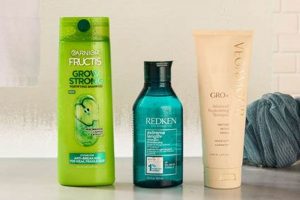
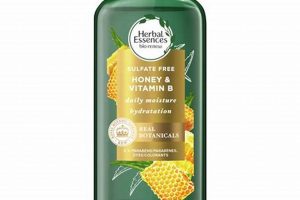
Products in the hair care market utilizing botanical extracts cultivated without synthetic pesticides or fertilizers and intended for cleansing the hair are increasingly prevalent. These formulations often incorporate plant-derived surfactants and emollients, replacing conventional synthetic alternatives found in many commercially available hair cleansers.
The appeal of these items stems from a perceived reduction in exposure to potentially harmful chemicals and a focus on sustainable practices. Proponents suggest that natural ingredients can offer gentler cleansing, improved scalp health, and reduced environmental impact compared to conventional products. Historically, plant-based ingredients have been employed for hair care across various cultures, representing a return to traditional methods and a growing awareness of ingredient sourcing and potential long-term effects.
The subsequent sections will delve into the specific components commonly found in these preparations, examine potential advantages and disadvantages, and consider their suitability for various hair types and conditions. Furthermore, we will discuss the certification processes that validate claims of natural or biological origin.
Guidance on Integrating Plant-Based Hair Cleansers into a Regimen
The following guidelines provide practical considerations for individuals seeking to incorporate cleansing agents formulated with botanically-derived components into their hair care practices. These suggestions emphasize informed selection and proper usage for optimal results.
Tip 1: Ingredient List Scrutiny: Prioritize a thorough review of the product’s ingredient list. Identify and research each component, particularly surfactants and preservatives, to ensure alignment with personal sensitivity levels and desired ethical standards.
Tip 2: Patch Testing Prior to Widespread Application: Before full-scale use, conduct a patch test by applying a small quantity of the product to a discreet area of the skin (e.g., behind the ear). Monitor for any adverse reactions such as redness, itching, or irritation over a 24-48 hour period.
Tip 3: Matching Formulation to Hair Type: Select formulations designed to address specific hair characteristics. Individuals with oily hair may benefit from preparations containing astringent herbs, while those with dry hair may require hydrating components like aloe vera or shea butter.
Tip 4: Gradual Transition and Monitoring: Implement a gradual transition from conventional to plant-based cleansers. This approach allows the scalp and hair to adjust to the new formulation, minimizing potential disruptions to sebum production and overall hair health. Observe changes in hair texture, scalp condition, and manageability.
Tip 5: Proper Dilution and Application Techniques: Some concentrated formulations may require dilution prior to application. Adhere strictly to the manufacturer’s instructions regarding dilution ratios and application methods. Ensure thorough rinsing to prevent residue buildup.
Tip 6: Complementary Hair Care Practices: Augment the use of plant-based cleansers with complementary hair care practices such as gentle detangling techniques, heat styling minimization, and regular scalp massage to promote circulation.
Tip 7: Environmental Considerations: Opt for products packaged in recyclable or biodegradable materials. Support brands committed to sustainable sourcing and ethical manufacturing practices.
By adhering to these guidelines, individuals can make informed decisions regarding the selection and use of plant-derived hair cleansing products, potentially maximizing benefits while minimizing the risk of adverse reactions. The transition to such items requires mindful consideration of individual hair characteristics and product composition.
The subsequent sections will address common concerns and misconceptions associated with naturally-derived hair care, offering evidence-based insights to facilitate informed consumer choices.
1. Ingredient Sourcing

The efficacy and ethical standing of hair cleansers marketed as “biological” are inextricably linked to ingredient sourcing. The term implies that the plant-derived components are cultivated and harvested according to environmentally sound and socially responsible practices. Certification, such as USDA Organic, seeks to ensure that these standards are met, from seed selection to processing. A lack of transparency in sourcing undermines claims of being environmentally friendly, as the cultivation methods may involve practices detrimental to ecosystems or labor exploitation. For instance, the wild harvesting of certain herbs, if unregulated, can lead to habitat degradation and species depletion.
A key concern lies in the potential for “greenwashing,” where products are falsely advertised as being more “biological” than they truly are. Without rigorous verification of the origin and processing methods of each ingredient, consumers lack assurance that the product aligns with their values. For example, a “biological” cleanser might contain a small percentage of certified components while the bulk of the formulation comprises conventional ingredients. Furthermore, the extraction and processing of plant materials can significantly impact their environmental footprint. Solvent extraction, for instance, may involve the use of toxic chemicals, negating some of the benefits associated with “biological” farming. A responsible manufacturer will provide detailed information about its supply chain, enabling consumers to make informed choices.
In conclusion, ingredient sourcing represents a critical determinant of the overall sustainability and authenticity of hair cleansers with plant-derived components. Opaque supply chains and unverifiable claims can undermine consumer trust and perpetuate unsustainable practices. Prioritizing products with transparent sourcing and credible certifications fosters a market that supports environmental stewardship and ethical labor standards, while ensuring that the consumer is not being misled.
2. Scalp Microbiome
The scalp, like other skin surfaces, harbors a complex ecosystem of microorganisms, collectively known as the scalp microbiome. This community, composed of bacteria, fungi, and viruses, plays a critical role in maintaining scalp health, influencing factors such as inflammation, sebum production, and immune response. Hair cleansers with plant-derived components can exert a significant influence on the composition and function of this microbial community. The impact depends on the specific ingredients and their interactions with the existing microbiota.
Conventional detergents and harsh chemicals commonly found in non-herbal hair cleansers can disrupt the delicate balance of the scalp microbiome, potentially leading to dysbiosis an imbalance in the microbial community associated with conditions like dandruff, seborrheic dermatitis, and folliculitis. Conversely, some botanical extracts possess antimicrobial properties that can selectively target pathogenic microorganisms while preserving beneficial species. For example, tea tree oil, often included in certain formulations, has demonstrated antifungal activity against Malassezia, a common culprit in dandruff. Similarly, other herbs may promote the growth of beneficial bacteria like Staphylococcus epidermidis, known for its role in maintaining skin barrier function. Understanding the specific effects of individual plant-derived components on the scalp microbiome is, therefore, essential for formulating hair cleansers that support a healthy scalp environment.
In summary, the interaction between hair cleansers formulated with botanical extracts and the scalp microbiome is a complex and dynamic process. The selection of ingredients should prioritize the preservation of a balanced microbial community to promote long-term scalp health. While some herbs may offer antimicrobial benefits, a holistic approach that considers the overall impact on the microbiome is crucial. Further research is needed to fully elucidate the specific effects of various plant-derived components on the scalp microbiome and to develop formulations that optimize scalp health.
3. Sustainability Practices

Sustainability practices within the “biological” hair care industry encompass a broad spectrum of initiatives aimed at minimizing environmental impact and promoting ethical sourcing. These practices are integral to the core principles of products marketed as “biological,” ensuring that claims of environmental responsibility are substantiated throughout the entire product lifecycle.
- Raw Material Sourcing
Sustainably sourced raw materials form the foundation of any environmentally conscious product. This facet involves prioritizing suppliers who adhere to “biological” farming standards, ensuring that botanical ingredients are cultivated without synthetic pesticides or fertilizers. It also encompasses fair trade practices, guaranteeing equitable compensation and safe working conditions for farmers and laborers. For example, a company sourcing lavender from a “biological” farm in France that employs traditional harvesting methods and provides fair wages exemplifies this facet.
- Manufacturing Processes
The manufacturing phase presents significant opportunities for reducing environmental footprint. Sustainable manufacturing practices include minimizing water and energy consumption, utilizing renewable energy sources, and implementing waste reduction strategies. Employing “green chemistry” principles to minimize the use of hazardous substances during extraction and formulation is also crucial. A facility that utilizes solar power, recycles water, and avoids the use of harsh chemical solvents demonstrates a commitment to sustainable manufacturing.
- Packaging and Distribution
Packaging represents a significant contributor to waste generation. Sustainable packaging solutions prioritize recyclable, biodegradable, or compostable materials. Minimizing packaging volume and weight reduces resource consumption and transportation costs. The use of post-consumer recycled materials further diminishes environmental impact. Companies that utilize glass bottles or biodegradable plastic alternatives and optimize packaging dimensions for efficient shipping exemplify sustainable packaging practices. Furthermore, optimizing distribution networks to minimize transportation distances and consolidate shipments reduces fuel consumption and carbon emissions.
- Water Conservation and Waste Management
Implementing effective water conservation measures during manufacturing processes is vital. Closed-loop water systems, where water is recycled and reused, minimize water consumption. Proper waste management protocols ensure that byproducts are treated responsibly, minimizing pollution. Collaborating with waste management facilities to recycle or compost manufacturing waste reduces landfill burden. Additionally, the formulation of concentrated products, requiring dilution by the consumer, reduces packaging volume and shipping weight, further contributing to overall sustainability.
These multifaceted sustainability practices are interconnected and essential for ensuring the environmental integrity of “biological” hair cleansers. Transparency in sourcing, manufacturing, packaging, and waste management enables consumers to make informed choices and support businesses committed to minimizing their environmental impact. Effective implementation of these practices requires ongoing evaluation, innovation, and a dedication to continuous improvement throughout the product lifecycle.
4. Potential Allergens

Hair cleansers with plant-derived components, while often perceived as gentler alternatives to conventional products, present a potential for allergic reactions due to the presence of botanical extracts. The very nature of these formulations, relying on complex mixtures of organic compounds, increases the likelihood of sensitization in susceptible individuals. Allergic contact dermatitis, characterized by redness, itching, and inflammation of the scalp, is a common manifestation of such reactions. For instance, chamomile, frequently incorporated for its soothing properties, contains sesquiterpene lactones, known allergens that can trigger reactions in individuals sensitive to the Asteraceae plant family. Similarly, lavender, valued for its fragrance, contains linalool and linalyl acetate, fragrance allergens that can induce sensitization upon repeated exposure.
The significance of identifying potential allergens lies in mitigating adverse reactions and promoting informed consumer choices. Individuals with known plant allergies, such as ragweed or poison ivy, should exercise caution when using products containing botanical extracts. A thorough review of the ingredient list is essential, paying particular attention to Latin binomials, which provide precise identification of plant species. Patch testing, applying a small amount of the product to a discreet area of skin and monitoring for any adverse reaction, is a prudent step before widespread use. Furthermore, the concentration of allergenic compounds in the formulation influences the likelihood of sensitization. Products with higher concentrations of essential oils, for example, may pose a greater risk. Manufacturers have a responsibility to disclose potential allergens clearly on product labels and to formulate products with minimal concentrations of known irritants.
In conclusion, while hair cleansers derived from plant extracts offer potential benefits, the presence of potential allergens necessitates careful consideration. Awareness of common botanical allergens, diligent ingredient list scrutiny, and proactive patch testing are crucial steps in minimizing the risk of adverse reactions. Transparency from manufacturers regarding allergen content and responsible formulation practices are essential for ensuring consumer safety and fostering trust in the “biological” hair care market. The inherent complexity of botanical ingredients demands a vigilant approach to allergen identification and management.
5. Certification Validity
Certification validity represents a cornerstone in the “biological” hair cleanser market, serving as a verifier of claims associated with formulations. The presence of a recognized certification indicates that an independent body has assessed the product and its production process against established standards. These standards typically encompass various aspects, including the sourcing of raw materials, the absence of prohibited synthetic ingredients, and the implementation of sustainable manufacturing practices. The absence of a valid certification raises concerns regarding the accuracy of claims made by the manufacturer and undermines consumer confidence.
For “biological” hair cleansers, certifications like USDA Organic, COSMOS, or Ecocert serve as valuable indicators of authenticity. USDA Organic, for instance, mandates that products contain at least 95% certified components, excluding water and salt. COSMOS and Ecocert employ a tiered system, allowing for varying percentages of “biological” components, but still require adherence to strict criteria. The practical significance of these certifications lies in providing consumers with a means to distinguish between genuinely “biological” products and those engaging in “greenwashing” the practice of making unsubstantiated claims about environmental benefits. A real-life example would be two cleansers, one labeled “biological” without certification and another carrying the USDA Organic seal. The certified product offers a higher degree of assurance that it meets the standards advertised.
The proliferation of unsubstantiated claims and misleading marketing tactics in the “biological” sector underscores the necessity of certification validity. Without reliable verification, consumers are vulnerable to deception and may unknowingly purchase products that do not meet their expectations or ethical considerations. A challenge arises from the varying stringency of different certification standards; some may prioritize certain aspects, such as component origin, while others emphasize environmental impact. Therefore, consumers should familiarize themselves with the specific criteria of the certification seal displayed on the product to make informed choices. Ultimately, certification validity serves as a critical mechanism for promoting transparency, accountability, and consumer trust within the “biological” hair cleanser market.
Frequently Asked Questions
The following section addresses commonly encountered inquiries regarding preparations for washing hair formulated with plant-derived components. The responses provided aim to offer clarity and evidence-based information to facilitate informed consumer decisions.
Question 1: Is a preparation labeled as having plant-derived components inherently gentler than conventional hair cleansers?
The gentleness of a hair cleanser is not solely determined by the presence of plant-derived components. Some botanical extracts can be irritating or allergenic to certain individuals. A thorough review of the ingredient list and a patch test are recommended to assess suitability for individual skin sensitivity.
Question 2: Do preparations for hair washing with botanical extracts effectively cleanse the hair and scalp compared to conventional formulations?
The cleansing efficacy depends on the specific surfactants and detergents used in the formulation. Some plant-derived surfactants can provide comparable cleansing to synthetic alternatives, while others may be less effective at removing sebum and product buildup. Consider hair type and desired level of cleansing when selecting a product.
Question 3: Are hair preparations formulated with plant-derived components always free of synthetic chemicals?
Not necessarily. Some preparations marketed as having plant-derived components may still contain synthetic preservatives, fragrances, or other additives. A careful examination of the ingredient list is essential to determine the overall composition of the product.
Question 4: How can one verify the validity of “biological” claims associated with products for washing hair?
Look for recognized certifications, such as USDA Organic, COSMOS, or Ecocert, issued by independent certifying bodies. These certifications indicate that the product has been assessed against established standards for raw material sourcing, manufacturing processes, and ingredient composition.
Question 5: Do hair preparations that contain botanical extracts have a longer shelf life compared to conventional alternatives?
The shelf life of a hair cleanser depends on the specific preservatives used in the formulation. Some botanical extracts possess antimicrobial properties that can contribute to preservation, but synthetic preservatives are often necessary to ensure adequate shelf life and prevent microbial contamination.
Question 6: Are hair preparations that consist plant-derived components suitable for all hair types?
The suitability of a hair cleanser for a particular hair type depends on the specific ingredients and their effects on sebum production, moisture retention, and hair protein structure. Select preparations formulated to address specific hair characteristics, such as oily, dry, fine, or coarse hair.
In summary, consumers should approach “biological” hair cleansers with a critical and discerning mindset. Claims of gentleness, efficacy, and purity should be verified through careful ingredient list scrutiny, certification validation, and consideration of individual hair type and sensitivity.
The subsequent section will explore potential benefits associated with these preparations, examining factors such as reduced chemical exposure and environmental impact.
Conclusion
The preceding analysis has explored various facets of organic herbal shampoo, encompassing ingredient sourcing, impact on the scalp microbiome, sustainability practices, potential allergens, and certification validity. A comprehensive understanding of these elements is essential for making informed choices within the increasingly prevalent market. The composition and production of these cleansers vary significantly, impacting their efficacy, environmental footprint, and suitability for individual needs.
Continued vigilance is warranted when evaluating claims and selecting such products. Prioritizing transparency in sourcing, rigorous testing for allergens, and adherence to recognized certification standards ensures that consumer expectations align with product reality. Further research into the long-term effects of plant-derived components on both human health and the environment is needed to promote responsible innovation and sustainable practices within the hair care industry. The informed consumer plays a crucial role in driving demand for ethical and environmentally sound formulations.