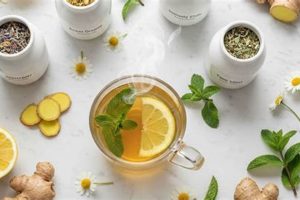
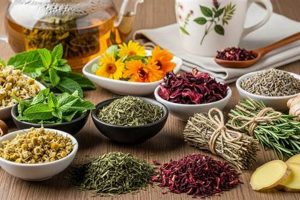
The optimal herbal infusion to support the breakdown of food and nutrient absorption represents a natural approach to gastrointestinal well-being. For example, consuming peppermint, ginger, or chamomile preparations has been traditionally utilized to alleviate discomfort related to bloating, gas, and indigestion.
Maintaining a healthy digestive system is fundamental to overall wellness. Historically, cultures worldwide have relied on plant-based remedies to address digestive ailments. The efficacy of these remedies is often attributed to the presence of compounds that can relax the gastrointestinal tract, reduce inflammation, and stimulate digestive enzyme production. These actions can contribute to improved nutrient assimilation and reduced occurrence of unpleasant symptoms.
The subsequent sections will delve into specific herbal infusions known for their beneficial impact on the alimentary canal, examining their properties and providing guidance on their appropriate use for promoting improved gastrointestinal function.
Guidance on Utilizing Herbal Infusions for Digestive Support
The following recommendations are intended to provide practical information for incorporating plant-based infusions into a regimen aimed at promoting improved digestive health.
Tip 1: Prioritize Single-Ingredient Infusions. Initiate use with single-herb preparations to identify potential sensitivities or adverse reactions. This approach allows for accurate assessment of individual tolerance and efficacy before combining multiple herbs.
Tip 2: Observe Brewing Time Recommendations. Adhere to recommended steeping times, typically ranging from 5 to 10 minutes, depending on the specific herb. Over-steeping can result in a bitter or unpalatable beverage, while under-steeping may limit the extraction of beneficial compounds.
Tip 3: Consume Pre- or Post-Meal. Experiment with consuming the infusion either 15-30 minutes before meals to stimulate digestive secretions or 30-60 minutes after meals to aid in food breakdown and reduce postprandial discomfort.
Tip 4: Consider Water Temperature. Use appropriately heated water. For delicate herbs like chamomile, water just below boiling (around 200F or 93C) is recommended. For more robust herbs like ginger, boiling water can be utilized.
Tip 5: Monitor Symptom Response. Maintain a record of symptoms and frequency of use. This tracking allows for adjustments in dosage and selection of herbal ingredients based on individual response and observed benefits.
Tip 6: Maintain Hydration. While beneficial, these infusions should supplement, not replace, adequate water intake throughout the day. Proper hydration is crucial for overall digestive function and nutrient absorption.
Tip 7: Purchase from Reputable Sources. Obtain dried herbs or pre-packaged infusions from reputable suppliers who adhere to quality control standards. This minimizes the risk of contamination and ensures the potency and purity of the product.
Implementing these guidelines can facilitate the safe and effective incorporation of carefully chosen infusions into a comprehensive approach to digestive well-being, fostering improved gastrointestinal function and overall health.
The subsequent section will address potential contraindications and cautionary measures associated with these natural preparations, ensuring informed decision-making regarding their use.
1. Herb Specificity

Herb specificity, in the context of infusions intended to support digestive function, refers to the unique pharmacological properties inherent to each individual botanical species. This specificity dictates the particular effects elicited upon consumption, and understanding these distinctions is paramount in selecting the appropriate infusion for a given digestive concern.
- Carminative Action
Certain herbs, such as peppermint and ginger, possess carminative properties. These properties are characterized by their ability to reduce the formation of gas in the gastrointestinal tract and facilitate its expulsion. These infusions are often selected to alleviate bloating, flatulence, and associated abdominal discomfort. Ginger, for example, contains gingerol, a compound known to stimulate gastric emptying and reduce nausea.
- Anti-inflammatory Effects
Chamomile and licorice root exhibit anti-inflammatory properties that can be beneficial in soothing irritated digestive tissues. These infusions are often employed to address conditions characterized by inflammation, such as gastritis or irritable bowel syndrome (IBS). Chamomile contains compounds like apigenin, which has demonstrated anti-inflammatory and antispasmodic effects on the gastrointestinal system.
- Digestive Enzyme Stimulation
Some herbs, notably gentian and dandelion root, can stimulate the production of digestive enzymes. These enzymes are crucial for the breakdown of macronutrients (proteins, carbohydrates, and fats) into smaller, more readily absorbable molecules. Infusions containing these herbs may be beneficial for individuals experiencing digestive insufficiency or malabsorption.
- Antispasmodic Properties
Herbs such as fennel and anise possess antispasmodic properties, which can help to relax the smooth muscles of the gastrointestinal tract. This relaxation can alleviate abdominal cramps and spasms associated with conditions like IBS or postprandial discomfort. These herbs contain volatile oils that exert a direct effect on the gastrointestinal musculature.
The careful selection of herbal infusions based on their specific pharmacological actions allows for a targeted approach to addressing various digestive complaints. While multiple herbs may offer benefits, understanding the nuances of herb specificity is crucial for maximizing therapeutic efficacy and minimizing potential adverse effects, thus leading to the choice of a preparation that is considered most beneficial for the individual need.
2. Bioactive Compounds

The efficacy of an infusion for the support of digestive health is inextricably linked to its constituent bioactive compounds. These naturally occurring chemicals exert a range of physiological effects within the gastrointestinal tract, influencing processes from motility to enzyme activity.
- Polyphenols
Polyphenols, abundant in several plant species used in digestive infusions, exhibit antioxidant and anti-inflammatory properties. These compounds can mitigate oxidative stress and reduce inflammation within the digestive tract, potentially alleviating symptoms associated with inflammatory bowel conditions. Examples include catechins in green tea and flavonoids in chamomile. They are also believed to have prebiotic effects, fostering a healthier gut microbiome.
- Terpenoids
Terpenoids, a diverse class of organic compounds, contribute to the aroma and flavor of many herbal infusions. Certain terpenoids, such as menthol found in peppermint, possess antispasmodic properties, relaxing the smooth muscles of the gastrointestinal tract and relieving cramping. Other terpenoids can stimulate bile production, aiding in the digestion and absorption of fats.
- Alkaloids
While less prevalent in infusions commonly used for digestion, certain alkaloids can exert significant physiological effects. For instance, berberine, found in some plants, has demonstrated antimicrobial activity and may help regulate gut flora. However, alkaloid-containing herbs should be used with caution and under professional guidance due to their potential for adverse effects.
- Volatile Oils
Volatile oils, responsible for the characteristic scents of many herbal infusions, contribute to their digestive benefits. For example, the volatile oils in fennel seeds can reduce bloating and flatulence by relaxing the muscles of the digestive tract and promoting the expulsion of gas. These oils often exhibit carminative properties.
The interplay of these bioactive compounds determines the overall therapeutic potential of an infusion for digestive support. Understanding the specific composition of a given herbal preparation allows for a more targeted approach to addressing individual digestive concerns, maximizing efficacy, and minimizing the risk of unwanted side effects. Factors such as growing conditions, harvesting methods, and processing techniques can all influence the concentration and profile of these vital constituents within the final product.
3. Preparation Method

The preparation method significantly influences the efficacy of an infusion intended to support digestive function. The process by which the infusion is created dictates the extraction of bioactive compounds from the plant material, directly affecting the beverage’s therapeutic potential. Inadequate preparation may result in a weak infusion, yielding minimal digestive benefits, while improper techniques can lead to the extraction of undesirable components or degradation of beneficial compounds. For example, using water that is too hot for delicate herbs like chamomile can destroy volatile oils responsible for their soothing properties, diminishing their effectiveness in alleviating digestive discomfort. Conversely, failing to use sufficiently hot water for tougher herbs like ginger may result in incomplete extraction of gingerol, limiting its carminative and anti-inflammatory effects.
Steeping time is a critical aspect of the preparation method. Short steeping times may not allow for adequate extraction of bioactive compounds, whereas prolonged steeping can result in a bitter or astringent infusion due to the release of tannins. The ideal steeping time varies depending on the specific herb and the desired concentration of active constituents. For instance, peppermint typically requires a shorter steeping time (5-7 minutes) compared to dandelion root (10-15 minutes) to achieve optimal extraction. Furthermore, the choice of container material (e.g., glass, ceramic, stainless steel) can impact the infusion’s quality, with certain materials potentially interacting with the herbal components. It is also important to choose filtered or purified water in order to avoid contaminants that can affect the taste of the tea or potentially interfere with its beneficial compounds. Proper straining and filtering ensures a smooth, palatable beverage, enhancing the overall experience and encouraging consistent consumption.
In summary, the preparation method is not merely a procedural step but an integral determinant of the digestive benefits derived from an infusion. Careful attention to water temperature, steeping time, container material, and water quality is essential for maximizing the extraction of bioactive compounds and ensuring the delivery of a potent and effective herbal remedy. A standardized approach to preparation, based on research and best practices, is necessary to optimize the therapeutic outcome and promote consistent results. The knowledge of proper tea preparation will lead to the choice of herbal tea that is considered to be the best for digestion.
4. Consumption Timing

The timing of infusion consumption significantly influences its impact on digestive function. Strategically aligning ingestion with meal schedules can optimize the therapeutic benefits of various herbal preparations. The choice between pre- or post-meal consumption hinges on the specific herb and the desired physiological outcome.
- Pre-Prandial Consumption for Enhanced Digestive Secretions
Consuming infusions approximately 15-30 minutes prior to a meal can stimulate digestive secretions, preparing the gastrointestinal tract for the incoming food bolus. Herbs with bitter principles, such as gentian root, are particularly effective in this regard, promoting the release of gastric acid, digestive enzymes, and bile. This pre-emptive stimulation can improve nutrient breakdown and absorption, reducing the likelihood of indigestion and bloating, thereby maximizing the effects of the infusion.
- Post-Prandial Consumption for Enhanced Gastric Motility
Ingesting infusions 30-60 minutes after a meal can aid in gastric emptying and reduce postprandial discomfort. Carminative herbs like peppermint and ginger are well-suited for this purpose, alleviating bloating, gas, and nausea by relaxing the smooth muscles of the digestive tract and promoting the expulsion of gas. The timing allows the active compounds to interact with the partially digested food, facilitating further breakdown and reducing the risk of fermentation and gas production.
- Evening Consumption for Soothing and Repair
Consuming certain infusions in the evening, prior to sleep, can promote relaxation of the digestive system and support overnight repair processes. Chamomile, with its anti-inflammatory and antispasmodic properties, is a prime example. The gentle relaxing effects can ease any digestive discomfort experienced during the day and encourage restful sleep, which is essential for optimal gut health.
- Considerations for Individuals with Specific Conditions
Individuals with specific digestive conditions, such as gastroesophageal reflux disease (GERD), must exercise caution when considering consumption timing. Certain infusions, particularly those containing peppermint, can relax the lower esophageal sphincter, potentially exacerbating reflux symptoms. In such cases, consumption timing should be carefully managed, and alternative herbs or consumption strategies may be necessary to minimize adverse effects.
Ultimately, the optimal consumption timing of herbal infusions is a nuanced decision influenced by the specific herb, individual physiology, and desired therapeutic outcome. A personalized approach, guided by an understanding of the herb’s properties and the individual’s digestive needs, is essential for maximizing the benefits and minimizing potential risks.
5. Individual Tolerance

Individual tolerance is a cornerstone consideration when determining the suitability of a botanical infusion for digestive support. The physiological response to herbal compounds varies substantially across individuals, rendering the concept of a universally “best” preparation an oversimplification. Factors such as genetic predisposition, pre-existing health conditions, concurrent medications, and even psychological state can modulate an individual’s reaction to a specific herbal ingredient.
A preparation tolerated well by one individual may elicit adverse effects in another. For example, while ginger is widely recognized for its anti-nausea properties, some individuals experience heartburn or gastric irritation following its consumption. Chamomile, often lauded for its calming effects, can trigger allergic reactions in individuals sensitive to plants in the Asteraceae family. Furthermore, interactions between herbal compounds and pharmaceuticals can alter drug metabolism, potentially leading to reduced drug efficacy or increased risk of adverse events. Therefore, a thorough assessment of individual medical history and potential contraindications is paramount before initiating any herbal regimen. The careful monitoring of symptoms following initial consumption is a crucial step in determining individual suitability.
In conclusion, the selection of an herbal infusion for digestive support must be predicated on a comprehensive understanding of individual tolerance. A trial-and-error approach, initiated with low doses and careful observation, is recommended. Consulting with a qualified healthcare professional, particularly one with expertise in herbal medicine, is advised to ensure safety and efficacy, especially in individuals with pre-existing health conditions or those taking prescription medications. The notion of a singular, universally applicable solution is untenable; the “most suitable” infusion is that which aligns with an individual’s unique physiological profile and promotes digestive well-being without eliciting adverse effects.
Frequently Asked Questions About Optimal Herbal Infusions for Digestive Support
The following addresses common inquiries regarding the selection and utilization of botanical infusions for the purpose of enhancing gastrointestinal well-being.
Question 1: Are there potential side effects associated with consuming infusions intended to enhance digestion?
Botanical infusions are generally considered safe for consumption. However, certain individuals may experience adverse reactions, particularly with high doses or prolonged use. Common side effects may include allergic reactions, gastrointestinal upset, or interactions with medications. It is imperative to consult with a healthcare professional prior to incorporating new infusions into a routine, particularly for individuals with pre-existing health conditions or those taking prescription medications. Discontinue use immediately if adverse symptoms manifest.
Question 2: How frequently should infusions be consumed to elicit discernible benefits on the digestive process?
The optimal frequency of consumption varies depending on the individual and the specific herbal preparation. Generally, consuming one to three cups daily is considered a safe and effective starting point. Consistent daily use over a period of several weeks may be necessary to observe tangible improvements in digestive function. However, it is advisable to start with a lower frequency and gradually increase as tolerated, monitoring for any adverse effects.
Question 3: Can infusions entirely replace conventional medical treatments for digestive disorders?
Botanical infusions may offer adjunctive support for certain digestive disorders, but they should not be regarded as a substitute for conventional medical treatments. Individuals experiencing persistent or severe digestive symptoms should seek medical evaluation to rule out underlying conditions requiring pharmacological or surgical intervention. Infusions may complement conventional therapies but should not replace them without explicit guidance from a qualified healthcare professional.
Question 4: Do all herbal infusions possess equal efficacy in promoting digestive health?
The efficacy of infusions varies widely depending on the specific botanical ingredients, preparation methods, and individual physiology. Certain herbs, such as ginger and peppermint, are well-established for their digestive benefits, while others may have limited scientific evidence to support their use. Selecting infusions based on their specific properties and individual needs is crucial for maximizing therapeutic outcomes. Consider consulting with a qualified herbalist or healthcare professional for personalized recommendations.
Question 5: Is it safe to consume infusions during pregnancy or breastfeeding?
Certain botanical infusions are contraindicated during pregnancy and breastfeeding due to potential risks to the developing fetus or infant. It is imperative to consult with an obstetrician or lactation consultant prior to consuming any herbal infusion during these periods. Some infusions, such as chamomile, may be considered safe in moderation, while others, such as senna, should be avoided due to their potential to stimulate uterine contractions or pass into breast milk.
Question 6: How should infusions be stored to maintain their potency and freshness?
Infusions, whether in dried herb or pre-packaged form, should be stored in airtight containers, away from direct sunlight, heat, and moisture. Exposure to these elements can degrade the bioactive compounds responsible for their therapeutic effects. Properly stored infusions typically maintain their potency for up to one year. Discard any infusions that exhibit signs of spoilage, such as discoloration, off-odors, or mold growth.
The prudent and informed use of botanical infusions can be a valuable adjunct to a comprehensive approach to digestive health. However, it is essential to exercise caution, consult with qualified healthcare professionals, and monitor individual responses to ensure safety and efficacy.
The subsequent section will delve into further considerations regarding the integration of these preparations into a holistic wellness regimen.
Conclusion
This exploration has illuminated the multifaceted aspects surrounding the selection and utilization of botanical infusions for digestive support. Critical factors such as herb specificity, bioactive compound composition, preparation methods, consumption timing, and individual tolerance have been examined. The information presented underscores the absence of a universally applicable solution; rather, the most suitable approach involves a personalized strategy predicated on careful consideration of these variables.
Ultimately, the integration of specific herbal infusions into a regimen aimed at digestive well-being requires informed decision-making and responsible implementation. Consultation with qualified healthcare professionals is advisable, particularly for individuals with pre-existing conditions or those undergoing pharmacological treatment. Continued research and evidence-based practices will further refine understanding of the potential benefits and limitations of these natural preparations. The future of digestive health may well involve a synergistic approach, combining the wisdom of traditional herbal medicine with the rigor of modern scientific investigation, thereby optimizing patient outcomes and enhancing overall quality of life.