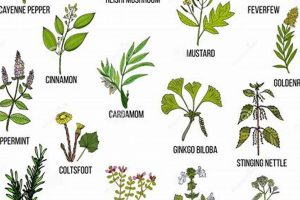
Beverages derived from infusions or decoctions of herbs, spices, flowers, or other plant material that offer a particularly agreeable sensory experience upon consumption constitute a desirable category. For instance, a chamomile infusion exhibiting subtle floral notes and a smooth, soothing character would fall into this classification.
The appeal of these flavorful infusions lies in their potential contributions to overall well-being, their absence of caffeine, and their versatility as either a warm, comforting beverage or a refreshing iced drink. Throughout history, various cultures have prized herbal infusions for their therapeutic properties and enjoyable taste, incorporating them into daily rituals and medicinal practices.
The following discussion will delve into factors influencing palatability, explore popular varieties renowned for their superior flavors, and provide guidance on selecting and preparing these enjoyable and healthful drinks.
Tips for Identifying Palatable Herbal Infusions
Maximizing enjoyment of herbal beverages requires careful consideration of several factors that contribute to a more pleasant taste profile.
Tip 1: Select High-Quality Ingredients: The intrinsic flavor of the plant material is paramount. Opt for loose-leaf herbs from reputable sources, ensuring freshness and minimal processing.
Tip 2: Consider Blending Herbs: Combining different herbs can create complex and nuanced flavors. Experiment with complementary pairings, such as chamomile and lavender, or peppermint and licorice root, to achieve a desired taste.
Tip 3: Control Water Temperature: Overly hot water can scorch delicate herbs, resulting in a bitter taste. Generally, using water just below boiling point (around 200F or 93C) is recommended for most herbal infusions.
Tip 4: Adhere to Steeping Time: Allow the herbs to steep for the appropriate duration, typically 5-7 minutes. Over-steeping can lead to a bitter or astringent taste, while under-steeping may result in a weak flavor.
Tip 5: Adjust Sweetness Strategically: If desired, incorporate natural sweeteners such as honey, agave nectar, or stevia sparingly to enhance the flavor without masking the natural characteristics of the herbs.
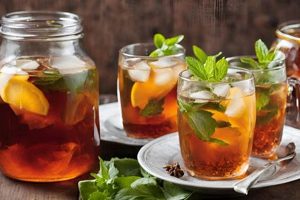
Tip 6: Explore Iced Infusions: Many herbal infusions are equally enjoyable when served chilled. Prepare a concentrated brew and pour it over ice for a refreshing alternative.
Tip 7: Investigate Different Varieties: Palatability is subjective. Experiment with various herbal blends and single-herb infusions to discover personal preferences.
By implementing these guidelines, consumers can significantly enhance their experience with herbal beverages and derive maximum pleasure from their flavor profiles.
The subsequent section will explore specific herbal varieties that are widely recognized for their appealing flavors and potential health benefits.
1. Ingredient Quality

Ingredient quality is a foundational determinant of the sensory characteristics inherent in herbal infusions. The intrinsic properties of the herbs and botanicals used directly influence the flavor, aroma, and overall palatability of the final beverage.
- Source and Cultivation Practices
The origin and methods employed in cultivating herbs significantly impact their chemical composition and, consequently, their flavor profile. Herbs grown in optimal environmental conditions, free from excessive pesticide use, and harvested at peak maturity exhibit superior taste characteristics. Wildcrafted herbs, gathered sustainably from their natural habitats, may also possess unique and desirable flavor nuances.
- Freshness and Storage
The freshness of the herbs is crucial for preserving their volatile aromatic compounds and preventing deterioration of flavor. Proper storage in airtight containers, away from light, heat, and moisture, is essential for maintaining the integrity of the ingredients. Stale or improperly stored herbs will yield a weak or off-flavor in the infusion.
- Processing and Handling
The methods used to process and handle herbs after harvesting can affect their taste. Gentle drying techniques, such as air-drying or freeze-drying, preserve more of the natural flavor and aroma compared to harsh heat-drying methods. Minimal processing and careful handling minimize damage to the plant material, resulting in a more flavorful infusion.
- Varietal Selection
Different varietals of the same herb can exhibit distinct flavor profiles. For example, several chamomile cultivars exist, each possessing a unique combination of floral, fruity, and sweet notes. Selecting the appropriate varietal for a specific application can significantly enhance the taste of the final infusion.
In conclusion, the quality of ingredients profoundly impacts the overall sensory experience. Sourcing fresh, properly cultivated, and carefully processed herbs is indispensable for creating palatable and enjoyable herbal infusions. These factors collectively contribute to beverages with robust flavors and distinct aromatics, ultimately enhancing consumer satisfaction.
2. Flavor Profile
The flavor profile constitutes a primary attribute in determining whether an herbal infusion is perceived as the most palatable. This multifaceted characteristic encompasses a complex interplay of taste sensations, aromas, and mouthfeel that collectively define the sensory experience. The presence, absence, or balance of specific flavor compounds directly influences consumer preferences and ultimately dictates the acceptance or rejection of a particular herbal tea.
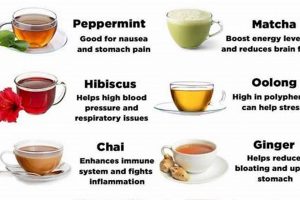
The impact of the flavor profile is demonstrable through numerous examples. Peppermint, for instance, derives its characteristic cooling and refreshing sensation from menthol, a volatile organic compound. Infusions with a high concentration of menthol are often favored for their invigorating effect. Conversely, certain herbs, such as valerian root, contain compounds that impart a distinctly earthy and slightly bitter taste. These flavors, while acceptable or even desirable to some, may be unpalatable to others, underscoring the subjective nature of taste perception. Similarly, the presence of tannins can contribute to an astringent mouthfeel, which can either enhance or detract from the overall enjoyment, depending on the concentration and the individual’s tolerance.
In conclusion, the flavor profile is not merely a descriptive element but a critical determinant of palatability in herbal infusions. Understanding the chemical composition and sensory attributes of various herbs is essential for creating blends that cater to specific taste preferences and maximize consumer satisfaction. The manipulation of flavor profiles through blending, processing techniques, and ingredient selection represents a significant opportunity to enhance the enjoyment and broaden the appeal of herbal beverages, its important to create blends which would taste the best tasting herbal tea.
3. Aromatic Intensity
Aromatic intensity is a significant determinant of the perceived quality and overall enjoyment of any herbal infusion. The volatile organic compounds released from the herbs during steeping contribute substantially to the sensory experience, influencing both the initial impression and sustained appreciation of the beverage.
- Impact on Flavor Perception
Aroma directly influences taste perception through a phenomenon known as retronasal olfaction. Volatile compounds travel from the oral cavity to the olfactory receptors in the nasal cavity, where they are interpreted as flavor notes. For instance, the characteristic scent of lavender enhances the floral notes in its taste, contributing to a more complex and satisfying sensory experience. A weak aroma may lead to a bland or muted flavor profile, diminishing the perceived quality.
- Influence on Initial Impression
The initial aroma is often the first sensory cue that consumers encounter. A strong and pleasant aroma can create a positive expectation and encourage consumption. Conversely, an unpleasant or weak aroma may deter individuals from trying the tea, regardless of its actual taste. The immediate olfactory sensation sets the stage for the subsequent gustatory experience.
- Correlation with Herb Quality
A robust aroma often indicates the freshness and quality of the herbs used. Herbs that have been improperly stored or have aged significantly tend to lose their volatile compounds, resulting in a weaker and less complex aroma. A potent aroma suggests that the herbs were harvested at peak maturity and have been handled with care, preserving their essential oils and aromatic constituents.
- Variations Across Herbal Types
Different herbal types exhibit distinct aromatic profiles, contributing to their unique appeal. Chamomile boasts a delicate floral aroma, while peppermint offers a refreshing and invigorating scent. The diverse range of aromas available allows consumers to select herbal infusions that align with their individual preferences and desired sensory experiences. Manipulating the aromatic profile through blending can also create novel and appealing combinations.
In summary, aromatic intensity is inextricably linked to the palatability of herbal infusions. A robust and pleasing aroma enhances the flavor, shapes the initial impression, reflects the quality of the herbs, and provides consumers with a diverse range of sensory options. All of these factors help to create what some might consider the “best tasting herbal tea.”
4. Brewing Method

The brewing method exerts a profound influence on the extraction of flavor compounds from herbal ingredients, directly impacting the palatability and overall quality of the resultant infusion. Variations in brewing parameters can either enhance desirable flavor notes or introduce undesirable bitterness, astringency, or a lack of aromatic complexity. The selection of an appropriate brewing technique is therefore paramount in achieving a beverage that aligns with the notion of “best tasting herbal tea”.
- Water Temperature
Water temperature is a critical variable. Overly hot water can scorch delicate herbs, leading to the release of bitter compounds and a diminished flavor profile. Conversely, water that is too cool may result in incomplete extraction, yielding a weak and underdeveloped infusion. The optimal water temperature varies depending on the specific herbs used; for instance, delicate floral herbs like chamomile benefit from lower temperatures (around 170-180F or 77-82C), while more robust herbs like ginger can withstand higher temperatures (around 200-212F or 93-100C).
- Steeping Time
The duration of steeping significantly affects the concentration of extracted compounds. Insufficient steeping time will result in a weak and under-flavored infusion, failing to fully capture the aromatic and taste characteristics of the herbs. Conversely, excessive steeping can lead to over-extraction, resulting in a bitter or astringent taste due to the release of tannins and other undesirable compounds. A general guideline is to steep herbal infusions for 5-7 minutes, but adjustments may be necessary based on the specific herbs and desired strength.
- Herb-to-Water Ratio
The ratio of herbs to water is a fundamental determinant of the infusion’s strength and flavor intensity. Using too few herbs will produce a weak and watery infusion, lacking the desired depth of flavor. Conversely, using too many herbs can result in an overly concentrated and potentially bitter or overpowering infusion. A general recommendation is to use approximately 1 teaspoon of dried herbs per 8 ounces (240 ml) of water, but adjustments may be made to suit individual preferences.
- Water Quality
The quality of the water used in brewing significantly impacts the taste of the final infusion. Water containing high levels of minerals, chlorine, or other impurities can negatively affect the flavor, masking the delicate notes of the herbs and introducing undesirable tastes. Using filtered or spring water is generally recommended to ensure a clean and pure flavor profile. The pH of the water can also influence the extraction of certain compounds, with slightly acidic water generally favored for optimal flavor extraction.
In summary, the brewing method represents a crucial factor in achieving a palatable and enjoyable herbal infusion. Careful attention to water temperature, steeping time, herb-to-water ratio, and water quality is essential for optimizing the extraction of desirable flavor compounds and avoiding the development of undesirable tastes. Mastering these brewing parameters allows for the creation of herbal infusions that can be considered as a candidate for the “best tasting herbal tea.”
5. Personal Preference
The subjective experience of taste dictates the ultimate judgment of an herbal infusion’s palatability. While objective factors, such as ingredient quality and brewing technique, contribute significantly, the assessment of whether an infusion qualifies as the “best tasting herbal tea” rests firmly upon individual preferences. This subjectivity stems from variations in genetic predispositions, learned associations, cultural influences, and personal experiences that shape an individual’s perception of flavor.
The effect of personal preference manifests diversely. One individual may find the earthy notes of rooibos soothing and grounding, while another might perceive them as unappealing. Similarly, the floral aroma of lavender, celebrated for its calming properties, could be overpowering for some palates. A prior positive association with a specific aroma or taste can create a preference, while a negative experience can lead to aversion. Cultural backgrounds also play a role; for instance, certain herbal blends are traditionally consumed in specific regions, leading to a familiarity and acceptance that may not extend to individuals from different cultural contexts. The practical significance of acknowledging personal preference lies in the understanding that no single herbal infusion can universally claim the title of “best tasting.” Instead, selection must be guided by individual tastes and preferences.
The pursuit of the “best tasting herbal tea” is, therefore, a personalized journey of discovery. Individuals are encouraged to explore a wide range of herbal varieties, experiment with different brewing techniques, and consider their own sensory inclinations. By recognizing the subjective nature of taste and embracing the diversity of herbal flavors, individuals can curate a selection of infusions that cater to their specific preferences and provide a satisfying and enjoyable sensory experience. This approach ensures that the chosen infusions, though not universally acclaimed, represent the epitome of palatability for the individual consumer.
Frequently Asked Questions About Palatable Herbal Infusions
This section addresses common inquiries regarding the selection, preparation, and enjoyment of herbal infusions known for their agreeable taste profiles. It aims to clarify misconceptions and provide practical guidance for consumers seeking to enhance their herbal tea experience.
Question 1: What factors contribute to the overall palatability of herbal infusions?
Palatability is influenced by several key factors, including the quality of the herbal ingredients, the balance of flavor notes (sweet, bitter, herbaceous), the intensity of the aroma, the brewing method employed, and individual taste preferences. High-quality herbs, properly brewed and tailored to personal taste, contribute to a more enjoyable experience.
Question 2: Can the perceived taste of an herbal infusion be altered?
Yes, several techniques can modify the taste of herbal infusions. Adjusting the water temperature, steeping time, and herb-to-water ratio can significantly alter the flavor profile. Adding natural sweeteners or blending different herbs together can also enhance or mask certain flavor notes.
Question 3: Are there specific herbal varieties known for their consistently pleasant taste?
Certain herbal varieties are widely recognized for their agreeable flavors. Chamomile, peppermint, ginger, and rooibos are frequently cited for their balanced flavor profiles and aromatic qualities. However, individual preferences vary, and exploration of diverse herbal varieties is encouraged.
Question 4: Does the method of storing herbs affect the taste of the resulting infusion?
Yes, proper storage is crucial for preserving the flavor and aroma of herbs. Exposure to light, heat, and moisture can degrade the volatile oils responsible for their characteristic taste. Storing herbs in airtight containers in a cool, dark place is recommended.
Question 5: How does water quality impact the palatability of herbal infusions?
Water quality can significantly impact the taste of herbal infusions. Impurities, chlorine, and high mineral content can mask the delicate flavors of the herbs. Using filtered or spring water is recommended to ensure a clean and pure flavor profile.
Question 6: Can adding other ingredients enhance the taste of herbal infusions?
The addition of other ingredients can complement or enhance the taste of herbal infusions. Honey, lemon, spices (such as cinnamon or cloves), and even slices of fresh fruit can add complexity and depth to the flavor profile. Experimentation is encouraged to discover preferred combinations.
In conclusion, achieving a palatable herbal infusion involves considering various factors, from ingredient quality to brewing technique and personal taste preferences. By paying attention to these elements, consumers can optimize their sensory experience and fully appreciate the subtle nuances of herbal beverages.
The following section will delve into popular herbal infusion varieties and their respective flavor profiles.
Conclusion
The preceding discourse has explored various facets relevant to identifying a palatable herbal infusion. Key determinants include sourcing high-quality ingredients, employing appropriate brewing techniques, understanding personal taste preferences, and appreciating the influence of aroma and flavor profiles. The interplay of these factors ultimately dictates the sensory experience derived from each cup.
The pursuit of identifying the objectively “best tasting herbal tea” remains a subjective endeavor, contingent upon individual palates and preferences. Continued exploration and mindful preparation are encouraged to unlock the full potential of these infusions and foster a deeper appreciation for the nuances of herbal beverages, with emphasis on their potential benefits.