Selection of safe and beneficial botanical infusions consumed during gestation can provide comfort and address common pregnancy discomforts. These beverages, derived from various plants, offer a natural alternative for managing mild symptoms often experienced throughout the term.
Historically, plant-based remedies have played a significant role in prenatal care across various cultures. The careful selection of certain plants offers potential advantages, including soothing digestive issues, promoting relaxation, and supporting overall well-being during this period of physiological change. It is, however, crucial to acknowledge that not all botanicals are suitable, and professional guidance is paramount.
The following sections will explore specific plant infusions generally recognized as safe for consumption during pregnancy, outlining their potential benefits and highlighting key considerations for their responsible use.
Guidance on the Use of Botanical Infusions During Gestation
The following guidelines offer insights into incorporating specific plant infusions into a prenatal wellness regimen, emphasizing safety and responsible consumption.
Tip 1: Consultation is Essential. Prior to introducing any new botanical infusion, consult with a qualified healthcare provider or certified herbalist. This step is crucial for ensuring safety and identifying potential contraindications based on individual health conditions and pregnancy history.
Tip 2: Prioritize Single-Ingredient Infusions. Opt for single-ingredient infusions over complex blends. This simplifies identification of potential allergens or adverse reactions. It also allows for better control over dosage and specific plant effects.
Tip 3: Source Reputable Brands. Select infusions from established and reputable brands that adhere to rigorous quality control standards. Look for certifications indicating third-party testing for purity, potency, and absence of contaminants such as heavy metals and pesticides.
Tip 4: Start with Small Quantities. When introducing a new infusion, begin with a small serving size (e.g., one cup per day). Monitor for any adverse reactions, such as allergic symptoms, digestive upset, or changes in blood pressure.
Tip 5: Observe Brewing Guidelines. Adhere to recommended brewing times and water temperatures. Over-steeping can release excessive tannins, potentially affecting flavor and digestibility. Use filtered water for optimal taste and purity.
Tip 6: Be Aware of Potential Interactions. Recognize that certain plants may interact with medications or supplements. Inform the healthcare provider of all herbal infusions being consumed to prevent potential adverse interactions.
Tip 7: Limit Daily Intake. While specific plants may be considered safe, moderation is key. Excessive consumption of any botanical infusion, even those generally regarded as safe, is not recommended during pregnancy.
Adherence to these guidelines promotes the safe and informed integration of select plant infusions into a holistic prenatal care plan. Benefits may include enhanced relaxation, digestive support, and overall well-being.
The subsequent sections will delve into specific botanical infusions frequently recommended for prenatal use, detailing their potential benefits and necessary precautions.
1. Safety Profile

The safety profile of a botanical infusion represents a primary determinant of its suitability for consumption during gestation. Adverse effects stemming from the use of unsafe plant-based preparations can range from mild discomfort to severe complications affecting both the pregnant individual and the developing fetus. For example, certain plants are known to induce uterine contractions, potentially leading to premature labor or miscarriage. Others may exhibit teratogenic properties, causing developmental abnormalities. Therefore, meticulous evaluation of a plant’s established safety record is indispensable before incorporating it into a prenatal regimen.
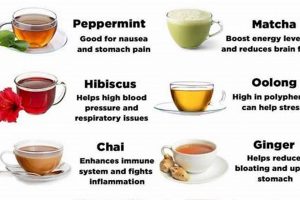
Consider, for instance, raspberry leaf, commonly discussed for its purported benefits in preparing the uterus for labor. While generally considered safe in the later stages of pregnancy by some practitioners, its use in the early trimesters is often debated due to a lack of conclusive evidence and theoretical concerns regarding its potential impact on uterine tone. Conversely, peppermint infusion is often used to alleviate nausea, but excessive consumption may exacerbate heartburn, a common pregnancy symptom. These examples illustrate the necessity of understanding both the potential benefits and potential risks associated with each plant.
In summary, the safety profile constitutes a non-negotiable aspect when considering any botanical infusion for prenatal use. A thorough understanding of potential risks, coupled with consultation with qualified healthcare professionals, is crucial for mitigating adverse outcomes and promoting a safe and healthy pregnancy. The selection process should always prioritize evidence-based recommendations and cautious evaluation of individual responses to each plant.
2. Gestational Stage

Gestational stage is a critical determinant when evaluating botanical infusions for consumption during pregnancy. Physiological changes characteristic of each trimester necessitate a nuanced approach to plant selection, as effects can vary significantly depending on the development stage of the fetus. For example, plants considered safe during the second or third trimester might pose risks during the first trimester due to potential interference with crucial developmental processes. The dynamic hormonal milieu and evolving organ systems require careful consideration to prevent adverse outcomes.
Specific examples underscore this point. Red raspberry leaf, often recommended in the later stages to prepare the uterus for labor, may be contraindicated in early pregnancy due to its potential uterine-stimulating effects. Conversely, ginger infusions, commonly employed to alleviate morning sickness during the first trimester, should be used with caution later in pregnancy, particularly in individuals with a history of bleeding disorders. Furthermore, certain plants possess emmenagogue properties, potentially inducing menstruation and increasing the risk of miscarriage, especially in the early months. Understanding the specific properties of each plant and its potential impact on the developing fetus at each stage of gestation is therefore paramount.
In summary, the gestational stage exerts a profound influence on the suitability of botanical infusions during pregnancy. A trimester-specific approach, guided by evidence-based recommendations and professional consultation, is essential for minimizing risks and promoting a healthy pregnancy. This necessitates a dynamic assessment of potential benefits and potential harms, considering the unique physiological demands of each developmental phase and adapting accordingly.
3. Specific Benefits

The determination of “safe botanical infusions for consumption during pregnancy” hinges significantly upon the specific physiological benefits that the infusions are expected to provide. The potential therapeutic effect must outweigh any potential risks associated with the infusion, necessitating a clear understanding of the plant’s properties and intended use. The selection process must be guided by the principle of minimizing harm and maximizing benefit for both the pregnant individual and the developing fetus.
For example, ginger infusions are frequently employed to mitigate nausea and vomiting, common symptoms during the first trimester. This specific benefit, relief from morning sickness, justifies the use of ginger, provided it is consumed in moderation and under professional guidance. Similarly, peppermint infusions are sometimes recommended for alleviating bloating and indigestion, addressing gastrointestinal discomfort often experienced during pregnancy. However, the appropriateness of these infusions depends on the severity of the symptoms and the presence of any contraindications. In contrast, the purported benefits of certain other botanical infusions may not be sufficiently substantiated to warrant their use, especially if the associated risks are significant. Evidence-based data concerning the efficacy of plant infusions, particularly within the context of gestation, remain imperative. This underscores the necessity for rigorous evaluation of potential benefits prior to their integration into prenatal care, ensuring only the most helpful remedies are used.
In conclusion, the judicious selection of beneficial plant infusions during gestation necessitates a meticulous assessment of their therapeutic potential. This evaluation must prioritize evidence-based data, balancing potential advantages against inherent risks and considering the specific needs of the pregnant individual. The pursuit of particular benefits, such as nausea alleviation or digestive comfort, should be weighed carefully against the potential for adverse effects, ensuring responsible and informed decision-making throughout the prenatal period.
4. Dosage Control

Dosage control is paramount in the context of botanical infusions during pregnancy. Even those preparations generally considered safe can pose risks if consumed in excessive quantities. Maintaining strict dosage control mitigates potential adverse effects on both maternal and fetal health.
- Concentration Variability
The concentration of active compounds within botanical infusions can vary significantly based on plant variety, growing conditions, preparation methods, and brewing time. Inconsistent concentrations make precise dosage regulation difficult, potentially leading to inadvertent overconsumption. Reliance on standardized preparations and adherence to specified brewing guidelines are crucial to minimize variability.
- Individual Sensitivity
Pregnant individuals exhibit varying degrees of sensitivity to botanical compounds. Factors such as body weight, metabolic rate, and pre-existing health conditions influence individual responses. What constitutes a safe dosage for one individual may prove excessive for another. A conservative approach, starting with low doses and gradually increasing intake only if tolerated, is advised.
- Potential for Accumulation
Certain botanical compounds can accumulate in the body over time, potentially leading to cumulative toxic effects. Daily consumption of even small amounts of certain infusions may eventually reach levels that pose a risk. Periodic breaks from regular consumption or limiting intake to specific periods, such as during periods of acute discomfort, may help prevent accumulation.
- Interaction with Medications
Botanical compounds can interact with prescription medications, altering their efficacy or increasing the risk of adverse effects. The effects of grapefruit juice on certain medications are a well-known example. Strict dosage control of infusions, particularly in individuals taking medications, minimizes the potential for harmful interactions. Consultation with a healthcare provider or pharmacist is essential to identify potential interactions.
The facets of concentration variability, individual sensitivity, potential for accumulation, and interaction with medications underscore the importance of rigorous dosage control when using botanical infusions during gestation. These elements relate to the core theme as each can affect fetal and maternal well-being. The judicious use of even the safest infusions requires careful attention to dosage and a commitment to informed decision-making throughout the prenatal period.
5. Quality sourcing

The relationship between sourcing and product safety is especially salient during gestation. The selection of appropriate botanical infusions is inextricably linked to the quality of the source from which those plants are derived. Contamination, adulteration, and misidentification of plant material can all introduce risks that are unacceptable during pregnancy. For instance, botanical products sourced from regions with high levels of heavy metal contamination may contain lead, cadmium, or mercury, all of which are detrimental to fetal development. Similarly, the presence of pesticides or herbicides, even in trace amounts, can pose significant risks to the developing nervous system. Therefore, robust quality control measures at the source are essential to mitigating these potential hazards.
Real-world examples highlight the practical significance of quality sourcing. In 2016, the New York Attorney General’s office investigated several major retailers selling herbal supplements and found widespread evidence of adulteration and mislabeling. Many products contained plant material that was not listed on the label, while others contained contaminants or fillers. Such incidents underscore the critical need for traceability and transparency throughout the supply chain. Reputable suppliers invest in rigorous testing protocols, including botanical identification, heavy metal analysis, pesticide residue screening, and microbial testing. They maintain detailed records of sourcing practices, allowing for prompt identification and resolution of any issues that may arise. Choosing botanical products from suppliers with established quality control systems provides a crucial layer of protection for pregnant individuals and their developing offspring.
In summary, quality sourcing constitutes an indispensable element in the selection of botanical infusions for use during gestation. It minimizes the risk of contamination, adulteration, and misidentification, safeguarding both maternal and fetal health. Challenges remain in ensuring complete transparency and traceability throughout the supply chain, but prioritizing suppliers with established quality control protocols represents a crucial step in promoting the safe and responsible use of botanical products during pregnancy. The impact of origin directly affects well-being, emphasizing the importance of informed sourcing decisions.
6. Potential Interactions

The concept of potential interactions is especially pertinent when considering botanical infusions during gestation. The concurrent use of botanical infusions with prescription medications, over-the-counter drugs, or even other supplements can precipitate unforeseen and potentially adverse effects. A comprehensive understanding of possible interactions is essential for mitigating risks to both the pregnant individual and the developing fetus.
- Herb-Drug Interactions
Botanical infusions may interfere with the absorption, metabolism, or excretion of pharmaceutical drugs. For example, St. John’s Wort, although not typically recommended during pregnancy, is a known inducer of cytochrome P450 enzymes, potentially reducing the effectiveness of various medications, including some antidepressants and contraceptives. Similarly, ginger, often used for morning sickness, can have antiplatelet effects, potentially increasing the risk of bleeding when taken with anticoagulant medications. The possibility of such interactions necessitates careful scrutiny of all concurrent medications and a thorough evaluation of potential herb-drug interactions.
- Herb-Supplement Interactions
Interactions can also occur between botanical infusions and dietary supplements. For instance, taking iron supplements concurrently with infusions high in tannins, such as black tea, can inhibit iron absorption. Calcium supplements may also interfere with the absorption of iron and certain other minerals. It is important to consider the timing of supplementation and infusion consumption to minimize the potential for such interactions.
- Exacerbation of Pre-existing Conditions
Botanical infusions may exacerbate pre-existing health conditions. For example, peppermint infusion, although often used for digestive upset, can worsen gastroesophageal reflux disease (GERD) in some individuals. Similarly, chamomile, known for its calming properties, may trigger allergic reactions in individuals with sensitivities to ragweed or other members of the Asteraceae plant family. It’s crucial to consider the individual’s medical history and any known allergies before recommending or consuming any botanical infusion.
- Impact on Fetal Development
Potential interactions also extend to the impact on fetal development. Certain botanical compounds, even those considered generally safe for adults, may pose risks to the developing fetus. For example, large doses of vitamin C from rose hip infusions could theoretically interfere with copper absorption, potentially affecting fetal development. While the likelihood of such an interaction is low with moderate consumption, it underscores the need for caution and moderation in the use of all botanical infusions during pregnancy.
Considering these interactive relationships is vital when selecting infusions for use during gestation. The safety and well-being of both the pregnant individual and the developing fetus depend on a thorough understanding of potential interactions and a commitment to informed, evidence-based decision-making. Careful attention to these interactions can guide individuals toward best herbal infusions for pregnancy which is essential for well-being.
7. Individual response

The concept of individual response represents a cornerstone in determining which plant infusions are considered suitable during gestation. The physiological and metabolic variations among individuals necessitate a personalized approach, as a plant infusion well-tolerated by one pregnant person may elicit adverse effects in another.
- Metabolic Variability
Metabolic rates differ significantly among individuals, impacting the rate at which botanical compounds are processed and eliminated from the body. A slower metabolic rate may prolong the effects of certain infusions, potentially increasing the risk of adverse reactions. Conversely, a faster metabolic rate may diminish the therapeutic benefits, necessitating adjustments in dosage or frequency. This variability underscores the importance of monitoring individual responses and adjusting intake accordingly.
- Allergic Sensitivities
Pre-existing allergies or sensitivities to specific plants or plant families can manifest as allergic reactions upon consumption of related infusions. Individuals with known allergies to ragweed, for example, may experience cross-reactivity to chamomile, a member of the same plant family. Allergic reactions can range from mild skin irritation to severe anaphylaxis, necessitating careful screening for allergies and prompt discontinuation of any infusion that elicits adverse symptoms.
- Pre-existing Conditions
Pre-existing health conditions can influence the effects of botanical infusions. Individuals with hypertension, for instance, may experience adverse effects from infusions containing stimulants, while those with gastrointestinal disorders may be more susceptible to digestive upset. The presence of pre-existing conditions necessitates careful consideration of potential contraindications and close monitoring of individual responses.
- Gastrointestinal Absorption
Variations in gastrointestinal absorption can impact the bioavailability of botanical compounds. Factors such as gut microbiota composition, gastric acidity, and intestinal motility influence the extent to which active compounds are absorbed into the bloodstream. Individuals with impaired absorption may require higher dosages to achieve therapeutic effects, while those with enhanced absorption may be more susceptible to adverse reactions. Consideration of individual gastrointestinal function is essential for optimizing the effectiveness and safety of botanical infusions.
In conclusion, the individual response represents a complex interplay of metabolic factors, allergic sensitivities, pre-existing conditions, and gastrointestinal function. This intersection strongly dictates the selection of plant infusions that aligns with safety and efficacy for individual prenatal wellness. These nuances can impact the suitability of different botanical infusions, making the selection of the right types a personalized process. This highlights how personal history interacts with “best herbal teas for pregnancy”.
Frequently Asked Questions About Best Herbal Teas for Pregnancy
The following addresses common inquiries concerning botanical infusions during gestation, providing evidence-based information to guide informed decision-making.
Question 1: Are herbal infusions inherently safe during pregnancy?
The classification of “safe” is contingent upon several factors, including the specific plant, gestational stage, dosage, and individual health conditions. Certain plants may pose risks to fetal development or maternal health. Consultation with a healthcare provider is essential prior to consumption of any plant infusion.
Question 2: What is the appropriate dosage for botanical infusions during pregnancy?
Dosage recommendations vary based on the plant, individual sensitivity, and gestational stage. A conservative approach is advised, initiating consumption with small quantities and monitoring for adverse reactions. Adherence to recommended brewing guidelines is also crucial. Professional guidance from a healthcare provider or qualified herbalist is recommended for personalized dosage recommendations.
Question 3: Can botanical infusions interact with medications during pregnancy?
Potential interactions between botanical compounds and pharmaceutical drugs exist. Certain plants may interfere with the absorption, metabolism, or excretion of medications, altering their efficacy or increasing the risk of adverse effects. Disclosure of all botanical infusions consumed to the healthcare provider is essential to prevent potential interactions.
Question 4: Are all commercially available herbal infusions subject to rigorous quality control?
Quality control standards vary among manufacturers. Selecting infusions from reputable brands that adhere to rigorous testing protocols is paramount. Look for certifications indicating third-party testing for purity, potency, and absence of contaminants, such as heavy metals and pesticides.
Question 5: Is it safe to consume botanical infusions throughout the entire pregnancy?
The suitability of specific botanical infusions may vary depending on the trimester. Certain plants considered safe in later stages of gestation may pose risks during the first trimester due to potential interference with crucial developmental processes. Consultation with a healthcare provider is essential for trimester-specific guidance.
Question 6: How can one identify potential adverse reactions to botanical infusions during pregnancy?
Monitoring for symptoms such as allergic reactions, digestive upset, changes in blood pressure, or uterine contractions is crucial. Discontinuation of consumption and prompt consultation with a healthcare provider are warranted if any adverse symptoms occur.
Individualized professional medical advice should serve as the standard for all consumption during pregnancy.
The following sections will provide a concise summary of the article’s key points and recommendations.
Best Herbal Teas for Pregnancy
The selection of botanical infusions during gestation requires a rigorous, informed, and cautious approach. This exploration has emphasized the importance of considering safety profiles, gestational stage, specific benefits, dosage control, quality sourcing, potential interactions, and individual responses. The absence of comprehensive, universally applicable guidelines necessitates a commitment to evidence-based decision-making and collaboration with qualified healthcare professionals.
Ultimately, the responsible integration of botanical infusions into prenatal care hinges upon a paradigm of individualized assessment and continuous monitoring. Prioritizing the well-being of both the pregnant individual and the developing fetus demands a critical evaluation of potential risks and benefits, ensuring that any intervention aligns with the principles of safety, efficacy, and informed consent. Expectant parents are encouraged to consult with their healthcare providers to determine the most appropriate course of action for their unique circumstances.