A topical preparation, crafted from infused oils and beeswax (or a vegan alternative), designed to alleviate discomfort through the therapeutic properties of herbs, constitutes a key element in holistic pain management. These formulations combine the medicinal components of plants with a soothing base, allowing for direct application to affected areas.
The value of such remedies lies in their potential to provide localized relief, often without the systemic side effects associated with oral medications. Historically, these preparations have been utilized across cultures, leveraging the anti-inflammatory, analgesic, and nervine characteristics of botanicals. Their effectiveness can be attributed to the synergistic interaction of various plant compounds that target multiple pain pathways.
The subsequent discussion will delve into the selection of appropriate herbs, detailed preparation methods, and safety considerations for creating effective and safe pain-relieving salves. Understanding these aspects is crucial for harnessing the full potential of these natural remedies.
Formulation Guidance
Maximizing the efficacy of a pain-relieving topical requires careful consideration of formulation variables. Attention to herb selection, infusion techniques, and overall preparation hygiene is paramount.
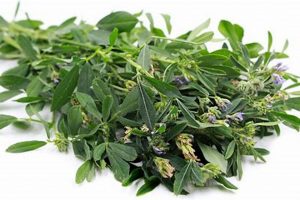
Tip 1: Herb Selection: Prioritize herbs with demonstrated analgesic and anti-inflammatory properties. Arnica, St. John’s Wort, Calendula, and Comfrey are commonly employed, each possessing unique therapeutic actions.
Tip 2: Oil Infusion: Employ a slow, low-heat infusion method to effectively extract the medicinal constituents from the chosen herbs into the carrier oil. Maintain consistent temperature monitoring to prevent degradation of valuable compounds.
Tip 3: Beeswax Ratio: Adjust the beeswax-to-oil ratio to achieve the desired consistency. A higher ratio results in a firmer preparation, while a lower ratio yields a softer balm. Experimentation is key to determining optimal texture.
Tip 4: Sanitation Protocols: Implement rigorous sanitation procedures throughout the preparation process. Sterilize all equipment and containers to minimize the risk of contamination and ensure product longevity.
Tip 5: Testing and Patch Application: Before widespread use, conduct a patch test on a small area of skin to assess for potential allergic reactions or sensitivities. Monitor for any adverse effects over a 24-hour period.
Tip 6: Proper Storage: Store the finished product in a cool, dark, and dry location to prevent rancidity and maintain potency. Utilize airtight containers to minimize exposure to air and light.
Tip 7: Consider Additives: Essential oils with analgesic or anti-inflammatory effects, such as lavender, peppermint, or eucalyptus, can be added to enhance the therapeutic benefits. Exercise caution regarding dilution rates to avoid skin irritation.
Adhering to these guidelines will contribute to the production of a high-quality, effective topical preparation suitable for addressing localized discomfort.
The following sections will provide further details on specific herbs, detailed recipes, and advanced techniques for creating specialized formulations.
1. Herb Selection
Herb selection stands as a foundational element in the creation of any topical preparation intended for pain relief. The choice of specific plants directly dictates the therapeutic properties present in the final formulation and, consequently, its effectiveness in addressing various types of discomfort. The active compounds within each herb interact with the body’s pain pathways, reducing inflammation, blocking pain signals, or soothing irritated nerves. For example, a preparation intended for muscle soreness might prioritize arnica due to its anti-inflammatory and circulatory stimulant qualities. Conversely, a formula targeting nerve pain could incorporate St. John’s Wort, renowned for its potential neuroprotective benefits.
The process of herb selection necessitates a comprehensive understanding of phytochemistry and the specific indications of each plant. Factors such as the type of pain (e.g., neuropathic, inflammatory, musculoskeletal), the individual’s sensitivities, and potential interactions with other medications must be considered. Furthermore, the quality and preparation of the chosen herbs are crucial. Freshly harvested or properly dried herbs retain a higher concentration of active constituents compared to those that are old or poorly stored. Effective herb selection is therefore a complex process informed by botanical knowledge and clinical judgment.
Ultimately, the success of a topical preparation for pain rests on the judicious selection of herbs best suited to address the underlying cause and nature of the discomfort. The appropriate integration of botanicals with complementary actions enhances the potential for synergistic effects, maximizing therapeutic benefits. This underscores the critical role of informed herb selection in achieving optimal pain relief outcomes.
2. Oil Infusion Method

The oil infusion method is a critical step in the creation of topical herbal preparations for pain relief. It directly influences the concentration of medicinal compounds extracted from the herbs into the carrier oil, which subsequently forms the base of the salve. The method employed determines the potency and ultimately the therapeutic efficacy of the final product. Inadequate or improper infusion can result in a salve with diminished analgesic and anti-inflammatory properties. For instance, utilizing high heat during infusion may degrade sensitive plant constituents, leading to a less effective outcome. Conversely, a prolonged, low-heat infusion typically yields a more potent extract.
Various oil infusion techniques exist, each with advantages and disadvantages. The solar infusion method, which relies on sunlight and time, is a gentle approach that preserves delicate compounds. The slow cooker method provides more control over temperature but requires careful monitoring to prevent overheating. The double boiler method offers a consistent and gentle heat source suitable for extracting a wide range of plant constituents. Real-world examples highlight the practical significance of this understanding. A preparation maker using a solar infusion for calendula will yield a soothing, gentle extract ideal for sensitive skin, while a slow cooker method for arnica might require careful temperature control to avoid compromising the herb’s potency. The selection of infusion method, therefore, influences the characteristics and the safety profile of the resulting herbal salve.
In conclusion, the oil infusion method plays a pivotal role in determining the quality and effectiveness of herbal topical preparations designed to mitigate discomfort. Precise temperature management and appropriate method selection are essential to ensure optimal extraction of therapeutic compounds. While challenges may arise in mastering the nuances of each technique, the resulting potent and effective pain-relieving preparations underscore the importance of this foundational process in crafting successful herbal salves.
3. Beeswax/Vegan Ratio
The consistency and structural integrity of a topical preparation for pain management are directly influenced by the proportion of beeswax or vegan wax alternatives incorporated into the formulation. In the context of herbal salves designed for pain relief, the beeswax/vegan ratio serves as a critical determinant of the product’s spreadability, absorption rate, and overall usability. Altering this ratio changes the physical properties of the salve, impacting its interaction with the skin and its ability to deliver therapeutic herbal compounds to the affected area. A high beeswax content results in a firmer, less pliable salve that may provide a protective barrier but potentially impede absorption. Conversely, an insufficient amount of beeswax or vegan wax yields a soft, greasy product that may not adequately adhere to the skin, reducing the duration of contact with the infused herbs. As an example, a preparation intended for deep muscle massage may benefit from a higher wax content to provide friction and controlled release, whereas a salve for sensitive skin or minor burns might require a softer consistency for gentler application.
Vegan wax alternatives, such as candelilla wax or carnauba wax, offer distinct properties and require careful consideration when substituting beeswax. Candelilla wax, derived from a desert shrub, is denser and harder than beeswax, necessitating a lower ratio to achieve similar consistency. Carnauba wax, obtained from palm leaves, contributes a glossy finish and hardness, typically used in smaller proportions. The selection of a vegan alternative and its corresponding ratio must account for its unique characteristics and how these interact with the infused oils and herbal extracts. A pain-relieving salve formulated with a high proportion of carnauba wax may be too rigid for comfortable application, while a formula using too little candelilla wax might lack the structural integrity needed for prolonged storage. Practical application involves a balance between achieving the desired consistency, maintaining structural stability, and ensuring biocompatibility with the other ingredients in the herbal preparation.
In summary, the beeswax/vegan ratio is a pivotal variable in the formulation of herbal salves for pain relief. The precise ratio affects the salve’s physical characteristics, impacting its usability, absorption, and therapeutic efficacy. Challenges arise in determining the optimal ratio based on the intended application, the chosen herbs and oils, and the selection of beeswax or vegan wax alternatives. A thorough understanding of the properties of each ingredient and careful experimentation are essential to create a product that effectively delivers pain relief while maintaining desirable physical and aesthetic qualities.
4. Sanitation Protocols

The implementation of stringent sanitation protocols is an indispensable component of any herbal preparation process, especially when creating salves designed for pain relief. Microbial contamination introduces significant risk, potentially leading to skin infections, allergic reactions, or compromised product integrity. A failure to adhere to proper sanitation practices directly jeopardizes the safety and efficacy of the finished salve. For instance, the introduction of bacteria or fungi during the infusion process or while transferring the salve to its container can result in rapid spoilage and the proliferation of harmful microorganisms. This, in turn, renders the salve unsuitable for application and poses a direct threat to the user’s health. Real-life examples of improperly sanitized herbal products include cases of skin irritation, infections, and even systemic illness due to the presence of pathogenic organisms. The practical significance of rigorous sanitation cannot be overstated; it is the foundational measure ensuring the product remains a source of relief, rather than a vehicle for harm.
Effective sanitation protocols encompass multiple stages of the preparation process. Sterilization of all equipment including containers, utensils, and work surfaces is essential. This is typically achieved through boiling, autoclaving, or the use of sanitizing solutions. The use of high-quality ingredients, sourced from reputable suppliers who adhere to good manufacturing practices, further minimizes the risk of contamination. Hand hygiene, including thorough washing with antibacterial soap and the use of gloves, is also paramount. Maintaining a clean and controlled environment during the production process prevents the introduction of airborne contaminants. A detailed, written protocol outlining each step of the sanitation process helps ensure consistency and compliance.
In summary, sanitation protocols are inextricably linked to the safety and effectiveness of herbal pain relief salves. Lack of adherence to these practices carries substantial risks, potentially transforming a beneficial product into a source of harm. While implementing rigorous sanitation procedures requires effort and attention to detail, the benefits of minimizing contamination and ensuring product safety far outweigh the challenges. The consistent application of robust sanitation protocols is a hallmark of responsible herbal preparation and a fundamental requirement for creating safe and effective pain-relieving salves.
5. Storage Conditions

Storage conditions exert a profound influence on the stability, potency, and safety of herbal salves formulated for pain relief. Environmental factors such as temperature, light exposure, and humidity levels can initiate degradation processes, diminishing the therapeutic efficacy of the herbal components and potentially rendering the preparation unsafe for use. The chemical constituents within the infused oils and herbal extracts are susceptible to oxidation, rancidity, and photochemical decomposition, all of which are accelerated by improper storage. For example, a salve containing St. John’s Wort, known for its light-sensitive compounds, will experience a marked reduction in potency if stored in direct sunlight. Consequently, the analgesic and anti-inflammatory benefits of the salve will be significantly compromised. This direct correlation between storage environment and product effectiveness underscores the critical role of appropriate preservation techniques in maintaining the integrity of these preparations.
The implementation of optimal storage practices involves several key considerations. Storing salves in airtight, opaque containers minimizes exposure to both air and light, thereby slowing down oxidation and photochemical reactions. Maintaining a cool, consistent temperature below 75F (24C) helps prevent rancidity and degradation of the oil base. Refrigeration may be considered for preparations containing highly perishable ingredients, though it is crucial to allow the salve to return to room temperature before application to ensure optimal spreadability. Practical applications of this knowledge include advising users to keep salves in dark, cool locations, such as medicine cabinets or drawers, away from direct sunlight and heat sources. Regular inspection of salves for changes in color, odor, or texture can provide an early indication of degradation and the need for disposal.
In summary, appropriate storage conditions are integral to preserving the therapeutic value and safety of herbal salves designed for pain relief. Exposure to light, heat, and air accelerates degradation processes, diminishing potency and potentially rendering the salve unsafe. While challenges may exist in consistently maintaining optimal storage conditions, the benefits of adhering to recommended practices in terms of product longevity and effectiveness far outweigh the effort. By understanding and implementing proper storage techniques, users can ensure that their herbal preparations remain a reliable source of pain relief.
Frequently Asked Questions
The following addresses common inquiries regarding the formulation and application of herbal salves intended to alleviate pain.
Question 1: What are the primary advantages of utilizing a topical herbal preparation for pain management versus oral medications?
Topical application allows for localized treatment, potentially minimizing systemic side effects commonly associated with oral analgesics. The active compounds are concentrated at the site of discomfort, reducing exposure to other organ systems.
Question 2: How does one ensure the safety of an herbal salve intended for pain relief?
Prior to widespread use, a patch test on a small area of skin is recommended to assess for allergic reactions or sensitivities. Furthermore, ingredients should be sourced from reputable suppliers to minimize the risk of contamination or adulteration.
Question 3: What factors should be considered when selecting herbs for a pain-relieving salve?
The specific type of pain (e.g., neuropathic, inflammatory, musculoskeletal) and individual sensitivities must be considered. Herbs should be chosen for their demonstrated analgesic, anti-inflammatory, or nervine properties, as appropriate for the condition.
Question 4: What role does the carrier oil play in the effectiveness of an herbal salve?
The carrier oil facilitates the absorption of herbal constituents through the skin. The choice of oil influences the salve’s texture and stability, and some oils may possess inherent anti-inflammatory properties that complement the action of the infused herbs.
Question 5: How does the ratio of beeswax (or vegan alternative) impact the properties of the final salve?
The beeswax/vegan wax ratio determines the salve’s consistency and melting point. A higher ratio results in a firmer product, while a lower ratio yields a softer balm. The ideal ratio depends on the intended application and personal preference.
Question 6: How should an herbal salve for pain be stored to maximize its shelf life and potency?
Storage in a cool, dark, and dry location, away from direct sunlight and heat, is recommended. Airtight containers minimize exposure to oxygen and moisture, further preserving the integrity of the product.
Proper formulation and application of topical preparations can offer significant benefits, but it is crucial to consult with a healthcare professional to ensure suitability for individual health conditions and to address potential interactions with existing medications.
The subsequent sections will explore advanced techniques and specialized formulations tailored to specific pain conditions.
Conclusion
This exploration of herbal salve recipe for pain has underscored the importance of careful herb selection, proper oil infusion methods, appropriate wax ratios, rigorous sanitation protocols, and optimized storage conditions. Each of these elements plays a critical role in determining the efficacy and safety of the final product. It is evident that the creation of a successful topical preparation requires a synthesis of botanical knowledge, practical technique, and meticulous attention to detail.
While the potential benefits of employing such formulations for localized discomfort are significant, it is imperative to approach their preparation and use with caution and informed awareness. Continued research and refinement of techniques will undoubtedly enhance the effectiveness and reliability of these natural remedies. The judicious application of these preparations, informed by expert guidance, holds considerable promise for those seeking alternative approaches to pain management.