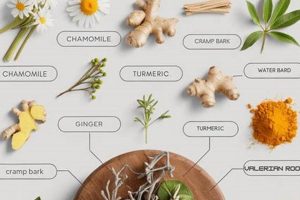
Botanical treatments intended to alleviate or manage urinary incontinence and related bladder dysfunctions are derived from various plants. These interventions leverage the bioactive compounds present in herbs to potentially influence bladder muscle function, reduce inflammation, or address underlying causes of urinary issues. For instance, certain plant extracts may act as mild diuretics, while others are believed to possess antispasmodic properties that could aid in bladder control.
The appeal of utilizing plant-based options stems from their perceived gentler action and fewer side effects compared to pharmaceutical interventions. Historically, many cultures have relied on traditional medicine, including herbal preparations, for addressing a spectrum of health concerns, including urinary problems. The accessibility and affordability of some botanicals further contribute to their enduring popularity. Moreover, some individuals seek alternative therapies when conventional treatments prove ineffective or produce undesirable outcomes.
This discourse will examine the scientific evidence supporting the use of specific plants for managing bladder function. It will analyze potential mechanisms of action, discuss safety considerations, and explore the limitations of current research in this domain. Further, it will highlight the importance of consulting with qualified healthcare professionals before incorporating such options into a treatment plan.
Guidance on Plant-Based Approaches to Promote Urinary Wellness
The following guidance offers insights for individuals considering plant-based approaches for urinary wellness. It is critical to approach such options with caution and under the guidance of a healthcare professional.
Tip 1: Consultation is Paramount: Prior to initiating any regimen, consult with a physician, urologist, or qualified herbalist. This ensures that plant-based options are appropriate for one’s specific condition and do not interact with existing medications.
Tip 2: Identify Reputable Sources: Obtain herbal products from reputable sources that adhere to quality control standards. This minimizes the risk of contamination or adulteration with other substances.
Tip 3: Start Gradually: Begin with low dosages and monitor for any adverse reactions. Increased frequency of urination, digestive upset, or skin rashes warrant immediate discontinuation and consultation with a healthcare provider.
Tip 4: Prioritize Lifestyle Modifications: Complement botanical treatments with lifestyle changes, such as maintaining a healthy weight, practicing pelvic floor exercises (Kegels), and avoiding bladder irritants like caffeine and alcohol.
Tip 5: Be Aware of Potential Interactions: Some plants can interact with medications, including blood thinners, antidepressants, and blood pressure medications. Disclose all medications and supplements to the healthcare provider.
Tip 6: Set Realistic Expectations: Understand that botanical treatments may not provide immediate or complete relief of urinary symptoms. Patience and consistent adherence to the recommended regimen are essential.
Tip 7: Document Progress: Maintain a detailed record of symptoms, dosages, and any observed changes. This information aids in evaluating the effectiveness of the intervention and facilitates communication with healthcare providers.
Tip 8: Understand Research Limitations: Recognize that the scientific evidence supporting the efficacy of many botanical treatments is limited. Carefully evaluate the available research and be wary of exaggerated claims.
In summary, adopting plant-based approaches to enhance urinary wellness requires a responsible and informed approach, involving careful consultation with healthcare experts, adherence to quality standards, and awareness of potential limitations and interactions. This proactive strategy could positively influence quality of life with informed decision and actions.
The following sections will delve deeper into specific botanicals and their potential benefits, with the aim of providing a more comprehensive understanding of this complex topic.
1. Plant Identification

Accurate plant identification is paramount when considering plant-based remedies for bladder control. Misidentification can lead to ineffective treatment, adverse health outcomes, or even toxic reactions. Therefore, a thorough understanding of botanical characteristics and potential look-alikes is crucial.
- Species Verification
The efficacy of a plant-based approach relies on utilizing the correct plant species. Different species within the same genus may possess varying chemical compositions and, consequently, different therapeutic properties. For example, Urtica dioica (stinging nettle) is commonly used for urinary health, while other Urtica species may not offer the same benefits or could even present risks. Proper identification requires careful examination of morphological features, such as leaf shape, flower structure, and stem characteristics.
- Chemotype Considerations
Even within a single species, variations in chemical composition, known as chemotypes, can exist. Environmental factors, genetic variations, and growing conditions can influence the production of active compounds within a plant. For instance, two samples of Echinacea purpurea may appear identical, but one could contain higher concentrations of immune-stimulating compounds than the other. Understanding chemotypes requires specialized chemical analysis and awareness of the plant’s origin and cultivation practices.
- Adulteration Detection
The herbal supplement market is susceptible to adulteration, where products are intentionally or unintentionally contaminated with other plant species or synthetic compounds. This practice can compromise the effectiveness of the product and pose serious health risks. Microscopic examination, DNA testing, and chemical fingerprinting are essential techniques for detecting adulteration and ensuring the authenticity of plant materials. Consumers should seek products from reputable manufacturers that employ rigorous quality control measures.
- Toxic Look-Alikes
Many medicinal plants have toxic look-alikes that can cause serious harm if ingested. For example, water hemlock ( Cicuta maculata) can be mistaken for edible plants like parsnip or celery and contains potent neurotoxins. Wild mushrooms are another prime example, where misidentification can lead to life-threatening poisoning. Thorough knowledge of botanical taxonomy and a keen eye for distinguishing features are essential for avoiding potentially fatal errors.
In summary, the accuracy of plant identification forms the bedrock upon which the safe and effective use of plant-based remedies for bladder control rests. From verifying the correct species to detecting adulteration and avoiding toxic look-alikes, a comprehensive understanding of botany is essential for both practitioners and consumers. Utilizing certified herbalists and sourcing products from reputable suppliers are critical steps in mitigating the risks associated with misidentification and ensuring the quality and safety of plant-based interventions.
2. Dosage Precision

Dosage precision constitutes a critical determinant of efficacy and safety when employing plant-derived interventions for bladder control. The inherent variability in the chemical composition of plants, coupled with individual differences in physiology and sensitivity, necessitates careful attention to dosage. A dose insufficient to achieve the desired therapeutic effect can lead to treatment failure, while an excessive dose may precipitate adverse reactions, ranging from mild discomfort to severe complications. This balance underscores the imperative of precise dosage administration.
The influence of dosage precision is exemplified by saw palmetto ( Serenoa repens), frequently utilized for benign prostatic hyperplasia (BPH) and its associated urinary symptoms. Studies suggest that an extract standardized to a specific concentration of fatty acids and administered at a defined daily dose is more likely to elicit symptom improvement than non-standardized preparations or inconsistent dosages. Conversely, excessive consumption of certain plants, such as dandelion ( Taraxacum officinale), a mild diuretic, could lead to electrolyte imbalances if not appropriately monitored and adjusted based on individual needs and physiological responses. These examples illustrate how precise dosage directly impacts both the therapeutic benefits and potential risks associated with herbal interventions.
In conclusion, dosage precision is not merely a procedural detail but an essential factor governing the outcome of herbal remedies employed for bladder control. It demands a comprehensive understanding of the plant’s properties, careful consideration of individual characteristics, and adherence to evidence-based guidelines. The pursuit of optimal dosage requires a collaborative approach involving healthcare professionals, qualified herbalists, and informed patients, all working to maximize therapeutic benefits while mitigating potential harms. The integration of precise dosage practices into herbal interventions for bladder control represents a critical step toward safer and more effective outcomes.
3. Interaction Risks
The potential for interactions between plant-derived remedies and conventional medications or pre-existing health conditions represents a significant consideration when exploring herbal options for bladder control. These interactions can alter the efficacy of either the herbal product or the conventional medication, potentially leading to adverse health consequences. A comprehensive understanding of these risks is essential for ensuring patient safety and optimizing treatment outcomes.
- Herb-Drug Interactions
Many herbs contain bioactive compounds that can influence the metabolism, absorption, or excretion of pharmaceutical drugs. For example, St. John’s Wort, an herb sometimes used for mood regulation, can induce liver enzymes that accelerate the breakdown of numerous medications, including certain immunosuppressants and anticoagulants. This can reduce the drug’s effectiveness, potentially leading to treatment failure. Similarly, grapefruit juice is known to interact with several medications, and some herbal products may exhibit similar effects. Patients taking conventional medications should consult with a healthcare professional or pharmacist before using any herbal remedy to assess potential interactions.
- Herb-Condition Interactions
Certain herbal remedies may exacerbate pre-existing health conditions or contraindicate specific ailments. For instance, individuals with bleeding disorders should exercise caution when using herbs like ginger or garlic, which possess antiplatelet properties. The combined effect of these herbs with anticoagulant medications could increase the risk of bleeding complications. Furthermore, some herbs may affect blood sugar levels, posing a risk for individuals with diabetes. A thorough medical history and assessment of pre-existing conditions are crucial for identifying potential herb-condition interactions.
- Additive or Synergistic Effects
In some instances, the combination of herbal remedies with conventional medications may result in additive or synergistic effects, where the combined effect is greater than the sum of the individual effects. While this may sometimes be beneficial, it can also increase the risk of adverse reactions. For example, combining herbal diuretics with prescription diuretics can lead to excessive fluid loss and electrolyte imbalances. Healthcare providers should carefully evaluate the potential for additive or synergistic effects when considering herbal remedies for patients already taking medications.
- Impact on Diagnostic Tests
Some herbal remedies can interfere with the accuracy of diagnostic tests, potentially leading to misdiagnosis or inappropriate treatment decisions. For instance, certain herbs may affect thyroid hormone levels or liver enzyme tests. It is essential for patients to inform their healthcare providers about all herbal remedies they are using, particularly before undergoing any diagnostic testing. Discontinuing the herb for a period before the test may be necessary to ensure accurate results.
The multifaceted nature of interaction risks underscores the need for careful evaluation and professional guidance when integrating herbal remedies into a bladder control treatment plan. These elements highlight the importance of complete disclosure of all medications and supplements to healthcare providers, emphasizing collaborative decision-making to minimize the potential for adverse interactions.
4. Quality Assurance

Quality assurance constitutes an indispensable aspect of utilizing plant-derived remedies for bladder control. Given the inherent complexities in herbal production and the potential for contamination or misidentification, robust quality assurance protocols are crucial for ensuring product safety and efficacy. These protocols encompass a range of measures, from cultivation and harvesting practices to manufacturing processes and final product testing, all aimed at safeguarding the consumer and promoting responsible use of plant-based interventions.
- Good Agricultural and Collection Practices (GACP)
GACP guidelines provide a framework for cultivating and harvesting medicinal plants in a manner that minimizes the risk of contamination, preserves plant identity, and maximizes the concentration of active compounds. Adherence to GACP principles ensures that raw plant materials are of consistent quality and free from pesticides, heavy metals, and other harmful substances. For example, organic farming practices, which prohibit the use of synthetic pesticides and fertilizers, are often aligned with GACP principles. Proper drying and storage techniques are also essential for preventing mold growth and preserving the integrity of plant materials destined for bladder control remedies.
- Good Manufacturing Practices (GMP)
GMP regulations govern the manufacturing, processing, and packaging of herbal products. Compliance with GMP standards ensures that products are consistently produced according to established quality standards and that they are free from adulterants and contaminants. GMP guidelines address various aspects of the manufacturing process, including facility design, equipment maintenance, personnel training, and record-keeping. Manufacturers must implement validated testing methods to verify the identity, purity, and potency of their products. Batch-to-batch consistency is a critical aspect of GMP compliance, ensuring that each batch of product meets the same quality standards.
- Standardization and Chemical Profiling
Standardization involves adjusting the concentration of one or more key chemical constituents in an herbal extract to a defined level. This process aims to ensure batch-to-batch consistency and predictable therapeutic effects. Chemical profiling involves the comprehensive analysis of all chemical constituents in an herbal product, providing a fingerprint of its chemical composition. These techniques are valuable tools for verifying the identity and quality of herbal products and for detecting adulteration. For instance, a saw palmetto extract standardized to a specific percentage of fatty acids may be more likely to provide consistent relief of BPH symptoms than a non-standardized extract.
- Third-Party Testing and Certification
Independent third-party testing and certification provide an additional layer of quality assurance for herbal products. Organizations such as NSF International and the U.S. Pharmacopeia (USP) offer certification programs that assess products for identity, purity, potency, and absence of contaminants. Products that meet the criteria for certification are allowed to display the organization’s seal on their packaging, providing consumers with confidence in the product’s quality. Third-party testing can also help to verify that a product contains the ingredients listed on the label and that it does not contain harmful levels of heavy metals, pesticides, or other contaminants. This independent verification is especially important for consumers who may lack the expertise to assess the quality of herbal products on their own.
The comprehensive integration of these quality assurance measures is essential for ensuring that herbal remedies intended for bladder control are safe, effective, and consistent. It fosters consumer trust, promotes responsible use of plant-based interventions, and reinforces the integrity of the herbal products industry. The implementation of these practices is a shared responsibility, involving growers, manufacturers, regulators, and consumers, all working collaboratively to elevate the quality standards of herbal medicine.
5. Symptom Monitoring

Symptom monitoring is an essential element in the use of plant-derived options for bladder control. Its importance lies in enabling the objective assessment of treatment efficacy, identifying potential adverse effects, and facilitating informed adjustments to therapeutic strategies. The absence of systematic monitoring can lead to inaccurate conclusions regarding the benefits or harms of a given option, potentially compromising patient well-being.
- Baseline Assessment and Documentation
Prior to initiating any plant-based intervention, a comprehensive baseline assessment of urinary symptoms is crucial. This includes documenting the frequency of urination, nocturia (nighttime urination), urgency, incontinence episodes, and any associated discomfort or pain. Standardized questionnaires, such as the International Consultation on Incontinence Questionnaire (ICIQ), can provide a structured framework for capturing this information. A detailed baseline serves as a reference point for evaluating subsequent changes and determining whether the herbal intervention is producing the desired effects. Without an adequate baseline, it is difficult to discern whether observed changes are attributable to the treatment or to other factors, such as fluctuations in fluid intake or underlying disease progression.
- Frequency-Volume Charting (Bladder Diary)
Frequency-volume charting, also known as a bladder diary, involves recording the timing and volume of each voided urine output over a specified period, typically 24 to 72 hours. This tool provides valuable insights into bladder function and can help to identify patterns and triggers associated with urinary symptoms. For example, a bladder diary may reveal that caffeine consumption exacerbates urgency or that certain activities, such as exercise, increase the risk of incontinence episodes. By tracking these patterns, individuals can make informed lifestyle modifications and tailor their herbal treatment strategies accordingly. Additionally, frequency-volume charting can help to differentiate between different types of urinary incontinence, such as urge incontinence (overactive bladder) and stress incontinence (leakage with physical exertion), which may require different treatment approaches.
- Adverse Effect Surveillance
Plant-derived remedies, like all therapeutic interventions, have the potential to cause adverse effects. Systematic symptom monitoring includes actively assessing for any new or worsening symptoms that may be attributable to the herbal product. Common adverse effects may include gastrointestinal upset (nausea, diarrhea, constipation), skin rashes or itching, headache, or changes in blood pressure or heart rate. Individuals should be instructed to promptly report any concerning symptoms to their healthcare provider. The severity and duration of adverse effects should be carefully documented, and the herbal product should be discontinued if necessary. In some cases, a lower dose of the herbal product may be tolerated, but this should be determined in consultation with a healthcare professional.
- Objective Outcome Measures
In addition to subjective symptom reporting, objective outcome measures can provide a more quantifiable assessment of treatment efficacy. For example, post-void residual (PVR) measurement can assess the completeness of bladder emptying, while urodynamic studies can evaluate bladder function and identify abnormalities. The use of objective measures can help to confirm or refute the subjective impressions of symptom improvement or worsening and can provide valuable information for treatment decision-making. However, it is important to note that objective measures may not always correlate directly with patient-reported symptoms, and clinical judgment should be used to interpret the findings in the context of the individual’s overall presentation.
The facets described underscore the integral relationship between symptom monitoring and the effective utilization of plant-derived approaches for bladder control. These processes can facilitate the optimization of therapeutic strategies and improve patient outcomes.
6. Expert Consultation

The selection and implementation of botanical remedies for bladder control necessitate informed decision-making, directly linking their efficacy and safety to expert consultation. The complex interplay between various plant constituents, individual patient physiology, and potential interactions with existing medications demands a level of knowledge often exceeding that of the average consumer. Failure to seek expert guidance can result in ineffective treatment, adverse reactions, or the exacerbation of underlying medical conditions. Consider, for example, an individual self-treating overactive bladder with a plant-derived diuretic; without proper assessment, this could mask an underlying urinary tract infection or contribute to electrolyte imbalances. Expert consultation serves as a critical safeguard against such risks.
The role of a qualified healthcare professional, such as a physician, urologist, or experienced herbalist, extends beyond simply recommending a particular plant. Expert consultation encompasses a thorough evaluation of the patient’s medical history, current medications, and specific symptom profile. This assessment allows the expert to determine whether plant-based approaches are appropriate and, if so, to select the most suitable remedy, dosage, and route of administration. Furthermore, expert consultation provides an opportunity to educate the patient about potential benefits, risks, and expected outcomes, fostering realistic expectations and promoting adherence to the treatment plan. A urologist, for instance, can determine if urinary frequency is due to diet, lifestyle, or an underlying medical condition. They can then advise the patient about the appropriate plant-based options. When using plant-based solutions, the individual should be evaluated regularly.
In summary, expert consultation is not merely an optional addendum to the use of botanical approaches for bladder control but rather a fundamental prerequisite for their safe and effective implementation. By facilitating informed decision-making, minimizing risks, and promoting patient education, expert consultation ensures that these remedies are used responsibly and contribute to improved patient outcomes. The inherent complexities of herbal medicine and the potential for adverse interactions mandate a collaborative approach involving qualified healthcare professionals, ultimately safeguarding the health and well-being of individuals seeking plant-based solutions for bladder control. This ensures the approach for each individual case is customized to specific circumstances.
7. Evidence Evaluation

The rigorous evaluation of evidence is paramount when considering plant-derived remedies for bladder control. Anecdotal claims and traditional use alone are insufficient to establish efficacy and safety. A systematic approach to evidence evaluation is necessary to determine the true potential of these remedies and to guide informed decision-making.
- Clinical Trial Analysis
Randomized, controlled clinical trials represent the gold standard for evaluating the efficacy of medical interventions. These trials involve comparing the effects of an herbal remedy to a placebo or conventional treatment in a well-defined patient population. Key aspects of clinical trial analysis include assessing the study design, sample size, outcome measures, and statistical significance of the results. Trials with rigorous methodologies, large sample sizes, and statistically significant findings provide stronger evidence supporting the efficacy of an herbal remedy. Conversely, small, poorly designed trials with non-significant results offer limited evidence. For example, a well-designed clinical trial demonstrating a statistically significant reduction in urinary frequency among individuals taking a specific herbal extract would provide stronger evidence than a small, uncontrolled study reporting anecdotal improvements.
- Systematic Reviews and Meta-Analyses
Systematic reviews and meta-analyses synthesize the findings of multiple clinical trials to provide a comprehensive overview of the evidence on a particular topic. A systematic review involves a rigorous search of the medical literature, followed by a critical appraisal of the included studies. Meta-analysis combines the data from multiple studies to calculate an overall effect size. These analyses can help to resolve conflicting findings from individual trials and to identify trends or patterns in the data. A meta-analysis of multiple clinical trials evaluating the effects of saw palmetto on BPH symptoms, for example, might reveal that saw palmetto provides a modest but statistically significant improvement in urinary flow rate and nocturia.
- Mechanism of Action Studies
Understanding the mechanism of action of an herbal remedy can provide valuable insights into its potential efficacy and safety. Mechanism of action studies investigate how the active compounds in an herb interact with biological systems to produce their effects. These studies may involve in vitro experiments (e.g., testing the effects of an herbal extract on bladder cells in a laboratory setting) or in vivo experiments (e.g., examining the effects of an herbal remedy on bladder function in animal models). Identifying the specific molecular targets and pathways affected by an herb can help to explain its observed effects and to predict potential interactions with other medications. For example, studies showing that a particular herbal extract relaxes bladder smooth muscle or inhibits inflammation may support its use for overactive bladder.
- Adverse Event Reporting and Post-Market Surveillance
Adverse event reporting and post-market surveillance are crucial for monitoring the safety of herbal remedies after they have been released for public use. These systems rely on healthcare professionals and consumers reporting any adverse reactions or unexpected effects associated with an herbal product. The data collected through adverse event reporting can help to identify previously unknown risks or to confirm suspected risks. Post-market surveillance may involve additional studies to assess the long-term safety and efficacy of an herbal remedy in real-world settings. A robust adverse event reporting system and post-market surveillance program are essential for ensuring the ongoing safety of herbal remedies used for bladder control.
The holistic approach to evidence evaluation discussed highlights the need for the evaluation of scientific rigor and the evaluation of anecdotal evidence, that promotes informed decisions in the scope of utilization of “herbal remedies for bladder control.” It underscores how a responsible approach improves the value of botanical treatments and increases their general safety.
Frequently Asked Questions
This section addresses common inquiries regarding the use of plant-based interventions for the management of bladder control issues. The information presented aims to provide clarity and context for individuals considering such approaches. It is not intended to substitute for professional medical advice.
Question 1: Are botanical treatments a proven alternative to conventional medical interventions for urinary incontinence?
Botanical treatments do not represent a universally proven alternative to conventional medical interventions for urinary incontinence. While some plants exhibit properties that may influence bladder function, the scientific evidence supporting their efficacy is often limited or inconclusive. Conventional treatments, such as medications and behavioral therapies, typically have a more robust evidence base. The appropriateness of botanical options should be determined in consultation with a healthcare professional, considering the individual’s specific condition and medical history.
Question 2: What are the most common risks associated with using plant-derived remedies for bladder dysfunction?
The most common risks associated with using plant-derived remedies for bladder dysfunction include allergic reactions, interactions with medications, and the potential for misidentification or contamination of herbal products. Some plants may also possess inherent toxicities or contraindications for individuals with certain medical conditions. Furthermore, the lack of standardization in herbal products can lead to inconsistent dosages and unpredictable effects. Careful consideration of these risks, along with consultation with a qualified healthcare provider, is paramount before initiating any plant-based regimen.
Question 3: How can quality be assured when purchasing plant-based products intended for bladder health?
Quality can be assured when purchasing plant-based products intended for bladder health by selecting reputable manufacturers that adhere to Good Manufacturing Practices (GMP) and provide third-party testing and certification. Look for products that have been tested for identity, purity, potency, and absence of contaminants. It is also advisable to research the manufacturer’s reputation and read product reviews from other consumers. Consulting with a qualified herbalist or healthcare provider can further assist in selecting high-quality products from reliable sources.
Question 4: How long does it typically take to see results from botanical interventions for urinary symptoms?
The time required to observe noticeable results from botanical interventions for urinary symptoms varies depending on the individual, the specific plant used, the dosage, and the underlying condition being treated. Some individuals may experience improvements within a few weeks, while others may require several months of consistent use. It is essential to maintain realistic expectations and to communicate regularly with a healthcare provider to monitor progress and adjust the treatment plan as needed. A lack of improvement after a reasonable trial period may indicate the need for alternative treatment options.
Question 5: Are botanical treatments safe for long-term use in managing bladder control issues?
The safety of botanical treatments for long-term use in managing bladder control issues depends on several factors, including the specific plant used, the dosage, the individual’s health status, and potential interactions with medications. Some plants may be safe for long-term use at recommended dosages, while others may pose risks with prolonged exposure. Regular monitoring by a healthcare provider is essential to assess for any adverse effects and to adjust the treatment plan as needed. It is also prudent to periodically reassess the need for continued treatment, as the underlying condition may change over time.
Question 6: What is the role of lifestyle modifications in conjunction with plant-derived remedies for urinary wellness?
Lifestyle modifications play a crucial role in conjunction with plant-derived remedies for urinary wellness. Changes such as maintaining a healthy weight, practicing pelvic floor exercises (Kegels), managing fluid intake, and avoiding bladder irritants (e.g., caffeine, alcohol) can significantly improve urinary symptoms and enhance the effectiveness of botanical interventions. These modifications often address underlying factors contributing to bladder dysfunction and can provide synergistic benefits when combined with plant-based approaches. Lifestyle adjustments are seen as a crucial part of bladder health management in the short and long term.
The information provided here is intended to offer a general understanding of plant-based approaches for bladder control. Individuals seeking personalized guidance should consult with a qualified healthcare professional.
The following section will address additional considerations for navigating the landscape of botanical treatments for bladder health.
Conclusion
The preceding exploration of herbal remedies for bladder control underscores the complexity and nuances inherent in their application. While certain botanical treatments exhibit promise in alleviating urinary symptoms, their efficacy and safety remain contingent upon factors such as accurate plant identification, precise dosage, awareness of potential interactions, and rigorous quality assurance. The reliance on anecdotal evidence or traditional use alone is insufficient to warrant widespread adoption, necessitating a critical evaluation of available clinical evidence.
The responsible integration of plant-based approaches into bladder health management requires a collaborative effort involving informed patients, qualified healthcare professionals, and reputable product manufacturers. Further research is imperative to elucidate the mechanisms of action, establish optimal dosages, and assess the long-term safety of various herbal remedies for bladder control. Until a more robust body of evidence emerges, cautious optimism and a commitment to evidence-based decision-making should guide the utilization of these interventions.