The concept refers to the utilization of botanical substances to alleviate the symptoms and potentially address the underlying causes of inflammation within the nasal passages and sinuses. This approach focuses on leveraging the naturally occurring compounds found in plants, aiming to provide relief from congestion, pressure, and other discomforts associated with this condition. Common examples include nasal irrigation with saline solutions enhanced with herbal extracts, ingestion of teas brewed from specific plants, and topical application of ointments containing botanical ingredients.
The significance of employing plant-based treatments for sinus ailments lies in their potential to offer a gentler alternative or complement to conventional pharmaceutical interventions. Historically, various cultures have relied on traditional medicinal systems incorporating herbs to manage respiratory issues. The benefits may extend beyond symptom management to include immune system support and anti-inflammatory effects. This approach aligns with a holistic view of health, considering the body’s innate capacity for healing and emphasizing natural methods to restore balance.
Further discussion will delve into specific botanical agents commonly used in these practices, examining their purported mechanisms of action and reviewing available evidence regarding their efficacy and safety. Consideration will also be given to proper preparation methods, potential interactions with medications, and contraindications for particular individuals. Understanding these aspects is crucial for informed decision-making when considering plant-based approaches for sinus-related concerns.
Guidance on Utilizing Botanical Approaches for Sinus Infections
The following recommendations provide a framework for considering plant-derived treatments to manage sinus infections. Due diligence and informed consent are paramount.
Tip 1: Prioritize Consultation with a Qualified Healthcare Professional: Before initiating any herbal regimen, seeking the advice of a physician or licensed herbalist is critical. Such a consultation ensures accurate diagnosis and assessment of suitability, particularly for individuals with pre-existing medical conditions or those currently taking medications.
Tip 2: Emphasize Nasal Irrigation with Saline Solution: Regular use of saline nasal rinses aids in clearing nasal passages of mucus and debris, creating an environment less conducive to bacterial growth. The addition of certain herbal extracts, such as tea tree oil or eucalyptus, should be approached with caution due to potential irritant effects; appropriate dilution is essential.
Tip 3: Consider Steam Inhalation with Antiseptic Herbs: Inhalation of steam infused with herbs like eucalyptus, peppermint, or thyme can help to decongest sinus passages and provide temporary relief. Adherence to safety protocols is crucial to prevent burns or scalding.
Tip 4: Monitor for Allergic Reactions: Individuals may exhibit sensitivities or allergies to specific herbs. Initiating any new herbal treatment requires close monitoring for adverse reactions such as skin rashes, itching, or difficulty breathing. Discontinuation of use is imperative upon observation of such symptoms.
Tip 5: Ensure Proper Preparation and Dosage: Herbal preparations should be sourced from reputable suppliers to ensure quality and purity. Strict adherence to recommended dosages is essential to mitigate potential risks and optimize therapeutic effects. Overconsumption can lead to adverse reactions.
Tip 6: Acknowledge Limitations and Manage Expectations: Plant-based treatments may not be suitable for all cases of sinus infection, especially those involving severe bacterial infections or structural abnormalities. Understanding the limitations of these approaches and establishing realistic expectations is crucial for managing the condition effectively.
Tip 7: Consider Immune-Boosting Herbs: Herbs such as Echinacea and Astragalus are traditionally used to support the immune system. If considering such herbs, be mindful of potential interactions with other medications or pre-existing medical conditions.
Implementing these guidelines, in conjunction with professional medical advice, can facilitate a safer and more informed approach to managing sinus infections using botanical substances. The information is intended to provide a framework and is not a substitute for qualified medical care.
The following sections will address the potential risks, side effects, and long-term considerations associated with using herbal interventions for sinus infections.
1. Anti-inflammatory Properties

The reduction of inflammation within the sinus cavities is a crucial objective in the management of sinus infections. Certain botanical substances possess compounds capable of modulating the inflammatory response, offering a potential therapeutic avenue for alleviating the discomfort and promoting healing associated with this condition.
- Inhibition of Pro-inflammatory Mediators
Certain herbs contain constituents that can inhibit the production or activity of pro-inflammatory mediators such as cytokines and prostaglandins. These mediators contribute to the swelling, pain, and tissue damage observed in sinus infections. By suppressing their effects, botanical substances may mitigate these symptoms and promote a more favorable healing environment. For example, compounds found in ginger and turmeric have demonstrated the ability to inhibit COX-2, an enzyme involved in prostaglandin synthesis.
- Reduction of Nasal Congestion
Inflammation within the nasal passages leads to swelling of the mucous membranes, contributing to nasal congestion and difficulty breathing. Botanical agents with anti-inflammatory properties can help to reduce this swelling, thereby improving airflow and alleviating the sensation of stuffiness. Examples include the use of steam inhalations with eucalyptus oil, where the volatile compounds exhibit anti-inflammatory and decongestant effects.
- Protection Against Tissue Damage
Prolonged inflammation can lead to tissue damage within the sinuses, potentially resulting in chronic sinusitis or other complications. Anti-inflammatory herbs may offer a protective effect by preventing or reducing the extent of this damage. For instance, certain flavonoids found in plants like chamomile and rosemary possess antioxidant properties that can neutralize free radicals and protect cells from oxidative stress, a key contributor to inflammatory tissue damage.
- Modulation of Immune Cell Activity
The inflammatory response in sinus infections involves the activation and recruitment of immune cells, such as neutrophils and macrophages. While these cells are essential for fighting off infection, their excessive activation can exacerbate inflammation and tissue damage. Some herbs contain compounds that can modulate the activity of these immune cells, promoting a more balanced and controlled immune response. An example is the use of Andrographis paniculata, which has been shown to influence the activity of immune cells and reduce inflammation in respiratory infections.
The utilization of plant-based remedies targeting inflammation represents one facet of a comprehensive approach to sinus infection management. While these remedies may offer potential benefits, it is crucial to consider their limitations, potential interactions with other medications, and the need for professional medical guidance to ensure appropriate and safe application.
2. Mucus-thinning agents

The characteristic congestion associated with sinus infections stems from the overproduction and thickening of mucus within the nasal passages and sinus cavities. Addressing this requires agents capable of reducing mucus viscosity and promoting its expulsion, thereby alleviating pressure and facilitating drainage. Several botanical substances exhibit such mucolytic properties, positioning them as potential components in managing sinus infections.
- Expectorant Action
Certain herbs stimulate the respiratory tract to increase the production of less viscous mucus, facilitating its removal through coughing or nasal drainage. Examples include guaifenesin analogs found in ivy leaf extract. Such expectorant action aids in clearing congested sinus passages, reducing pressure and improving airflow.
- Enzymatic Degradation of Mucus
Some plant-derived enzymes, such as bromelain from pineapple, possess the ability to break down the complex protein structures within mucus, thereby reducing its viscosity. This enzymatic activity can facilitate easier drainage and alleviate sinus congestion. While research is ongoing, such enzymatic agents present a potential avenue for mucus thinning.
- Stimulation of Ciliary Function
The cilia lining the respiratory tract play a crucial role in propelling mucus and trapped debris out of the sinuses. Certain botanical compounds can stimulate ciliary function, enhancing the clearance of mucus. For example, components found in eucalyptus oil have demonstrated the ability to increase ciliary beat frequency, promoting mucus transport.
- Hydration and Mucus Viscosity
Maintaining adequate hydration is essential for thinning mucus and promoting its drainage. Certain herbal teas or infusions, such as those made with ginger or lemon, can contribute to overall hydration and may also possess additional properties that further aid in mucus thinning.
The incorporation of mucus-thinning agents, derived from plant sources, represents a targeted approach to managing sinus infections. While these substances may offer potential benefits in alleviating congestion and promoting drainage, their efficacy and safety must be carefully evaluated. Consultation with a qualified healthcare provider is imperative to determine appropriate usage and to address any potential interactions with other medications or underlying health conditions.
3. Immune system support

The effectiveness of plant-derived treatments for sinus infections is intimately linked to their ability to bolster the host’s innate and adaptive immune responses. A compromised immune system may render an individual more susceptible to sinus infections and prolong the duration or severity of the illness. Accordingly, botanical agents that enhance immune function are frequently incorporated into therapeutic regimens.
- Enhancement of Natural Killer (NK) Cell Activity
NK cells are a critical component of the innate immune system, responsible for identifying and eliminating virus-infected cells and tumor cells. Certain herbs, such as Echinacea purpurea, have demonstrated the capacity to stimulate NK cell activity, thereby augmenting the body’s ability to combat viral or bacterial pathogens that may contribute to sinus infections. Increased NK cell activity translates to a more rapid and effective clearance of the infectious agent.
- Modulation of Cytokine Production
Cytokines are signaling molecules that regulate the immune response. An imbalance in cytokine production can contribute to inflammation and tissue damage. Some botanical substances can modulate cytokine production, promoting a more balanced and controlled immune response. For instance, Andrographis paniculata has been shown to reduce the production of pro-inflammatory cytokines, potentially mitigating the severity of sinus infection symptoms.
- Augmentation of Macrophage Function
Macrophages are phagocytic cells that engulf and destroy pathogens and cellular debris. Certain herbs can enhance macrophage function, improving their ability to clear infections and promote tissue repair. Astragalus membranaceus is one such herb that has been shown to increase macrophage activity, leading to a more effective immune response against sinus infections.
- Adaptogenic Effects on Stress Response
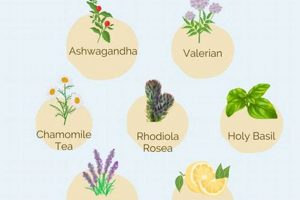
Chronic stress can suppress immune function, increasing susceptibility to infections. Adaptogenic herbs, such as Rhodiola rosea and Withania somnifera (Ashwagandha), can help the body adapt to stress and maintain a more robust immune system. By mitigating the negative effects of stress on immunity, these herbs may indirectly contribute to the prevention and management of sinus infections.
The strategic utilization of immune-modulating botanical agents represents a significant aspect of holistic sinus infection management. It is crucial to acknowledge that the efficacy of these agents can vary depending on individual factors and the specific pathogens involved. Collaboration with a qualified healthcare practitioner is essential to determine the most appropriate course of treatment, ensuring that immune support is tailored to the individual’s needs and integrated safely with other therapies.
4. Nasal passage clearance

Nasal passage clearance constitutes a fundamental aspect of addressing sinus infections, regardless of the therapeutic approach. The accumulation of mucus, inflammatory debris, and infectious agents within the nasal cavities exacerbates the condition, hindering natural drainage and perpetuating the inflammatory cycle. Therefore, methods aimed at facilitating the removal of these substances are integral to alleviating symptoms and promoting resolution of the infection. When integrated within a plant-based therapeutic strategy, focused nasal passage clearance leverages the mechanical and potentially antimicrobial properties of specific herbs or herbal preparations.
Various plant-derived methods contribute to nasal passage clearance. Saline nasal irrigation, often augmented with herbs known for their anti-inflammatory or antimicrobial properties (e.g., tea tree oil, eucalyptus), physically flushes the nasal cavities, removing accumulated debris. Steam inhalation with herbs such as peppermint or thyme can loosen mucus and promote drainage. Certain herbs, when ingested or applied topically, may stimulate ciliary activity, enhancing the natural mechanisms of mucus transport. The practical significance of this understanding lies in informing the selection of appropriate herbal interventions to complement other therapeutic strategies, maximizing their effectiveness in promoting sinus health.
In summary, nasal passage clearance, whether achieved through mechanical irrigation, steam inhalation, or the application of specific herbal compounds, represents a crucial component of plant-based approaches to sinus infection management. Challenges may arise in identifying appropriate herbs, ensuring proper preparation and dilution, and addressing individual sensitivities. However, a comprehensive understanding of the underlying mechanisms and practical applications of nasal passage clearance contributes significantly to the rational and effective use of herbal remedies for sinus infections.
5. Infection control

The management of sinus infections necessitates addressing the underlying microbial presence contributing to the inflammatory state. Botanical substances with antimicrobial properties offer a potential avenue for directly targeting these pathogens, thereby supporting the body’s natural defenses and facilitating the resolution of the infection. The strategic selection and application of herbs for infection control represent a key element in a comprehensive, plant-based approach to sinus infection management.
- Direct Antimicrobial Action
Certain herbs contain compounds with demonstrated in vitro antimicrobial activity against common sinus infection pathogens, including bacteria and fungi. Examples include garlic (Allium sativum), which contains allicin, and tea tree oil (Melaleuca alternifolia), which possesses terpinen-4-ol. These substances may disrupt microbial cell membranes or interfere with essential metabolic processes, leading to pathogen inhibition or eradication. The application of such herbs aims to directly reduce the microbial load within the sinuses, contributing to infection control.
- Biofilm Disruption
Microbial biofilms, complex communities of microorganisms encased in a protective matrix, often contribute to chronic or recurrent sinus infections. Some herbal extracts exhibit the capacity to disrupt these biofilms, rendering the pathogens more susceptible to antimicrobial agents and the host’s immune defenses. For example, extracts from cranberry (Vaccinium macrocarpon) have shown potential in disrupting bacterial adhesion and biofilm formation. Addressing biofilms is crucial for achieving long-term infection control in chronic sinus conditions.
- Modulation of the Host Immune Response to Pathogens
The immune system plays a vital role in controlling sinus infections by recognizing and eliminating pathogens. Certain herbs can modulate the host’s immune response, enhancing its ability to combat infection. For instance, Echinacea purpurea may stimulate phagocytosis and increase the production of interferon, augmenting the body’s defenses against viral and bacterial pathogens. Supporting the immune system facilitates pathogen clearance and prevents the recurrence of infection.
The integration of infection control strategies, leveraging the antimicrobial and immunomodulatory properties of botanical substances, forms a cornerstone of plant-based approaches to sinus infection management. Success hinges on accurate pathogen identification, appropriate herb selection, and careful consideration of potential interactions with conventional treatments. The utilization of botanical agents for infection control must be undertaken with professional guidance to ensure safety and maximize therapeutic efficacy.
Frequently Asked Questions
The following questions address common inquiries regarding the use of botanical remedies for managing sinus infections. The information is intended for educational purposes and should not be interpreted as medical advice. Consultation with a qualified healthcare provider is essential before initiating any treatment regimen.
Question 1: Are botanical remedies a substitute for conventional medical treatment of sinus infections?
Botanical remedies are generally not considered a substitute for conventional medical treatment, particularly in cases of acute bacterial sinus infections or chronic sinusitis requiring more aggressive intervention. Plant-based approaches may serve as complementary therapies to alleviate symptoms and support the body’s natural healing processes. However, delaying or foregoing conventional treatment in favor of solely herbal remedies can potentially lead to complications and prolong the infection.
Question 2: What are the potential risks or side effects associated with using herbal remedies for sinus infections?
Herbal remedies, like any therapeutic intervention, carry the potential for adverse effects. Allergic reactions, drug interactions, and gastrointestinal upset are among the reported side effects. Furthermore, the quality and potency of herbal products can vary considerably, potentially leading to inconsistent results or unintended consequences. It is imperative to source herbal remedies from reputable suppliers and adhere to recommended dosages to minimize the risk of adverse events.
Question 3: How long does it typically take to experience relief from sinus infection symptoms when using herbal remedies?
The time frame for experiencing relief can vary significantly depending on the severity of the infection, the individual’s response to treatment, and the specific herbal remedies employed. Some individuals may experience noticeable symptom improvement within a few days, while others may require several weeks to achieve substantial relief. Consistent and appropriate use, coupled with adherence to recommended lifestyle modifications, is essential for optimizing therapeutic outcomes.
Question 4: Are herbal remedies safe for use during pregnancy or breastfeeding?
The safety of herbal remedies during pregnancy and breastfeeding is a complex issue, as many botanical substances have not been adequately studied in these populations. Certain herbs are contraindicated during pregnancy due to potential risks to the developing fetus. Likewise, some herbal compounds can be excreted in breast milk, potentially affecting the nursing infant. Pregnant or breastfeeding individuals should consult with a healthcare provider or qualified herbalist before using any herbal remedies.
Question 5: Can herbal remedies interact with prescription medications used to treat sinus infections or other conditions?
Herbal remedies can interact with a variety of prescription medications, potentially altering their efficacy or increasing the risk of adverse effects. For example, certain herbs may affect the metabolism of drugs in the liver, leading to either increased or decreased drug levels in the bloodstream. It is crucial to inform healthcare providers of all herbal supplements being used to avoid potentially harmful interactions.
Question 6: How can one ensure the quality and purity of herbal remedies used for sinus infections?
Ensuring the quality and purity of herbal remedies requires careful sourcing and evaluation of product labeling. Look for products that have been tested for identity, potency, and contaminants by a third-party certification organization. Purchase herbal remedies from reputable manufacturers that adhere to Good Manufacturing Practices (GMP). Avoid products with vague labeling or unsubstantiated claims. Consulting with a qualified herbalist can provide further guidance on selecting high-quality herbal products.
These answers address common concerns about the use of plant-based remedies for sinus infections, emphasizing the need for caution, informed decision-making, and professional guidance. The information presented is not exhaustive and should not substitute for the advice of a qualified healthcare provider.
The following section will explore specific herbal formulations and their applications in managing sinus-related ailments.
Concluding Remarks on Plant-Based Interventions for Sinus Infections
This exploration has delineated various facets of plant-based interventions for sinus infections, encompassing anti-inflammatory, mucus-thinning, immune-supportive, nasal passage clearing, and infection control strategies. While botanical substances offer potential benefits in managing symptoms and addressing underlying factors, their application necessitates informed consideration and a cautious approach. Rigorous scientific validation of efficacy remains a crucial area of ongoing investigation.
The judicious integration of plant-based remedies, guided by professional medical advice, may represent a valuable component of comprehensive sinus infection management. However, it is imperative to acknowledge the limitations of these approaches and to prioritize evidence-based medical care when indicated. Continued research and responsible utilization are essential to harness the potential of botanical medicine in promoting sinus health.