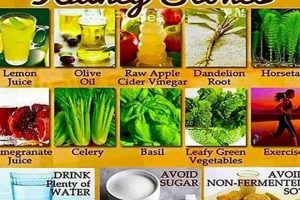
Botanical treatments aimed at nicotine cessation represent a category of therapeutic options utilizing naturally derived substances to alleviate withdrawal symptoms and reduce the urge to smoke. These interventions often involve plants with properties thought to mimic the effects of nicotine or to provide alternative coping mechanisms for managing cravings. An example includes the use of lobelia, which contains lobeline, a compound purported to interact with nicotinic receptors in the brain.
The potential advantages of employing plant-based approaches lie in their accessibility, perceived lower risk of side effects compared to pharmaceutical interventions, and historical use in traditional medicine systems. The exploration of such natural compounds holds significance in broadening the spectrum of available methods for individuals seeking to overcome tobacco dependence, and may offer a more holistic approach to smoking cessation integrating physical and psychological well-being. The long history of traditional medicine provides a foundation for modern research into efficacy and safety.
Therefore, the subsequent discussion will delve into specific botanical substances commonly associated with efforts to quit tobacco use. It will examine their proposed mechanisms of action, available scientific evidence supporting their effectiveness, and potential risks or interactions. A comprehensive overview will allow for informed decision-making regarding the integration of these options into a personalized cessation plan.
Guidance on Botanical Approaches to Smoking Cessation
The following recommendations provide a framework for individuals considering the integration of plant-derived substances into their efforts to discontinue tobacco use. These suggestions emphasize informed decision-making, responsible utilization, and realistic expectations regarding outcomes.
Tip 1: Consult a Qualified Healthcare Professional: Prior to initiating any regimen involving botanical substances for smoking cessation, consultation with a physician or qualified herbalist is essential. Such consultation ensures the absence of contraindications and the proper assessment of potential interactions with existing medications.
Tip 2: Conduct Thorough Research: Evidence supporting the efficacy of specific botanical remedies varies. Individuals should critically evaluate available scientific literature and consider the strength of evidence when selecting a particular intervention. Reputable sources, such as peer-reviewed journals and established research institutions, should be prioritized.
Tip 3: Adhere to Recommended Dosages: Dosage guidelines for botanical substances should be followed meticulously. Excessive consumption may result in adverse effects, while insufficient dosages may render the intervention ineffective. Information on appropriate dosages can typically be found on product labels or within reputable herbal medicine guides.
Tip 4: Monitor for Adverse Reactions: Close monitoring for any adverse reactions is crucial. Discontinue use immediately if any unexpected or concerning symptoms arise, such as allergic reactions, gastrointestinal distress, or neurological changes. Seek prompt medical attention if symptoms are severe.
Tip 5: Integrate with a Comprehensive Cessation Plan: Botanical approaches should be viewed as adjuncts to, rather than replacements for, a comprehensive smoking cessation strategy. Such a plan should include behavioral therapy, support groups, and, if appropriate, pharmaceutical interventions prescribed by a physician.
Tip 6: Source Products from Reputable Suppliers: The quality and purity of botanical products can vary significantly. It is imperative to source remedies from reputable suppliers who adhere to strict quality control standards and provide verifiable information regarding the origin and composition of their products.
Tip 7: Maintain Realistic Expectations: Botanical approaches may not be universally effective, and individual responses may vary considerably. Maintaining realistic expectations regarding the potential benefits and limitations of these interventions is crucial for avoiding discouragement and maintaining motivation.
Successful integration of plant-based substances into a smoking cessation plan requires diligent research, responsible utilization, and the guidance of qualified healthcare professionals. A holistic approach that addresses both the physical and psychological aspects of nicotine dependence is essential for achieving long-term success.
The next section will explore the potential risks associated with relying solely on botanical interventions for smoking cessation and will emphasize the importance of a multifaceted approach.
1. Efficacy Research

The empirical validation of plant-derived smoking cessation aids hinges upon rigorous efficacy research. This research, typically involving randomized controlled trials, aims to determine whether a specific herbal intervention produces a statistically significant reduction in tobacco consumption or an increase in successful quit rates compared to a placebo or established treatment. The absence of robust efficacy research renders the use of such remedies questionable, as anecdotal evidence or traditional use alone does not guarantee effectiveness. For instance, if a clinical trial fails to demonstrate a significant difference in quit rates between individuals using a ginseng extract and those receiving a placebo, the conclusion must be that, based on current evidence, ginseng is not an effective aid for smoking cessation.
The importance of efficacy research extends beyond simply determining whether a remedy “works.” It also provides crucial information regarding optimal dosages, potential side effects, and the specific populations for whom the remedy may be most beneficial. For example, a study might find that a particular herbal formulation is effective only in individuals with mild nicotine dependence or that it interacts negatively with certain medications. Without this detailed understanding, the widespread use of plant-based interventions could lead to ineffective treatments or, in some cases, adverse health outcomes. Consider, for example, St. Johns Wort and its significant interactions with numerous prescription medications; without adequate research and awareness, individuals could inadvertently compromise the efficacy or safety of their existing treatments.
In conclusion, efficacy research forms the bedrock upon which the responsible and evidence-based use of plant-derived smoking cessation aids is built. It provides the critical information necessary to assess the true potential of these interventions, to minimize risks, and to ensure that individuals seeking to quit smoking have access to treatments that are both safe and effective. The continued investment in and rigorous execution of efficacy research remains essential to advancing the field and providing meaningful assistance to those struggling with tobacco dependence. The lack of such research poses a significant challenge to the credibility and responsible application of plant-based remedies in smoking cessation.
2. Safety Profiles

The evaluation of safety profiles is of paramount importance when considering botanical substances as smoking cessation aids. The inherent assumption that “natural” equates to “safe” is a fallacy, and rigorous assessment of potential adverse effects and contraindications is essential for responsible utilization.
- Adverse Effects and Toxicity
Many plants contain potent compounds that can induce adverse effects ranging from mild gastrointestinal distress to severe organ damage. For example, certain constituents in herbal preparations may exhibit hepatotoxicity or nephrotoxicity, particularly with prolonged use or in individuals with pre-existing conditions. Therefore, a thorough understanding of the potential toxicological properties of each herbal remedy is crucial.
- Drug Interactions
Botanical substances can interact with prescription medications, potentially altering their efficacy or increasing the risk of adverse events. Certain herbs may inhibit or induce cytochrome P450 enzymes, which play a critical role in drug metabolism. For instance, St. John’s Wort, often promoted for mood enhancement, is a potent CYP3A4 inducer, potentially reducing the effectiveness of medications such as warfarin and oral contraceptives. Awareness of these potential interactions is vital to prevent unintended and potentially harmful consequences.
- Contraindications
Specific medical conditions may contraindicate the use of certain herbal remedies. For example, individuals with bleeding disorders should exercise caution when using herbs with anticoagulant properties, such as ginger or ginkgo. Similarly, pregnant or breastfeeding women should avoid many herbal preparations due to potential risks to the developing fetus or infant. A comprehensive medical history and consultation with a healthcare professional are necessary to identify potential contraindications.
- Quality Control and Adulteration
The safety of herbal remedies is also contingent upon stringent quality control measures. Adulteration with undeclared pharmaceuticals or heavy metals is a significant concern in the herbal product industry. Independent testing and certification by reputable organizations can help ensure the purity and authenticity of herbal preparations, mitigating the risk of exposure to harmful contaminants.
In conclusion, the integration of botanical substances into smoking cessation efforts necessitates a meticulous evaluation of safety profiles. An informed approach that considers potential adverse effects, drug interactions, contraindications, and quality control issues is essential to minimize risks and maximize the potential benefits of these interventions. A blanket endorsement of “natural” remedies without careful consideration of safety is irresponsible and potentially harmful.
3. Dosage Guidelines

The determination and adherence to precise dosage guidelines are critical factors in the safe and effective utilization of botanical substances as aids in smoking cessation. The efficacy and safety of herbal interventions are often dose-dependent, necessitating careful consideration of recommended dosages to minimize adverse effects and maximize potential therapeutic benefits.
- Variability in Potency
The concentration of active compounds can vary significantly between different batches and preparations of the same herb. Factors such as growing conditions, harvesting methods, and processing techniques can influence the potency of the final product. Therefore, standardized extracts with known concentrations of active constituents are generally preferred to ensure consistent dosing. Without standardized extracts, the risk of under-dosing (leading to ineffectiveness) or over-dosing (leading to toxicity) increases substantially. For example, two different sources of ginseng root may contain vastly different concentrations of ginsenosides, the active compounds responsible for its purported effects.
- Individual Physiological Factors
Individual factors such as age, weight, metabolism, and pre-existing medical conditions can influence the appropriate dosage of herbal remedies. What constitutes a safe and effective dose for one individual may be inappropriate for another. Individuals with compromised liver or kidney function may require lower dosages due to impaired ability to metabolize and excrete herbal compounds. Similarly, elderly individuals may be more sensitive to the effects of certain herbs and require reduced dosages. This necessitates a personalized approach to dosage determination, ideally under the guidance of a qualified healthcare professional.
- Formulations and Routes of Administration
The dosage of an herbal remedy may also depend on the formulation and route of administration. Herbal substances can be administered in various forms, including capsules, tablets, tinctures, teas, and topical applications. The bioavailability of active compounds can vary depending on the formulation, affecting the dosage required to achieve a therapeutic effect. For instance, a tincture (alcohol-based extract) may result in faster absorption compared to a capsule, potentially necessitating a lower dosage. Similarly, the dosage of an herbal tea may differ significantly from that of a concentrated extract.
- Potential for Accumulation
Certain botanical compounds may accumulate in the body with prolonged use, increasing the risk of toxicity. Therefore, it is crucial to adhere to recommended dosage guidelines and to monitor for signs of accumulation. Periodic breaks from herbal supplementation may be advisable to prevent the buildup of potentially harmful compounds. For example, prolonged use of kava, often used for anxiety relief, has been associated with liver damage, highlighting the importance of adhering to recommended dosages and monitoring liver function.
In conclusion, precise adherence to dosage guidelines is a cornerstone of safe and effective utilization of herbal remedies in smoking cessation. Factors such as variability in potency, individual physiological factors, formulations, and the potential for accumulation must be carefully considered to minimize risks and maximize potential benefits. Given the complexity of these factors, consultation with a healthcare professional or qualified herbalist is strongly recommended to ensure the responsible and informed use of plant-derived substances.
4. Interaction Risks

The potential for interactions between herbal remedies intended to aid in smoking cessation and conventional pharmaceutical medications represents a significant area of concern. The concurrent use of these substances can lead to unpredictable and potentially harmful effects, necessitating careful consideration and professional oversight.
- Pharmacokinetic Interactions
These interactions involve alterations in the absorption, distribution, metabolism, or excretion of either the herbal remedy or the conventional medication. For instance, St. John’s Wort, sometimes considered for mood stabilization during nicotine withdrawal, is a known inducer of the CYP3A4 enzyme. This induction can accelerate the metabolism of many medications, including certain antidepressants and oral contraceptives, potentially reducing their effectiveness. Conversely, some herbs may inhibit metabolic enzymes, leading to elevated drug levels and an increased risk of toxicity. Careful monitoring of medication levels and potential dosage adjustments may be necessary.
- Pharmacodynamic Interactions
Pharmacodynamic interactions occur when the combined effect of the herbal remedy and the conventional medication is either synergistic (enhanced) or antagonistic (reduced). For example, combining an herbal remedy with sedative properties, such as valerian root, with a prescription anti-anxiety medication can potentiate the sedative effects, leading to excessive drowsiness or respiratory depression. Conversely, an herbal remedy with stimulant properties could counteract the effects of a medication intended to lower blood pressure, rendering the medication less effective.
- Interactions with Nicotine Replacement Therapy (NRT)
The concomitant use of herbal remedies and NRT (e.g., nicotine patches, gum, lozenges) requires careful consideration. Some herbs may influence nicotine metabolism or receptor binding, potentially altering the effectiveness of NRT or increasing the risk of nicotine-related side effects. For example, certain herbs with purported anti-anxiety effects could potentially mask or exacerbate withdrawal symptoms when used in conjunction with NRT, making it difficult to assess the efficacy of the NRT or the need for dosage adjustments. Comprehensive monitoring of withdrawal symptoms and nicotine levels is advisable.
- Interactions with Medications for Co-morbid Conditions
Individuals attempting to quit smoking often have co-existing medical conditions requiring pharmacological management. Herbal remedies can interact with medications used to treat these conditions, potentially compromising their effectiveness or increasing the risk of adverse events. For instance, individuals with cardiovascular disease taking anticoagulants such as warfarin should exercise extreme caution when using herbs with blood-thinning properties, such as ginger or ginkgo, as this combination can significantly increase the risk of bleeding. A thorough review of all medications and herbal supplements is essential to identify potential interaction risks.
The potential for interaction risks underscores the critical importance of professional guidance when considering the integration of herbal remedies into smoking cessation efforts. Open communication between the individual, their physician, and a qualified herbalist is essential to identify potential interactions, monitor for adverse effects, and adjust treatment plans accordingly. A comprehensive and individualized approach is necessary to ensure the safe and effective use of both herbal and conventional medications.
5. Source Quality
The efficacy and safety of botanical substances utilized as smoking cessation aids are inextricably linked to the quality of their source. The term “source quality” encompasses multiple factors, including the botanical identity of the plant material, its cultivation and harvesting practices, the extraction and processing methods employed, and the presence of contaminants or adulterants. A compromise in any of these areas can significantly diminish the therapeutic potential of the herbal remedy and, in certain instances, pose significant health risks. For example, if the plant material is misidentified, an individual might be consuming a species lacking the intended therapeutic properties or, even worse, one that is toxic. Similarly, plants grown in contaminated soil may accumulate heavy metals, such as lead or mercury, which can then be ingested by the consumer. Without verifiable source quality, the purported benefits of a botanical remedy are rendered unreliable and potentially dangerous.
The methods used for extraction and processing also exert a substantial influence on the final product’s quality. Crude extraction techniques can result in the inclusion of unwanted compounds or the degradation of active constituents. Conversely, sophisticated extraction and purification processes can yield a standardized extract with a known concentration of the desired compounds, ensuring consistency and predictability in dosing. Consider, for instance, the extraction of ginsenosides from ginseng root. A poorly executed extraction may result in a product with minimal ginsenoside content, rendering it ineffective. Conversely, a carefully controlled extraction and standardization process can yield a product with a consistent and reliably high concentration of ginsenosides, enhancing its potential therapeutic effects. Furthermore, the presence of adulterants, such as undeclared pharmaceuticals or synthetic chemicals, represents a significant concern in the herbal product industry. These adulterants may be added to enhance the perceived efficacy of the product, but they pose serious health risks due to potential drug interactions and unforeseen side effects.
In conclusion, the selection of herbal smoking cessation aids necessitates a careful assessment of source quality. Consumers should prioritize products from reputable manufacturers who employ stringent quality control measures, provide detailed information regarding the origin and processing of their products, and subject their products to independent testing and certification. Compromising on source quality can undermine the effectiveness of the herbal remedy and potentially expose the individual to significant health risks. Therefore, a commitment to sourcing high-quality botanical substances is paramount in ensuring the safe and responsible utilization of these aids in smoking cessation efforts. The potential risks associated with low-quality sources far outweigh any perceived cost savings.
6. Holistic Integration

Holistic integration, within the context of employing plant-derived substances for tobacco cessation, refers to the strategic incorporation of such remedies into a broader, multidimensional approach that addresses the multifaceted nature of nicotine dependence. This perspective acknowledges that smoking is not solely a physical addiction, but also encompasses psychological, behavioral, and social dimensions that must be addressed concurrently for sustained success.
- Behavioral Therapies
Behavioral therapies, such as cognitive behavioral therapy (CBT) and motivational interviewing, play a crucial role in addressing the psychological and behavioral aspects of smoking addiction. These therapies equip individuals with coping mechanisms to manage cravings, identify triggers, and develop alternative behaviors to replace smoking. Integrating these therapies with plant-based remedies can enhance the overall effectiveness of the cessation plan. For instance, an individual using an herbal remedy to reduce nicotine cravings may also participate in CBT sessions to address the underlying emotional or situational factors that contribute to their smoking behavior. In real-world scenarios, a person might learn to use deep breathing exercises learned in CBT alongside an herbal tea to manage stress-induced cravings.
- Nutritional Support
Nutritional deficiencies can exacerbate withdrawal symptoms and hinder the cessation process. Providing nutritional support, through dietary modifications and targeted supplementation, can help mitigate these effects and promote overall well-being. For example, nicotine withdrawal can deplete certain vitamins and minerals, such as vitamin C and B vitamins. Supplementing these nutrients can help alleviate symptoms such as fatigue, irritability, and anxiety. Dietary recommendations might include increasing intake of fruits, vegetables, and whole grains, while reducing processed foods, sugary drinks, and excessive caffeine consumption. This facet ensures the body is well-supported during the challenging process of quitting.
- Stress Management Techniques
Stress is a significant trigger for smoking relapse. Integrating stress management techniques, such as mindfulness meditation, yoga, or deep breathing exercises, can help individuals develop alternative coping mechanisms for managing stress and reducing the urge to smoke. These techniques can be particularly beneficial when used in conjunction with herbal remedies known for their calming or anxiolytic properties. For instance, an individual might practice mindfulness meditation daily and use an herbal tea containing chamomile or lavender during periods of heightened stress. The synergy between the stress reduction techniques and the anxiolytic herbs can enhance the overall effectiveness of the cessation plan. A person might use progressive muscle relaxation techniques combined with aromatherapy involving calming essential oils.
- Social Support Systems
Social support plays a critical role in maintaining long-term abstinence from smoking. Connecting with supportive friends, family members, or support groups can provide individuals with encouragement, accountability, and a sense of community. Sharing experiences with others who are also trying to quit can reduce feelings of isolation and provide valuable insights and coping strategies. Integrating social support with herbal remedies can create a more comprehensive and sustainable approach to smoking cessation. For example, an individual might participate in a support group while using an herbal remedy to manage cravings. The combination of social support and botanical assistance can enhance motivation, reduce feelings of loneliness, and improve overall success rates. Attending group counseling sessions or online forums for smoking cessation support can provide a sense of camaraderie and shared purpose.
The facets of holistic integration underscore the importance of addressing the complex interplay of factors that contribute to nicotine dependence. While plant-based remedies may offer valuable assistance in managing cravings and withdrawal symptoms, they are most effective when incorporated into a broader, multidimensional approach that encompasses behavioral therapies, nutritional support, stress management techniques, and social support systems. This holistic perspective acknowledges that sustained success in smoking cessation requires a comprehensive and individualized plan that addresses the unique needs and circumstances of each individual.
7. Individual Variability

Individual variability profoundly influences the efficacy and safety of botanical approaches to smoking cessation. The responses to herbal remedies differ significantly among individuals, necessitating a personalized approach that considers unique physiological, genetic, and lifestyle factors.
- Metabolic Differences
Individual variations in metabolic enzyme activity, particularly cytochrome P450 enzymes, can significantly impact the rate at which herbal compounds are metabolized and cleared from the body. Individuals with reduced enzyme activity may experience prolonged effects and an increased risk of adverse reactions, even at standard dosages. Conversely, individuals with enhanced enzyme activity may metabolize the herbal remedy more rapidly, potentially reducing its effectiveness. For example, the metabolism of constituents in St. John’s Wort varies considerably among individuals, affecting its impact on mood and interactions with other medications. Genetic testing can sometimes provide insights into an individual’s metabolic profile, informing dosage adjustments.
- Genetic Predisposition
Genetic factors can influence an individual’s susceptibility to nicotine addiction and their response to smoking cessation interventions, including herbal remedies. Variations in genes encoding for nicotine receptors, dopamine pathways, and other neurobiological systems can affect the severity of withdrawal symptoms and the likelihood of successful quitting. While direct genetic links to herbal remedy effectiveness are still under investigation, understanding an individual’s genetic predisposition to nicotine dependence may inform the selection of complementary therapies. Further, genetic polymorphisms could impact the way an individual processes specific compounds within herbal remedies, leading to differing outcomes.
- Co-existing Health Conditions
The presence of co-existing health conditions, such as cardiovascular disease, liver disease, or mental health disorders, can significantly influence the safety and efficacy of herbal remedies. Individuals with liver or kidney dysfunction may have impaired ability to metabolize or excrete herbal compounds, increasing the risk of toxicity. Furthermore, certain herbal remedies may interact with medications used to manage these co-existing conditions. For example, an individual with cardiovascular disease taking anticoagulants should exercise caution when using herbs with blood-thinning properties. Thorough evaluation of an individual’s health history and medication regimen is essential before recommending any herbal intervention.
- Lifestyle Factors
Lifestyle factors, such as diet, exercise, and stress levels, can also influence an individual’s response to herbal remedies. A diet rich in antioxidants and essential nutrients can support the body’s detoxification processes and enhance overall well-being during smoking cessation. Regular exercise can help reduce stress, improve mood, and manage cravings. Conversely, high levels of stress can exacerbate withdrawal symptoms and hinder the cessation process. A comprehensive assessment of an individual’s lifestyle habits is crucial for developing a personalized cessation plan that integrates botanical remedies with other supportive measures. Someone with a high-stress job might require a different strategy than someone with a more relaxed lifestyle, highlighting the importance of customized care.
The impact of individual variability underscores the limitations of a one-size-fits-all approach to using botanical substances in tobacco cessation. A personalized strategy, guided by a thorough assessment of physiological, genetic, health, and lifestyle factors, is essential to maximize benefits and minimize risks. The complexities of individual response patterns highlight the necessity of professional guidance in the selection and utilization of herbal remedies to stop smoking.
Frequently Asked Questions
The following questions and answers address common concerns and clarify misconceptions surrounding the use of plant-derived substances in the context of smoking cessation. The information provided aims to promote informed decision-making and responsible utilization of such remedies.
Question 1: Are botanical remedies a guaranteed solution for quitting smoking?
Botanical substances should not be considered a guaranteed solution for overcoming tobacco dependence. Their effectiveness varies significantly among individuals and depends on factors such as the specific herb used, dosage, individual physiology, and the presence of co-existing health conditions. While some botanical substances may help alleviate withdrawal symptoms or reduce cravings, they are best integrated within a comprehensive cessation plan that includes behavioral therapy and support.
Question 2: Are all herbal remedies safe for use in smoking cessation?
Not all botanical substances are safe for use in smoking cessation. Some herbs may have significant side effects, interact with medications, or be contraindicated for individuals with certain medical conditions. Thorough research and consultation with a qualified healthcare professional are essential before initiating any herbal regimen. It is crucial to source products from reputable suppliers and adhere to recommended dosages.
Question 3: Can botanical remedies completely eliminate nicotine withdrawal symptoms?
Botanical substances may help mitigate some nicotine withdrawal symptoms, but they are unlikely to eliminate them entirely. Withdrawal symptoms can include cravings, irritability, anxiety, difficulty concentrating, and sleep disturbances. The degree to which herbal remedies alleviate these symptoms varies among individuals and depends on the severity of nicotine dependence. A combination of botanical remedies and behavioral therapies may be necessary to manage withdrawal symptoms effectively.
Question 4: How long should botanical remedies be used to aid in smoking cessation?
The duration of use for herbal remedies in smoking cessation depends on the specific herb and the individual’s response. Some herbs may be used for a short period to manage acute withdrawal symptoms, while others may be used for a longer duration as part of a maintenance plan. Consultation with a healthcare professional or qualified herbalist can provide guidance on the appropriate duration of use.
Question 5: Are botanical remedies regulated in the same way as prescription medications?
Botanical remedies are typically not regulated as rigorously as prescription medications. The manufacturing, labeling, and marketing of herbal products are often subject to less stringent standards. This lack of regulation can lead to variability in product quality and potency. Consumers should exercise caution when selecting herbal products and prioritize those from reputable manufacturers who adhere to quality control standards.
Question 6: What are the potential risks of relying solely on botanical remedies to quit smoking?
Relying solely on botanical substances to quit smoking can be risky, as it may not address the underlying psychological and behavioral aspects of nicotine dependence. Furthermore, it may delay or prevent individuals from seeking evidence-based treatments, such as behavioral therapy and prescription medications. A comprehensive approach that integrates botanical remedies with other supportive measures is generally more effective than relying on a single intervention.
The information provided in this FAQ section is intended for educational purposes only and should not be considered medical advice. Individuals considering the use of botanical remedies for smoking cessation should consult with a qualified healthcare professional.
The following section will discuss potential long-term strategies for maintaining abstinence from tobacco following successful cessation.
Herbal Remedies to Stop Smoking
This exploration has detailed the complexities inherent in utilizing herbal remedies to stop smoking. The assessment encompassed efficacy research, safety profiles, dosage guidelines, interaction risks, source quality, the necessity of holistic integration, and the unavoidable influence of individual variability. These factors underscore the absence of a universally effective or risk-free botanical solution for nicotine dependence. The integration of plant-derived substances demands rigorous scrutiny and informed application.
The information presented serves as a call for diligent evaluation and responsible decision-making. While certain botanical options may offer adjunct support, they are not a replacement for comprehensive cessation strategies grounded in evidence-based practices. Continued research and professional guidance remain essential to maximizing potential benefits and mitigating potential harms within the domain of plant-based smoking cessation efforts.