The utilization of plant-derived substances to alleviate the symptoms associated with influenza, commonly known as the flu, represents a traditional approach to managing this widespread viral infection. These natural treatments, sourced from various plants and prepared in different forms such as teas, tinctures, and capsules, are intended to support the body’s natural defenses and provide symptomatic relief.
The appeal of using natural approaches for managing flu symptoms often stems from their accessibility and perceived lower risk of side effects compared to pharmaceutical interventions. Historically, many cultures have relied on botanicals for their therapeutic properties. Research is ongoing to validate the efficacy of these historical treatments and to identify the active compounds responsible for their purported benefits.
This exposition explores specific botanicals commonly used in attempts to mitigate flu symptoms. It details their traditional uses, summarizes the scientific evidence regarding their effectiveness, and outlines potential safety considerations associated with their application. This information is not intended as a substitute for professional medical advice.
Guidance on Botanical Approaches to Flu Symptom Management
The following suggestions offer preliminary guidance on the potential role of plant-based therapies in managing the discomfort associated with influenza. Consultation with a qualified healthcare professional is strongly advised prior to initiating any new treatment regimen.
Tip 1: Hydration Enhancement. Increased fluid intake, such as water, herbal teas, or clear broths, supports the body’s natural detoxification processes and helps to loosen congestion.
Tip 2: Elderberry Consideration.Sambucus nigra (elderberry) preparations have demonstrated, in some studies, the potential to reduce the duration and severity of flu symptoms. Standardized extracts and adherence to recommended dosages are essential.
Tip 3: Ginger Ingestion.Zingiber officinale (ginger) is known for its anti-inflammatory properties and can potentially alleviate nausea and sore throat. It can be consumed in tea or added to meals.
Tip 4: Eucalyptus Inhalation. Steam inhalation with a few drops of Eucalyptus globulus (eucalyptus) oil may assist in clearing nasal passages and reducing congestion. Caution is advised for individuals with respiratory sensitivities.
Tip 5: Vitamin C Sources. Consumption of foods rich in Vitamin C, such as citrus fruits and leafy green vegetables, contributes to immune system support. Supplementation should be discussed with a healthcare provider.
Tip 6: Rest Prioritization. Adequate rest is paramount to facilitate the body’s natural healing processes. Reduce physical activity and prioritize sleep.
Tip 7: Monitor Symptom Progression. Vigilant observation of symptoms and prompt consultation with a medical professional are crucial if symptoms worsen or fail to improve after a reasonable period.
These recommendations offer insights into potential supportive measures during influenza. However, they should not be interpreted as a replacement for conventional medical care. Individual responses to botanical therapies may vary.
The subsequent sections will delve into specific botanical options and associated safety profiles in greater detail.
1. Botanical Identification

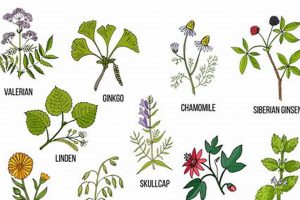
Botanical identification serves as the foundational element for the safe and effective application of botanicals as remedies for influenza. The correct identification of a plant species is paramount because closely related species may possess markedly different chemical compositions and, consequently, varying pharmacological properties. The use of an incorrectly identified plant can result in ineffective treatment at best and, at worst, can lead to adverse health consequences due to the presence of toxic compounds or the absence of the desired therapeutic agents.
For example, consider the use of Echinacea purpurea and Echinacea angustifolia, both commonly employed to support immune function during upper respiratory infections. While both species share some overlapping properties, their phytochemical profiles differ significantly, impacting their respective efficacies and potential applications. Substituting one species for another without proper identification could yield suboptimal results. Similarly, mistaking a toxic plant for a seemingly similar medicinal one could have grave implications. The accurate identification often relies on expert knowledge of plant morphology, anatomy, and, increasingly, molecular techniques.
In summary, reliable botanical identification is an indispensable component of responsible botanical remedy practices. It mitigates the risk of adverse events associated with misidentification and ensures that the intended therapeutic benefits are realized. The application of scientific rigor in botanical identification contributes to the safety and efficacy of herbal approaches in managing influenza symptoms. Its absence undermines the integrity of the entire process, rendering the purported remedy potentially hazardous and unreliable.
2. Traditional Application

The historical precedent for utilizing botanical substances in managing influenza symptoms, referred to as traditional application, represents a significant body of knowledge. This accumulated experience, often passed down through generations, provides valuable insights into plants employed for their perceived therapeutic effects during seasonal outbreaks. However, it is crucial to recognize that traditional use does not automatically equate to scientifically validated efficacy.
- Cultural Specificity of Plant Use
Different cultures have, over time, identified and utilized distinct botanical species for managing the symptoms associated with influenza. The specific plants employed often reflect local availability and cultural beliefs regarding their medicinal properties. For instance, certain indigenous populations may have traditionally used specific roots or barks to address fever and congestion, while other cultures might have favored flower-based infusions for soothing sore throats. This cultural specificity underscores the diversity of botanical knowledge across different regions and emphasizes the need for contextual understanding when evaluating traditional practices.
- Preparation Methods Across Traditions
The methods of preparing botanical remedies for influenza vary considerably across different traditional practices. These methods can range from simple infusions, decoctions, and poultices to more complex fermentation or distillation processes. The chosen preparation method can significantly impact the bioavailability and efficacy of the active compounds present in the plant material. Understanding these traditional preparation techniques is crucial for appreciating how different cultures have sought to optimize the therapeutic potential of botanical resources.
- Symptomatic Targeting in Traditional Systems
Traditional systems of medicine often categorize influenza symptoms into specific patterns or syndromes and prescribe botanical remedies based on these classifications. This approach reflects a holistic understanding of the disease, where treatment focuses on addressing the constellation of symptoms rather than targeting the virus directly. For example, a traditional practitioner might differentiate between “hot” and “cold” influenza patterns and prescribe cooling or warming herbs accordingly to restore balance within the body.
- Limitations of Historical Evidence
While traditional applications provide valuable ethno-botanical data, it’s essential to recognize the limitations inherent in historical records. Accurate record keeping may be limited. Furthermore, the quality and reliability of documentation may vary widely, and the absence of controlled studies makes it challenging to discern correlation from causation. Therefore, claims based solely on traditional use require careful scrutiny and further investigation through modern scientific methods.
In conclusion, while traditional application offers a wealth of knowledge regarding the use of botanicals for addressing influenza, it must be critically evaluated within the framework of contemporary scientific understanding. The cultural specificity, preparation methods, and symptomatic targeting employed in traditional systems provide valuable insights that can inform research efforts aimed at validating the efficacy and safety of botanical remedies. However, it is imperative to acknowledge the limitations of historical evidence and to subject traditional claims to rigorous scientific scrutiny.
3. Preparation Methods

The efficacy of employing botanical substances to mitigate influenza symptoms is inextricably linked to the method of preparation. The process by which plant material is converted into a usable form for consumption directly impacts the bioavailability of active compounds, influencing the therapeutic effect. Improper preparation can degrade or deactivate beneficial constituents, rendering the remedy ineffective, or conversely, it can concentrate harmful substances, leading to adverse effects. For instance, certain plant species contain toxins that require specific extraction techniques to be safely removed or neutralized. The selection of a suitable solvent, the control of temperature, and the duration of extraction are all critical variables.
Consider the traditional use of elderberry ( Sambucus nigra) for flu symptom management. While elderberry fruits contain antiviral compounds, raw berries also contain cyanogenic glycosides, which can release cyanide upon consumption. Proper preparation, such as cooking or fermenting the berries, is essential to neutralize these toxins and render the fruit safe for consumption. In contrast, improper handling or consumption of raw elderberries could result in nausea, vomiting, or more severe reactions. Similarly, the extraction of essential oils from plants like eucalyptus requires careful distillation to preserve the volatile therapeutic compounds while avoiding the production of harmful byproducts. The specific preparation method selected should align with the chemical properties of the plant material and the desired therapeutic outcome, informed by both traditional knowledge and scientific understanding.
In summary, preparation methods are not merely ancillary to the application of botanicals for influenza; they are a fundamental determinant of safety and effectiveness. Understanding the chemical composition of the plant and its potential toxicities, combined with knowledge of appropriate extraction and processing techniques, is essential for maximizing therapeutic benefits and minimizing potential risks. A standardized, scientifically informed approach to preparation is thus crucial to ensure the responsible and efficacious utilization of botanical remedies.
4. Active Constituents

The therapeutic potential of botanical approaches to influenza symptom management is fundamentally predicated on the presence and activity of specific chemical compounds within the plant material. These active constituents interact with biological systems to produce physiological effects, influencing the course and severity of influenza-related symptoms. The identification, characterization, and standardization of these constituents are crucial for understanding the mechanism of action and ensuring the consistent efficacy of botanical remedies.
- Antiviral Compounds
Certain plants contain compounds that exhibit direct antiviral activity, inhibiting the replication of influenza viruses. Flavonoids, for instance, such as those found in elderberry ( Sambucus nigra), have demonstrated the ability to block viral entry into host cells and reduce viral load. Similarly, some polysaccharides possess immunomodulatory effects that enhance the body’s antiviral defenses. The presence and concentration of these antiviral constituents are key determinants of a botanical remedy’s ability to combat the influenza virus directly.
- Anti-Inflammatory Agents
Influenza infection triggers an inflammatory response, contributing to symptoms such as fever, muscle aches, and sore throat. Many plants contain compounds with anti-inflammatory properties that can help mitigate these symptoms. Terpenoids, found in plants like ginger ( Zingiber officinale), and phenolic acids, present in various herbs, can inhibit the production of inflammatory mediators, reducing tissue damage and alleviating discomfort. The effectiveness of a botanical remedy in addressing influenza symptoms often depends on its capacity to modulate the inflammatory cascade.
- Immunomodulatory Substances
Botanicals can also exert their effects by modulating the immune system, enhancing its ability to fight off influenza infection. Some compounds stimulate the production of immune cells, such as natural killer cells and T lymphocytes, while others enhance the activity of macrophages, which engulf and destroy viruses. Polysaccharides, alkaloids, and other constituents found in plants like Echinacea species can influence immune function, potentially reducing the duration and severity of influenza symptoms. However, the specific mechanisms and long-term effects of these immunomodulatory substances require further investigation.
- Mucolytic and Expectorant Properties
The accumulation of mucus in the respiratory tract is a common symptom of influenza, contributing to cough and congestion. Certain botanical compounds possess mucolytic and expectorant properties, which help to break down mucus and facilitate its removal from the airways. Saponins, found in plants like ivy ( Hedera helix), and volatile oils, present in eucalyptus ( Eucalyptus globulus), can loosen mucus and stimulate ciliary action, promoting expectoration. These properties can provide symptomatic relief from cough and congestion, improving respiratory function during influenza infection.
In summary, the active constituents present in botanical remedies represent a diverse array of chemical compounds with the potential to influence various aspects of influenza infection, from direct antiviral activity to modulation of the immune response and alleviation of inflammatory symptoms. The rational application of botanicals for influenza symptom management requires a thorough understanding of these active constituents, their mechanisms of action, and their potential interactions with biological systems. Further research is needed to fully elucidate the role of these compounds in combating influenza and to develop standardized botanical remedies with consistent efficacy and safety profiles.
5. Dosage Standardization
The relationship between dosage standardization and botanical approaches to managing influenza is critical. Consistent dosage directly impacts the safety and effectiveness of such remedies. Variance in the concentration of active compounds within plant-based materials necessitates a standardized approach to dosing, preventing both sub-therapeutic application and potential toxicity. Without controlled dosage, the desired therapeutic effect may not be achieved, or, conversely, adverse reactions may occur due to excessive intake of potent plant constituents.
Dosage standardization can be achieved through various methods, including chromatographic analysis to quantify key active compounds and the preparation of standardized extracts. For example, an elderberry syrup marketed for flu symptom relief should ideally specify the concentration of anthocyanins, the compounds believed to contribute to its antiviral properties. Consumers can then administer the syrup according to established guidelines, minimizing the risk of under- or over-dosing. This standardization also facilitates comparison between different products, allowing informed choices based on the potency of the active ingredients. Absence of dosage standardization can lead to unpredictable outcomes, diminishing confidence in the botanical remedy and potentially jeopardizing patient safety.
In conclusion, dosage standardization is an indispensable component of the responsible use of botanical remedies for influenza. Its implementation ensures consistent therapeutic effects and reduces the likelihood of adverse events. Despite the challenges associated with standardizing complex plant-based materials, efforts to quantify active compounds and establish appropriate dosage guidelines are essential for integrating botanical approaches into evidence-based healthcare practices. The absence of standardization undermines the reliability and safety of such remedies, hindering their potential to contribute to influenza management.
6. Potential Interactions
The concurrent use of botanical substances and conventional medications introduces the possibility of pharmacological interactions, a critical consideration in the context of managing influenza symptoms. These interactions can alter the absorption, metabolism, or excretion of either the botanical remedy or the conventional drug, potentially leading to diminished therapeutic efficacy or increased adverse effects. The complex chemical composition of many botanical preparations further complicates the assessment of potential interaction risks.
- Herb-Drug Interactions Affecting Cytochrome P450 Enzymes
Many conventional medications are metabolized by cytochrome P450 (CYP) enzymes in the liver. Certain botanical compounds can either induce or inhibit the activity of these enzymes, thereby altering the metabolism of co-administered drugs. For instance, St. John’s Wort ( Hypericum perforatum), while not typically used for influenza, is a well-known CYP3A4 inducer, potentially reducing the effectiveness of antiviral medications like oseltamivir. Conversely, some botanical extracts may inhibit CYP enzymes, leading to elevated drug levels and increased risk of toxicity. Careful evaluation of potential CYP-mediated interactions is crucial when combining botanicals with conventional flu treatments.
- Interactions with Anticoagulant and Antiplatelet Medications
Some botanical remedies possess anticoagulant or antiplatelet properties. Concurrent use of these remedies with anticoagulant medications, such as warfarin or heparin, can increase the risk of bleeding. For example, high doses of garlic ( Allium sativum) or ginger ( Zingiber officinale) may potentiate the effects of warfarin, leading to an elevated international normalized ratio (INR) and increased risk of hemorrhage. Monitoring of coagulation parameters is advisable when botanical remedies with potential anticoagulant effects are used in conjunction with conventional anticoagulant drugs.
- Impact on Immune System Modulation
Botanicals marketed for influenza often possess immunomodulatory properties, aiming to enhance the body’s immune response to viral infection. However, the concurrent use of these botanicals with immunosuppressant medications, such as those prescribed for autoimmune diseases or organ transplant recipients, could potentially counteract the effects of the immunosuppressant drugs. The net effect on immune function can be difficult to predict and requires careful consideration in individuals with compromised immune systems or those receiving immunosuppressive therapy.
- Additive Effects with Conventional Medications
The potential for additive effects exists when botanical remedies and conventional medications target similar physiological pathways. For instance, both some botanical preparations and conventional decongestants may elevate blood pressure. Concurrent use of these agents could result in an additive hypertensive effect, particularly in individuals with pre-existing hypertension. Monitoring blood pressure and adjusting dosages as necessary may be warranted when combining botanicals with conventional medications that share similar pharmacological effects.
The risk of potential interactions underscores the importance of comprehensive medication reconciliation and open communication between patients and healthcare providers. Patients should disclose all botanical remedies and supplements they are using to their physicians and pharmacists, enabling a thorough assessment of potential drug interactions. The unpredictable nature of these interactions necessitates a cautious approach, particularly in individuals with pre-existing medical conditions or those taking multiple medications. Further research is needed to fully elucidate the complex interactions between botanical substances and conventional drugs, informing evidence-based guidelines for their safe and effective co-administration in influenza management.
7. Evidence-Based Support

The integration of evidence-based support into the utilization of botanical substances for influenza symptom relief represents a paradigm shift from reliance on traditional practices alone to a scientifically informed approach. Without rigorous clinical trials and mechanistic studies, claims regarding the efficacy and safety of botanical remedies remain speculative. The cause-and-effect relationship between the administration of a specific botanical and the observed outcome can only be reliably established through controlled studies that account for confounding variables and biases. This evidence base is fundamental to determining whether purported benefits are attributable to the botanical itself or to other factors, such as the placebo effect or natural disease progression.
The importance of evidence-based support is exemplified by the varying levels of scientific validation for different botanical interventions. While some, such as elderberry extracts standardized for anthocyanin content, have demonstrated promising results in reducing the duration and severity of influenza in clinical trials, others lack sufficient evidence to support their widespread use. Real-life examples highlight the consequences of neglecting evidence-based principles. The unregulated marketing of unsubstantiated botanical remedies can lead to patient disillusionment, delayed access to effective conventional treatments, and potential adverse health outcomes due to interactions with other medications or inherent toxicity. Scientifically sound evidence protects consumers and healthcare providers from making uninformed decisions about managing influenza symptoms.
In conclusion, the pursuit of evidence-based support is not merely an academic exercise but a practical imperative for ensuring the responsible and effective use of botanical remedies in influenza management. The challenges inherent in studying complex plant-based materials, including variability in chemical composition and the difficulty of isolating active constituents, necessitate innovative research methodologies and rigorous adherence to scientific principles. By prioritizing evidence-based approaches, the potential of botanical medicine to complement conventional influenza treatments can be realized while minimizing the risks associated with unsubstantiated claims and unregulated products.
Frequently Asked Questions
The following addresses common inquiries regarding the use of botanicals in mitigating influenza symptoms. The information provided is for general knowledge purposes and does not constitute medical advice. Consultation with a qualified healthcare professional is essential before initiating any new treatment regimen.
Question 1: Are botanical substances a replacement for conventional influenza treatments?
Botanical substances are not a substitute for established medical treatments for influenza, such as antiviral medications. Their use should be considered adjunctive to conventional care and under the guidance of a healthcare provider.
Question 2: How can the safety of botanical remedies be ensured?
Ensuring the safety of botanical remedies requires careful attention to several factors, including accurate botanical identification, sourcing from reputable suppliers, adherence to recommended dosages, and awareness of potential interactions with other medications. Consultation with a healthcare professional is advised.
Question 3: What is the role of standardization in botanical influenza remedies?
Standardization involves quantifying the concentration of active compounds within a botanical preparation. This process ensures consistent potency and allows for more predictable dosing. Products that lack standardization may exhibit variability in their therapeutic effects.
Question 4: Can botanical remedies prevent influenza infection?
While some botanicals possess immunomodulatory properties, there is limited evidence to support their efficacy in preventing influenza infection. Vaccination remains the most effective preventive measure against influenza.
Question 5: What are the potential risks associated with using botanicals during influenza?
Potential risks include allergic reactions, interactions with medications, and adverse effects due to improper preparation or dosage. Individuals with pre-existing medical conditions or those taking multiple medications should exercise caution.
Question 6: Where can reliable information on botanical influenza remedies be found?
Reliable information can be obtained from reputable sources such as peer-reviewed scientific journals, government health agencies, and qualified healthcare professionals. Information from unregulated websites or anecdotal accounts should be regarded with skepticism.
This FAQ section underscores the importance of informed decision-making and responsible use of botanical substances in influenza management. Consultation with a healthcare provider remains paramount.
The following section explores the regulatory framework governing botanical remedies.
Conclusion
This exploration of botanical approaches to managing influenza symptoms reveals a landscape characterized by both promise and caution. While traditional use provides a foundation for identifying potentially beneficial plants, rigorous scientific investigation is essential to validate their efficacy and ensure their safety. The standardization of botanical preparations, consideration of potential interactions with conventional medications, and adherence to evidence-based practices are paramount.
Ultimately, the responsible integration of botanicals into influenza management requires a collaborative effort between researchers, healthcare providers, and the public. Further research is crucial to elucidate the mechanisms of action of specific botanical compounds and to establish clear guidelines for their safe and effective use. Informed decision-making, guided by scientific evidence, is essential to harness the potential benefits of botanical remedies while mitigating the associated risks. The future of herbal remedies for flu lies in rigorous research, responsible regulation, and informed application, ensuring that these approaches are used judiciously and effectively.