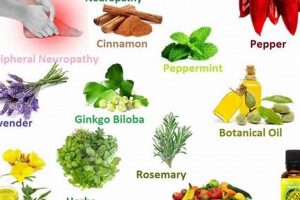
Traditional plant-based treatments, once commonplace, have seen a decline in usage with the advent of modern medicine. These age-old practices, relying on the therapeutic properties of various flora, represent a significant aspect of historical healthcare. One example is the use of willow bark for pain relief, a precursor to aspirin, which illustrates the potential efficacy found within these often overlooked methods.
The value of investigating such practices lies in their potential to offer alternative or complementary approaches to wellness. These remedies often possess a rich history, deeply intertwined with cultural traditions and ecological knowledge. Their study can reveal insights into novel bioactive compounds and sustainable healthcare solutions, while also preserving valuable cultural heritage. The resurgence of interest in natural and holistic health approaches further underscores their potential significance.
The following sections will delve into specific examples of these time-honored treatments, examining their historical applications, potential benefits, and the scientific basis for their efficacy. This exploration seeks to provide a balanced perspective, acknowledging both the promise and the limitations inherent in these traditional practices.
Practical Insights from Traditional Botanical Medicine
The following are carefully considered insights derived from historical usage of botanical treatments. While not a substitute for professional medical advice, they offer a glimpse into practices previously valued for promoting well-being.
Tip 1: Prioritize Plant Identification. Accurate identification is paramount. Confusion between plant species can lead to ineffective or even harmful outcomes. Consult reputable field guides or experienced botanists before utilizing any plant.
Tip 2: Understand Preparation Methods. Different plant parts and desired effects necessitate specific preparation techniques. Infusions, decoctions, tinctures, and poultices each extract compounds differently. Research the appropriate method for the plant and intended application.
Tip 3: Begin with Small Doses. Start with minimal quantities to assess individual sensitivity. Allergic reactions or unexpected side effects are possible, even with historically safe plants. Monitor your body’s response carefully.
Tip 4: Respect Harvesting Practices. Sustainable harvesting ensures the plant’s continued availability and protects the ecosystem. Collect only what is needed, and leave enough plants to regenerate. Adhere to local regulations and ethical guidelines.
Tip 5: Recognize Limitations. Botanical treatments are not a panacea. Serious or life-threatening conditions require the intervention of a qualified medical professional. Do not delay seeking conventional medical care in such situations.
Tip 6: Document Your Experiences. Maintaining a record of plants used, preparation methods, dosages, and effects can aid in understanding individual responses and refining future applications. This documentation contributes to the collective knowledge base.
Tip 7: Seek Reputable Sources. Consult reliable texts and resources written by experienced herbalists and researchers. Be wary of unsubstantiated claims and misinformation found online.
Adherence to these principles can contribute to a safer and more informed approach to understanding traditional botanical medicine. These insights, while valuable, serve as a complement to, and not a replacement for, established medical practices.
The subsequent section will address the ethical considerations inherent in researching and utilizing this historically rich field.
1. Efficacy

The efficacy of plant-based treatments constitutes a central, often debated, aspect within the discussion of forgotten herbal remedies. Substantiating traditional claims with empirical evidence is crucial for responsible integration into contemporary healthcare practices.
- Traditional Use vs. Scientific Validation
Historically, the efficacy of herbal remedies rested upon anecdotal evidence and generational transmission. Modern scientific inquiry necessitates rigorous clinical trials and phytochemical analysis to isolate active compounds and elucidate mechanisms of action. Divergences between traditional uses and scientifically validated effects often exist, highlighting the need for careful evaluation.
- Dosage and Standardization
Achieving consistent efficacy hinges on precise dosage and standardization of herbal preparations. Variability in plant chemotypes, growing conditions, and preparation methods can impact the concentration of active constituents, leading to inconsistent therapeutic outcomes. Standardized extracts, where available, offer a means of ensuring consistent potency.
- Placebo Effects and Bias
The subjective nature of certain ailments can make it challenging to differentiate between genuine therapeutic effects and placebo responses. Controlled trials, incorporating placebo groups and blinding techniques, are essential to minimize bias and accurately assess the efficacy of herbal remedies.
- Specific Conditions and Targeted Action
The efficacy of plant-based treatments often varies depending on the specific condition being addressed. While some remedies may demonstrate broad-spectrum activity, others exhibit targeted action against specific physiological pathways. Understanding the specific indications and limitations of each remedy is crucial for appropriate application.
The pursuit of efficacy in forgotten herbal remedies demands a balanced approach, integrating traditional knowledge with rigorous scientific methodologies. While historical uses provide valuable clues, comprehensive research is essential to validate claims, optimize dosage, and ensure consistent therapeutic outcomes. Only through such endeavors can the true potential of these plant-based treatments be realized and responsibly integrated into modern healthcare practices.
2. Safety

The safety profile of forgotten herbal remedies is a paramount concern, demanding careful evaluation prior to widespread adoption. Lack of comprehensive research, inconsistent regulation, and potential for interactions necessitate a cautious approach.
- Dosage and Toxicity
Determination of appropriate dosage is crucial. Many traditional texts lack precise dosage information, increasing the risk of toxicity. Some plants contain potent compounds that can be harmful or fatal if administered incorrectly. Consultation with experienced herbalists or medical professionals is advised.
- Interactions with Medications
Plant-based remedies can interact with conventional medications, altering their efficacy or increasing the risk of adverse effects. Individuals taking prescription or over-the-counter medications should consult with their healthcare provider before using herbal remedies to avoid potentially dangerous interactions.
- Adulteration and Misidentification
The herbal market is susceptible to adulteration, where cheaper or unrelated plants are substituted for the intended ingredient. Misidentification of plants can also occur, leading to the ingestion of toxic species. Purchasing from reputable sources and verifying plant identity are essential for ensuring safety.
- Allergic Reactions
Allergic reactions to plants are common. Individuals with known allergies should exercise caution when using herbal remedies. Even plants considered safe can trigger allergic reactions in sensitive individuals. Starting with small doses and monitoring for any adverse effects is recommended.
Addressing the safety concerns associated with forgotten herbal remedies requires a multi-faceted approach, encompassing rigorous scientific investigation, standardized manufacturing practices, and informed consumer education. Prioritizing safety is essential for harnessing the potential benefits of these traditional treatments while minimizing the risk of harm.
3. Sustainability
The long-term viability of utilizing forgotten herbal remedies is inextricably linked to sustainability. Unsustainable harvesting practices can deplete wild populations of medicinal plants, disrupting ecosystems and potentially rendering these remedies unavailable for future generations. The increased demand driven by renewed interest in traditional medicine can exacerbate this issue if not managed responsibly. Deforestation, habitat destruction, and over-collection represent significant threats to the availability of these resources. For example, the unsustainable harvesting of wild ginseng in North America has led to dramatic population declines, prompting conservation efforts and stricter regulations.
Sustainable harvesting techniques, such as selective harvesting, crop rotation, and cultivation, are crucial for mitigating these risks. Selective harvesting involves taking only a portion of the plant or population, allowing for regeneration. Crop rotation in cultivated settings helps to maintain soil health and prevent the depletion of nutrients. The cultivation of medicinal plants, while requiring careful planning to minimize environmental impact, offers a viable alternative to wild harvesting, ensuring a consistent supply while preserving natural habitats. Furthermore, promoting fair trade practices ensures that local communities benefit from the sustainable harvesting and cultivation of medicinal plants, incentivizing conservation efforts.
In summary, the sustainability of forgotten herbal remedies is not merely an ethical consideration but a practical necessity for ensuring their long-term availability. Responsible harvesting practices, coupled with cultivation efforts and fair trade initiatives, are essential for balancing the demand for these remedies with the need to protect biodiversity and maintain ecological integrity. The integration of sustainable principles into the research, production, and consumption of forgotten herbal remedies is paramount for realizing their potential benefits without compromising the well-being of the planet and future generations.
4. Accessibility

Accessibility, in the context of forgotten herbal remedies, encompasses the ease with which individuals can obtain, understand, and utilize these traditional treatments. This factor is critical in determining whether such remedies can serve as a viable component of contemporary healthcare options.
- Geographical Availability
The geographical distribution of medicinal plants significantly impacts accessibility. Many historically used plants are native to specific regions, limiting availability in other areas. Reliance on imported herbs can increase costs and introduce concerns about quality control and sustainability. For instance, certain Ayurvedic herbs are primarily sourced from India, posing challenges for individuals seeking these remedies in other parts of the world. Cultivating these plants locally, where feasible, can enhance accessibility.
- Economic Affordability
The cost of herbal remedies can be a significant barrier to access, particularly for low-income populations. While some plants can be foraged or grown at home, others require specialized processing or must be purchased from commercial sources. The price of these remedies can fluctuate depending on factors such as scarcity, demand, and regulation. Ensuring affordable access to essential herbal remedies is crucial for promoting health equity. Community-based initiatives that facilitate the sharing of knowledge and resources can help to address this challenge.
- Knowledge and Information
Lack of knowledge about traditional uses, proper preparation methods, and potential risks can hinder access to herbal remedies. Many individuals lack the training to accurately identify medicinal plants or to prepare them safely and effectively. This information gap can be addressed through educational programs, accessible resources, and the involvement of knowledgeable herbalists. Disseminating accurate and reliable information is essential for empowering individuals to make informed decisions about their health.
- Regulatory Frameworks
Varying regulatory frameworks across different countries can impact the availability and accessibility of herbal remedies. In some regions, these remedies are strictly regulated as pharmaceuticals, requiring prescriptions and adherence to stringent manufacturing standards. In other areas, they are sold as dietary supplements with less oversight. Understanding the regulatory landscape is crucial for ensuring that herbal remedies are both safe and accessible to those who may benefit from them. Harmonization of regulations across jurisdictions could facilitate greater access while maintaining quality control.
These interconnected facets of accessibility highlight the complexities involved in integrating forgotten herbal remedies into modern healthcare. Overcoming these challenges requires collaborative efforts among researchers, policymakers, healthcare providers, and communities to ensure that these traditional treatments are both available and used responsibly.
5. Documentation
The efficacy and safety of plant-based treatments are fundamentally linked to thorough and accurate documentation. The absence of detailed records regarding traditional uses, preparation methods, dosages, and observed effects contributes significantly to the classification of these remedies as “forgotten.” This lack of documentation creates a critical barrier to their responsible integration into contemporary healthcare systems, as it hinders both scientific validation and safe application. For example, many traditional texts provide vague descriptions of plant identification, leading to potential misidentification and subsequent adverse health outcomes. The cause-and-effect relationship here is clear: insufficient documentation results in increased risk and diminished trust in these remedies.
The importance of systematic documentation extends beyond safety concerns. Detailed records of plant sourcing, harvesting practices, and preparation techniques are essential for ensuring consistency and reproducibility. Furthermore, documentation of clinical outcomes, including both positive and negative effects, provides valuable data for research and development. The absence of such data limits the ability to assess the true potential of these remedies and to optimize their use. A practical example is the use of traditional Chinese medicine, where detailed formularies and clinical case studies have contributed to a relatively well-documented body of knowledge, facilitating both research and clinical application. This contrasts sharply with many other traditional systems where such comprehensive records are lacking.
In conclusion, the rediscovery and responsible utilization of “forgotten herbal remedies” are contingent upon prioritizing comprehensive documentation. This includes detailed records of plant identification, preparation methods, dosages, observed effects, and sourcing practices. By addressing this critical deficiency, researchers and practitioners can begin to bridge the gap between traditional knowledge and modern scientific understanding, enabling the safe and effective application of these plant-based treatments while also preserving valuable cultural heritage. Challenges remain in standardizing documentation practices and in incentivizing the sharing of traditional knowledge, but addressing these challenges is essential for unlocking the full potential of these historically significant remedies.
6. Cultural Significance
The cultural significance of forgotten herbal remedies extends far beyond their medicinal properties, representing an intricate tapestry of traditional knowledge, spiritual beliefs, and historical practices passed down through generations. These remedies are often deeply embedded within the cultural identity of communities, reflecting a profound understanding of the natural world and its relationship to human health.
- Preservation of Traditional Knowledge
Herbal remedies serve as a tangible link to ancestral wisdom, encapsulating centuries of accumulated knowledge about plant identification, preparation methods, and therapeutic applications. The loss of these remedies often signifies the erosion of cultural heritage and the disconnection from traditional ways of life. For example, indigenous communities worldwide possess unique healing practices rooted in their understanding of local flora, which are threatened by globalization and the dominance of conventional medicine.
- Spiritual and Ritualistic Dimensions
In many cultures, the use of herbal remedies is intertwined with spiritual beliefs and ritualistic practices. Plants are often viewed as sacred entities with healing powers, and their use is accompanied by prayers, ceremonies, and symbolic gestures. These rituals not only enhance the perceived efficacy of the remedies but also foster a sense of connection to the natural world and the spirit realm. The use of medicinal herbs in shamanic traditions is a prime example of this intertwined relationship.
- Community and Social Cohesion
The transmission of knowledge about herbal remedies often occurs within families and communities, strengthening social bonds and fostering a sense of shared identity. Traditional healers play a crucial role in preserving and disseminating this knowledge, serving as respected figures within their communities. The sharing of herbal remedies and healing practices can also promote reciprocity and social support, particularly in rural or marginalized populations.
- Ethnobotanical Heritage and Biodiversity
The cultural significance of herbal remedies is closely linked to the preservation of ethnobotanical heritage and biodiversity. Traditional healers possess a deep understanding of local ecosystems and the interrelationships between plants, animals, and humans. By promoting the sustainable use of medicinal plants, they contribute to the conservation of biodiversity and the protection of traditional knowledge systems. The documentation and preservation of this knowledge are essential for safeguarding both cultural heritage and ecological resources.
The preservation and recognition of the cultural significance of forgotten herbal remedies are essential not only for safeguarding traditional knowledge but also for promoting cultural diversity, fostering community resilience, and ensuring the sustainable use of natural resources. Understanding the profound cultural context in which these remedies are embedded can enhance their responsible integration into modern healthcare practices, fostering a more holistic and culturally sensitive approach to healing.
7. Ethical Sourcing

The resurgence of interest in forgotten herbal remedies necessitates a rigorous examination of ethical sourcing practices. The historical context of these remedies often involves traditional communities and fragile ecosystems, making ethical considerations paramount to prevent exploitation and environmental degradation.
- Fair Trade Practices
Fair trade principles are crucial to ensure that indigenous communities and local farmers receive equitable compensation for their labor and knowledge. Exploitative practices, such as underpaying harvesters or appropriating traditional knowledge without consent, undermine the sustainability of herbal remedy production and perpetuate economic disparities. Implementing fair trade standards can empower these communities and incentivize the sustainable harvesting of medicinal plants. A practical example involves ensuring harvesters receive a fair wage that reflects the true value of their labor, rather than a minimal payment that benefits only intermediaries.
- Environmental Stewardship
Ethical sourcing requires responsible environmental practices to prevent overharvesting and habitat destruction. Many medicinal plants are found in fragile ecosystems, and unsustainable harvesting can lead to species endangerment and ecological imbalances. Implementing sustainable harvesting techniques, such as selective harvesting and crop rotation, is essential for protecting biodiversity and ensuring the long-term availability of these resources. Furthermore, promoting reforestation efforts and supporting conservation initiatives can help to mitigate the environmental impact of herbal remedy production.
- Transparency and Traceability
Transparency in the supply chain is essential for ensuring ethical sourcing. Consumers should be able to trace the origins of herbal remedies and verify that they were produced in accordance with ethical and sustainable practices. This requires clear labeling, detailed documentation, and third-party certification. Transparent supply chains can also help to prevent fraud and adulteration, ensuring that consumers receive genuine and high-quality products. Blockchain technology is being explored as a means of enhancing traceability and accountability in the herbal remedy industry.
- Community Benefit Sharing
Ethical sourcing should involve benefit-sharing agreements with local communities, ensuring that they receive a portion of the profits generated from the sale of herbal remedies. These funds can be used to support community development projects, such as education, healthcare, and infrastructure improvements. Benefit-sharing agreements can also help to build trust and foster collaborative relationships between herbal remedy producers and local communities, ensuring that they have a vested interest in the sustainable management of these resources. An example could be contributing a percentage of sales to a community fund for school scholarships.
These interconnected facets of ethical sourcing underscore the importance of responsible practices in the production and utilization of forgotten herbal remedies. By prioritizing fair trade, environmental stewardship, transparency, and community benefit sharing, it is possible to harness the potential benefits of these traditional treatments while also protecting the rights and well-being of the communities and ecosystems that sustain them.
Frequently Asked Questions Regarding Forgotten Herbal Remedies
This section addresses common inquiries and clarifies misconceptions surrounding the topic of forgotten herbal remedies. The information provided aims to offer a comprehensive and objective understanding of this complex field.
Question 1: What precisely constitutes a “forgotten herbal remedy?”
A forgotten herbal remedy refers to a plant-based treatment or practice that was once commonly used within a specific culture or historical period but has since declined in usage or recognition due to factors such as the advent of modern medicine, changing cultural practices, or loss of traditional knowledge.
Question 2: Are forgotten herbal remedies inherently safe?
No. The historical use of a plant-based treatment does not guarantee its safety. Many plants contain potent compounds that can be toxic if used improperly. Rigorous scientific evaluation is necessary to determine the safety profile of any herbal remedy, regardless of its historical usage.
Question 3: Can forgotten herbal remedies replace conventional medical treatments?
In most cases, no. Serious medical conditions require the attention of qualified healthcare professionals. Forgotten herbal remedies may, in certain instances, serve as complementary therapies, but should not be considered substitutes for evidence-based medical care.
Question 4: How can one verify the efficacy of a forgotten herbal remedy?
Verification of efficacy requires rigorous scientific investigation, including clinical trials and phytochemical analysis. Anecdotal evidence or traditional uses alone are insufficient to establish efficacy. Consult reputable scientific literature and healthcare professionals for evidence-based information.
Question 5: What are the primary ethical considerations regarding the use of forgotten herbal remedies?
Ethical considerations include ensuring sustainable harvesting practices, respecting traditional knowledge and cultural heritage, promoting fair trade practices with local communities, and avoiding the exploitation of natural resources or indigenous populations.
Question 6: Where can reliable information about forgotten herbal remedies be found?
Reliable sources of information include reputable academic journals, scientific databases, ethnobotanical studies, and consultations with qualified herbalists and healthcare professionals. Be wary of unsubstantiated claims or information from unregulated online sources.
In summary, the use of forgotten herbal remedies requires a cautious and informed approach. Safety, efficacy, and ethical considerations must be carefully evaluated to ensure responsible and beneficial application.
The subsequent section will address practical steps for researching and evaluating potential herbal remedies.
Conclusion
This exploration has illuminated the multifaceted nature of forgotten herbal remedies, revealing their historical significance, potential benefits, and inherent risks. A recurring theme has been the critical need for rigorous scientific validation to substantiate traditional claims and ensure patient safety. Furthermore, ethical considerations regarding sustainability, fair trade, and the preservation of cultural knowledge emerged as essential components of responsible utilization. The accessibility of these remedies, encompassing geographical availability, economic affordability, and the dissemination of accurate information, requires careful consideration to ensure equitable access.
The future of forgotten herbal remedies hinges on a balanced approach that integrates traditional wisdom with modern scientific methodologies. Continued research, coupled with ethical sourcing practices and a commitment to transparency, can unlock the potential of these plant-based treatments while safeguarding both human health and the environment. The diligent pursuit of knowledge and responsible application of these remedies may offer valuable contributions to holistic healthcare practices and a deeper understanding of the natural world’s therapeutic potential.