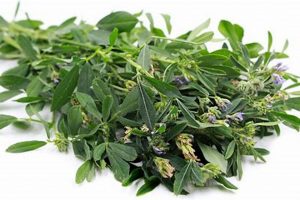
Gamma-aminobutyric acid (GABA) is an inhibitory neurotransmitter that plays a crucial role in the central nervous system. Certain plants and botanical extracts are believed to influence GABA activity within the body. These plant-derived substances, often marketed as natural alternatives, are purported to promote relaxation and reduce stress. For example, some individuals use extracts from valerian root or passionflower, hoping to modulate GABAergic pathways.
The potential advantages of utilizing plant-based options to influence GABA levels are varied. Historically, many cultures have employed herbal remedies for their calming and anxiolytic effects. Modern research is beginning to investigate the specific mechanisms through which these botanicals interact with the GABA system. This exploration aims to understand better their efficacy and potential benefits in managing anxiety, promoting sleep, and supporting overall neurological health. However, it is important to consider that rigorous scientific evidence is still developing, and the effects can vary based on individual factors and product quality.
The following discussion will delve into specific botanical sources associated with GABAergic activity, examine the available scientific evidence regarding their efficacy, and address important considerations related to safety and appropriate usage. This will provide a more in-depth understanding of the complex relationship between natural substances and GABA modulation in the human body.
Guidance on Utilizing Botanical Sources Related to GABA
The following guidelines aim to provide informative considerations when exploring plant-derived substances that may influence GABA activity. The information presented is for educational purposes and should not substitute professional medical advice.
Tip 1: Research Specific Botanicals: Prior to use, conduct thorough research on the specific plant extract of interest, such as valerian root, passionflower, or lemon balm. Investigate its traditional uses, purported mechanisms of action, and any potential interactions with medications.
Tip 2: Understand Bioavailability Considerations: The bioavailability of active compounds in plant extracts can vary significantly. Factors such as extraction methods, formulation, and individual differences in metabolism may influence absorption and efficacy.
Tip 3: Start with Low Doses: It is prudent to begin with a low dose of any new botanical supplement to assess individual tolerance and minimize the risk of adverse effects. Gradually increase the dosage as needed, following product-specific recommendations and consulting with a healthcare professional.
Tip 4: Be Aware of Potential Interactions: Plant extracts can interact with prescription medications, over-the-counter drugs, and other supplements. Individuals taking medications for anxiety, depression, or sleep disorders should exercise caution and seek guidance from a physician or pharmacist.
Tip 5: Prioritize Quality and Purity: Select reputable brands that employ third-party testing to verify the identity, purity, and potency of their botanical products. Look for certificates of analysis (COAs) that confirm the absence of contaminants such as heavy metals and pesticides.
Tip 6: Monitor for Side Effects: Closely monitor for any adverse effects, such as drowsiness, gastrointestinal upset, or allergic reactions. Discontinue use and seek medical attention if significant or concerning symptoms arise.
The prudent utilization of botanical sources associated with GABA activity necessitates informed decision-making, careful consideration of individual circumstances, and awareness of potential risks and interactions. Prioritizing quality, purity, and professional guidance is essential for safe and effective use.
The next section will summarize the key findings and considerations presented in this discussion, providing a comprehensive overview of the current understanding of plant-derived substances and their potential influence on the GABA system.
1. Botanical Sources Identification

The identification of specific botanical sources is the foundational step in understanding the potential influence of plant-derived substances on the gamma-aminobutyric acid (GABA) system. Accurate identification is crucial for research, standardization, and ensuring consumer safety in the context of so-called “herbal GABA” products.
- Taxonomic Accuracy and Nomenclature
Correct botanical identification, adhering to established taxonomic nomenclature (e.g., using Latin binomial names), prevents confusion and misrepresentation. Using the wrong species or variety can lead to incorrect assumptions about the plant’s chemical composition and its effects on GABAergic pathways. For example, misidentification of Valeriana officinalis could result in the inclusion of species lacking the desired bioactive compounds.
- Chemical Profiling and Standardization
Identification extends beyond mere species recognition to include detailed chemical profiling of the plant extract. This involves identifying and quantifying the specific compounds believed to interact with the GABA system. Standardization ensures batch-to-batch consistency in the amount of these active compounds, which is essential for reproducible effects. Without standardization, the potency of “herbal GABA” products can vary widely.
- Distinguishing Active Constituents
Not all compounds present in a botanical extract are necessarily responsible for influencing GABA activity. Identifying the specific constituents that bind to GABA receptors or otherwise modulate GABAergic neurotransmission is critical for targeted research and product development. For example, while passionflower contains several compounds, it’s crucial to determine which contribute most to its purported anxiolytic effects.
- Geographic and Environmental Variability
The chemical composition of a plant can vary significantly based on its geographic origin, growing conditions, and harvesting practices. Identifying the source of the plant material and controlling for environmental factors is vital for minimizing variability in “herbal GABA” products. A plant grown in nutrient-poor soil might have a different chemical profile compared to one grown in optimal conditions, impacting its effectiveness.
The accurate botanical source identification serves as the cornerstone for any claims related to “herbal GABA.” It ensures that research is conducted on the correct species, chemical profiling can be consistently applied, and consumers can be confident in the composition and potential effects of the products they are using. Omission or neglect of this identification can lead to erroneous conclusions and potentially unsafe products.
2. Neurotransmitter Interaction Mechanisms

Understanding the precise mechanisms by which plant-derived substances interact with neurotransmitter systems, particularly the gamma-aminobutyric acid (GABA) system, is paramount in evaluating the validity of “herbal GABA” claims. This knowledge is essential for discerning potential therapeutic effects from unsubstantiated marketing rhetoric.
- GABA Receptor Binding Affinity
Certain compounds present in botanical extracts may exhibit affinity for GABA receptors, mimicking or modulating the effects of GABA itself. However, demonstrating direct binding and subsequent receptor activation requires rigorous in vitro and in vivo studies. Simply detecting the presence of a compound in a plant does not equate to a pharmacologically relevant interaction with GABA receptors. For example, while valerenic acid from valerian root has been shown to enhance GABAergic neurotransmission, the exact mechanism and potency are still under investigation.
- Modulation of GABA Synthesis and Release
Some plant-derived substances may influence the synthesis or release of GABA within the brain. This could involve stimulating the activity of enzymes responsible for GABA production or promoting the vesicular release of GABA into the synaptic cleft. However, these effects need to be quantified and demonstrated to occur at physiologically relevant concentrations. It’s important to consider that the blood-brain barrier presents a significant challenge for many compounds, limiting their ability to directly impact brain GABA levels. Hypothetically, a compound that inhibits GABA breakdown could also elevate GABA levels, offering another avenue of influence.
- Allosteric Modulation of GABA Receptors
Rather than directly binding to the GABA binding site, some compounds may act as allosteric modulators, influencing the receptor’s response to GABA. This could involve enhancing the binding affinity of GABA or prolonging the duration of channel opening. Benzodiazepines, for example, are well-known allosteric modulators of GABA receptors. Identifying similar compounds in plants and characterizing their allosteric effects is an active area of research. Kavalactones from kava, for instance, are believed to exert anxiolytic effects through allosteric modulation of GABA receptors.
- Influence on GABA Transporters
GABA transporters are responsible for removing GABA from the synaptic cleft, effectively terminating its signaling. Plant-derived substances that inhibit GABA transporters could prolong the action of GABA at the synapse. However, such interactions need to be demonstrated specifically for GABA transporters and not other related transporters. Furthermore, the specificity of the inhibition is crucial to avoid unintended consequences on other neurotransmitter systems. For example, if a plant extract also inhibits serotonin reuptake, it may have complex and unpredictable effects.
The investigation of neurotransmitter interaction mechanisms forms the cornerstone of evidence-based evaluation of “herbal GABA.” While anecdotal evidence and traditional uses may suggest potential benefits, a thorough understanding of the specific molecular interactions is essential for validating these claims and ensuring responsible use. The multifaceted nature of these interactions necessitates rigorous scientific investigation to accurately assess the impact of plant-derived substances on the GABAergic system.
3. Efficacy Validation Studies

Efficacy validation studies represent a critical link in establishing the potential therapeutic benefits of substances marketed as “herbal GABA.” These studies are designed to rigorously assess whether plant-derived compounds, purported to influence gamma-aminobutyric acid (GABA) activity, produce measurable and statistically significant effects in relevant biological systems, be they in vitro, in vivo (animal models), or, most importantly, in human clinical trials. Without robust efficacy validation, claims regarding the anxiolytic, sedative, or other neurological benefits of these substances remain speculative. The cause-and-effect relationship sought is one where the administration of the “herbal GABA” product leads to a measurable alteration in GABAergic neurotransmission and a corresponding improvement in the targeted outcome, such as reduced anxiety scores or improved sleep quality.
The importance of efficacy validation studies stems from the inherent variability in plant composition, the complex interplay of multiple compounds within a single extract, and the potential for placebo effects to influence subjective outcomes. Real-life examples underscore this point. Consider St. John’s Wort: initial enthusiasm for its antidepressant properties waned after several large-scale, well-controlled clinical trials failed to demonstrate superiority over placebo in treating major depressive disorder. Similarly, while some preliminary studies suggest a role for certain herbal extracts in modulating GABA activity, larger, double-blind, placebo-controlled trials are needed to confirm these findings and determine the clinical significance of any observed effects. Practical application relies on these studies to define effective dosages, identify potential responders, and understand the limitations of these botanical interventions.
In conclusion, efficacy validation studies are not merely an optional step but a necessary component in substantiating claims associated with “herbal GABA.” These studies provide the scientific foundation for understanding whether these substances truly exert a pharmacological effect on the GABA system and whether they can be reliably and safely used to improve specific health outcomes. Challenges remain in designing and conducting these studies, particularly in accounting for the inherent variability of plant-based products and the diverse range of individual responses. However, the pursuit of robust efficacy validation is essential for ensuring responsible use and accurate communication regarding the potential benefits and limitations of “herbal GABA.”
4. Safety Profile Evaluation

The safety profile evaluation of substances marketed as “herbal GABA” is a critical undertaking, intricately connected to consumer health and regulatory compliance. This assessment aims to characterize the potential risks associated with the consumption of plant-derived compounds purported to influence gamma-aminobutyric acid (GABA) activity. Thorough evaluation is essential because the effects of these compounds can range from mild sedation to more significant neurological or physiological alterations, depending on dosage, individual sensitivity, and concurrent medications.
The practical significance of safety profile evaluation extends beyond identifying immediate adverse reactions. It encompasses the assessment of long-term effects, potential drug interactions, and contraindications for specific populations, such as pregnant women, children, or individuals with pre-existing medical conditions. For instance, valerian root, a common “herbal GABA” ingredient, is generally considered safe for short-term use but may cause drowsiness or dizziness in some individuals. Kava, another example, has been linked to liver toxicity, highlighting the importance of comprehensive safety assessments before widespread use. Evaluating the interactions with other CNS depressants, such as alcohol or benzodiazepines, is also vital. Rigorous toxicity studies, both in vitro and in vivo, are necessary to determine the no-observed-adverse-effect level (NOAEL) and to identify potential target organs for toxicity.
In conclusion, the safety profile evaluation is an indispensable component of responsible “herbal GABA” product development and marketing. This evaluation safeguards consumers by identifying potential risks, informing appropriate usage guidelines, and enabling regulatory agencies to make informed decisions regarding product approval and labeling. The challenges in accurately assessing the safety of complex botanical extracts underscore the need for continued research and the application of rigorous scientific methodologies. The information from these studies is essential for supporting responsible consumer practices and ensuring that potential benefits are not outweighed by unacceptable risks.
5. Regulatory Status Overview
The regulatory status overview of “herbal GABA” products is a crucial determinant of their market accessibility, consumer safety, and the veracity of associated health claims. Due to their classification primarily as dietary supplements in many jurisdictions, these products often face less stringent regulatory scrutiny compared to pharmaceutical drugs. This distinction significantly impacts the level of evidence required to substantiate efficacy and safety claims, potentially leading to market entry of products with limited scientific backing. A direct cause-and-effect relationship exists between the regulatory framework and the quality of information available to consumers, influencing their purchasing decisions and potential health outcomes. The absence of rigorous pre-market approval processes, often associated with dietary supplements, underscores the importance of post-market surveillance to identify and address potential adverse effects or misleading marketing practices.
Examining the regulatory landscape reveals significant variations across different countries and regions. For example, while the United States regulates “herbal GABA” products as dietary supplements under the Dietary Supplement Health and Education Act (DSHEA), other nations may impose stricter controls, requiring manufacturers to demonstrate safety and efficacy before market authorization. This international divergence creates complexities for manufacturers seeking to market their products globally and highlights the need for consumers to be aware of the regulatory environment in their respective locations. Furthermore, enforcement of existing regulations can be inconsistent, leading to the proliferation of substandard or adulterated products in the market. Real-life examples of supplements containing undisclosed pharmaceutical ingredients underscore the potential risks associated with lax regulatory oversight.
In conclusion, the regulatory status overview represents a critical component in evaluating the credibility and safety of “herbal GABA” products. The relatively lenient regulatory framework governing dietary supplements necessitates a cautious approach by consumers, emphasizing the importance of independent research, consultation with healthcare professionals, and scrutiny of product labeling and claims. The ongoing challenge lies in balancing consumer access to natural health products with the need for robust regulatory mechanisms to safeguard public health and prevent the dissemination of misleading information. Future developments in regulatory policy should aim to strengthen standards for product quality, labeling accuracy, and substantiation of health claims, fostering greater transparency and consumer confidence in the “herbal GABA” market.
Frequently Asked Questions About Herbal GABA
The following questions and answers address common inquiries and misconceptions surrounding plant-derived substances marketed as “herbal GABA.” The information provided is for educational purposes and should not substitute professional medical advice.
Question 1: What exactly is meant by the term “herbal GABA?”
The term “herbal GABA” typically refers to plant extracts or botanical supplements that are marketed as having a positive influence on the gamma-aminobutyric acid (GABA) system in the human body. These products are often promoted for their potential to reduce anxiety, promote relaxation, or improve sleep. However, it is crucial to understand that the term itself is not a scientifically standardized classification, and the actual GABA content or mechanism of action can vary significantly among different products.
Question 2: Are “herbal GABA” supplements a direct source of GABA?
While some “herbal GABA” products may contain trace amounts of GABA, the primary claim is typically that they contain compounds that can influence GABA activity through other means, such as by affecting GABA receptors or enzymes involved in GABA synthesis or breakdown. Direct oral ingestion of GABA faces challenges related to its ability to cross the blood-brain barrier, making it unlikely that a significant amount of ingested GABA directly reaches the brain.
Question 3: How do “herbal GABA” products claim to work?
The proposed mechanisms of action vary depending on the specific plant extract. Some compounds are believed to bind to GABA receptors, mimicking or modulating the effects of GABA. Others may influence the synthesis or release of GABA, or affect the activity of GABA transporters. However, rigorous scientific evidence supporting these claims is often limited, and more research is needed to fully understand the specific mechanisms involved.
Question 4: Are “herbal GABA” products safe?
The safety of “herbal GABA” products depends on the specific plant extract, dosage, individual sensitivity, and potential interactions with other medications. Some botanical ingredients are generally considered safe for short-term use, while others may have potential side effects or contraindications. It is crucial to research the safety profile of each ingredient and consult with a healthcare professional before use, especially if taking other medications or having pre-existing medical conditions.
Question 5: Are “herbal GABA” products regulated?
In many jurisdictions, “herbal GABA” products are regulated as dietary supplements, which typically face less stringent regulatory oversight compared to pharmaceutical drugs. This means that the manufacturer is responsible for ensuring the safety of the product, but pre-market approval is not usually required. Consumers should be aware that the quality, purity, and potency of these products can vary significantly, and independent testing may be limited.
Question 6: Where can reliable information about “herbal GABA” be found?
Reliable information about “herbal GABA” can be found in peer-reviewed scientific publications, reputable websites of governmental or academic institutions, and authoritative sources on herbal medicine. It is crucial to be critical of marketing claims and to seek information from unbiased sources. Consulting with a qualified healthcare professional, such as a physician, pharmacist, or registered herbalist, can provide personalized guidance and help evaluate the potential benefits and risks of using “herbal GABA” products.
The understanding of the efficacy and safety of substances marketed as “herbal GABA” is continuously evolving. It remains essential to maintain a discerning approach and seek expert guidance.
The subsequent discussion will address the evolving landscape of research and regulatory actions surrounding “herbal GABA.”
Herbal GABA
The exploration of “herbal GABA” reveals a landscape characterized by both potential and uncertainty. While certain plant-derived substances are theorized to influence gamma-aminobutyric acid activity, rigorous scientific validation of these claims remains an ongoing process. Variances in botanical composition, limitations in bioavailability, and the complexity of neurotransmitter interactions necessitate a measured approach to evaluating these products. Moreover, the regulatory framework governing dietary supplements often lacks the stringent pre-market scrutiny applied to pharmaceuticals, increasing the onus on consumers to exercise due diligence.
Ultimately, informed decision-making is paramount. The allure of natural remedies should not overshadow the need for evidence-based assessment. Further research is essential to fully elucidate the mechanisms of action, efficacy, and long-term safety of “herbal GABA” products. Consumers are encouraged to consult with healthcare professionals, critically evaluate product claims, and prioritize reputable sources before considering the use of these substances. A commitment to scientific rigor and transparency will be crucial in shaping the future of “herbal GABA” and ensuring its responsible integration into healthcare practices.