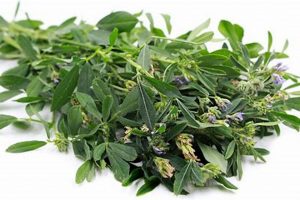
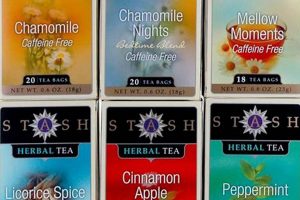
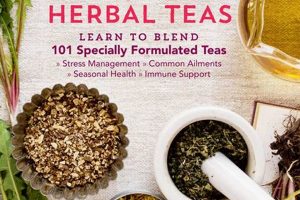
Botanicals employed in infusions, often inaccurately termed “teas,” represent a diverse array of plant species. These plants, encompassing herbs, flowers, fruits, and roots, are cultivated or harvested for their specific properties. They are then dried and subsequently steeped in hot water to create beverages. Common examples include chamomile, peppermint, and rooibos.
The cultivation and utilization of these plants offer multiple advantages. They provide access to various compounds with potential health benefits, contribute to sustainable agricultural practices in certain contexts, and support biodiversity when grown responsibly. Historically, these beverages have played a role in traditional medicine and cultural practices worldwide.
Further discussion will detail the propagation methods for specific species, explore the chemical compositions contributing to their distinctive flavors and effects, and examine the regulatory considerations surrounding their production and sale. This will also encompass practical guidance for cultivating these plants in home gardens or on a larger commercial scale.
Cultivating and Utilizing Botanicals for Infusions
The following guidelines provide practical advice for successfully growing and utilizing a variety of plants for preparing infusions. Careful attention to soil conditions, harvesting techniques, and processing methods is crucial for optimal results.
Tip 1: Soil Preparation is Paramount. Conduct soil testing to determine pH levels and nutrient deficiencies. Amend the soil with organic matter, such as compost or aged manure, to improve drainage and fertility before planting.
Tip 2: Select Appropriate Species for the Climate. Research the hardiness zones and environmental requirements of desired varieties. Choose plants adapted to the local climate to minimize the risk of disease and maximize yields.
Tip 3: Implement Proper Irrigation Practices. Water deeply and infrequently to encourage root development. Avoid overhead watering, which can promote fungal diseases. Utilize drip irrigation or soaker hoses to deliver water directly to the root zone.
Tip 4: Harvest at Optimal Maturity. Understanding the appropriate time to harvest various plant parts (leaves, flowers, roots) is essential. Leaves are generally harvested before flowering, while flowers are collected when fully open. Roots are typically harvested in the fall after the plant has died back.
Tip 5: Employ Gentle Drying Techniques. Drying the harvested material quickly but gently is crucial to preserving flavor and medicinal properties. Spread plant material in a single layer on screens in a well-ventilated, dark, and cool location.
Tip 6: Store Properly to Maintain Quality. Store dried botanicals in airtight containers in a cool, dark, and dry place. Exposure to light, heat, and moisture can degrade the compounds responsible for flavor and therapeutic effects.
Tip 7: Consider Propagation Methods. Explore different propagation techniques such as seed starting, cuttings, or division, depending on the species. Successful propagation ensures a continuous supply of planting material.
Adhering to these guidelines will enable the successful cultivation, harvesting, and preservation of a diverse range of plants for producing flavorful and beneficial infusions. Careful attention to detail at each stage of the process is key to achieving high-quality end products.
The subsequent sections will delve into specific applications and potential health considerations related to the consumption of these botanically derived beverages.
1. Species Identification

Accurate species identification is paramount in the context of using plants for infusions. Misidentification can lead to the unintended use of toxic or ineffective plants, posing significant risks to consumer health and negating any potential therapeutic benefits.
- Morphological Characteristics
The identification of a plant frequently relies on its observable physical characteristics, including leaf shape, flower structure, stem characteristics, and root morphology. For instance, distinguishing between true chamomile (Matricaria chamomilla) and other chamomile-like species with less desirable or even allergenic properties demands careful examination of flower head structure and leaf arrangement. Reliance solely on common names can be misleading due to regional variations and imprecise usage.
- Chemical Profiling
Chemical analysis offers a more precise method for species verification. Techniques such as chromatography and mass spectrometry can identify and quantify specific chemical compounds unique to certain species or varieties. This is particularly useful when morphological differences are subtle or when adulteration is suspected. For example, the presence and concentration of specific flavonoids can confirm the authenticity of a particular cultivar of peppermint (Mentha x piperita).
- Genetic Analysis
DNA barcoding provides an increasingly accessible and definitive method for species identification. By comparing short, standardized DNA sequences from an unknown plant to a comprehensive database, a precise species match can be obtained. This approach is especially valuable for identifying processed or fragmented plant material where morphological features are no longer discernible. Furthermore, genetic analysis can reveal previously unrecognized variations within a species, influencing the suitability of the plant for infusion purposes.
- Expert Consultation
Engaging the services of a qualified botanist or herbalist with expertise in plant identification is a prudent approach, particularly when dealing with unfamiliar or potentially hazardous species. These experts possess the knowledge and experience necessary to accurately identify plants in their natural habitat or in cultivated settings. Their expertise can mitigate the risks associated with self-identification and ensure the safety and efficacy of the plants used for infusions.
The confluence of these identification methodsmorphological, chemical, genetic, and expert consultationrepresents a robust strategy for ensuring the accurate identification of plants intended for infusion. Accurate identification serves as the bedrock for safe and effective use, safeguarding consumer health and maximizing the potential therapeutic benefits associated with these botanical preparations.
2. Cultivation Techniques

Optimal cultivation techniques are essential for maximizing the yield and quality of plants destined for use in infusions. These methods directly influence the concentration of bioactive compounds, the overall health of the plants, and the sustainability of their production.
- Soil Management
Soil composition and structure exert a considerable influence on plant growth. Implementing appropriate soil management practices, such as amending with organic matter, maintaining optimal pH levels, and ensuring adequate drainage, promotes robust root development and nutrient uptake. For example, cultivating chamomile in well-drained soil with a slightly acidic pH enhances the production of essential oils responsible for its calming properties. Conversely, poorly drained soil can lead to root rot and reduced yields.
- Irrigation Strategies
Appropriate irrigation techniques are vital for preventing water stress and maximizing plant productivity. The method and frequency of watering should be tailored to the specific water requirements of each species. Drip irrigation, for instance, delivers water directly to the root zone, minimizing water loss through evaporation and reducing the risk of foliar diseases. Overwatering, however, can lead to root rot and dilute the concentration of desirable compounds, while underwatering can stunt growth and reduce yields.
- Pest and Disease Control
Effective pest and disease management is crucial for maintaining plant health and preventing crop losses. Integrated pest management (IPM) strategies, which combine biological control methods, cultural practices, and judicious use of pesticides, offer a sustainable approach to minimizing pest and disease pressure. For example, introducing beneficial insects, such as ladybugs, can control aphid populations on peppermint plants. Neglecting pest and disease control can result in significant crop losses and reduce the overall quality of the harvested material.
- Nutrient Management
Providing plants with the appropriate balance of nutrients is essential for optimal growth and the synthesis of bioactive compounds. Soil testing can determine nutrient deficiencies, allowing for targeted fertilization with organic or inorganic amendments. For example, ensuring adequate potassium levels in rosemary plants enhances the production of rosmarinic acid, a potent antioxidant. Over-fertilization, however, can lead to nutrient imbalances, reduced yields, and environmental pollution.
The application of these cultivation techniques, tailored to the specific needs of each plant species, is paramount for maximizing the quality and yield of raw materials used for preparing infusions. Careful attention to soil management, irrigation, pest and disease control, and nutrient management ensures a sustainable and productive cultivation system, ultimately contributing to the production of high-quality beverages.
3. Harvesting Optimization

Harvesting optimization directly influences the quality and quantity of bioactive compounds extracted from botanicals used in infusions. The timing of harvest, influenced by plant phenology and environmental factors, determines the concentration of desired secondary metabolites. Premature harvesting may yield lower concentrations, while delayed harvesting can result in compound degradation or loss, depending on the specific plant and compound. For example, harvesting chamomile flowers at peak bloom ensures the highest concentration of chamazulene, a key anti-inflammatory compound. Conversely, harvesting lavender too late can diminish the essential oil content, reducing its aromatic and therapeutic properties.
The method of harvest also impacts the final product. Manual harvesting allows for selective collection of specific plant parts, minimizing damage and contamination. Mechanical harvesting, while more efficient for large-scale operations, may result in lower quality due to increased plant damage and the inclusion of unwanted plant material. Consider peppermint, where careful leaf selection during manual harvesting ensures the removal of stems and damaged leaves, leading to a higher-quality infusion with a more pronounced flavor profile. Improper harvesting techniques can also impact the sustainability of plant populations. Harvesting roots, for instance, must be done responsibly to ensure plant regeneration.
Optimizing harvest practices requires a thorough understanding of the plant’s physiology, its response to environmental cues, and the desired chemical profile. Monitoring environmental conditions and analyzing plant material at various stages of development can help determine the ideal harvest time. Standardized harvesting protocols, coupled with training for harvesting personnel, can further improve consistency and minimize variability. Proper harvesting significantly impacts the efficacy and sensory qualities of infusions, contributing to a higher-quality product and maximizing the potential benefits derived from these botanicals.
4. Processing Methods

Processing methods exert a significant influence on the final quality and characteristics of infusions derived from botanical sources. The transformation of freshly harvested plant material into a stable, usable form requires careful control of various parameters, impacting factors ranging from flavor and aroma to the preservation of bioactive compounds. Inadequate or inappropriate processing can lead to degradation of essential oils, enzymatic browning, or the growth of undesirable microorganisms, ultimately compromising the product’s value. For instance, the improper drying of lemon balm leaves can result in a loss of volatile terpenes, reducing its characteristic citrusy aroma and diminishing its purported calming effects. Proper handling, therefore, is critical in maximizing the potential benefits of the raw ingredients.
Specific processing techniques, such as drying, cutting, and packaging, are tailored to the unique properties of each plant species. Drying methods, including air drying, freeze-drying, and oven drying, each affect the final product differently. Air drying, a traditional method, is suitable for many herbs but requires careful monitoring of temperature and humidity to prevent mold growth. Freeze-drying, although more energy-intensive, preserves volatile compounds and color more effectively. Cutting and sifting processes determine the particle size of the final product, influencing the rate of infusion. Furthermore, packaging materials must provide a barrier against moisture, light, and oxygen to maintain product freshness and prevent degradation. The choice of processing method, therefore, becomes an integral determinant of the infusion’s quality.
In summary, appropriate processing methods are essential for transforming raw botanicals into high-quality infusions. By carefully controlling drying conditions, optimizing cutting and sifting processes, and selecting appropriate packaging materials, producers can preserve the integrity and potency of bioactive compounds, enhance sensory attributes, and extend shelf life. Overlooking the significance of processing can result in a diminished product and potentially render the infusion ineffective or even unsafe for consumption. Thus, a thorough understanding of optimal processing techniques is paramount for those involved in the cultivation, production, and distribution of herbal infusions.
5. Storage Protocols

Storage protocols are critical in preserving the quality, efficacy, and safety of dried botanicals utilized for infusions. Proper storage mitigates degradation processes that can diminish the concentration of bioactive compounds and compromise the sensory attributes of the resulting beverages. The implementation of appropriate storage methods is therefore essential for maintaining the value and integrity of these plant-based materials.
- Temperature Control
Elevated temperatures accelerate the degradation of volatile oils and other sensitive compounds present in dried herbs. Maintaining a consistent, cool storage environment, ideally below 25C (77F), slows down these reactions, preserving the aromatic properties and therapeutic potential of the plant material. For example, storing dried peppermint leaves at room temperature for extended periods can result in a significant reduction in menthol content, diminishing its characteristic cooling sensation and medicinal properties.
- Moisture Management
Excessive moisture promotes the growth of mold and bacteria, rendering the plant material unusable and potentially hazardous. Ensuring low humidity levels and utilizing airtight containers minimizes moisture absorption, preventing spoilage and maintaining product integrity. Properly dried chamomile flowers, if exposed to humid conditions, can quickly develop mold, resulting in both aesthetic damage and the production of harmful mycotoxins.
- Light Protection
Exposure to light, particularly ultraviolet (UV) radiation, can trigger photochemical reactions that degrade light-sensitive compounds. Storing dried herbs in opaque containers or in dark locations minimizes light exposure, preserving their color, aroma, and bioactive constituents. For instance, direct sunlight can rapidly degrade the color and antioxidant properties of dried hibiscus flowers, reducing their visual appeal and potential health benefits.
- Oxygen Exclusion
Oxygen exposure can lead to oxidation reactions that degrade volatile oils and other compounds, diminishing flavor and potency. Vacuum-sealing or using containers with airtight seals reduces oxygen exposure, extending the shelf life and preserving the quality of the dried herbs. Rosemary, with its high essential oil content, is particularly susceptible to oxidation, and proper storage in airtight containers is crucial for maintaining its characteristic aroma and flavor.
The application of these storage protocols, including temperature control, moisture management, light protection, and oxygen exclusion, represents a holistic approach to preserving the quality and efficacy of dried botanicals intended for infusions. Adherence to these guidelines ensures that consumers receive a product that retains its intended flavor, aroma, and therapeutic properties, maximizing the potential benefits derived from these plant-based beverages.
6. Beneficial Compounds

The therapeutic value of infusions derived from various plant species stems directly from the presence of specific chemical constituents known as beneficial compounds. These compounds, naturally occurring within the plant tissues, exert diverse physiological effects when consumed. The concentration and type of these compounds vary significantly depending on the plant species, its growing conditions, and the processing methods employed after harvesting. Understanding the relationship between these compounds and their respective plant sources is crucial for maximizing the health benefits and minimizing potential risks associated with consuming these beverages. For example, the anti-inflammatory effects of chamomile are primarily attributed to compounds like apigenin, while the antioxidant properties of green tea are largely due to the presence of catechins. The efficacy of each infusion, therefore, is directly tied to the concentration and bioactivity of its constituent compounds.
The isolation and characterization of beneficial compounds from infusions have led to the development of standardized extracts and nutraceuticals. This understanding allows for precise dosing and targeted therapeutic applications. The identification of specific compounds also enables the development of quality control measures to ensure the consistency and potency of infusions. For example, the quantification of hypericin in St. John’s Wort infusions allows manufacturers to guarantee a specific concentration of this antidepressant compound. Furthermore, research into the synergistic effects of multiple compounds within a single plant is ongoing, revealing complex interactions that contribute to the overall therapeutic profile. This research also highlights the importance of consuming whole plant extracts rather than isolated compounds, as the complex mixture of chemicals may offer greater benefits than any single component acting alone.
In conclusion, beneficial compounds are the key drivers of the therapeutic effects associated with infusions. The presence and concentration of these compounds are influenced by factors ranging from plant genetics to processing techniques. A thorough understanding of the chemical composition of each plant species and the factors that affect it is essential for maximizing the potential health benefits and ensuring the safety of these beverages. Ongoing research continues to unravel the complex interactions of these compounds, paving the way for the development of more effective and targeted therapeutic applications. The standardization and quality control of these infusions rely heavily on the identification and quantification of their active constituents.
Frequently Asked Questions
This section addresses common inquiries regarding the cultivation, utilization, and potential benefits associated with botanicals intended for infusion. The information provided aims to clarify misconceptions and offer guidance for responsible practices.
Question 1: What constitutes a “true” tea, and how do these plants differ?
True teas are derived solely from the Camellia sinensis plant. Botanicals marketed as “herbal teas” are not, in fact, teas. They are infusions made from various other plants, including herbs, flowers, fruits, and roots.
Question 2: Are all botanicals suitable for infusion safe for consumption?
No. Certain plants contain compounds that are toxic or may interact negatively with medications. Thorough research and identification are crucial before consuming any plant-based infusion.
Question 3: How should these plants be cultivated to maximize the concentration of beneficial compounds?
Optimal cultivation practices depend on the specific plant species. Generally, factors such as soil quality, irrigation, sunlight exposure, and nutrient availability play a critical role in influencing the production of bioactive compounds.
Question 4: What is the optimal method for drying harvested botanicals to preserve their quality?
Air drying in a cool, dark, and well-ventilated environment is generally recommended. However, specific drying parameters, such as temperature and humidity, may vary depending on the plant material. Improper drying can lead to mold growth and loss of desirable compounds.
Question 5: How should dried botanicals be stored to maintain their potency and prevent degradation?
Dried botanicals should be stored in airtight containers, away from direct sunlight, heat, and moisture. Proper storage minimizes oxidation and degradation, preserving the flavor, aroma, and therapeutic properties of the plant material.
Question 6: Can consuming infusions derived from these plants substitute for conventional medical treatments?
No. While some botanicals possess medicinal properties, they should not be considered a replacement for professional medical advice or treatment. Consult with a healthcare provider regarding any health concerns and potential interactions with existing medications.
In summary, the responsible cultivation, processing, and utilization of botanicals for infusion require careful consideration and a thorough understanding of the specific plant species involved. Consultation with experts and adherence to established safety guidelines are paramount.
The following section will explore the regulatory landscape surrounding the production and sale of botanicals intended for infusion, addressing issues related to safety, labeling, and quality control.
Conclusion
This exploration of herbal tea plants has underscored the multifaceted aspects of their cultivation, processing, and utilization. From the critical importance of accurate species identification to the nuanced techniques required for optimal harvesting and storage, each stage significantly impacts the quality and efficacy of the final product. The presence of beneficial compounds, carefully preserved through proper methods, dictates the potential therapeutic value of these botanicals. This highlights the need for adherence to rigorous standards and a comprehensive understanding of the underlying scientific principles.
The continued investigation and application of best practices in this field are essential to ensure consumer safety and maximize the potential benefits offered by herbal tea plants. Future research should focus on expanding the knowledge base regarding specific plant properties, refining cultivation techniques, and developing advanced processing methods. A commitment to quality and informed decision-making will pave the way for a sustainable and beneficial relationship with these valuable resources.