This beverage, characterized by its dark brown hue and distinct sweet and slightly bitter taste, is a popular drink, particularly in southern China and among the Chinese diaspora. Commonly sold in distinctive red cans and bottles, it is often consumed chilled, especially during hot weather and when eating spicy foods.
This type of tea is perceived to have cooling properties within the framework of Traditional Chinese Medicine (TCM). It is often consumed to balance the body’s internal “heat” (, shng hu), which is associated with symptoms like sore throats, mouth ulcers, and acne. Its historical roots are traced back to the Qing Dynasty, with the recipe developed by a herbalist named Wang Zebang.
The following sections will delve into the production processes, ingredient composition, cultural significance, and market presence of this iconic beverage. It also examines its role in contemporary dietary practices and traditional medicine beliefs.
Practical Consumption Guidance
The following offers guidance related to the informed and judicious consumption of this traditional beverage.
Tip 1: Consume in Moderation: Excessive consumption of any beverage, including this variety, can lead to imbalances. Adherence to recommended serving sizes is advised.
Tip 2: Be Mindful of Sugar Content: Certain formulations of this drink may contain added sugars. Individuals monitoring their sugar intake, such as those with diabetes or those managing weight, should carefully review the nutritional information.
Tip 3: Consider Interactions with Medications: Individuals taking prescription medications should consult with a healthcare professional to ascertain potential interactions with the herbal components of this beverage.
Tip 4: Exercise Caution During Pregnancy and Breastfeeding: Due to limited research on the effects of its ingredients during pregnancy and breastfeeding, pregnant or nursing individuals should seek guidance from a healthcare provider prior to consumption.
Tip 5: Monitor for Allergic Reactions: Though uncommon, allergic reactions to herbal ingredients are possible. Discontinue consumption immediately and seek medical attention if adverse symptoms manifest.
Tip 6: Understand the Intended Purpose: While often consumed for its perceived cooling properties, this beverage is not a substitute for medical treatment. If symptoms persist, consulting a healthcare professional is crucial.
Proper, informed consumption of this drink allows individuals to potentially enjoy its benefits while minimizing potential risks. It is essential to approach its use with awareness and discernment.
The subsequent sections will cover the cultural importance and the scientific studies related to this distinctive beverage.
1. Herbal Composition

The herbal composition is fundamental to understanding this particular beverage. It is not merely a flavoring agent, but the very essence of the product’s identity and purported benefits. The specific blend of herbs directly influences the tea’s taste, aroma, and its positioning within the framework of Traditional Chinese Medicine (TCM). Without this specific formulation, it could not be classified and consumed as such.
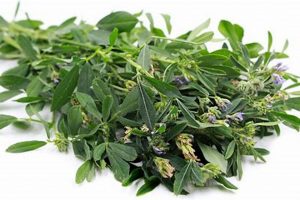
The selection of ingredients, typically including mesona chinensis, chrysanthemum, honeysuckle, and others, is critical for achieving the desired “cooling” effect. For example, the presence of chrysanthemum is specifically intended to address symptoms associated with internal heat, such as sore throats. The precise proportions of each herb determine the efficacy of this intended effect. Consequently, altering this herbal composition would fundamentally change the nature and properties of the beverage.
Therefore, the connection between herbal composition and this tea is inextricable. The formulation dictates not only its sensory properties but also its perceived health benefits and cultural significance. Understanding the herbal composition is essential for anyone seeking to appreciate its distinct characteristics and therapeutic claims. The unique blend sets it apart from other beverage options, making it a specific formulation rather than a generic drink.
2. Traditional Use

The traditional use of this herbal beverage is intricately linked to the principles of Traditional Chinese Medicine (TCM). Its consumption is not merely driven by taste preference but also by the belief that it possesses cooling properties, helping to balance internal “heat” (shang huo). This internal imbalance is associated with various discomforts such as sore throats, mouth ulcers, and skin irritations. The beverage is therefore viewed as a proactive measure to maintain equilibrium within the body.
A key example of this traditional use is the common practice of consuming it alongside spicy or fried foods. In these scenarios, the beverage is intended to counteract the perceived heat-inducing effects of these dishes. Moreover, its use extends beyond culinary pairings. During hot and humid weather, it is often consumed as a preventative measure against heatstroke and related ailments, further solidifying its role as a functional component of traditional health practices. This is particularly noticeable in regions of Southern China, where both the climate and cuisine are considered inherently heat-inducing.
Understanding the traditional use provides insights into the cultural significance and consumption patterns surrounding this beverage. It highlights the beverage’s position not simply as a thirst quencher but as an element within a larger system of health and well-being rooted in TCM. Though modern consumers may have varied motivations for its consumption, including its taste and accessibility, the historical and traditional use provides a crucial framework for its continued presence and popularity. It is, therefore, important to acknowledge these traditions alongside modern influences when considering the market and consumer base of this herbal tea.
3. Market Dominance
The market dominance of this particular herbal tea is a significant factor underpinning its widespread recognition and consumption. This prominence isn’t merely a matter of high sales figures; it represents a deep entrenchment within the ready-to-drink tea sector, influencing consumer behavior and shaping the competitive landscape. This dominance stems from a confluence of factors including early market entry, effective branding strategies, extensive distribution networks, and persistent cultural relevance. As an example, its readily identifiable red packaging and placement in both traditional and modern retail outlets ensures high visibility and accessibility across diverse consumer demographics.
This market leadership confers several practical advantages. First, it allows for substantial economies of scale in production and distribution, resulting in competitive pricing. Second, it provides a strong negotiating position with retailers, ensuring prime shelf placement and promotional opportunities. Third, its brand recognition acts as a powerful barrier to entry for potential competitors. The practical significance of this market share is evident in its continued ability to withstand challenges from both established beverage companies and emerging brands. The company’s capacity to invest in marketing campaigns and product innovation is directly linked to its established market position, further perpetuating its competitive advantage. It is also evident in the price stability it commands, even during economic fluctuations.
In conclusion, the market dominance of this herbal tea is not simply a statistic, but a tangible asset that drives its ongoing success and sustains its cultural influence. Understanding this market power is crucial for both consumers and competitors. For consumers, it provides an assurance of consistent availability and quality. For competitors, it presents a formidable challenge that requires innovative strategies to overcome. The connection between this market position and its overall appeal demonstrates the significant role of business acumen in the successful implementation of traditional medicine concepts in a modern market environment.
4. Distinctive Flavor
The distinctive flavor profile is a key element defining this particular herbal tea, contributing significantly to its consumer appeal and market recognition. It is not solely a matter of taste, but a carefully crafted characteristic that differentiates it from other beverages and reinforces its association with traditional Chinese medicine principles.
- Bittersweet Harmony
The flavor is characterized by a balance of sweet and bitter notes. The sweetness originates from natural sugars present in some of the herbal ingredients, while the bitterness is attributed to the specific combination of herbs believed to possess cooling properties. This interplay avoids excessive sweetness, offering a more nuanced taste experience compared to typical sugary drinks.
- Herbal Complexity
The taste is a complex blend of various herbal infusions. Ingredients like mesona chinensis, chrysanthemum, and honeysuckle contribute unique and identifiable flavors. This blend goes beyond a simple single-note taste, creating a multilayered sensory experience that is both refreshing and subtly medicinal.
- Cooling Sensation
A significant aspect of the flavor is the perceived “cooling” sensation it imparts. This is not a physical temperature change, but a sensory experience associated with the herbs believed to counteract internal heat. This sensation enhances the drink’s appeal, especially in hot climates or when consumed with spicy foods.
- Lingering Aftertaste
It leaves a characteristic, lingering aftertaste. This is a subtle but significant element of the overall flavor profile, contributing to its memorability. The aftertaste typically carries a hint of the herbal bitterness, reminding the consumer of its perceived health benefits and distinctive herbal composition.
These elements collectively construct the distinctive flavor of this tea. This characteristic is not just about taste, but also about the sensations and perceived health benefits associated with it. It is an essential component of its market appeal and reinforces its connection to traditional Chinese culture and medicine.
5. Cultural Symbol

This herbal tea has evolved beyond a mere beverage to become a recognizable cultural symbol, deeply embedded in social practices and collective memory, particularly within southern China and among the Chinese diaspora. Its prevalence during celebratory occasions, familial gatherings, and even everyday meals underscores its symbolic role, signifying not only a drink of choice but a shared cultural identity. This transformation stems from a combination of historical association, strategic branding, and its consistent presence in pivotal social contexts. The effect is a reinforcement of its cultural position, turning a commercial product into a marker of shared heritage. Without this symbolic association, its market presence would likely be significantly diminished, relegating it to just another drink among many competitors.
For example, during Chinese New Year celebrations, it is commonly consumed alongside traditional dishes, acting as a perceived countermeasure to the richness of the food. The red packaging itself carries cultural weight, as red is associated with prosperity and good fortune in Chinese culture. Furthermore, the historical narrative surrounding its origins with Wang Zebang, a herbalist during the Qing Dynasty, adds to its cultural legitimacy. It is seen as a continuation of traditional Chinese practices, reinforcing its connection to cultural identity. Practically, this understanding allows marketers to leverage these existing cultural associations in advertising and promotion, further solidifying its symbolic status. This is evident in advertisements that feature families sharing the beverage during festive occasions, directly appealing to these established cultural connections.
In summary, the transformation of this herbal beverage into a cultural symbol represents a complex interplay of commerce, tradition, and social practices. Understanding this dynamic is crucial for comprehending its enduring popularity and cultural relevance. The challenge lies in maintaining authenticity while adapting to evolving consumer preferences. However, its status as a cultural marker remains a key factor in its sustained success, linking the product inextricably to a broader cultural narrative.
Frequently Asked Questions
The following addresses common inquiries regarding this particular herbal beverage, aiming to provide clarity and dispel potential misconceptions.
Question 1: Is it suitable for daily consumption?
Daily consumption should be approached with moderation. While often considered a health-promoting beverage, excessive intake may lead to imbalances. Consideration of individual health conditions and dietary needs is advised.
Question 2: Does it contain caffeine?
It typically does not contain caffeine. Its primary ingredients are herbal extracts, which do not naturally possess caffeine. Consumers sensitive to stimulants can generally consume it without concern regarding caffeine intake.
Question 3: Can it cure illnesses?
It is not intended to cure illnesses. While it may offer symptomatic relief based on Traditional Chinese Medicine principles, it is not a substitute for professional medical advice or treatment. Any persistent health concerns should be addressed by a qualified healthcare provider.
Question 4: Is it safe for children?
While generally considered safe, caution is advised when administering it to young children. Its herbal composition may not be suitable for all children, and portion sizes should be carefully monitored. Consultation with a pediatrician is recommended, particularly for infants and toddlers.
Question 5: Does it interact with medications?
Potential interactions with medications cannot be entirely ruled out. Individuals taking prescription medications should consult with a pharmacist or physician to assess potential interactions with the herbal ingredients. This is especially important for individuals taking blood thinners or medications that affect liver function.
Question 6: Is it high in sugar?
The sugar content can vary depending on the specific formulation. Consumers concerned about sugar intake should carefully review the nutritional information on the product label. Some formulations may contain added sugars, while others may utilize alternative sweeteners.
Therefore, an informed approach to consumption is crucial, acknowledging its properties while maintaining realistic expectations regarding its effects. Individual circumstances and professional medical guidance should always be prioritized.
The subsequent section will explore potential health implications and considerations associated with the consumption of this beverage.
Concluding Remarks
This exposition has detailed various facets of wanglaoji herbal tea, encompassing its composition, historical usage, market status, and cultural relevance. It has underscored the beverage’s complex position as both a commercially successful product and a symbol deeply interwoven with traditional Chinese practices. The exploration has also addressed common misconceptions and highlighted considerations for informed consumption.
Continued research into the efficacy of its purported health benefits and a commitment to transparent labeling practices remain essential. As consumer awareness evolves, a balanced perspective, acknowledging both its cultural significance and potential health implications, will be crucial for its sustained presence and responsible consumption. The future of wanglaoji herbal tea hinges on a conscientious approach that respects both its heritage and its evolving role in a modern market.