The term “herbal biz” essentially refers to the commercial activities related to the production, distribution, and sale of herbal products. This encompasses businesses ranging from small-scale herbal farms to large corporations involved in manufacturing herbal supplements and remedies. An example includes a company cultivating medicinal plants and subsequently processing them into capsules for retail sale.
The significance of this sector lies in its provision of natural health alternatives and economic opportunities. Historically, reliance on botanical medicine has been a cornerstone of healthcare practices across diverse cultures. Modernly, the industry benefits from a growing consumer interest in wellness and preventative care, resulting in increased demand and potential for economic growth. The sector can stimulate rural economies through cultivation and manufacturing, and provide income opportunities for herbalists, farmers, and entrepreneurs.
Given this foundational understanding of the herbal products industry, the subsequent analysis will delve into specific aspects, including market trends, regulatory frameworks, cultivation practices, product development, and potential challenges and opportunities within the trade.
Succeeding in the herbal products business requires a multi-faceted approach that encompasses careful planning, adherence to regulations, and a commitment to quality. The following tips offer guidance for individuals and organizations operating within this dynamic market.
Tip 1: Conduct Thorough Market Research: Understanding consumer demand, competitor offerings, and emerging trends is paramount. Market analysis informs product development and marketing strategies. For example, researching the popularity of adaptogenic herbs can guide investment in specific cultivation or sourcing practices.
Tip 2: Prioritize Quality Control: Maintaining consistent product quality is critical for building trust and ensuring consumer safety. Implement rigorous testing protocols throughout the production process, from sourcing raw materials to final packaging. Independent lab testing for purity and potency can enhance credibility.
Tip 3: Comply with Regulatory Standards: The herbal products industry is subject to a complex web of regulations. Familiarize yourself with relevant laws and guidelines related to labeling, manufacturing, and advertising. Compliance with Good Manufacturing Practices (GMP) is essential for ensuring product safety and legality.
Tip 4: Establish Sustainable Sourcing Practices: Ethical and environmentally responsible sourcing enhances brand reputation and contributes to the long-term viability of the sector. Consider partnerships with suppliers who prioritize sustainable cultivation methods and fair labor practices. Transparency in sourcing builds consumer confidence.
Tip 5: Develop a Strong Brand Identity: A distinct brand identity helps differentiate products in a competitive market. Clearly communicate the unique benefits and values associated with the brand. Invest in professional packaging and marketing materials that reflect the quality and integrity of the product.
Tip 6: Build Relationships with Healthcare Professionals: Establishing connections with doctors, herbalists, and other healthcare providers can expand market reach and enhance credibility. Providing educational resources and product samples can facilitate informed recommendations to patients and clients.
Tip 7: Embrace Digital Marketing Strategies: Utilize online platforms to connect with consumers, promote products, and build brand awareness. Implement effective search engine optimization (SEO) strategies to improve online visibility. Engage with customers through social media and email marketing campaigns.
These considerations offer a framework for informed decision-making and strategic planning within the herbal products sector. Implementing these practices can improve operational efficiency, enhance product quality, and foster long-term success.
The subsequent sections will explore other facets of this growing industry, including emerging technologies and future trends.
1. Cultivation

Cultivation forms a foundational pillar of the herbal products business. It represents the initial stage in the supply chain, directly influencing the quality, efficacy, and sustainability of the final product. Improper cultivation practices can introduce contaminants, reduce potency of medicinal compounds, and deplete natural resources. Conversely, responsible cultivation methods, such as organic farming and wildcrafting, enhance product quality, protect ecosystems, and support long-term business viability. For instance, businesses committed to sourcing organically grown echinacea experience greater consumer trust and may command premium prices, reflecting the perceived value of sustainably cultivated herbs.
The methods employed in cultivation profoundly impact the herbal products industry’s economic viability. Investments in advanced cultivation techniques, such as vertical farming or precision agriculture, can optimize yields, reduce water consumption, and minimize environmental impact. Furthermore, establishing direct relationships with local farmers or cultivating herbs on-site enables businesses to exert greater control over quality, reduce reliance on external suppliers, and support local economies. Consider the example of a company that vertically farms ginseng, enabling year-round production regardless of climate conditions and reducing dependence on traditional, often unsustainable, harvesting practices.
In summary, cultivation represents a critical control point within the herbal products business. Responsible and efficient cultivation practices lead to higher quality products, enhanced consumer trust, and greater sustainability. By prioritizing ethical sourcing and investing in innovative cultivation techniques, herbal businesses can ensure the long-term health of both their operations and the environment. Failure to adequately address cultivation standards can lead to compromised product integrity, negative environmental impacts, and ultimately, diminished consumer confidence and business prospects.
2. Formulation
Formulation constitutes a pivotal stage in the herbal products business, directly influencing the efficacy, safety, and market viability of finished goods. The process involves combining various herbal ingredients, often with excipients, to create a final product suitable for consumption or application. A poorly conceived formulation can lead to reduced therapeutic effects, adverse reactions, or instability of the product, whereas a well-designed formulation can enhance bioavailability, extend shelf life, and improve patient compliance. For example, an herbal cream formulated with incompatible ingredients may exhibit phase separation, rendering it aesthetically unappealing and potentially compromising its medicinal properties. Effective product formulation requires a thorough understanding of the chemical properties of individual herbs, potential interactions, and the desired route of administration.
The significance of formulation extends to regulatory compliance and intellectual property protection. Accurate and transparent documentation of the formulation process is crucial for meeting labeling requirements and ensuring consumer safety. Businesses operating in the herbal products industry must adhere to stringent quality control standards and provide evidence of product stability and purity. Furthermore, innovative formulations can be patented, providing a competitive advantage and incentivizing research and development. Consider the case of a company developing a novel herbal extract with enhanced bioavailability achieved through a proprietary formulation technique. Obtaining a patent for this formulation can safeguard its market position and attract investment.
In conclusion, formulation represents a critical nexus between scientific knowledge, regulatory mandates, and consumer expectations in the herbal products business. A deep understanding of herbal chemistry, manufacturing processes, and quality control principles is essential for creating safe, effective, and marketable products. Challenges related to ingredient standardization, bioavailability enhancement, and regulatory compliance necessitate ongoing research and collaboration among herbalists, scientists, and manufacturers. Prioritizing formulation excellence is therefore paramount for the long-term success and sustainability of the herbal products industry.
3. Regulation

The intersection of regulation and the herbal products industry profoundly shapes its operations, influencing product quality, consumer safety, and market access. Regulatory frameworks, often varying significantly between jurisdictions, dictate the standards for cultivation, manufacturing, labeling, and marketing of herbal products. A direct consequence of robust regulation is increased consumer confidence, driven by the assurance that products meet established safety and efficacy benchmarks. For example, stringent regulations in countries like Germany, where herbal medicines are often treated as pharmaceuticals, result in higher levels of public trust compared to regions with less comprehensive oversight. This demonstrates the direct correlation between regulatory rigor and market acceptance. Furthermore, adherence to regulations fosters fair competition, preventing unscrupulous actors from flooding the market with substandard or adulterated products, thereby safeguarding the integrity of legitimate businesses.
Practical applications of regulatory understanding are manifold. Herbal businesses must navigate a complex web of laws pertaining to Good Manufacturing Practices (GMP), health claims, and ingredient sourcing. Non-compliance can result in severe penalties, including product recalls, fines, and even criminal prosecution. Understanding the regulatory landscape is therefore not merely a legal requirement but a strategic imperative. For instance, a company intending to export herbal supplements to the United States must comply with the Dietary Supplement Health and Education Act (DSHEA), which sets specific requirements for labeling and safety substantiation. Companies that invest in regulatory expertise and prioritize compliance gain a significant competitive advantage, ensuring market access and avoiding costly legal battles. The ability to adapt to evolving regulatory standards and proactively address potential compliance gaps is vital for long-term sustainability in the herbal products sector.
In summary, regulation serves as a critical pillar of the herbal products industry, directly impacting product quality, consumer safety, and market dynamics. The challenges associated with navigating diverse regulatory landscapes require a proactive and informed approach. Embracing a culture of compliance, prioritizing quality control, and investing in regulatory expertise are essential for businesses seeking to thrive in this increasingly regulated environment. The future of the herbal products industry hinges on the ability of stakeholders to collaborate with regulatory bodies to establish clear, consistent, and enforceable standards that protect both consumers and responsible businesses.
4. Distribution

Distribution represents a critical function within the herbal products industry, acting as the conduit through which manufactured goods reach end consumers. Its efficiency and effectiveness directly influence market reach, brand visibility, and ultimately, profitability. The selection of appropriate distribution channels is a strategic decision impacting both operational costs and consumer access.
- Retail Channels
Traditional retail outlets, including health food stores, pharmacies, and supermarkets, represent a significant distribution pathway. The presence of herbal products on physical shelves provides consumers with tangible access and the opportunity for immediate purchase. Retail distribution often requires adherence to specific stocking agreements, shelf placement fees, and promotional discounts. Furthermore, establishing strong relationships with retailers is vital for securing prime shelf space and ensuring consistent product availability. For example, a small herbal supplement company may initially focus on securing distribution agreements with local health food stores before expanding to larger retail chains.
- Online Platforms
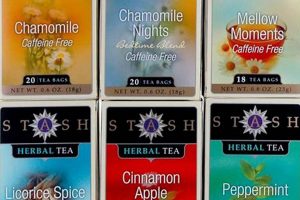
E-commerce platforms have emerged as a dominant force in product distribution, offering unparalleled reach and convenience for consumers. Online marketplaces and direct-to-consumer websites enable herbal businesses to bypass traditional intermediaries and connect directly with their target audience. However, online distribution necessitates investment in digital marketing, website optimization, and efficient order fulfillment processes. The success of online distribution hinges on building a strong online presence, providing secure payment options, and ensuring timely and reliable delivery. A company specializing in herbal teas may utilize its own website and leverage platforms like Amazon to reach a broader customer base.
- Direct Sales and Network Marketing
Direct sales and network marketing models involve selling herbal products directly to consumers through independent distributors. This approach offers personalized service, educational opportunities, and a potential income stream for distributors. However, direct sales models often face scrutiny regarding ethical practices and regulatory compliance. Success in direct sales requires effective recruitment and training of distributors, as well as a commitment to providing high-quality products and transparent compensation structures. For instance, a company specializing in herbal skincare products may utilize a network of independent consultants to sell and promote its products through in-home demonstrations and online platforms.
- Healthcare Professional Networks
Distribution through healthcare professional networks, including doctors, herbalists, and naturopaths, offers credibility and targeted reach within specific patient populations. This approach requires establishing relationships with healthcare providers, providing educational resources on product benefits, and ensuring that products meet professional standards. Distribution through healthcare channels often necessitates clinical validation and adherence to ethical marketing guidelines. A company producing herbal remedies for specific health conditions may partner with integrative medicine practitioners to recommend its products to patients seeking alternative or complementary therapies.
The selection of appropriate distribution channels is a critical decision that depends on various factors, including target market, product type, regulatory requirements, and financial resources. Successful herbal businesses often employ a multi-channel distribution strategy to maximize reach and cater to diverse consumer preferences. Optimizing distribution networks not only drives sales but also builds brand awareness and fosters long-term customer loyalty within the competitive herbal products market.
5. Marketing

Marketing represents a crucial determinant of success in the herbal products industry. Effective marketing strategies are essential for creating awareness, building brand recognition, and driving sales within a competitive marketplace. The link between marketing and the herbal business is causal: without strategic marketing efforts, even the highest-quality herbal products may fail to reach their target audience, resulting in limited market penetration and financial losses. The importance of marketing within this sector stems from the fact that consumer perception significantly influences purchasing decisions. Consumers often rely on marketing messages to differentiate between products, understand their benefits, and assess their credibility. For instance, companies that effectively communicate the sourcing practices, quality control measures, and scientific backing of their herbal supplements often gain a competitive edge over those lacking transparent marketing practices.
The practical significance of understanding the marketing-herbal business connection manifests in various operational areas. Regulatory compliance in advertising claims is paramount. Unsubstantiated health claims can lead to legal repercussions and damage brand reputation. Conversely, accurate and transparent marketing, supported by scientific evidence, builds consumer trust. For example, a company selling herbal remedies for sleep disorders must ensure that its advertising claims are supported by clinical studies or traditional use evidence. Furthermore, effective marketing strategies tailor messaging to specific target audiences. Younger consumers may be more receptive to digital marketing campaigns emphasizing sustainability and ethical sourcing, while older demographics may respond better to traditional advertising channels highlighting health benefits and safety. A comprehensive marketing plan includes market research, competitive analysis, and a clearly defined value proposition that resonates with the target customer.
In conclusion, marketing serves as an indispensable component of the herbal products industry. Its strategic implementation directly affects brand visibility, consumer perception, and ultimately, financial performance. Challenges related to regulatory compliance and building consumer trust necessitate a proactive and evidence-based approach to marketing. Companies that invest in effective marketing strategies, adhere to ethical guidelines, and prioritize transparent communication are better positioned to thrive in the evolving herbal market. Future success hinges on the ability to adapt marketing strategies to emerging consumer trends and maintain a commitment to product integrity and responsible business practices.
6. Sustainability

Sustainability forms a critical nexus within the herbal products industry. The long-term viability of this sector is inextricably linked to environmentally sound and socially responsible practices. Unsustainable harvesting of wild plants can lead to species depletion, habitat destruction, and disruption of ecosystems, ultimately threatening the very resource base upon which the industry depends. The demand for ingredients like wild ginseng or goldenseal, often harvested without regulation, exemplifies the potential for overexploitation. This depletion can cause economic hardship for communities dependent on these resources and diminish the availability of these plants for medicinal use. In contrast, sustainable practices, such as organic cultivation, agroforestry, and ethical wildcrafting, ensure the continued availability of herbal resources while minimizing environmental impact.
Practical applications of sustainable principles in the herbal products business are multifaceted. Companies can invest in research and development to identify alternative, more sustainable sources for commonly used herbs. Supporting community-based conservation initiatives in regions where wild harvesting occurs can provide economic incentives for responsible stewardship. Implementing traceability systems that track the origin of herbal ingredients allows consumers to make informed purchasing decisions and supports businesses committed to sustainable sourcing. For instance, companies producing essential oils can partner with small-scale farmers in developing countries, providing fair wages and promoting sustainable farming practices that protect biodiversity and reduce pesticide use. Furthermore, businesses can adopt eco-friendly packaging and transportation methods to minimize their carbon footprint.
In conclusion, sustainability is not merely an ethical consideration but a strategic imperative for the herbal products industry. The depletion of natural resources poses a significant threat to the long-term supply of herbal ingredients and the livelihoods of communities dependent on them. Challenges related to traceability, ethical sourcing, and consumer awareness require a collaborative effort among businesses, governments, and consumers. The future of the herbal products industry depends on the ability of stakeholders to embrace sustainable practices and prioritize the health of the planet alongside economic prosperity. Ultimately, a commitment to sustainability ensures the continued availability of herbal resources for future generations and fosters a more resilient and equitable industry.
Frequently Asked Questions about the Herbal Products Industry
This section addresses common inquiries and misconceptions surrounding the herbal products industry, providing factual and objective information.
Question 1: What constitutes an “herbal product” from a regulatory standpoint?
The definition of an herbal product varies by jurisdiction. Generally, it refers to products derived from plants and intended for use in supporting health and wellness. These may include dietary supplements, traditional medicines, and topical preparations. Regulatory classifications and associated requirements differ significantly across countries and regions.
Question 2: Are herbal products regulated for safety and efficacy?
The degree of regulation varies considerably. Some countries regulate herbal products as pharmaceuticals, requiring rigorous testing and clinical trials. Others, like the United States, regulate them as dietary supplements, subject to less stringent requirements. The absence of uniform global standards presents challenges for manufacturers and consumers alike.
Question 3: How can consumers verify the quality and authenticity of herbal products?
Consumers are advised to seek products from reputable manufacturers that adhere to Good Manufacturing Practices (GMP). Third-party certifications, such as those from USP or NSF International, can provide additional assurance of quality. Examining the product label for detailed ingredient information and sourcing details is also recommended.
Question 4: What are the potential risks associated with using herbal products?
Herbal products, like any bioactive substance, can pose potential risks. These include allergic reactions, interactions with medications, and contamination with heavy metals or other adulterants. Individuals with pre-existing medical conditions, pregnant women, and nursing mothers should consult with a healthcare professional before using herbal products.
Question 5: What role does sustainability play in the herbal products industry?
Sustainability is becoming increasingly important. Overharvesting of wild plants can lead to species depletion and habitat destruction. Responsible sourcing practices, such as organic cultivation and ethical wildcrafting, are essential for ensuring the long-term availability of herbal resources.
Question 6: How does the “herbal biz” differ from conventional pharmaceutical industries?
The “herbal biz” typically involves a focus on natural ingredients derived from plants, often utilizing traditional knowledge systems. Unlike conventional pharmaceuticals, which typically undergo rigorous clinical trials and regulatory approval processes, herbal products may be subject to less stringent oversight. The scale of operations also varies, with the “herbal biz” encompassing smaller-scale farms and manufacturers alongside larger corporations.
This FAQ provides a general overview. Consumers are encouraged to conduct thorough research and consult with healthcare professionals to make informed decisions regarding the use of herbal products.
The next section will delve into the future trends and innovations shaping the herbal products market.
The Herbal Business
This exploration has dissected the various facets of the herbal business, from cultivation and formulation to regulation, distribution, marketing, and sustainability. It has emphasized the importance of quality control, ethical sourcing, and adherence to legal standards. The analysis has illustrated that the success of entities within this industry hinges upon a commitment to both consumer well-being and environmental stewardship.
The future trajectory of the herbal business necessitates a continued focus on scientific validation, transparent practices, and responsible innovation. Stakeholders must prioritize consumer education and collaborate to establish robust quality standards and sustainable sourcing models. Only through such concerted efforts can this industry ensure its long-term viability and maintain its position as a provider of valuable health and wellness solutions.