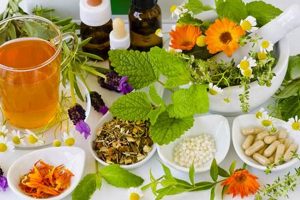
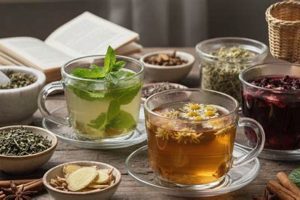
A comforting beverage crafted from various plant parts, consumed hot, that specifically targets menstrual discomfort. This infusion, unlike standard black or green tea, typically utilizes ingredients such as chamomile, ginger, or raspberry leaf, known for their therapeutic properties. These ingredients are steeped in hot water to extract their active compounds, which are then ingested for relief.
The potential benefits of this beverage stem from the inherent properties of the herbs used. Historically, many cultures have employed plant-based remedies to alleviate the symptoms associated with menstruation. Certain herbs possess anti-inflammatory qualities, while others can help to soothe muscle spasms, potentially contributing to a reduction in cramping and associated pain. The warmth of the beverage itself can also provide a comforting effect, promoting relaxation and further aiding in pain management.
The subsequent sections will delve into the specific herbs commonly incorporated into such beverages, their individual mechanisms of action, any potential contraindications, and guidance on proper preparation and usage. Further discussion will also cover the scientific evidence supporting the efficacy of various herbal ingredients in addressing menstrual discomfort.
Guidance for Utilizing Herbal Infusions for Menstrual Discomfort
The following points offer advice on incorporating herbal infusions to potentially alleviate the symptoms of menstruation. Careful consideration of individual circumstances and potential interactions is essential before implementing these suggestions.
Tip 1: Selection of Appropriate Herbs: Research the specific properties of various herbs. Chamomile, ginger, and raspberry leaf are frequently cited for their potential to reduce inflammation, soothe muscle spasms, and promote relaxation, respectively. Choose herbs based on the specific symptoms experienced.
Tip 2: Proper Preparation Methods: Adhere to recommended steeping times for each herb. Over-steeping can result in a bitter taste, while under-steeping may not effectively extract the beneficial compounds. Follow package instructions or consult reliable herbal resources.
Tip 3: Monitoring for Allergic Reactions: Introduce new herbal infusions gradually and observe for any adverse reactions. Discontinue use immediately if symptoms such as skin rashes, itching, or difficulty breathing occur. Seek medical attention if necessary.
Tip 4: Consideration of Existing Medications: Consult a healthcare professional or qualified herbalist before combining herbal infusions with prescription or over-the-counter medications. Certain herbs can interact with pharmaceuticals, potentially altering their effectiveness or increasing the risk of side effects.
Tip 5: Consistency of Consumption: While immediate relief may be experienced, consistent consumption throughout the menstrual cycle, or even during the days leading up to menstruation, may yield more noticeable benefits. Establish a routine for regular intake.
Tip 6: Source Reputable Herbs: Purchase herbs from trusted suppliers that adhere to quality control standards. This ensures the purity and potency of the product, minimizing the risk of contamination or adulteration.
Tip 7: Hydration Maintenance: Consumption of any tea contributes to overall hydration. Ensure adequate fluid intake throughout the day to complement the effects of the herbal infusion. Dehydration can exacerbate menstrual discomfort.
Adherence to these recommendations may contribute to a safer and more effective experience when using herbal infusions for the management of menstrual discomfort. However, these suggestions are not a substitute for professional medical advice.
The subsequent sections will explore the scientific evidence surrounding herbal remedies for menstrual pain in greater detail, offering a critical evaluation of the available research.
1. Soothing Properties

Soothing properties, a key characteristic associated with certain herbal infusions, are often sought as a means of alleviating the discomfort experienced during menstruation. The efficacy of these properties stems from the interaction of specific compounds within the herbs with the body’s physiological systems.
- Reduction of Muscle Spasms
Certain herbs contain constituents that may act as antispasmodics, reducing the intensity and frequency of muscle contractions in the uterus. For example, chamomile has been shown in some studies to possess compounds that can relax smooth muscle tissue, thus potentially alleviating menstrual cramps. The impact is a reduction in the severity of the pain caused by uterine contractions.
- Decreased Anxiety and Tension
The psychological component of menstrual discomfort often involves heightened anxiety and tension. Herbs such as lavender or lemon balm may promote relaxation and reduce feelings of stress. These herbs can interact with neurotransmitter systems in the brain, fostering a sense of calm and well-being, indirectly diminishing the perception of pain. The effect is a reduced psychological burden associated with menstruation.
- Warmth and Comfort
The act of consuming a warm beverage itself can contribute to a soothing effect. The warmth can increase blood flow and relax muscles, providing immediate, albeit temporary, relief. Furthermore, the ritual of preparing and consuming the infusion can serve as a calming activity, promoting a sense of self-care and relaxation. The warmth, combined with mindful consumption, enhances the perceived soothing qualities of the herbal infusion.
- Anti-Inflammatory Action
Inflammation plays a role in the intensity of menstrual pain. Herbs possessing anti-inflammatory properties, such as ginger, can help to reduce the production of prostaglandins, compounds that contribute to inflammation and pain. By modulating the inflammatory response, these herbs can potentially alleviate the underlying cause of some menstrual discomfort.
The combined effect of these various soothing properties contributes to the overall perception of reduced discomfort during menstruation. The choice of specific herbs, therefore, should be guided by the individual’s specific needs and symptoms, with consideration given to any potential contraindications or interactions with other medications. These properties, acting individually or synergistically, offer a potential avenue for natural relief.
2. Inflammation reduction

The relationship between inflammation reduction and herbal infusions for menstrual discomfort lies in the ability of certain herbs to modulate inflammatory processes within the body. During menstruation, the uterine lining sheds, triggering the release of prostaglandins, hormone-like substances that contribute to inflammation and pain. Excess prostaglandin production can lead to increased uterine contractions and heightened pain sensitivity. Specific herbal constituents target this inflammatory cascade, seeking to diminish the production of prostaglandins and other inflammatory mediators. This reduction in inflammation is a critical component of the potential pain-relieving effects of these beverages. For example, ginger, widely recognized for its anti-inflammatory properties, contains compounds that can inhibit prostaglandin synthesis. Consumption of ginger-infused beverages may thus contribute to decreased menstrual cramping and pain.
Furthermore, systemic inflammation can exacerbate menstrual symptoms. Factors such as diet, stress, and lifestyle choices can contribute to elevated levels of inflammation throughout the body. Certain herbs, beyond directly targeting uterine inflammation, also possess systemic anti-inflammatory effects. Turmeric, containing the active compound curcumin, exemplifies this. Curcumin has demonstrated potent anti-inflammatory activity in various studies, potentially impacting menstrual discomfort by reducing overall inflammation levels. The practical application of this understanding involves the strategic selection of herbal ingredients known for their anti-inflammatory properties, incorporated into a daily routine. This approach aims to address both localized uterine inflammation and systemic inflammatory factors that contribute to menstrual pain.
In summary, the connection between inflammation reduction and herbal infusions rests on the potential of certain herbal constituents to modulate inflammatory processes associated with menstruation. While not a singular solution, incorporating herbs with anti-inflammatory properties can be a valuable component of a holistic approach to managing menstrual discomfort. Understanding the mechanisms of action and potential benefits of specific herbs allows for a more informed and targeted approach to utilizing these natural remedies. Further research is warranted to fully elucidate the efficacy and optimal application of various herbs for inflammation reduction in the context of menstrual health.
3. Muscle Relaxation
The alleviation of menstrual discomfort through herbal infusions often hinges on the principle of muscle relaxation. Uterine contractions, a primary cause of period pain, involve the tightening and subsequent release of smooth muscle tissue within the uterus. Excessive or prolonged contractions result in cramping and associated pain. Herbal infusions can contribute to muscle relaxation via several mechanisms, each aiming to diminish the intensity and frequency of these contractions. Certain herbs possess inherent antispasmodic properties, directly inhibiting muscle spasms. Others act indirectly by modulating the nervous system, reducing the overall excitability of muscle tissue. Chamomile, for example, is known for its potential to promote smooth muscle relaxation due to compounds that interact with specific receptors in the body. The practical result is a potential reduction in the severity and duration of menstrual cramps.
The preparation method of these infusions also contributes to their muscle-relaxing effects. The warmth of the beverage promotes increased blood flow to the abdominal region, further relaxing tense muscles. The act of sipping a warm infusion can trigger a parasympathetic response, shifting the body from a state of “fight or flight” to a state of rest and digest, further enhancing muscle relaxation. Furthermore, the specific blend of herbs can be tailored to address other contributing factors to muscle tension, such as stress and anxiety. Herbs like lavender and valerian root are frequently incorporated for their calming properties, indirectly promoting muscle relaxation by reducing overall nervous system activity. The selection of appropriate herbs, combined with mindful preparation and consumption, is thus crucial for maximizing the muscle-relaxing potential of these infusions.
In summary, the muscle-relaxing properties of certain herbal infusions play a significant role in alleviating menstrual pain. By directly inhibiting muscle spasms, promoting increased blood flow, and reducing overall stress and anxiety, these infusions can contribute to a reduction in the intensity and frequency of uterine contractions. While the effectiveness may vary depending on individual physiology and the specific blend of herbs used, the principle of muscle relaxation remains a cornerstone of the potential therapeutic benefits associated with these natural remedies. Further research into the specific mechanisms of action and optimal herb combinations is warranted to enhance the efficacy and predictability of these interventions.
4. Hormonal balance

The relationship between hormonal balance and herbal infusions for menstrual discomfort stems from the fluctuations in estrogen and progesterone levels that characterize the menstrual cycle. These hormonal shifts can contribute to various symptoms, including mood swings, bloating, and increased pain sensitivity. Certain herbs possess properties that may indirectly influence hormonal balance, potentially mitigating these symptoms. The concept is not to directly alter hormone levels to a significant degree, but rather to support the body’s natural regulatory mechanisms and alleviate symptoms arising from hormonal fluctuations. Examples include herbs traditionally used to support liver function, as the liver plays a crucial role in hormone metabolism and detoxification. By optimizing liver function, these herbs may indirectly contribute to more balanced hormone levels and reduced menstrual discomfort.
Practical application of this understanding involves selecting herbs known for their adaptogenic or hormone-supportive properties. Adaptogens are believed to help the body adapt to stress, which can further disrupt hormonal balance. Herbs such as ashwagandha and maca have been traditionally used for their adaptogenic effects and are sometimes incorporated into herbal blends for menstrual support. However, it is crucial to recognize that the evidence supporting the hormonal effects of many herbs is often limited and primarily based on traditional use. Scientific research is ongoing to elucidate the mechanisms of action and confirm the efficacy of these herbs in promoting hormonal balance. Furthermore, the individual response to herbal remedies can vary significantly, and what works for one individual may not work for another. Prior consultation with a qualified healthcare professional or herbalist is essential, especially for individuals with pre-existing hormonal imbalances or those taking hormone-related medications.
In summary, the potential connection between hormonal balance and herbal infusions for menstrual discomfort lies in the ability of certain herbs to support the body’s natural regulatory mechanisms and alleviate symptoms associated with hormonal fluctuations. While the scientific evidence supporting the hormonal effects of many herbs is limited, traditional use and anecdotal evidence suggest potential benefits for some individuals. A cautious and informed approach, guided by healthcare professionals, is essential to ensure safe and effective use of herbal remedies for hormonal support and menstrual health. Further rigorous research is needed to fully understand the mechanisms of action and confirm the efficacy of various herbs in promoting hormonal balance and reducing menstrual discomfort.
5. Pain relief
The central objective in addressing menstrual discomfort is often pain relief. Herbal infusions, in this context, serve as a potential avenue for mitigating pain through the properties of specific herbs. The effectiveness of such infusions is predicated on the ability of their constituents to interact with physiological pathways involved in pain perception and transmission. For instance, certain herbs contain analgesic compounds that directly reduce pain signals. Others may indirectly alleviate pain by addressing underlying factors such as inflammation or muscle spasms, as uterine contractions are significant source of pain. A real-world example involves the use of ginger infusions. Ginger’s anti-inflammatory properties can reduce prostaglandin production, thereby diminishing the intensity of uterine contractions and associated pain. The practical significance of this understanding lies in the ability to select specific herbal ingredients that target the root causes of menstrual pain, rather than merely masking the symptoms.
Furthermore, the perceived effectiveness of pain relief via herbal infusions can be influenced by psychological factors. The act of preparing and consuming a warm beverage can promote relaxation and reduce anxiety, which in turn may lower the perception of pain. This holistic approach recognizes the interplay between physiological and psychological factors in pain management. Beyond specific herbal ingredients, the warmth of the infusion can soothe muscle tension and increase blood flow, providing immediate, though often temporary, relief. The choice of herbal ingredients should be tailored to the individual’s specific pain profile, considering factors such as the intensity and location of the pain, as well as any associated symptoms. For example, individuals experiencing predominantly muscle-related pain might benefit from infusions containing antispasmodic herbs, while those with inflammatory pain might find relief with anti-inflammatory ingredients.
In conclusion, pain relief represents a key component of the therapeutic potential of herbal infusions for menstrual discomfort. The mechanisms of action are diverse, encompassing direct analgesic effects, indirect relief through inflammation reduction and muscle relaxation, and psychological benefits associated with warmth and relaxation. Challenges remain in standardizing herbal preparations and conducting rigorous clinical trials to definitively establish efficacy. Nevertheless, the potential for herbal infusions to provide pain relief, when used appropriately and in conjunction with other holistic strategies, underscores their significance in managing menstrual discomfort. Further investigation into the optimal combinations of herbs and delivery methods is warranted to maximize the pain-relieving benefits of these natural remedies.
6. Hydration benefit

Adequate hydration is a foundational element of overall health, and its importance is amplified during menstruation. The connection between hydration and the consumption of certain beverages, specifically herbal infusions, warrants consideration. While herbal teas offer potential therapeutic benefits for menstrual discomfort, the act of consuming liquid itself contributes significantly to well-being during this phase of the menstrual cycle.
- Mitigation of Bloating
Dehydration can paradoxically exacerbate bloating, a common symptom of menstruation. When the body is dehydrated, it tends to retain fluid, leading to increased bloating and discomfort. Consuming hydrating beverages, such as herbal infusions, can help to flush out excess sodium and reduce fluid retention, thereby alleviating bloating. The consistent intake of liquids signals to the body that it does not need to conserve water, promoting a more balanced fluid distribution.
- Alleviation of Headaches
Dehydration is a frequent trigger for headaches, a symptom often reported during menstruation. Maintaining adequate hydration levels through the consumption of herbal infusions and other fluids can help prevent or alleviate these headaches. When the body is properly hydrated, blood volume is maintained, ensuring adequate oxygen supply to the brain and reducing the likelihood of headaches associated with dehydration. Selecting herbal infusions with soothing properties, such as chamomile, can further enhance this effect.
- Promotion of Regular Bowel Movements
Constipation is another common symptom experienced during menstruation, often exacerbated by dehydration. Adequate fluid intake, including the consumption of herbal infusions, helps to maintain regular bowel movements and prevent constipation. Proper hydration softens stool and facilitates its passage through the digestive tract, reducing discomfort and promoting overall digestive health. Certain herbs, such as ginger, can further aid digestion and alleviate gastrointestinal distress.
- Support for Overall Physiological Function
Beyond specific symptoms, maintaining adequate hydration is essential for supporting overall physiological function during menstruation. Water is crucial for transporting nutrients, regulating body temperature, and facilitating various metabolic processes. Consuming herbal infusions contributes to overall fluid intake, ensuring that the body has sufficient resources to function optimally during this demanding period. The addition of herbs can provide supplementary benefits, but the foundational importance of hydration should not be overlooked.
The hydration benefit derived from consuming herbal infusions during menstruation is a multifaceted advantage, contributing to the mitigation of bloating, alleviation of headaches, promotion of regular bowel movements, and support for overall physiological function. While the therapeutic properties of specific herbs are valuable, the simple act of staying hydrated plays a crucial role in managing menstrual discomfort and promoting well-being. The selection of herbal infusions should therefore consider both the specific therapeutic benefits of the herbs and the inherent benefits of hydration.
7. Specific herbs
The efficacy of using herbal infusions to alleviate menstrual discomfort is intrinsically linked to the specific herbs incorporated into the tea. The selection of appropriate herbs, guided by their documented pharmacological properties, is paramount for achieving desired therapeutic outcomes. Each herb possesses a unique profile of active constituents, which interact with various physiological systems within the body. Therefore, the absence of informed herb selection renders the infusion potentially ineffective or, in some cases, even detrimental. For example, chamomile, with its antispasmodic and anti-inflammatory properties, is frequently included in formulations designed to reduce uterine cramping. Similarly, ginger, known for its anti-inflammatory effects, can help mitigate prostaglandin production, a key contributor to menstrual pain. The inclusion of these specific herbs, based on their documented mechanisms of action, directly impacts the potential for the infusion to alleviate targeted symptoms. The intentional and discerning selection of herbs, grounded in pharmacological understanding, is thus a cornerstone of effective herbal tea for menstrual pain management.
Furthermore, the synergistic effects of combining multiple herbs should be considered. Certain herbal combinations may exhibit enhanced therapeutic benefits compared to individual herbs acting in isolation. This concept, often referred to as “synergy,” highlights the importance of understanding how different herbal constituents interact with one another. For instance, a blend of chamomile, ginger, and peppermint may provide a more comprehensive approach to menstrual discomfort by addressing muscle spasms, inflammation, and digestive upset concurrently. However, it is crucial to acknowledge that not all herbal combinations are beneficial, and some may even result in adverse interactions. Therefore, careful consideration should be given to the potential interactions between different herbs before combining them into a single infusion. Consultation with a qualified herbalist or healthcare professional can help ensure that herbal combinations are safe and effective.
In summary, the connection between specific herbs and the effectiveness of herbal infusions for menstrual pain is undeniable. The selection of appropriate herbs, guided by their documented pharmacological properties and potential synergistic effects, is crucial for achieving desired therapeutic outcomes. While herbal infusions offer a potentially natural and holistic approach to menstrual pain management, it is essential to approach their use with informed discernment and to seek guidance from qualified healthcare professionals when necessary. The challenge lies in balancing traditional herbal knowledge with scientific evidence to develop safe and effective herbal formulations that address the complex and multifaceted nature of menstrual discomfort.
Frequently Asked Questions
The following addresses commonly raised inquiries regarding the use of herbal teas as a potential means of alleviating menstrual discomfort. Information provided is intended for educational purposes and does not constitute medical advice. Consultation with a qualified healthcare professional is recommended before initiating any new treatment regimen.
Question 1: Are herbal teas a scientifically proven method for reducing period pain?
Scientific evidence regarding the efficacy of herbal teas for menstrual pain varies. While some studies suggest potential benefits from specific herbs, such as chamomile and ginger, more rigorous research is needed to definitively establish their effectiveness and optimal dosages. Traditional use and anecdotal evidence often support claims of pain reduction, but these should be interpreted with caution.
Question 2: Are there potential side effects associated with drinking herbal tea for period pain?
Herbal teas, like any substance, can have potential side effects. Some herbs may interact with medications or exacerbate existing medical conditions. Allergic reactions are also possible. It is essential to research potential side effects and consult with a healthcare professional, particularly if pregnant, breastfeeding, or taking prescription medications.
Question 3: How often should herbal tea be consumed to experience potential benefits for period pain?
Optimal consumption frequency varies depending on the specific herbs used and individual physiology. Some individuals may experience benefits from drinking herbal tea only during menstruation, while others may find it more effective to consume it regularly throughout the menstrual cycle. Starting with small amounts and gradually increasing the frequency can help assess individual tolerance and response.
Question 4: Can herbal tea completely eliminate period pain?
Herbal tea is unlikely to completely eliminate period pain for all individuals. While it may provide some relief, it should not be considered a substitute for conventional medical treatments, particularly for severe or persistent pain. A holistic approach, incorporating lifestyle modifications and, if necessary, medical interventions, may be required for comprehensive pain management.
Question 5: Where can reliable and safe herbal teas for period pain be purchased?
Purchasing herbal teas from reputable suppliers is crucial to ensure quality and safety. Look for companies that adhere to quality control standards and provide detailed information about their sourcing and manufacturing processes. Consulting with a qualified herbalist can also provide guidance on selecting appropriate and safe herbal products.
Question 6: Is there a specific type of herbal tea that is most effective for period pain?
There is no single “best” herbal tea for period pain, as individual responses vary. Chamomile, ginger, and raspberry leaf are commonly cited for their potential benefits, but the optimal choice depends on individual symptoms and preferences. Experimentation with different blends, while carefully monitoring for side effects, may be necessary to determine what works best.
In summary, while herbal teas may offer potential benefits for alleviating menstrual discomfort, it is essential to approach their use with caution, informed knowledge, and a realistic understanding of their limitations. Consultation with healthcare professionals is strongly advised.
The subsequent sections will address specific herbal formulations and their potential applications for menstrual pain management in greater detail.
Conclusion
The exploration of “herbal tea for period pain” reveals a multifaceted approach to managing menstrual discomfort. From soothing properties and inflammation reduction to muscle relaxation and potential hormonal balance support, the diverse properties of various herbs offer a range of potential benefits. The information presented emphasizes the importance of informed herb selection, proper preparation methods, and consideration of individual circumstances and potential interactions. Hydration, often overlooked, emerges as a crucial element in mitigating menstrual symptoms.
While “herbal tea for period pain” presents a potentially valuable complementary approach, it should not be considered a replacement for conventional medical treatments. Further rigorous scientific research is necessary to fully elucidate the efficacy and safety of specific herbal formulations. Individuals experiencing persistent or severe menstrual pain are strongly encouraged to seek guidance from qualified healthcare professionals to ensure appropriate diagnosis and comprehensive management strategies. The exploration of “herbal tea for period pain” emphasizes the need for informed and responsible self-care, recognizing the limitations and potential benefits of natural remedies within the context of overall health and well-being.