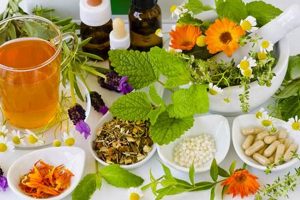
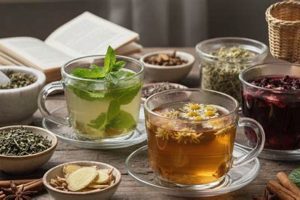
Infusions crafted from various plants and intended to promote a reduction in body mass are prevalent dietary supplements. These beverages often incorporate ingredients such as green tea extract, senna, or dandelion, each purported to possess properties that aid in metabolic acceleration or appetite suppression. Such preparations are frequently marketed as a natural approach to supporting weight management efforts.
The consumption of these plant-derived brews dates back centuries, with traditional medicine systems utilizing specific herbs for their perceived thermogenic or diuretic effects. Advocates suggest that regular use can lead to improved energy levels, decreased bloating, and enhanced fat oxidation. However, the efficacy and safety of these products are subjects of ongoing scientific inquiry, with varying degrees of substantiation for the claims made by manufacturers. Moreover, historical context reveals diverse cultural practices centered around utilizing botanicals for wellness, including control of body composition.
The following discussion will delve into the scientific evidence supporting the purported advantages of these plant-based infusions, analyze potential risks associated with their use, and offer guidance on selecting quality products and incorporating them safely into a balanced lifestyle.
Guidance on the Appropriate Use of Plant-Based Weight Management Beverages
The following recommendations aim to provide a framework for the responsible integration of herbal infusions into a holistic weight management plan. Adherence to these guidelines may contribute to maximizing potential benefits while mitigating potential adverse effects.
Tip 1: Prioritize Ingredient Transparency: Scrutinize product labels to ensure clarity regarding the botanical composition. Opt for formulations listing specific herb names and standardized extracts, rather than ambiguous proprietary blends. This allows for informed assessment of potential allergens or contraindications.
Tip 2: Observe Dosage Recommendations: Strictly adhere to the manufacturer’s suggested serving size. Exceeding the recommended dosage does not necessarily enhance efficacy and may increase the likelihood of adverse reactions. Commence with a lower dosage initially to assess individual tolerance.
Tip 3: Consider Potential Interactions: Consult with a healthcare professional prior to incorporating these beverages into a regimen, particularly if concurrent medications are being taken. Certain herbal constituents may interact with pharmaceuticals, potentially altering their effectiveness or increasing the risk of side effects.
Tip 4: Evaluate Caffeine Content: Be mindful of the caffeine content, especially if sensitive to stimulants. Many formulations incorporate ingredients such as green tea, which can contribute to increased alertness but may also induce anxiety or insomnia in susceptible individuals.
Tip 5: Hydration is Paramount: These beverages, while contributing to fluid intake, should not replace plain water. Adequate hydration is crucial for overall health and optimal metabolic function. Ensure sufficient water consumption throughout the day, independent of tea consumption.
Tip 6: Integrate with a Balanced Diet and Exercise: Plant-based infusions are intended to complement, not substitute, a balanced dietary approach and regular physical activity. A comprehensive weight management strategy should prioritize sustainable lifestyle modifications.
Tip 7: Monitor Physiological Responses: Pay close attention to any physiological changes experienced, such as alterations in heart rate, blood pressure, or digestive function. Discontinue use immediately if adverse symptoms develop and seek medical attention.
These guidelines emphasize the importance of informed decision-making and responsible usage. The potential benefits of these preparations are best realized when integrated thoughtfully into a comprehensive wellness strategy.
The subsequent section will explore the potential risks and side effects associated with the usage of such infusions, underscoring the need for caution and professional guidance.
1. Ingredient Sourcing

The origin and cultivation methods of the botanical components in plant-based weight management beverages significantly impact the final product’s quality, efficacy, and safety. Sourcing practices dictate the presence and concentration of active compounds, as well as the potential introduction of contaminants such as pesticides, heavy metals, or adulterants. Plants cultivated in environments with nutrient-rich soil and under optimal growing conditions generally exhibit a higher concentration of beneficial phytochemicals. Conversely, substandard cultivation methods or sourcing from regions with lax environmental regulations can compromise the integrity of the product.
For example, senna, often included for its laxative effects, sourced from unregulated farms, can contain variable levels of sennosides, leading to unpredictable or potentially harmful physiological responses. Green tea, a common ingredient purported to enhance metabolism, sourced from regions with high levels of industrial pollution, may contain elevated levels of lead. The use of certified organic ingredients mitigates some of these risks by ensuring adherence to stringent farming practices that prohibit the use of synthetic pesticides and fertilizers. Reputable manufacturers typically provide detailed information about the origin and processing methods of their ingredients, allowing consumers to make more informed choices. Transparency regarding sourcing is thus an indicator of quality control and a factor in assessing the overall safety profile.
In summary, ingredient sourcing represents a critical factor in determining the overall value and safety profile. While certifications such as ‘organic’ can offer some assurance, diligence in researching the source and manufacturing processes remains essential. The complexity of global supply chains underscores the need for greater standardization and regulatory oversight to ensure that consumers receive products with consistent quality and minimal risk of contamination.
2. Metabolic Effects

The consumption of plant-based weight management beverages is predicated on the premise that specific herbal constituents can influence various metabolic processes to promote weight reduction. These purported effects often center on increasing thermogenesis, enhancing lipolysis, suppressing appetite, or modulating carbohydrate absorption. For example, ingredients containing caffeine, such as green tea or guarana, are believed to stimulate the central nervous system, thereby increasing energy expenditure and promoting fat oxidation. Similarly, extracts from herbs like Garcinia cambogia are hypothesized to inhibit the enzyme ATP citrate lyase, potentially reducing fat storage. However, the extent and consistency of these metabolic effects are subject to ongoing scientific investigation, with results varying depending on the specific formulation, individual physiology, and study methodology.
The practical significance of understanding the metabolic effects lies in discerning the potential efficacy and risks associated with these beverages. If a particular formulation does indeed enhance thermogenesis, individuals may experience a modest increase in daily caloric expenditure, potentially contributing to a negative energy balance. Conversely, if a product primarily exerts a diuretic effect, the resultant weight loss may be largely attributable to fluid depletion, rather than a reduction in body fat mass. Furthermore, some herbal constituents can interact with metabolic pathways in unintended ways, potentially leading to adverse effects. For instance, excessive consumption of senna-containing infusions can disrupt electrolyte balance and impair bowel function. Therefore, consumers should critically evaluate the purported metabolic effects, scrutinize the ingredient list, and consult with a healthcare professional to assess potential risks and benefits.
In conclusion, the relationship between the metabolic effects and plant-based weight management infusions is complex and nuanced. While certain herbal constituents may exhibit the potential to influence metabolic processes, the magnitude and consistency of these effects remain subjects of scientific debate. Careful consideration of the ingredient composition, potential risks, and individual physiology is essential for making informed decisions about incorporating these beverages into a weight management strategy. The evidence base supporting the long-term efficacy and safety of many of these products remains limited, underscoring the need for caution and a focus on sustainable lifestyle modifications.
3. Potential Risks

The use of herbal weight loss teas carries several potential risks, stemming from both the inherent properties of certain botanicals and the lack of rigorous regulation in the supplement industry. A primary concern involves herb-drug interactions, where compounds in the tea interfere with the efficacy or safety of prescription medications. For instance, St. John’s Wort, sometimes found in weight loss formulations, is a known inducer of cytochrome P450 enzymes, potentially reducing the effectiveness of oral contraceptives and anticoagulants. Similarly, ingredients with diuretic properties, such as dandelion or juniper, can exacerbate dehydration or electrolyte imbalances, particularly in individuals with pre-existing kidney conditions or those taking medications that affect fluid balance. The unregulated nature of the supplement market also poses risks. Products may contain undisclosed ingredients, contaminants (such as heavy metals or pesticides), or inaccurate dosages, leading to unforeseen adverse reactions.
Specific examples of potential adverse effects include hepatotoxicity (liver damage) associated with certain herbal ingredients, such as green tea extract in high concentrations. Cases of liver injury have been reported in individuals consuming concentrated green tea supplements, highlighting the importance of considering dosage and individual susceptibility. Furthermore, the use of stimulant-containing herbs, such as guarana or yerba mate, can cause cardiovascular complications, including increased heart rate, elevated blood pressure, and arrhythmias, particularly in individuals with underlying heart conditions. The long-term effects of chronic exposure to various herbal constituents are often poorly understood, raising concerns about potential cumulative toxicity or the development of unforeseen health problems. Consumers with allergies should also be cautious, as herbal teas may contain allergens that are not always clearly labeled.
In summary, the potential risks associated with herbal weight loss teas are multifaceted and warrant careful consideration. While some individuals may experience no adverse effects, others may be vulnerable to significant health consequences due to herb-drug interactions, undisclosed ingredients, contamination, or inherent toxicity. A thorough understanding of these risks, combined with consultation with a healthcare professional, is essential before incorporating such products into a weight management strategy. Given the limited regulatory oversight, consumers must exercise caution, prioritize products from reputable manufacturers with transparent labeling practices, and remain vigilant for any adverse symptoms.
4. Regulation Landscape

The regulatory oversight governing herbal weight loss teas is a complex and often fragmented patchwork, varying significantly across different jurisdictions. This inconsistency impacts product quality, safety, and the veracity of marketing claims, ultimately affecting consumer confidence and public health.
- Varying Standards Across Countries
Different countries implement disparate regulatory frameworks for herbal supplements. Some regions, such as the European Union, have established comprehensive regulations dictating manufacturing standards, labeling requirements, and safety assessments. Conversely, other regions lack robust regulatory mechanisms, allowing for the marketing of products without adequate scrutiny. This disparity can result in consumers being exposed to products of varying quality and safety, depending on their geographic location.
- Distinction Between Food and Drug
The classification of herbal weight loss teas as either food or drug often determines the level of regulatory scrutiny applied. In many jurisdictions, if a product is marketed primarily as a food or dietary supplement, it may be subject to less stringent regulations than pharmaceuticals. This distinction can allow manufacturers to make certain claims about weight management without undergoing rigorous clinical trials or demonstrating therapeutic efficacy. This ambiguity can mislead consumers and complicate enforcement efforts by regulatory agencies.
- Enforcement Challenges
Even in jurisdictions with established regulations, effective enforcement can be challenging. Resource constraints, limited inspection capabilities, and the proliferation of online sales channels can hinder the ability of regulatory agencies to monitor the marketplace and prevent the distribution of adulterated or mislabeled products. The global nature of the supplement industry further complicates enforcement, as products may be manufactured in one country and sold in another, making it difficult to trace the origin and hold manufacturers accountable for regulatory violations.
- Advertising and Labeling Regulations
Advertising and labeling regulations play a crucial role in ensuring that consumers receive accurate and truthful information about herbal weight loss teas. Many jurisdictions have regulations prohibiting false or misleading advertising claims and requiring manufacturers to disclose potential risks and side effects on product labels. However, enforcement of these regulations can be difficult, and some manufacturers may engage in deceptive marketing practices to promote their products. The use of vague or unsubstantiated claims, such as “burns fat” or “boosts metabolism,” can mislead consumers into believing that these teas are more effective than they actually are.
These facets of the regulation landscape underscore the need for greater harmonization and enforcement of standards governing herbal weight loss teas. Consumers must exercise caution when purchasing these products, carefully scrutinizing labels, and consulting with healthcare professionals to assess potential risks and benefits. Increased regulatory oversight and transparency are essential to protect public health and ensure that consumers have access to safe and effective weight management options.
5. Consumer Awareness

Consumer awareness is paramount in the context of plant-derived weight management infusions, influencing purchasing decisions, usage patterns, and expectations regarding efficacy and safety. A lack of informed understanding can lead to unrealistic expectations, misuse of products, and potential health risks. Consumer awareness encompasses several critical components, including knowledge of ingredients, potential side effects, herb-drug interactions, and the regulatory landscape governing these products. The correlation between heightened consumer awareness and responsible product usage is demonstrably positive.
Real-life examples underscore the practical significance of consumer awareness. The proliferation of misleading marketing claims often preys on consumers lacking in-depth knowledge. For instance, products marketed as “natural” may contain potent ingredients with significant side effects or interact negatively with existing medications. A consumer aware of potential interactions would be more likely to consult with a healthcare professional before initiating use, mitigating the risk of adverse events. Conversely, consumers who blindly trust marketing claims may forgo seeking professional advice, increasing their vulnerability to harmful outcomes. Informed consumers are also more likely to scrutinize product labels, assess ingredient quality, and research the manufacturer’s reputation, ultimately leading to more responsible purchasing decisions.
In conclusion, consumer awareness serves as a critical safeguard in the utilization of plant-derived weight management infusions. Enhanced awareness empowers individuals to make informed decisions, mitigate potential risks, and manage expectations realistically. Challenges persist in combating misinformation and promoting accurate knowledge dissemination. Addressing these challenges requires a multi-faceted approach, including improved labeling requirements, increased public education campaigns, and greater collaboration between healthcare professionals and regulatory agencies. The promotion of informed consumerism is essential for ensuring the safe and effective use of these products.
6. Long-term Efficacy
The evaluation of long-term efficacy is paramount when considering the use of plant-based weight management infusions as part of a sustained weight management strategy. While short-term weight reduction may be observed with certain formulations, the ability to maintain these results over extended periods is a critical determinant of their overall value. Furthermore, understanding the mechanisms underlying long-term efficacy is essential for identifying potential risks and developing safe and sustainable usage guidelines. The following points will explore key facets of long-term efficacy in relation to these botanical preparations.
- Sustained Metabolic Effects
The extent to which botanical constituents can sustain metabolic changes over time is a crucial factor in long-term efficacy. While some ingredients may initially stimulate thermogenesis or suppress appetite, these effects may diminish with prolonged use due to physiological adaptation. For instance, the body may develop tolerance to the stimulant effects of caffeine, reducing its impact on energy expenditure. Studies examining the long-term effects of green tea extract on weight management have yielded mixed results, with some showing a gradual decline in efficacy over time. The ability to maintain sustained metabolic effects is thus a critical determinant of long-term success.
- Behavioral and Dietary Integration
The integration of herbal infusions into sustainable behavioral and dietary habits is essential for long-term weight management. These products are often most effective when combined with lifestyle modifications, such as regular exercise and a balanced diet. If individuals rely solely on botanical preparations without addressing underlying behavioral and dietary patterns, they are unlikely to achieve sustained weight loss. The long-term efficacy, therefore, depends not only on the inherent properties of the herbal constituents but also on the individual’s commitment to adopting healthier lifestyle choices.
- Potential for Adverse Effects with Prolonged Use
The potential for adverse effects with prolonged use represents a significant concern regarding long-term efficacy. Some herbal constituents, while seemingly safe for short-term consumption, may pose risks with chronic exposure. For example, long-term use of senna-containing infusions can lead to bowel dependence and electrolyte imbalances. Similarly, prolonged consumption of stimulant-containing products may increase the risk of cardiovascular complications. A comprehensive assessment of long-term efficacy must, therefore, consider the potential for adverse effects and weigh these risks against the perceived benefits.
- Impact on Gut Microbiome
The impact of plant-derived weight management infusions on the gut microbiome is an emerging area of research that may have implications for long-term efficacy. Certain herbal constituents can alter the composition and function of the gut microbiome, potentially affecting nutrient absorption, energy metabolism, and inflammation. While some of these changes may be beneficial, others could have detrimental effects on long-term health. Further research is needed to fully understand the complex interactions between herbal infusions and the gut microbiome and their impact on sustained weight management.
In summary, the long-term efficacy of these infusions is a complex issue that depends on multiple factors, including sustained metabolic effects, integration into behavioral and dietary habits, potential for adverse effects, and impact on the gut microbiome. While some individuals may experience sustained weight management with these products, the available scientific evidence remains limited and often conflicting. A cautious and evidence-based approach is warranted, emphasizing the importance of sustainable lifestyle modifications and consultation with healthcare professionals.
Frequently Asked Questions
The following section addresses commonly encountered queries and concerns regarding the use of herbal weight loss tea. The information provided is intended to offer clarity and promote informed decision-making.
Question 1: Are herbal weight loss teas a safe alternative to conventional weight loss methods?
The safety profile of herbal weight loss teas varies significantly depending on the specific ingredients and individual health conditions. While some ingredients may be generally safe for consumption in moderation, others can pose risks, particularly for individuals with pre-existing medical conditions or those taking certain medications. Consultation with a healthcare professional is advised before incorporating these products into a weight management regimen.
Question 2: Can herbal weight loss teas guarantee rapid weight loss?
No herbal weight loss tea can guarantee rapid weight loss. The effectiveness of these products is often overstated, and the majority of observed weight reduction may be attributable to fluid loss rather than fat reduction. A balanced dietary approach and regular physical activity remain the cornerstones of sustainable weight management.
Question 3: Do herbal weight loss teas require a prescription from a doctor?
Herbal weight loss teas are generally available over-the-counter and do not require a prescription. However, this does not imply that they are inherently safe or suitable for all individuals. The absence of a prescription requirement underscores the importance of self-education and consultation with a healthcare professional before use.
Question 4: What are the potential side effects associated with herbal weight loss tea consumption?
Potential side effects vary depending on the ingredients but may include gastrointestinal distress, dehydration, electrolyte imbalances, increased heart rate, anxiety, and herb-drug interactions. Certain ingredients can also pose a risk of liver damage or other serious health complications. Vigilant monitoring of physiological responses is essential.
Question 5: How should herbal weight loss teas be incorporated into a weight management plan?
Herbal weight loss teas, if used, should be incorporated as a complementary component of a comprehensive weight management plan that includes a balanced diet, regular exercise, and behavioral modifications. These products should not be considered a substitute for healthy lifestyle habits.
Question 6: Are all herbal weight loss tea products subject to the same level of regulatory scrutiny?
No, the regulatory oversight of herbal weight loss tea products varies significantly across different jurisdictions. In many regions, these products are classified as dietary supplements and are subject to less stringent regulations than pharmaceuticals. This lack of consistent regulatory scrutiny highlights the importance of selecting products from reputable manufacturers and carefully scrutinizing product labels.
In summary, while herbal weight loss tea may offer some potential benefits as a complementary tool, it is crucial to approach these products with caution and a realistic understanding of their limitations. Informed decision-making and consultation with healthcare professionals are paramount.
The subsequent section will delve into specific strategies for selecting reputable products and assessing their safety profiles.
Conclusion
This exploration of herbal weight loss tea has illuminated a complex landscape of purported benefits, potential risks, and regulatory ambiguities. It has underscored the importance of informed decision-making, emphasizing that these infusions are not a panacea for weight management but rather a tool that, if used responsibly, may complement broader lifestyle changes. Ingredient sourcing, metabolic effects, and consumer awareness each play a crucial role in determining both the safety and the efficacy of these preparations. Rigorous scientific validation remains necessary to substantiate many of the claims made regarding the long-term benefits.
The onus rests on both manufacturers and consumers to prioritize transparency, prioritize scientific evidence, and foster a culture of responsible use. The pursuit of weight management solutions must be grounded in realistic expectations and a commitment to holistic well-being. Further research, enhanced regulation, and ongoing education are essential to ensure that individuals are equipped with the knowledge necessary to make informed choices regarding the integration of herbal weight loss tea into their health regimens.