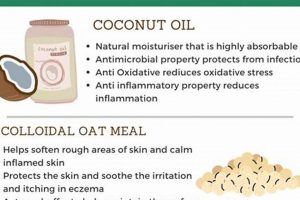
Inflammation of blood vessels, or vasculitis, can potentially be addressed with plant-derived remedies. These remedies are employed to manage symptoms associated with this condition, aiming to reduce inflammation and support the body’s natural healing processes.
The appeal of using botanicals lies in their potential to offer a more gentle approach compared to conventional medications, especially for individuals seeking complementary therapies. Throughout history, various cultures have utilized plants for their anti-inflammatory and immune-modulating properties, which may be relevant in addressing vascular inflammation. However, scientific validation regarding the efficacy of these approaches remains an ongoing area of investigation.
The following sections delve into specific plant-based therapies sometimes considered for addressing blood vessel inflammation. Information regarding preparation, potential benefits, and crucial safety considerations, along with the importance of consulting qualified healthcare professionals, will be presented.
Guidance on Complementary Botanical Approaches
This section outlines key considerations when exploring plant-based support for blood vessel inflammation. These are offered as informational points and should not replace professional medical advice.
Tip 1: Prioritize Consultation with Qualified Professionals: Engage a healthcare provider, including physicians and qualified herbalists, prior to initiating any complementary botanical remedy. This ensures the approach aligns with established medical protocols and avoids potential interactions or contraindications.
Tip 2: Emphasize Precise Identification of Botanicals: Verify the identity of any plant-derived remedy through reputable sources. Incorrect identification can lead to adverse effects or lack of efficacy. Seek confirmation from botanical experts or certified suppliers.
Tip 3: Understand Potential Drug Interactions: Many plants possess constituents that can interact with pharmaceutical medications. Research potential interactions thoroughly and communicate all supplement usage to healthcare providers to minimize risks.
Tip 4: Initiate with Conservative Dosages: Begin with lower doses of the chosen botanical remedy, gradually increasing as tolerated, under the guidance of a healthcare professional. This allows for the assessment of individual responses and minimization of potential side effects.
Tip 5: Prioritize Reputable Sources and Quality Control: Obtain botanical remedies from established suppliers adhering to good manufacturing practices (GMP). This reduces the risk of contamination, adulteration, and ensures consistent potency.
Tip 6: Monitor for Adverse Reactions: Closely observe for any signs of adverse reactions, such as skin rashes, digestive upset, or changes in vital signs. Discontinue use immediately if adverse effects develop and seek medical attention.
Tip 7: Maintain Comprehensive Records: Keep a detailed log of all botanical remedies used, including dosage, frequency, and any observed effects. This documentation aids healthcare providers in assessing the approach and making informed adjustments.
Implementing these guidelines can facilitate a safer and more informed exploration of complementary botanical therapies. Remember that plant-derived substances are not a substitute for conventional medical care and should be used adjunctively under professional supervision.
The following sections will discuss the ongoing research and clinical evidence pertaining to these treatments.
1. Efficacy
Efficacy, in the context of botanical interventions for blood vessel inflammation, represents the demonstrated capacity of a plant-derived substance to produce a measurable and beneficial therapeutic outcome. Its relevance stems from the need to ascertain whether purported remedies genuinely alleviate the underlying inflammatory process or associated symptoms.
- Clinical Trial Evidence
The gold standard for determining efficacy involves randomized, placebo-controlled clinical trials. These studies assess the impact of a botanical intervention on relevant markers of inflammation, disease activity, and patient-reported outcomes. The absence of robust clinical trial data often leaves the effectiveness of herbal remedies uncertain.
- Mechanism of Action
Understanding the underlying biological mechanisms by which a plant-derived substance exerts its effects is crucial for establishing efficacy. Identifying specific bioactive compounds and their interaction with inflammatory pathways provides a rationale for its use. Without a clear mechanism, observed benefits may be attributed to placebo effects or unrelated factors.
- Standardization and Consistency
Efficacy assessments are complicated by variations in the composition and potency of herbal preparations. Lack of standardization across different batches or sources can lead to inconsistent results in clinical trials. Standardized extracts, with defined concentrations of bioactive compounds, are essential for ensuring reliable efficacy data.
- Subjective vs. Objective Measures
Efficacy evaluations must consider both subjective patient-reported outcomes and objective measures of disease activity. While symptom relief is important, it should be corroborated by improvements in laboratory markers, imaging results, or other quantifiable parameters to confirm genuine therapeutic benefit.
The determination of efficacy for botanical approaches to blood vessel inflammation remains a challenge due to the complexities of herbal composition and the limitations of existing research. While anecdotal evidence and traditional use may suggest potential benefits, rigorous scientific validation is necessary to establish whether these remedies truly offer a reliable and effective therapeutic option.
2. Safety

The safety profile of plant-derived substances intended to address blood vessel inflammation is of paramount concern. Unlike conventional pharmaceuticals that undergo rigorous pre-market testing, botanical remedies often lack comparable levels of scrutiny. This disparity necessitates a cautious approach, emphasizing informed decision-making and professional oversight. The potential for adverse reactions, contraindications, and interactions with conventional medications underscores the need for meticulous assessment before and during the use of any such approach. For example, certain herbal constituents may possess anticoagulant properties, posing a risk of bleeding complications when combined with prescribed blood thinners, a scenario potentially detrimental for individuals with compromised vascular integrity. Therefore, a comprehensive evaluation of an individual’s medical history, current medications, and potential allergies is crucial to mitigate potential risks.
The practical significance of understanding the safety aspects extends to ensuring appropriate sourcing and preparation of botanical remedies. Adulteration with toxic substances, contamination with heavy metals or pesticides, and misidentification of plant species are all potential hazards that can compromise safety. Reputable suppliers adhering to Good Manufacturing Practices (GMP) are essential to minimize these risks. Furthermore, the method of preparation, whether through teas, tinctures, or encapsulated extracts, can influence the bioavailability and potential toxicity of active compounds. Careful attention to recommended dosages and duration of use, guided by healthcare professionals, is critical to avoiding adverse effects. Cases of liver damage, allergic reactions, and gastrointestinal distress have been documented in association with unregulated or unsupervised use of herbal products. Therefore, individuals should remain vigilant and report any unusual symptoms to their healthcare provider promptly.
In conclusion, the safety of botanical interventions for blood vessel inflammation is a multifaceted consideration demanding a rigorous and informed approach. While these remedies may hold promise for some individuals, their potential risks must be carefully weighed against perceived benefits. The absence of comprehensive regulatory oversight necessitates a proactive stance, prioritizing professional guidance, responsible sourcing, and meticulous monitoring for adverse effects. Ultimately, the safe and effective use of plant-derived substances requires a collaborative effort between patients, healthcare providers, and responsible manufacturers, ensuring that potential benefits are realized without compromising patient well-being.
3. Interactions
The potential for interactions between botanical remedies and conventional pharmaceutical agents is a critical consideration when exploring complementary approaches to managing blood vessel inflammation. These interactions can significantly alter the efficacy and safety profiles of both the herbal product and the prescribed medication.
- Pharmacokinetic Interactions
Pharmacokinetic interactions involve alterations in the absorption, distribution, metabolism, or excretion of a drug. Certain botanical compounds can inhibit or induce cytochrome P450 enzymes, which are responsible for metabolizing a wide range of pharmaceuticals. For example, St. John’s Wort, known to induce CYP3A4, can reduce the effectiveness of immunosuppressants commonly prescribed in vasculitis management, potentially leading to disease exacerbation. Conversely, other herbs might inhibit drug metabolism, increasing serum drug concentrations and the risk of adverse effects.
- Pharmacodynamic Interactions
Pharmacodynamic interactions occur when two or more substances affect the same physiological system, resulting in synergistic or antagonistic effects. Certain herbal constituents possess anticoagulant properties, increasing the risk of bleeding when combined with antiplatelet drugs or anticoagulants used to prevent thrombotic complications in vasculitis. Conversely, herbs with immunostimulatory effects might counteract the action of immunosuppressants, potentially diminishing their therapeutic benefit in controlling vascular inflammation.
- Herb-Disease Interactions
Herbal remedies can also interact with the underlying disease state of vasculitis, either exacerbating or mitigating its progression. Some herbs with purported anti-inflammatory properties may offer symptomatic relief, while others might trigger immune responses that worsen vascular inflammation. For instance, Echinacea, an immune stimulant, is generally contraindicated in autoimmune disorders like certain forms of vasculitis, as it could potentially exacerbate the inflammatory process.
- Variability and Standardization
The potential for interactions is further complicated by the inherent variability in the composition of herbal products. Lack of standardization in cultivation, harvesting, and processing can lead to inconsistencies in the concentration of active compounds. This variability makes it difficult to predict the magnitude of potential interactions, increasing the risk of unexpected and potentially harmful effects.
Considering the complexities of these potential interactions, it is essential that individuals with blood vessel inflammation considering botanical remedies engage in open communication with their healthcare providers. A thorough assessment of potential risks and benefits, along with careful monitoring for adverse effects, is crucial to ensuring patient safety.
4. Dosage

The determination of appropriate dosage is a critical component when considering botanical interventions for blood vessel inflammation. Effective management hinges on achieving a therapeutic window, where the concentration of active compounds elicits a desired effect without inducing adverse reactions. Dosage miscalculations can lead to therapeutic failure or, conversely, toxicity. The complexity arises from variability in plant composition, patient-specific factors, and potential interactions with concurrently administered medications.
For example, a standardized extract of turmeric, containing curcumin, might be used for its anti-inflammatory properties. However, the optimal dosage can vary significantly based on the individual’s body weight, metabolic rate, and the severity of the inflammation. Furthermore, curcumin’s bioavailability is known to be low, necessitating higher dosages or co-administration with piperine (found in black pepper) to enhance absorption. Failure to account for these factors can result in inadequate therapeutic benefit. Conversely, excessive dosage of certain herbs, like those with anticoagulant effects, may increase the risk of bleeding, particularly in individuals already taking blood-thinning medications.
The practical significance of understanding dosage lies in its direct impact on patient safety and treatment outcomes. A collaborative approach involving healthcare professionals knowledgeable in both conventional medicine and herbal therapies is essential. This ensures personalized dosage recommendations based on comprehensive assessment and continuous monitoring for therapeutic response and potential adverse effects. The absence of precise dosage guidelines underscores the need for cautious and informed decision-making, emphasizing individualized treatment plans.
5. Quality

The assurance of quality in plant-derived products intended for managing blood vessel inflammation is of paramount importance. The composition, purity, and potency of these products directly impact their potential therapeutic efficacy and safety profile. Lack of stringent quality control can render botanical interventions ineffective, or even harmful, thereby negating any potential benefits. It is therefore crucial to consider key facets of quality assurance.
- Source Authentication
Accurate identification of the plant species is the foundational step in ensuring quality. Misidentification can lead to the use of incorrect, ineffective, or even toxic plants. Verification of the source material by qualified botanists or through DNA barcoding is essential to prevent adulteration and ensure the correct plant is used.
- Cultivation and Harvesting Practices
The environmental conditions and agricultural practices employed during cultivation significantly impact the concentration of active compounds within the plant. Factors such as soil composition, climate, and the use of pesticides or herbicides can influence the plant’s chemical profile. Sustainable and organic cultivation practices are preferred to minimize contamination and maximize the plant’s therapeutic potential. Harvesting time is also crucial, as the concentration of active constituents varies throughout the plant’s life cycle.
- Manufacturing and Extraction Procedures
The method of extraction used to isolate the desired compounds can significantly affect the final product’s quality. Different extraction techniques yield varying concentrations of active constituents and may introduce contaminants or degrade sensitive compounds. Good Manufacturing Practices (GMP) should be strictly adhered to during manufacturing to ensure purity, potency, and consistency across batches.
- Standardization and Testing
Standardization involves quantifying the concentration of key active compounds in the final product. This ensures that each dose contains a consistent amount of the therapeutic constituents. Rigorous testing for contaminants, such as heavy metals, pesticides, and microbial pathogens, is also essential to guarantee safety. Independent third-party testing provides an additional layer of quality assurance.
These facets of quality underscore the complexities involved in assuring the safety and efficacy of botanical interventions. Integrating robust quality control measures at each stage, from sourcing to manufacturing, is paramount to providing individuals seeking plant-derived options for blood vessel inflammation with reliable and potentially beneficial products.
6. Regulation

The regulatory landscape governing botanical remedies intended for use in conditions such as vasculitis remains complex and often fragmented. This variability in regulatory oversight presents both challenges and opportunities for patients and practitioners seeking complementary and alternative treatments.
- Varying Standards Globally
The standards for the manufacturing, distribution, and marketing of herbal products differ significantly across countries. Some regions, such as Germany and China, have well-established regulatory frameworks that require manufacturers to demonstrate the safety and efficacy of their products through clinical trials and adhere to stringent quality control measures. In contrast, other countries, including the United States, regulate herbal remedies as dietary supplements, subject to less rigorous pre-market evaluation. This discrepancy can lead to inconsistencies in product quality and availability, potentially affecting patient safety and treatment outcomes.
- Quality Control and GMP Compliance
Effective regulation necessitates the implementation of Good Manufacturing Practices (GMP) to ensure product consistency and purity. GMP guidelines mandate adherence to standardized procedures for sourcing, processing, and packaging herbal products. Regular inspections and audits are essential to verify compliance and prevent contamination with heavy metals, pesticides, or adulterants. In the absence of robust regulatory enforcement, consumers may be exposed to substandard or potentially harmful products. The lack of a universally recognized GMP standard poses a significant challenge to global harmonization.
- Labeling and Health Claims
Regulatory frameworks typically address the permissible health claims that can be made on product labels. Restrictions on unsubstantiated or misleading claims are intended to protect consumers from deceptive marketing practices. However, enforcement of these regulations can be challenging, particularly in online marketplaces. The absence of clear guidelines on what constitutes a legitimate health claim can lead to confusion and misinterpretation, potentially influencing patients to delay or forgo conventional medical treatment in favor of unproven herbal remedies.
- Pharmacovigilance and Adverse Event Reporting
A robust pharmacovigilance system is essential for monitoring the safety of herbal products and identifying potential adverse events. Regulatory agencies should encourage healthcare providers and consumers to report suspected adverse reactions to herbal remedies. The collection and analysis of these data can help identify previously unknown risks and inform regulatory decisions. However, underreporting of adverse events is a common challenge, particularly due to the perception that herbal products are inherently safe. Enhancing awareness and promoting active reporting are crucial to strengthening the safety surveillance of herbal remedies.
These regulatory considerations highlight the importance of informed decision-making when using herbal products for conditions such as vasculitis. Patients are advised to seek guidance from qualified healthcare professionals and to select products from reputable manufacturers that adhere to recognized quality standards. Ongoing efforts to harmonize regulatory frameworks and strengthen enforcement mechanisms are essential to ensure the safety and efficacy of botanical interventions and to protect public health.
Frequently Asked Questions
The following questions address common inquiries and concerns regarding the use of plant-derived substances as complementary approaches for blood vessel inflammation. The information provided is for educational purposes and should not be considered a substitute for professional medical advice.
Question 1: What is the primary role of plant-derived substances in addressing blood vessel inflammation?
The primary role is typically adjunct, aiming to provide supportive relief by reducing inflammation and modulating immune responses. These substances are generally not considered a replacement for conventional medical treatments.
Question 2: Are there specific plant-derived substances that are consistently recommended for blood vessel inflammation?
No single botanical is universally endorsed. Certain plants with anti-inflammatory properties, such as turmeric (curcumin), ginger, and boswellia, are sometimes considered. However, scientific evidence supporting their efficacy specifically for blood vessel inflammation remains limited, and recommendations should be individualized based on professional evaluation.
Question 3: What are the potential risks associated with using plant-derived substances for blood vessel inflammation?
Potential risks include allergic reactions, interactions with conventional medications, and adverse effects due to variations in product quality and dosage. Certain botanical constituents may possess anticoagulant properties, posing a bleeding risk when combined with prescription blood thinners.
Question 4: How does one determine the appropriate dosage of a plant-derived substance for blood vessel inflammation?
Dosage determination requires professional guidance from a qualified healthcare provider or herbalist. Factors such as body weight, medical history, concurrent medications, and the specific plant-derived substance influence the appropriate dosage. Self-medication is discouraged.
Question 5: Are plant-derived substances regulated for quality and safety?
The regulatory oversight of herbal products varies across countries. In some regions, these substances are regulated as dietary supplements, subject to less stringent standards than pharmaceutical medications. Seeking products from reputable manufacturers adhering to Good Manufacturing Practices (GMP) is advisable.
Question 6: When should conventional medical treatment be prioritized over plant-derived substances for blood vessel inflammation?
Conventional medical treatment should always be prioritized, particularly during acute flares or when the condition poses a significant threat to organ function. Plant-derived substances may be considered as adjunct therapies under the supervision of a healthcare professional, but they should not replace established medical protocols.
In summary, while certain plant-derived substances may offer supportive benefits for managing blood vessel inflammation, their use requires careful consideration, professional guidance, and adherence to quality standards. These substances are not a substitute for conventional medical care and should be used adjunctively, if at all, under the supervision of a qualified healthcare provider.
The following section will delve into resources for additional information and support.
Vasculitis Herbal Treatment
This exploration of plant-derived approaches for vasculitis underscores the complexities and uncertainties involved. The absence of robust scientific evidence, coupled with the potential for adverse interactions and variable product quality, necessitates a cautious and informed approach. While anecdotal reports and traditional uses may suggest potential benefits, these observations require rigorous validation through well-designed clinical trials. Prioritizing patient safety demands a critical evaluation of potential risks versus perceived benefits, emphasizing the need for professional medical guidance.
The landscape of complementary therapies for vasculitis remains an evolving area of investigation. Continued research into the mechanisms of action, efficacy, and safety of botanical interventions is crucial to determine their potential role in managing this complex condition. In the interim, individuals with vasculitis should remain vigilant, prioritizing evidence-based medical care and engaging in open communication with their healthcare providers regarding any complementary treatments under consideration. The well-being of the patient must remain the paramount consideration.