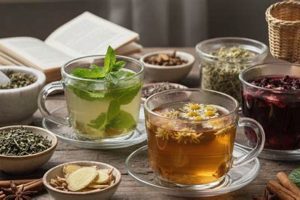
![Brewtiful Basil Herbal Tea: Benefits & Recipe [Herbal Guide] | The Ultimate Herbal Remedies Guide: Natural Healing for a Healthier Life](data:image/svg+xml;base64,PHN2ZyB4bWxucz0iaHR0cDovL3d3dy53My5vcmcvMjAwMC9zdmciIHdpZHRoPSI0NzQiIGhlaWdodD0iMjY2IiB2aWV3Qm94PSIwIDAgNDc0IDI2NiI+PHJlY3Qgd2lkdGg9IjEwMCUiIGhlaWdodD0iMTAwJSIgc3R5bGU9ImZpbGw6I2NmZDRkYjtmaWxsLW9wYWNpdHk6IDAuMTsiLz48L3N2Zz4= "Herbal Tea") Herbal Tea: Benefits & Recipe [Herbal Guide]" width="100%" style="margin-right: 8px;margin-bottom: 8px;" />
Herbal Tea: Benefits & Recipe [Herbal Guide]" width="100%" style="margin-right: 8px;margin-bottom: 8px;" />An infusion derived from the leaves of the Ocimum basilicum plant, prepared similarly to other herbal beverages. The resulting liquid offers a distinctive flavor profile, ranging from slightly sweet to subtly peppery, depending on the specific variety of the plant used and the brewing method employed. This beverage is often consumed for its purported health-promoting properties and aromatic qualities.
The consumption of this type of beverage has roots in traditional medicine practices across various cultures. It is believed to possess properties that may aid in digestion, reduce stress, and provide antioxidant benefits. The historical use of basil in culinary and medicinal applications suggests a long-standing recognition of its potential value. Furthermore, the ease of cultivation and preparation has contributed to its widespread availability and consumption.
The subsequent sections will delve into the specific chemical compounds present, potential health effects substantiated by scientific research, optimal brewing techniques, and potential considerations regarding consumption. Furthermore, the discussion will explore different cultivars and their impacts on the resulting beverages characteristics.
Tips for Optimal Preparation and Consumption
Maximizing the benefits and enjoyment of infusions derived from Ocimum basilicum requires careful attention to several key factors. The following tips are intended to provide guidance on selecting ingredients, optimizing brewing techniques, and ensuring responsible consumption.
Tip 1: Selection of Basil Variety: Different cultivars of Ocimum basilicum possess distinct flavor profiles. Sweet basil is a common choice, while lemon basil or Thai basil offer alternative, more nuanced tastes. Experimentation is recommended to identify preferred varieties.
Tip 2: Fresh vs. Dried Leaves: Fresh leaves generally impart a brighter, more vibrant flavor. However, dried leaves can be used effectively, especially when fresh options are unavailable. When using dried leaves, reduce the quantity by approximately half, as the flavor is typically more concentrated.
Tip 3: Water Temperature: Water temperature is crucial for extracting desirable compounds while minimizing bitterness. Aim for water that is just below boiling (around 200-212F or 93-100C). Avoid using actively boiling water, as this can scorch the leaves and negatively impact the flavor.
Tip 4: Steeping Time: The optimal steeping time ranges from 5 to 10 minutes. Prolonged steeping can result in a bitter taste. Regular taste-testing during the steeping process can help determine the ideal duration for personal preferences.
Tip 5: Addition of Complementary Ingredients: The flavor profile can be enhanced by adding complementary ingredients. Lemon, honey, ginger, or mint can create unique and appealing flavor combinations.
Tip 6: Consideration of Potential Interactions: While generally safe, individuals taking certain medications, such as blood thinners, should consult with a healthcare professional before regularly consuming significant quantities. This is due to the potential for interactions with certain compounds present in basil.
Tip 7: Moderation is Key: As with any herbal infusion, moderation is advisable. Excessive consumption may, in rare cases, lead to gastrointestinal discomfort. A serving of one to three cups per day is generally considered a reasonable intake.
These tips provide a foundation for maximizing the flavor, benefits, and overall enjoyment of the beverage. By carefully considering the variety of basil, brewing techniques, and potential interactions, individuals can create a personalized and beneficial experience.
The following section will provide a more detailed exploration of the scientific evidence supporting the purported health effects.
1. Aromatic Profile

The aromatic profile constitutes a fundamental characteristic of infusions derived from Ocimum basilicum, profoundly influencing both sensory perception and perceived quality. This aromatic complexity stems from a diverse array of volatile organic compounds (VOCs) present within the basil leaves, including but not limited to linalool, eugenol, methyl chavicol, and camphor. The specific composition and concentration of these VOCs varies considerably based on the basil cultivar, geographical origin, cultivation practices, and post-harvest processing methods. For instance, sweet basil exhibits a predominantly sweet and slightly anise-like aroma attributed to its high linalool content, whereas Thai basil possesses a spicier, clove-like fragrance due to the presence of eugenol and methyl chavicol. The extraction of these aromatic compounds during the brewing process is dependent on water temperature and steeping duration, with higher temperatures facilitating greater release but potentially compromising the delicate balance and leading to the volatilization of certain compounds.
The practical significance of understanding the aromatic profile lies in its direct impact on consumer preference and the perceived therapeutic benefits. A well-defined and appealing aroma enhances the overall drinking experience, encouraging consumption and adherence to potential health regimens. Furthermore, specific VOCs present in basil have demonstrated potential biological activity, including anti-inflammatory, antioxidant, and antimicrobial effects. For example, linalool has been shown to possess anxiolytic and sedative properties, while eugenol exhibits analgesic and antiseptic characteristics. The aromatic profile can therefore serve as an indicator of the potential health benefits associated with specific basil varieties.
In conclusion, the aromatic profile is not merely a superficial sensory attribute but rather a critical determinant of the infusion’s overall character, influencing both its palatability and potential therapeutic value. Precise control over cultivation, processing, and brewing parameters is essential for optimizing the aromatic profile and ensuring a high-quality and beneficial product. Further research is warranted to fully elucidate the complex interplay between the aromatic compounds, their biological activities, and their impact on human health.
2. Digestive Aid

The purported digestive benefits associated with infusions derived from Ocimum basilicum stem from a confluence of factors, including the presence of volatile oils and other bioactive compounds that may influence gastrointestinal function. Historically, various cultures have employed basil in traditional medicine as a carminative and antispasmodic agent, aiming to alleviate symptoms such as bloating, flatulence, and abdominal cramps. The specific mechanisms of action remain under investigation, but it is hypothesized that certain compounds within the leaves may stimulate digestive enzyme secretion, promote gut motility, and reduce inflammation within the digestive tract. The inclusion of this plant in post-meal beverages reflects an understanding, albeit often empirically derived, of its potential to ease digestive processes. For instance, in some Mediterranean cultures, it is customary to consume a small cup following a heavy meal to mitigate discomfort. The practical significance of this lies in the potential for a natural and readily accessible remedy for common digestive complaints, particularly for individuals seeking alternatives to pharmaceutical interventions.
Further analysis reveals that the volatile oils, such as eugenol, possess antimicrobial properties that may contribute to a healthier gut microbiome by inhibiting the growth of pathogenic bacteria. Moreover, the anti-inflammatory effects of certain compounds could help to soothe irritated bowel linings, potentially reducing the severity of conditions like irritable bowel syndrome (IBS). However, the efficacy of these infusions as a digestive aid is contingent on several variables, including the concentration of bioactive compounds within the leaves, the brewing method employed, and the individual’s physiological response. Anecdotal evidence suggests that consuming this after meals can alleviate bloating and promote regular bowel movements for some individuals. The limited number of large-scale, controlled clinical trials necessitates a cautious interpretation of these findings and underscores the need for more rigorous scientific investigation.
In summary, the connection between infusions derived from Ocimum basilicum and digestive aid lies in the potential for bioactive compounds to positively influence gastrointestinal function. While traditional uses and preliminary findings suggest promise, the evidence base remains incomplete. Challenges include the variability in basil cultivars, the lack of standardized preparations, and the paucity of high-quality clinical trials. Further research is warranted to fully elucidate the mechanisms of action, establish optimal dosages, and determine the long-term safety and efficacy of this in promoting digestive health. The ongoing exploration of this aligns with a broader interest in natural remedies and their potential role in addressing common health concerns, urging individuals to consult healthcare professionals.
3. Antioxidant Properties

The presence of antioxidant compounds within Ocimum basilicum contributes significantly to the potential health benefits associated with infusions prepared from its leaves. These antioxidants, including flavonoids and phenolic acids, function by neutralizing free radicals within the body, thereby mitigating oxidative stress. Oxidative stress is a primary contributor to cellular damage and has been implicated in the pathogenesis of numerous chronic diseases, including cardiovascular disease, cancer, and neurodegenerative disorders. Therefore, the consumption of infusions derived from the plant offers a potential mechanism for reducing oxidative stress and promoting cellular health. For example, studies have shown that extracts from Ocimum basilicum exhibit significant scavenging activity against various free radicals, suggesting a protective effect against oxidative damage. The practical significance of this lies in the potential for a dietary intervention to support overall well-being and potentially reduce the risk of chronic disease development.
The specific antioxidant capacity of the infusion is influenced by several factors, including the basil cultivar, growing conditions, and brewing method. Different cultivars exhibit varying concentrations of antioxidant compounds, with some varieties being significantly richer in these substances than others. The brewing process also affects the extraction of antioxidants, with longer steeping times and higher water temperatures generally leading to increased antioxidant release, although excessive heat can degrade some of the more sensitive compounds. For instance, a study comparing different brewing methods found that steeping the leaves in hot water for 10 minutes resulted in the highest antioxidant activity. Further enhancing this impact, fresh basil, as opposed to dried, typically retains a higher concentration of these beneficial elements, resulting in a more potent antioxidant beverage.
In conclusion, the antioxidant properties of Ocimum basilicum infusions constitute a valuable component of their potential health benefits. The capacity to neutralize free radicals and reduce oxidative stress offers a plausible mechanism for mitigating cellular damage and supporting overall well-being. However, it is important to acknowledge the variability in antioxidant content based on factors such as cultivar and brewing method. Further research is warranted to fully elucidate the long-term health effects of regular consumption and to optimize brewing techniques for maximizing antioxidant extraction. The exploration of this remains an active area of investigation, warranting consideration as a dietary addition within a balanced lifestyle rather than a sole preventive or curative measure.
4. Cultivar Variation

Cultivar variation constitutes a critical determinant of the characteristics and potential benefits associated with infusions derived from Ocimum basilicum. The diverse range of basil cultivars, each possessing a unique genetic makeup, exhibits distinct differences in chemical composition, aromatic profiles, and, consequently, the therapeutic properties attributed to resulting infusions. These variations manifest in the relative concentrations of volatile oils, flavonoids, and other bioactive compounds, directly influencing the beverage’s flavor, aroma, and potential health effects. For example, infusions prepared from sweet basil ( Ocimum basilicum var. Genovese) typically exhibit a milder, sweeter flavor due to the presence of high linalool concentrations. Conversely, infusions derived from Thai basil ( Ocimum basilicum var. thyrsiflora) possess a spicier, anise-like profile attributable to higher levels of anethole and methyl chavicol. Understanding this variation is paramount for both consumers seeking specific flavor profiles and researchers investigating the potential health benefits of different basil infusions.
The practical implications of cultivar variation extend to cultivation practices and processing methods. Selecting a specific cultivar for infusion production requires careful consideration of the desired flavor profile and intended health benefits. Farmers may choose to cultivate specific basil varieties based on market demand or specific medicinal properties. Furthermore, the processing of basil leaves, including drying and storage, can differentially affect the chemical composition of different cultivars, impacting the quality and potency of the resulting infusion. For instance, certain cultivars may be more susceptible to degradation of volatile oils during drying, requiring specialized processing techniques to preserve their aromatic and therapeutic properties. This necessitates a comprehensive understanding of the specific characteristics of each cultivar to optimize cultivation and processing strategies and ensure a consistent and high-quality final product.
In conclusion, cultivar variation is an indispensable consideration in the production and consumption of infusions derived from Ocimum basilicum. The diverse genetic makeup of basil cultivars translates into significant differences in chemical composition, flavor, and potential health benefits. Recognizing and understanding these variations is crucial for selecting the appropriate cultivar for specific applications, optimizing cultivation and processing methods, and ensuring a consistent and high-quality final product. Further research aimed at characterizing the chemical profiles and therapeutic properties of different basil cultivars is essential for unlocking the full potential of this versatile herb and its derived infusions. This requires detailed analysis that considers the geographic origin of the plant and its conditions.
5. Brewing Method

The brewing method profoundly impacts the characteristics of infusions derived from Ocimum basilicum. It dictates the extraction efficiency of volatile oils, flavonoids, and other bioactive compounds responsible for the beverage’s flavor, aroma, and purported health benefits. Varying parameters within the brewing process, such as water temperature, steeping time, and the use of fresh versus dried leaves, directly influence the chemical composition of the final product. For example, using excessively hot water can degrade delicate volatile oils, resulting in a less flavorful and potentially less therapeutic infusion. Conversely, insufficient steeping time may lead to incomplete extraction, diminishing the concentration of beneficial compounds. The choice between fresh and dried basil leaves also plays a crucial role, as fresh leaves generally yield a brighter, more vibrant flavor profile due to the preservation of volatile oils. Consider the example of two identical samples of sweet basil, one brewed with boiling water for 15 minutes and the other with slightly cooled water (around 90C) for 7 minutes; the latter will likely exhibit a more nuanced and aromatic profile, while the former may possess a bitter and less appealing taste. Therefore, careful consideration of the brewing method is essential for optimizing the quality and potential benefits of the infusion.
Further analysis reveals that different brewing methods can be tailored to specific goals. For instance, if the primary objective is to maximize the extraction of antioxidant compounds, a longer steeping time may be preferred, albeit with careful monitoring to prevent the development of bitterness. Conversely, if the focus is on preserving the delicate aromatic profile, a shorter steeping time and lower water temperature may be more appropriate. In practical applications, individuals seeking to benefit from the potential digestive aid properties might experiment with adding ginger or lemon to the infusion during brewing, as these ingredients can complement basil’s effects on gastrointestinal function. The impact of the brewing method is also evident in commercially available basil tea bags, where the particle size of the dried leaves and the permeability of the tea bag material influence the extraction rate and overall quality of the infusion. Therefore, understanding the interplay between brewing parameters and the desired characteristics of the infusion is crucial for both home preparation and commercial production.
In conclusion, the brewing method is a critical determinant of the quality, flavor, aroma, and potential health benefits of infusions derived from Ocimum basilicum. Careful control over water temperature, steeping time, and the selection of fresh versus dried leaves is essential for optimizing the extraction of desirable compounds and minimizing the development of undesirable flavors. Recognizing that various brewing methods can be tailored to specific goals, such as maximizing antioxidant extraction or preserving delicate aromatic notes, empowers consumers and producers to create a more effective and enjoyable beverage. The exploration of the brewing method underscores the importance of a nuanced approach to herbal infusions, highlighting that the seemingly simple act of steeping leaves in water involves complex chemical processes with significant implications for the final product. Further research into optimizing brewing parameters for different basil cultivars could lead to even more effective and palatable infusions.
6. Traditional Use
The preparation of infusions derived from Ocimum basilicum for therapeutic and culinary purposes has a long and geographically diverse history. Across various cultures, these infusions, often consumed as remedies for a range of ailments or as part of routine dietary practices, demonstrate the long-standing recognition of basil’s perceived benefits. This traditional use underscores the plant’s cultural significance and informs contemporary understanding of its potential applications. For example, in traditional Ayurvedic medicine, basil, particularly the variety known as Tulsi ( Ocimum sanctum), is revered for its adaptogenic properties and is used to alleviate stress and promote overall well-being, often consumed as a daily infusion. Similarly, in Mediterranean cultures, infusions are traditionally used to aid digestion and relieve gastrointestinal discomfort. The prevalence of these practices highlights the historical importance of this type of beverage and provides a foundation for investigating the scientific basis of its purported effects. The empirical observations of past generations provide valuable clues for modern scientific inquiry.
Further analysis reveals that the specific applications of these infusions vary depending on the cultural context and available resources. In some regions, infusions are primarily used for medicinal purposes, while in others, they are valued for their flavor and aroma, and are incorporated into culinary traditions. The traditional methods of preparation, often passed down through generations, reflect a deep understanding of the plant’s properties and the optimal techniques for extracting its beneficial compounds. The widespread use of this as a folk remedy for coughs, colds, and sore throats demonstrates the practical application of traditional knowledge in addressing common health concerns. Moreover, the integration of this type of beverage into social rituals and ceremonies underscores its cultural importance and its role in fostering community bonds. The study of these practices provides valuable insights into the complex interplay between culture, health, and the environment.
In conclusion, the traditional use of infusions derived from Ocimum basilicum represents a rich repository of knowledge and practices that continue to inform contemporary understanding of the plant’s potential benefits. The geographically diverse applications of these infusions underscore their cultural significance and provide a foundation for scientific investigation. While traditional knowledge should not be viewed as a substitute for evidence-based medicine, it offers valuable insights into the potential therapeutic properties and optimal uses of basil. The continued exploration of traditional practices, combined with rigorous scientific research, holds the key to unlocking the full potential of this versatile herb and its derived infusions. This highlights the value of combining ancestral knowledge with modern scientific practices.
7. Potential Benefits
The exploration of potential benefits associated with infusions derived from Ocimum basilicum necessitates a careful examination of available scientific evidence alongside traditional uses. While anecdotal evidence and historical practices suggest a range of positive effects, rigorous scientific validation is crucial to substantiate these claims and establish safe and effective usage guidelines. The subsequent details will explore some commonly cited potential benefits, acknowledging the need for further research to confirm these findings conclusively.
- Stress Reduction and Anxiolytic Effects
Certain compounds present in Ocimum basilicum, such as linalool, have demonstrated anxiolytic properties in preclinical studies. These compounds may interact with the central nervous system to reduce stress hormones and promote relaxation. While promising, human clinical trials are needed to determine the efficacy and optimal dosage for stress reduction in individuals consuming this type of beverage. For example, initial research has observed a correlation between the consumption of basil and reduced cortisol levels, suggesting a potential mechanism for stress modulation.
- Anti-inflammatory Action
Inflammation plays a critical role in the pathogenesis of many chronic diseases. Some compounds found in Ocimum basilicum, including eugenol, possess anti-inflammatory properties. These compounds may inhibit the production of pro-inflammatory cytokines, thereby reducing inflammation throughout the body. In vitro studies have shown that basil extracts can suppress inflammatory responses in immune cells. However, the extent to which these effects translate to humans consuming this type of beverage remains an area of active investigation. This might involve a reduction in biomarkers associated with inflammation.
- Antimicrobial Properties
Certain volatile oils present in Ocimum basilicum exhibit antimicrobial activity against a range of bacteria and fungi. These compounds may disrupt microbial cell membranes, inhibiting their growth and proliferation. This is supported by laboratory research showing that this extract can inhibit the growth of various bacterial strains, suggesting a potential role in supporting immune function and preventing infections. However, the clinical relevance of these antimicrobial effects in the context of this beverage consumption requires further evaluation.
- Digestive Support
Traditional medicine practices often employ basil as a digestive aid, citing its carminative and antispasmodic properties. These properties may help to relieve bloating, flatulence, and abdominal cramps. It is hypothesized that certain compounds within the basil leaves may stimulate digestive enzyme secretion and promote gut motility. However, the evidence supporting these claims is largely anecdotal. Controlled clinical trials are needed to determine the efficacy of this type of beverage in improving digestive function.
While the potential benefits associated with infusions derived from Ocimum basilicum are intriguing, it is crucial to approach these claims with a critical and evidence-based perspective. The information above highlights some of the commonly cited potential benefits, acknowledging the need for further rigorous scientific research to confirm these findings and establish safe and effective usage guidelines. The existing body of research provides a foundation for future investigations, emphasizing the importance of translating preclinical findings into clinical applications to determine the true value of basil infusions in promoting human health. Furthermore, consulting with healthcare professionals is advised before incorporating it into a regular health regimen.
Frequently Asked Questions
The following section addresses common inquiries regarding infusions derived from Ocimum basilicum, providing concise and evidence-based information. The goal is to clarify prevalent misconceptions and offer guidance on safe and informed consumption.
Question 1: Does basil herbal tea contain caffeine?
No, infusions derived from Ocimum basilicum are naturally caffeine-free. The stimulating effects, if any, are attributable to other compounds present in the plant, not caffeine.
Question 2: Can basil herbal tea interact with medications?
While generally considered safe, individuals taking anticoagulant medications should exercise caution. Basil contains Vitamin K, which can affect blood clotting. Consultation with a healthcare professional is recommended.
Question 3: Is basil herbal tea safe for pregnant or breastfeeding women?
Limited research exists regarding the safety of basil infusions during pregnancy and breastfeeding. Consultation with a healthcare provider is advised before regular consumption during these periods.
Question 4: What is the best way to store dried basil for basil herbal tea preparation?
Dried basil should be stored in an airtight container in a cool, dark, and dry place. Proper storage helps to preserve the volatile oils and maintain the flavor and aroma.
Question 5: Can basil herbal tea help with sleep?
Some individuals report experiencing a calming effect after consuming basil tea, potentially aiding in sleep. However, scientific evidence supporting this claim remains limited and requires further investigation.
Question 6: What part of the basil plant is used to make basil herbal tea?
Typically, the leaves of the Ocimum basilicum plant are used to prepare infusions. However, in some traditional practices, the stems and flowers may also be included, albeit less frequently.
This FAQ section provides a foundation for informed decision-making regarding the consumption of infusions derived from Ocimum basilicum. It is essential to acknowledge the limitations of the available research and to prioritize evidence-based guidance.
The subsequent section will explore potential risks and side effects associated with consumption, emphasizing the importance of moderation and responsible usage.
Conclusion
The preceding exploration of Ocimum basilicum infusions has illuminated the multifaceted nature of this beverage, encompassing its aromatic profile, digestive potential, antioxidant properties, cultivar variations, brewing methodologies, and traditional applications. This examination reveals that infusions are not merely a simple concoction but rather a complex product whose characteristics are shaped by a confluence of factors, from the genetic makeup of the basil plant to the specific techniques employed in its preparation.
The ongoing investigation into the properties, coupled with a critical assessment of historical practices, underscores the need for continued scientific inquiry. Such research should focus on elucidating the precise mechanisms of action, establishing optimal dosages, and determining the long-term safety and efficacy. By combining traditional wisdom with rigorous scientific methodology, a more complete understanding of this type of beverage potential can be achieved, enabling informed and responsible utilization.