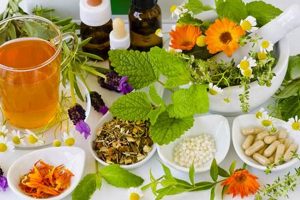
The practice involves combusting and inhaling various dried plants, excluding tobacco or cannabis. These plants often possess aromatic or purported medicinal properties, and have been employed in diverse cultural and traditional practices. An example includes using dried lavender for its relaxing scent or smoking mullein for its potential respiratory benefits.
This method holds significance in certain cultures for relaxation, spiritual rituals, or as a cessation aid for nicotine dependency. Historically, various societies have utilized specific plants for their perceived therapeutic effects, ranging from easing anxiety to alleviating minor ailments. This tradition highlights the enduring human interest in harnessing nature for well-being.
The following sections will delve deeper into the specific types of plants used, potential health considerations, the legality surrounding the practice, and its varied applications across different contexts.
Guidance on Herbal Inhalation
The following are considerations for those engaging in the practice. Prioritize safety and be mindful of potential health implications.
Tip 1: Plant Identification is Paramount: Ensure accurate identification of all plants intended for inhalation. Ingesting or inhaling the smoke of misidentified or toxic plants can result in serious health consequences.
Tip 2: Research Potential Effects: Thoroughly research the specific properties and potential side effects of each herb before use. Understand the expected physiological and psychological effects, as well as any potential interactions with existing medications or health conditions.
Tip 3: Start with Small Quantities: Begin with minimal amounts of the selected herb to gauge individual sensitivity and tolerance. Gradually increase the quantity only if no adverse reactions occur.
Tip 4: Employ Proper Combustion Techniques: Utilize appropriate smoking devices and techniques to ensure complete combustion of the herb, minimizing the production of harmful byproducts. Avoid overheating or charring the material.
Tip 5: Be Mindful of Airway Sensitivity: Individuals with pre-existing respiratory conditions such as asthma or COPD should exercise extreme caution. Discontinue use immediately if any signs of respiratory irritation, such as coughing, wheezing, or shortness of breath, develop.
Tip 6: Consider Sourcing and Quality: Obtain herbs from reputable suppliers known for quality control and proper harvesting practices. Avoid sources with questionable origins or indications of contamination.
Tip 7: Be Aware of Legal Ramifications: Understand and comply with all local and regional regulations regarding the possession and use of specific herbs. Some plants may be legally restricted or prohibited.
Adhering to these guidelines can assist in mitigating potential risks and promoting a more informed approach. Remember, any form of smoke inhalation carries potential health risks.
The following section will address the legal landscape and offer insights into the ethical considerations surrounding this practice.
1. Botanical Composition

The efficacy and potential risks associated with herbal smoking are directly determined by its botanical composition. The specific chemical constituents present within the plant material, when combusted and inhaled, elicit a range of physiological responses. For instance, herbs containing volatile oils like menthol (found in peppermint) may offer a perceived cooling sensation and temporary relief from nasal congestion. Conversely, plants containing high concentrations of irritating compounds could induce coughing or bronchospasm.
Understanding the botanical composition allows for informed selection and mitigates potential adverse reactions. A plant’s inherent chemical profile dictates its potential benefits and drawbacks. Consider lobelia, traditionally used for respiratory support; its active compound, lobeline, can act as a respiratory stimulant, but also possesses emetic properties at higher doses. Precise knowledge of its composition is therefore vital for safe and effective use. This highlights the significance of sourcing herbs from reputable suppliers with verifiable botanical identification.
In summary, botanical composition is not merely a descriptive detail but the foundational determinant of an herbal smoking experience. The careful consideration and analysis of plant constituents are paramount for responsible and informed practice. Challenges exist in ensuring accurate identification and consistent chemical profiles across different plant batches, necessitating rigorous quality control measures. This understanding ultimately links to the broader theme of promoting safer and more informed herbal practices.
2. Combustion Byproducts

Combustion byproducts represent a critical consideration when assessing the safety profile of any form of smoking, including that of herbal materials. The incomplete burning process generates a complex mixture of substances, many of which pose potential health risks irrespective of the plant material being combusted.
- Particulate Matter (PM)
Particulate matter consists of microscopic solid and liquid particles suspended in the air. Inhaled PM can penetrate deep into the respiratory system, potentially causing inflammation, exacerbating respiratory conditions, and contributing to cardiovascular problems. The size and composition of PM influence its toxicity, with smaller particles generally posing a greater risk. Studies have shown that smoke, regardless of its source, generates significant levels of PM.
- Carbon Monoxide (CO)
Carbon monoxide is a colorless, odorless gas produced during incomplete combustion. It binds to hemoglobin in red blood cells, reducing the blood’s ability to carry oxygen. Even low levels of CO exposure can cause headaches, dizziness, and nausea. Higher concentrations can lead to unconsciousness and death. The production of CO is inherent in the combustion process, regardless of the smoked substance.
- Polycyclic Aromatic Hydrocarbons (PAHs)
Polycyclic aromatic hydrocarbons are a class of organic compounds formed during the incomplete combustion of organic materials. Many PAHs are known carcinogens. Exposure to PAHs through inhalation has been linked to an increased risk of lung cancer and other respiratory illnesses. The formation of PAHs is dependent on combustion temperature and oxygen availability, factors that can vary depending on the smoking method.
- Volatile Organic Compounds (VOCs)
Volatile organic compounds are emitted as gases from various solids or liquids, including those produced during combustion. Some VOCs are irritants and can cause respiratory problems, headaches, and nausea. Long-term exposure to certain VOCs has been linked to more serious health effects. The specific VOCs produced depend on the composition of the material being burned and the conditions of combustion.
These combustion byproducts are generated regardless of whether tobacco, cannabis, or other herbal materials are smoked. While the specific composition and concentrations of these byproducts may vary depending on the plant material, the fundamental health risks associated with smoke inhalation remain. Therefore, the potential hazards linked to combustion byproducts warrant careful consideration and underscore the importance of harm reduction strategies.
3. Traditional Applications

The historical context of burning and inhaling dried plants is rooted in diverse cultural practices, spanning millennia. These practices, often intertwined with spiritual, medicinal, or ceremonial purposes, represent the genesis of what is now termed herbal inhalation. Examining these applications reveals a cause-and-effect relationship, where perceived therapeutic benefits or ritualistic significance drove the adoption and perpetuation of the practice. Its importance lies in understanding the origins of this method, recognizing that modern usage often draws upon or adapts these established traditions. For example, indigenous cultures in North America traditionally smoked kinnikinnick, a blend of herbs including bearberry and willow bark, during peace ceremonies to foster unity and communication. Similarly, in ancient Ayurvedic medicine, the burning of specific herbs like frankincense was believed to purify the air and promote mental clarity.
The practical significance of this understanding stems from the need to approach herbal inhalation with respect for its historical context and potential cultural sensitivities. Ignoring this history risks misinterpreting the intended purpose and potentially misapplying the practice. For instance, the use of certain herbs may be restricted to specific ceremonial contexts, and indiscriminate use could be viewed as disrespectful or culturally insensitive. Furthermore, knowledge of traditional preparations and methods can inform safer and more effective modern practices. Some traditional smoking blends may have incorporated specific techniques to minimize the inhalation of harmful combustion byproducts, a concept that remains relevant today.
In conclusion, traditional applications are not merely historical curiosities but integral components of herbal inhalation. Their study provides valuable insights into the motivations, methods, and potential risks associated with the practice. Acknowledging this historical context is crucial for promoting responsible and informed usage, respecting cultural traditions, and mitigating potential harm. While modern research may validate or refute the efficacy of certain traditional practices, the foundational role of these traditions in shaping the understanding of burning and inhaling plants remains undeniable.
4. Legal Restrictions

The legal landscape surrounding herbal smoking is complex and varies significantly depending on geographic location and the specific plants involved. The legality of possessing, selling, or using dried plants for inhalation hinges on several factors, including their psychoactive properties, purported medicinal uses, and potential for abuse.
- Controlled Substances Analogues
Many jurisdictions have laws prohibiting the possession or sale of substances that are structurally or pharmacologically similar to controlled drugs, even if those substances are not explicitly listed as illegal. If a particular herb is found to have effects similar to those of a controlled substance, it may be subject to legal restrictions, even if the herb itself is not directly prohibited. Synthetic cannabinoids are a prime example of this; similar regulations may apply to herbs with reported psychoactive effects. This impacts the availability and use of certain traditionally smoked herbs.
- Health and Safety Regulations
Some countries and regions have implemented regulations concerning the sale and distribution of herbal products, including those intended for smoking. These regulations may require specific labeling requirements, warnings about potential health risks, or pre-market approval. Failure to comply with these regulations can result in fines, product recalls, or even criminal charges. The sale of products claiming health benefits without scientific evidence may be subject to additional scrutiny. This affects businesses involved in the distribution of herbs for inhalation.
- Import and Export Restrictions
The import and export of certain plants may be restricted or prohibited due to concerns about invasive species, agricultural pests, or conservation efforts. International treaties, such as the Convention on International Trade in Endangered Species (CITES), regulate the trade of certain plants and plant products. Importing or exporting herbs without the proper permits can result in seizure of the goods, fines, or legal action. This directly influences the availability of certain exotic or rare herbs used in smoking blends.
- Age Restrictions
Similar to tobacco products, some regions may impose age restrictions on the purchase of smoking-related products, including pipes, rolling papers, and even the herbs themselves. These restrictions are typically aimed at preventing underage use and protecting public health. Enforcement of these age restrictions can vary, and businesses that sell these products may be required to verify the age of their customers. This limits access for younger individuals and affects retail sales.
In summary, the legal restrictions surrounding herbal smoking encompass a wide range of considerations, from the chemical composition of the plants to their potential impact on public health and safety. Navigating this complex regulatory landscape requires careful attention to local laws and regulations. This dynamic situation calls for consistent review and analysis by all involved parties to adhere to legal frameworks.
5. Health Implications
The health implications of burning and inhaling dried plants are multifaceted, demanding careful consideration due to the inherent risks associated with smoke inhalation and the varying chemical compositions of different plants. Potential consequences span from acute respiratory irritation to long-term systemic effects.
- Respiratory Irritation and Damage
Inhaling smoke, regardless of its source, introduces particulate matter and irritant compounds into the respiratory system. This can lead to inflammation of the airways, coughing, wheezing, and exacerbation of pre-existing conditions like asthma or chronic obstructive pulmonary disease (COPD). Chronic exposure can contribute to the development of chronic bronchitis or reduced lung function. Examples include individuals experiencing immediate coughing fits after inhaling strongly scented herbs, or long-term smokers developing chronic respiratory symptoms.
- Cardiovascular Effects
The combustion of organic materials generates carbon monoxide, a gas that reduces the blood’s oxygen-carrying capacity. This can strain the cardiovascular system, potentially increasing heart rate and blood pressure. Prolonged exposure to carbon monoxide can contribute to the development of cardiovascular disease, particularly in individuals with pre-existing heart conditions. Studies of tobacco smokers, while not directly transferable, demonstrate the potential cardiovascular harm from inhaled carbon monoxide.
- Potential Carcinogenic Risks
The burning process generates polycyclic aromatic hydrocarbons (PAHs), some of which are known carcinogens. Exposure to PAHs through inhalation has been linked to an increased risk of lung cancer and other respiratory cancers. The specific PAH profile may vary depending on the plant material being combusted, but the fundamental carcinogenic risk remains. Research on tobacco smoke provides a strong basis for understanding the potential carcinogenic effects of inhaled combustion byproducts.
- Interactions with Medications and Pre-existing Conditions
Certain herbs contain active compounds that can interact with prescription medications or exacerbate existing health conditions. For example, an herb with blood-thinning properties could increase the risk of bleeding in individuals taking anticoagulant medications. The potential for such interactions necessitates careful consideration and consultation with a healthcare professional, particularly for individuals with pre-existing health issues or those taking medications. This underscores the importance of full disclosure of herbal usage to medical practitioners.
These health implications highlight the inherent risks associated with herbal inhalation, despite the potential for perceived benefits. The potential hazards associated with smoke inhalation cannot be completely eliminated, necessitating a harm-reduction approach that prioritizes informed decision-making and careful consideration of individual risk factors. While some cultures traditionally utilized herbal inhalation for therapeutic purposes, modern scientific research emphasizes the need for a balanced assessment of potential benefits versus demonstrable harms. It is crucial to avoid the assumption that herbal means safe, and to proceed with caution and due diligence.
Frequently Asked Questions Regarding Herbal Smoking
The following addresses common inquiries concerning the practice, potential risks, and legal considerations.
Question 1: Is the burning and inhaling of dried plants safer than smoking tobacco?
Smoke inhalation, regardless of the source, introduces harmful substances into the respiratory system. While specific herbal compositions may vary, the combustion process itself generates carcinogenic compounds and particulate matter, presenting potential risks to lung health.
Question 2: Are there any health benefits to herbal smoking?
Some plant materials contain compounds that may offer temporary relief from certain symptoms, such as relaxation or respiratory decongestion. However, the act of smoking introduces harmful byproducts. Any potential benefits must be weighed against the inherent risks of smoke inhalation.
Question 3: Is herbal smoking addictive?
While dried plants lack nicotine, the ritualistic behavior associated with smoking can be psychologically habit-forming. Furthermore, if additives are present, those additives can potentially be addictive depending on their composition.
Question 4: Is the burning and inhaling of dried plants legal?
Legality varies significantly depending on the specific plants involved and the jurisdiction. Some plants may be restricted or prohibited due to their psychoactive properties or potential for abuse. It is crucial to verify local regulations before possessing or using any dried plants.
Question 5: Can herbal smoking be used as a cessation aid for nicotine addiction?
While some individuals attempt to use dried plants to replace tobacco, this practice does not address the underlying nicotine addiction and may perpetuate the harmful habit of smoke inhalation. Evidence supporting the effectiveness of this approach is limited, and safer, evidence-based cessation methods are available.
Question 6: What precautions should be taken?
If one chooses to engage in this practice, source materials from reputable suppliers, ensure accurate plant identification, start with small quantities, and be mindful of potential respiratory irritation. Consult with a healthcare professional, particularly if pre-existing health conditions are present.
The answers provided are for informational purposes only and do not constitute medical or legal advice.
The following section explores harm reduction strategies for those who choose to partake.
Herbal Smoking
This exploration has illuminated the diverse facets of burning and inhaling dried plants. From its historical roots and varying legal landscapes to the inherent health implications of smoke inhalation, the practice presents a complex interplay of factors. Careful consideration of botanical composition, potential combustion byproducts, and individual risk factors remains paramount.
Informed decision-making is critical. Individuals should seek credible information, consult with healthcare professionals when necessary, and prioritize harm reduction strategies if choosing to engage in this practice. Further research into the long-term health effects and potential therapeutic applications is warranted, ensuring evidence-based perspectives guide future understanding.