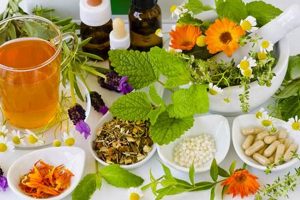
A blend of various dried herbs, often excluding tobacco and cannabis, intended for inhalation via smoking. These mixtures commonly incorporate ingredients like mullein, skullcap, and passionflower, chosen for their purported mild psychoactive or relaxing effects. Unlike traditional smoking products, these formulations aim to provide an alternative that sidesteps nicotine and its associated addictive properties.
The appeal of these herbal blends stems from a desire for a calming or mood-altering experience without the harshness or addictive potential of tobacco. Historically, different cultures have utilized diverse herbs for ceremonial and recreational smoking practices. The modern interest in these mixes reflects a broader trend towards natural and potentially less harmful alternatives for stress relief and social rituals. They are viewed by some as tools for smoking cessation or as pathways to mindful relaxation.
Further exploration into the composition, potential effects, regulatory status, and consumer considerations surrounding these alternatives is warranted. This will allow for a comprehensive understanding of their role in the contemporary landscape of smoking products and their impact on individual well-being and public health.
Considerations for Herbal Smoking Blends
This section outlines important aspects to consider before and during the use of herbal smoking mixtures. Prudence and informed decision-making are paramount.
Tip 1: Research Ingredients Thoroughly: Prior to use, conduct extensive research on each herb included in the blend. Investigate potential allergens, contraindications with existing medications, and known side effects. Reputable sources, such as botanical databases and medical journals, should be consulted.
Tip 2: Start with Small Quantities: When initiating use of a novel herbal blend, begin with a minimal amount. This allows for the assessment of individual sensitivity and reduces the likelihood of adverse reactions. Gradual incremental increases in dosage, if desired, are advised.
Tip 3: Be Aware of Potential Interactions: Herbal constituents can interact with pharmaceutical drugs or other substances. Individuals taking prescription medications should consult a healthcare professional before using herbal smoking mixtures to identify and mitigate potential risks.
Tip 4: Utilize Proper Smoking Technique: Combustion of any material produces harmful byproducts. Employ techniques that minimize smoke inhalation, such as using filters or vaporizing the blend at a lower temperature, to reduce exposure to toxins.
Tip 5: Monitor for Adverse Reactions: Closely observe for any adverse reactions following inhalation. Symptoms such as respiratory irritation, dizziness, nausea, or allergic reactions warrant immediate cessation of use and, if severe, medical attention.
Tip 6: Source Blends from Reputable Suppliers: Purchase herbal smoking mixtures from established and reputable suppliers. This helps ensure product quality, accurate ingredient labeling, and minimized risk of contamination with adulterants or harmful substances.
Tip 7: Legal and Regulatory Awareness: Be aware of the legal and regulatory status of herbal smoking mixtures in the relevant jurisdiction. Some ingredients may be restricted or prohibited, and non-compliance can result in legal consequences.
These considerations highlight the importance of responsible use and thorough understanding when engaging with herbal smoking blends. Informed choices minimize potential risks and promote safe practices.
The following sections will delve deeper into specific herbal constituents and their potential effects, providing further insight into informed decision-making regarding herbal smoking mixtures.
1. Composition

The composition of an herbal smoking mix directly dictates its effects, safety profile, and intended purpose. The specific herbs included, their ratios, and the presence of any additives determine the aroma, flavor, and potential psychoactive or physiological responses experienced upon inhalation. For example, a blend predominantly composed of mullein, known for its soothing properties on the respiratory system, will likely offer a smoother smoking experience compared to a mix containing a higher proportion of stimulating herbs like kola nut.
Understanding the composition is critical for several reasons. First, it allows consumers to make informed choices based on their desired effects and sensitivities. Individuals seeking relaxation might opt for blends containing lavender or chamomile, while those desiring a mild energy boost might choose mixes with damiana or ginseng. Second, it enables the identification of potential allergens or contraindicated ingredients. A person with ragweed allergies, for instance, should avoid blends containing related herbs like echinacea. Third, it facilitates the assessment of potential health risks associated with long-term use. The inclusion of certain herbs, even in small quantities, might pose concerns for individuals with pre-existing medical conditions.
In summary, the composition of an herbal smoking mix is paramount to its character and impact. Careful consideration of the individual herbs, their interactions, and potential effects is essential for responsible and informed consumption. Furthermore, transparency in ingredient labeling and sourcing from reputable suppliers are crucial for ensuring product safety and efficacy. Lack of attention to composition could lead to unintended consequences, underscoring its practical significance for both consumers and manufacturers.
2. Legality
The legal status of herbal smoking mixtures is a complex and geographically variable issue. While many individual herbs are legal to possess and consume, the act of combining them into a smoking product can trigger scrutiny and potential regulatory action. The primary concern revolves around the intent of the product; if marketed as a tobacco or cannabis substitute, it may be subject to existing laws governing those substances. For instance, in jurisdictions with stringent tobacco regulations, herbal smoking blends could face similar restrictions on sales, advertising, and taxation. Similarly, if a blend contains herbs with psychoactive properties, even if legal on their own, their combined effect might lead to classification as a controlled substance analogue, as has been seen with synthetic cannabinoids marketed as “herbal incense”. The absence of standardized regulations specifically addressing herbal smoking blends creates ambiguity and challenges for manufacturers and consumers alike.
The practical significance of understanding the legal landscape is paramount. Unintentional violation of local or national laws can result in fines, confiscation of products, and even criminal charges. Consumers should thoroughly research the legality of specific ingredients and the finished product in their area before purchase or use. Manufacturers, distributors, and retailers bear the responsibility of ensuring compliance with all applicable regulations, including accurate labeling, age verification, and adherence to restrictions on marketing and distribution. The proliferation of online sales further complicates the matter, as products may be shipped across borders with differing legal frameworks. A key challenge lies in the lack of clear definitions and regulatory oversight, which necessitates a proactive and informed approach from all stakeholders.
In conclusion, the legality of herbal smoking mixtures is a dynamic and context-dependent issue. It is not sufficient to assume that because individual ingredients are legal, the final product is also permissible. Consumers must exercise due diligence, and businesses must prioritize legal compliance to avoid potential repercussions. The need for greater clarity and regulatory harmonization in this area is evident, as the current patchwork of laws creates confusion and hinders the development of a transparent and responsible market for herbal smoking alternatives. The continued evolution of legislation in this domain necessitates ongoing monitoring and adaptation.
3. Preparation

Preparation is a crucial determinant in the overall experience and potential safety of utilizing an herbal smoking mix. The method of preparation influences the release of desired compounds, mitigates risks associated with combustion, and impacts the user’s subjective experience.
- Herb Selection and Curing
The choice of herbs and their subsequent curing process directly affect the mix’s flavor profile and potency. Properly dried and cured herbs combust more evenly and release their aromatic compounds effectively. Insufficiently dried material may result in harsh smoke and incomplete combustion, potentially increasing the inhalation of harmful byproducts. For example, properly dried mullein provides a smooth base, while uncured damiana can be excessively bitter.
- Grinding and Blending
Uniform grinding ensures consistent particle size, promoting even burning throughout the mix. A well-blended mixture distributes the individual herbs’ effects and flavors evenly, preventing concentrated “hot spots” or uneven combustion. This step is essential for achieving a balanced and predictable smoking experience. A coarse grind might burn too quickly, while a fine grind might impede airflow.
- Rolling or Packing Techniques
The manner in which the herbal mix is rolled into a cigarette or packed into a pipe affects airflow and combustion. Overly tight packing restricts airflow, leading to incomplete combustion and harsh smoke. Conversely, loosely packed material may burn too quickly and unevenly. The ideal technique strikes a balance, allowing for smooth, consistent airflow and even burning. The skill level of the user significantly influences this step.
- Combustion Method and Temperature Control
Different combustion methods, such as using a lighter, hemp wick, or vaporizer, influence the temperature at which the herbal mix is heated. Lower temperatures, as achieved with vaporizers, can volatilize desirable compounds while minimizing the production of harmful combustion byproducts. The choice of method significantly impacts the overall health risks associated with inhaling the mixture. Direct flame combustion generally produces higher temperatures and greater levels of harmful substances compared to vaporization.
The intricacies of preparation highlight its importance in ensuring a safe and enjoyable experience with herbal smoking mixes. Attention to herb selection, grinding, packing, and combustion method minimizes risks and optimizes the desired effects. Neglecting proper preparation can compromise the flavor, potency, and safety of the inhaled product, underscoring its significance for both novice and experienced users. Experimentation and refinement of techniques often lead to improved results and a more satisfying experience.
4. Sensations

The sensations derived from inhaling an herbal smoking mix represent the primary motivation for its use, encompassing a range of physiological and psychological effects. These sensations vary widely depending on the blend’s composition, individual user sensitivity, and the method of combustion.
- Taste and Aroma
The initial sensory experience is dominated by taste and aroma. Different herbs contribute unique flavors and scents, ranging from earthy and floral to spicy and sweet. The taste is influenced by the herb’s volatile compounds and the degree of combustion, while the aroma stimulates olfactory receptors, impacting mood and perceived relaxation. For example, lavender imparts a floral aroma, while peppermint offers a cooling sensation. The interplay between taste and aroma is a key factor in the overall appeal of a particular blend.
- Respiratory Effects
Inhaling herbal smoke inevitably affects the respiratory system. Some herbs, such as mullein, are traditionally used to soothe irritated airways and ease breathing. Conversely, other herbs or poorly prepared mixtures can cause coughing, throat irritation, or shortness of breath. The density and temperature of the smoke, as well as the presence of particulate matter, contribute to these respiratory effects. Users with pre-existing respiratory conditions should exercise caution and consult a healthcare professional before using any herbal smoking mix.
- Psychoactive and Physiological Effects
Certain herbs contain compounds that exert mild psychoactive or physiological effects. For example, damiana is believed to have mild euphoric and aphrodisiac properties, while passionflower may promote relaxation and reduce anxiety. These effects are typically subtle compared to those of cannabis or nicotine-containing substances. However, individual responses can vary significantly, and the synergistic interactions between different herbs can amplify or modify these effects. These sensations are often the primary reason users seek out these products.
- Tactile and Somatic Sensations
In addition to taste, aroma, and internal effects, users may experience tactile and somatic sensations. These can include a warming or cooling sensation in the throat, a feeling of lightness or relaxation in the body, or a subtle alteration in sensory perception. These sensations are often attributed to the combined effects of the inhaled compounds on the nervous system and the user’s expectations. The placebo effect can also play a significant role in shaping these tactile and somatic experiences.
The diverse range of sensations associated with herbal smoking mixes underscores the complexity of their effects. While taste and aroma provide the initial sensory input, respiratory, psychoactive, physiological, and tactile experiences contribute to the overall user experience. The interplay between these sensations and the individual’s unique physiology and expectations determines the perceived value and impact of the herbal smoking mix, emphasizing the need for careful consideration and responsible usage.
5. Alternatives

The concept of “alternatives” is intrinsically linked to herbal smoking mixtures. These mixtures are frequently considered as alternatives to traditional tobacco or cannabis products, driven by desires to avoid nicotine, reduce harm, or explore different sensory experiences. The evaluation of alternatives necessitates a comparative analysis of benefits, risks, and intended outcomes.
- Vaporization of Dry Herbs
Vaporization offers an alternative method of consumption by heating herbs to a temperature that releases their active compounds without combustion. This process significantly reduces the inhalation of harmful byproducts associated with burning, such as tar and carbon monoxide. Devices designed for dry herb vaporization are available, allowing users to experience the flavors and effects of herbal mixtures in a potentially safer manner. This method also often preserves more of the herbs’ beneficial compounds that would otherwise be destroyed through burning.
- Nicotine-Free E-Liquids
E-liquids without nicotine provide another alternative for individuals seeking to transition away from traditional cigarettes. While these products typically contain artificial flavorings and propylene glycol or vegetable glycerin, they eliminate the addictive substance found in tobacco. Some users may find these e-liquids a suitable substitute for the ritual of smoking without the physiological effects of nicotine. The long-term health effects of e-liquid inhalation remain a subject of ongoing research.
- Herbal Teas and Infusions
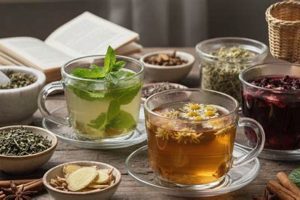
Many of the herbs found in smoking mixtures can also be consumed as teas or infusions. This method of ingestion avoids the risks associated with inhalation and allows for a slower, more sustained release of the herbs’ active compounds. Herbal teas can provide similar relaxing, mood-enhancing, or energizing effects as their smoked counterparts, albeit with a different onset and duration. The preparation and consumption of herbal teas offer a traditional and potentially healthier alternative.
- Mindfulness and Meditation Practices
For some individuals, the act of smoking is associated with stress relief or relaxation. Mindfulness and meditation practices can offer alternative methods for achieving these same benefits without the need for any substance. Techniques such as deep breathing, progressive muscle relaxation, and guided imagery can help reduce anxiety, improve focus, and promote a sense of well-being. These practices provide a sustainable and non-harmful approach to managing stress and cultivating inner peace.
The selection of an alternative to herbal smoking mixtures depends on individual preferences, motivations, and desired outcomes. Each option presents a unique set of advantages and disadvantages, requiring careful consideration and informed decision-making. Exploring these alternatives can empower individuals to make choices that align with their health goals and overall well-being. The consideration of alternatives necessitates a complete understanding of what a product offers compared to herbal smoking mixes.
6. Potential risks

The use of herbal smoking mixes, while often perceived as a healthier alternative to tobacco or cannabis, is not without potential risks. These risks encompass a range of considerations, from the inherent dangers of inhaling combusted material to the specific properties of the herbs themselves. Comprehensive understanding of these potential hazards is essential for informed decision-making.
- Respiratory Irritation and Damage
Combustion of any organic material produces particulate matter and noxious gases that can irritate the respiratory system. Prolonged or frequent inhalation of herbal smoke may lead to chronic bronchitis, reduced lung function, and an increased risk of respiratory infections. Even herbs with purported soothing properties can cause irritation when burned. Individuals with pre-existing respiratory conditions, such as asthma or COPD, are particularly vulnerable to these adverse effects. The degree of irritation depends on the specific herbs, the combustion temperature, and the frequency of use.
- Carcinogenic Compounds
While herbal smoking mixes may not contain nicotine, the combustion process itself generates carcinogenic compounds, such as polycyclic aromatic hydrocarbons (PAHs) and volatile organic compounds (VOCs). These substances are known to contribute to the development of various cancers, including lung, throat, and oral cancers. The concentration of these compounds varies depending on the herbs used and the method of combustion, but the risk of exposure remains a significant concern, especially with long-term use.
- Allergic Reactions and Sensitivities
Herbal smoking mixes contain a variety of plant materials, some of which can trigger allergic reactions or sensitivities in susceptible individuals. Symptoms can range from mild skin rashes and itching to severe respiratory distress and anaphylaxis. Individuals with known allergies to specific plants or pollen should exercise extreme caution when using herbal smoking mixes and carefully review the ingredient list. Even previously tolerated herbs can cause sensitization with repeated exposure.
- Drug Interactions and Contraindications
Certain herbs can interact with pharmaceutical medications or exacerbate existing medical conditions. For example, St. John’s Wort, a common ingredient in some herbal mixes, can interfere with the effectiveness of certain antidepressants and blood thinners. Individuals taking prescription medications should consult with a healthcare professional before using herbal smoking mixes to assess potential drug interactions and contraindications. Failure to do so can lead to serious health complications.
These potential risks highlight the importance of a cautious and informed approach to herbal smoking mixes. While they may offer certain perceived benefits, the inherent dangers of combustion and the potential for adverse reactions cannot be ignored. Individuals should weigh the potential risks against the perceived benefits and consider alternative methods of consumption, such as vaporization or herbal teas, to minimize harm. The absence of comprehensive regulation and research further underscores the need for individual responsibility and careful decision-making when considering the use of these products. The perceived “natural” origin of these mixtures does not negate their potential for causing harm.
Frequently Asked Questions About Herbal Smoking Mix
The following addresses common inquiries regarding herbal smoking mixtures. The information provided is intended for informational purposes only and does not constitute medical advice. Consultation with a healthcare professional is recommended before using any herbal product, especially if pregnant, nursing, or taking medications.
Question 1: Is herbal smoking mix safe?
The safety of herbal smoking mix is a nuanced consideration. While often marketed as a healthier alternative to tobacco, it is not without risks. Combustion of any plant material produces harmful byproducts, including carcinogens and respiratory irritants. The specific herbs used can also pose risks, such as allergic reactions, drug interactions, and potential toxicity. Therefore, the term “safe” is not entirely accurate. A harm-reduction approach, emphasizing informed choices and responsible usage, is more appropriate.
Question 2: Does herbal smoking mix contain nicotine?
Reputable herbal smoking mixes are explicitly formulated to be nicotine-free. The intention is to provide an alternative to tobacco products and avoid nicotine’s addictive properties. However, it is imperative to carefully review the ingredient list of any product to ensure it does not contain tobacco or nicotine derivatives. Unscrupulous manufacturers may attempt to conceal such ingredients.
Question 3: Can herbal smoking mix help quit smoking?
The efficacy of herbal smoking mix as a smoking cessation aid is not definitively established. While it may provide a psychological substitute for the habit of smoking, it does not address the physiological addiction to nicotine. Some individuals may find it helpful as part of a broader smoking cessation strategy, but it should not be considered a standalone solution. Professional guidance and evidence-based therapies are recommended for successful smoking cessation.
Question 4: Is herbal smoking mix legal?
The legality of herbal smoking mix varies significantly depending on jurisdiction. Many individual herbs are legal to possess and consume, but the combination of these herbs into a smoking product may be subject to specific regulations. Some regions may restrict the sale or use of herbal smoking mixes if they are marketed as tobacco or cannabis substitutes. It is essential to research and comply with the laws in the relevant location.
Question 5: What are the potential side effects of herbal smoking mix?
Potential side effects of herbal smoking mix can include respiratory irritation, coughing, allergic reactions, headaches, dizziness, and drug interactions. The specific side effects depend on the individual’s sensitivity to the herbs used and the method of combustion. Individuals with pre-existing health conditions or allergies should exercise caution and consult with a healthcare professional before using herbal smoking mixes.
Question 6: How should herbal smoking mix be used responsibly?
Responsible use of herbal smoking mix involves several key considerations. These include researching the ingredients, starting with small quantities, avoiding use if pregnant or nursing, consulting with a healthcare professional if taking medications, and purchasing products from reputable sources. Additionally, minimizing smoke inhalation through techniques such as using filters or vaporizers is advisable. Awareness of the legal status of the product in the relevant jurisdiction is also crucial.
In summary, while herbal smoking mix may offer some perceived benefits, it is essential to approach its use with caution and a thorough understanding of the potential risks and legal considerations. Responsible usage and informed decision-making are paramount.
The following section explores user experiences and anecdotal accounts related to herbal smoking mixes.
Conclusion
The examination of herbal smoking mix reveals a multifaceted product category with potential benefits and inherent risks. The composition dictates the sensory experience, while legal frameworks influence accessibility. Careful preparation techniques can mitigate some health concerns associated with combustion, and exploring alternative methods of consumption can further reduce potential harm. Individual users must weigh the desired sensations against the potential for adverse effects and ensure compliance with relevant regulations.
The evolving landscape of herbal smoking mix necessitates continued research, transparent labeling practices, and informed consumer choices. The long-term health effects of inhaling combusted plant matter, regardless of the source, remain a significant consideration. Further investigation into the efficacy of these mixtures as smoking cessation aids and the development of standardized safety guidelines are warranted. The ultimate responsibility for safe and responsible use rests with the individual.