Natural remedies derived from plants, formulated to potentially aid in the regulation of hypertension, constitute a category of products increasingly sought by individuals seeking alternative approaches to blood pressure management. These preparations may include extracts, powders, or other processed forms of various botanicals believed to possess hypotensive properties.
The appeal of plant-based interventions for cardiovascular health stems from a confluence of factors. Historical use in traditional medicine systems, coupled with a perception of gentler side effects compared to conventional pharmaceuticals, contributes to their popularity. Furthermore, some studies suggest that certain botanical compounds may contribute to vasodilation, reduce inflammation, or possess other mechanisms that favorably influence blood pressure. The incorporation of such supplements into a holistic wellness strategy is often seen as a proactive step towards maintaining cardiovascular well-being.
The subsequent sections will explore specific botanical options, their purported mechanisms of action, available scientific evidence regarding their efficacy, and important considerations related to their safety and potential interactions with conventional medications. An objective assessment of the current state of knowledge surrounding these remedies is crucial for informed decision-making.
Guidance on Plant-Based Adjuncts for Blood Pressure Modulation
The following points provide insight into the appropriate consideration of botanical preparations as part of a comprehensive hypertension management strategy. It is essential to remember that self-treating hypertension can be dangerous, and these tips are not a replacement for medical advice from a qualified healthcare professional.
Tip 1: Engage in Dialogue with a Healthcare Provider: Prior to introducing any new supplement, a thorough discussion with a physician is paramount. This ensures potential interactions with existing medications are identified and that the chosen remedy is suitable for the individual’s specific health profile. The healthcare provider can assess the suitability and appropriateness for a given situation.
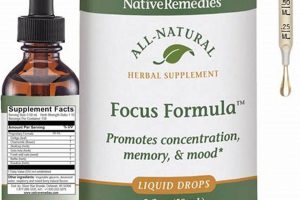
Tip 2: Research Reputable Brands and Products: Quality and purity vary significantly among manufacturers. Independent testing and certifications, such as those from USP, NSF International, or ConsumerLab.com, can provide some assurance of product content and quality. Researching brands and products can help patients make informed decisions.
Tip 3: Adhere to Recommended Dosages: Exceeding the suggested dose does not necessarily enhance effectiveness and may increase the risk of adverse effects. Commence with the lowest recommended dose and gradually increase, as tolerated, while closely monitoring blood pressure and any potential side effects. Adhering to recommended dosages is important for minimizing risk.
Tip 4: Maintain Consistent Blood Pressure Monitoring: Regular monitoring of blood pressure, both at home and during medical appointments, is essential for evaluating the effectiveness of the supplement and for detecting any potential adverse reactions. Accurate data collection is crucial for informed treatment adjustments. Consistent monitoring is essential for evaluating any changes.
Tip 5: Recognize Potential Interactions: Many botanical compounds can interact with conventional medications, including blood thinners, diuretics, and other antihypertensive drugs. A thorough understanding of these potential interactions is crucial for preventing adverse events. Understanding potential interactions is crucial.
Tip 6: Adopt a Holistic Approach to Cardiovascular Health: Plant-derived remedies should be viewed as complementary to, rather than a replacement for, established lifestyle modifications, such as dietary changes, regular exercise, and stress management techniques. Employing a well-rounded strategy is recommended.
Tip 7: Acknowledge the Limitations of Evidence: The scientific evidence supporting the efficacy of many botanical remedies for hypertension is often limited or inconclusive. Critical evaluation of available research is essential before incorporating these supplements into a treatment regimen. A critical evaluation of botanical remedies is necessary.
Tip 8: Consider Duration of Use: Some plant-derived remedies may not be intended for long-term use. Consulting with a healthcare provider regarding the appropriate duration of treatment is crucial for minimizing potential risks. The duration of plant-derived treatment should be considered.
Effective blood pressure management often requires a multi-faceted approach. While certain natural substances may offer potential benefits, they must be implemented judiciously, and in consultation with qualified healthcare providers, within the context of a broader strategy encompassing lifestyle and, when necessary, pharmaceutical interventions.
The following section will delve into potential risks and side effects related to this subject.
1. Efficacy evidence variability

The inconsistent and often limited scientific support surrounding the effectiveness of various plant-derived preparations presents a significant challenge in the context of hypertension management. This variability demands careful scrutiny of the available data and a cautious approach to their use.
- Study Design Heterogeneity
Research evaluating the hypotensive effects of botanicals often employs diverse methodologies, including variations in dosage, duration of treatment, patient populations, and control groups. This lack of standardization complicates the comparison of results across studies and hinders the ability to draw definitive conclusions regarding efficacy. For instance, one study may use a high dose of a particular extract in a small group of otherwise healthy individuals, while another may test a lower dose in a larger cohort with pre-existing conditions. Such disparities introduce confounding variables that impede the establishment of clear efficacy profiles.
- Publication Bias
A tendency for studies with positive results to be more readily published than those with negative or inconclusive findings can create a skewed perception of efficacy. This phenomenon, known as publication bias, can lead to an overestimation of the true effectiveness of plant-derived remedies and may mislead both healthcare providers and individuals seeking alternative treatments. Comprehensive reviews that include unpublished data, such as grey literature, are crucial for mitigating this bias and obtaining a more balanced understanding of the available evidence.
- Variability in Product Composition
The chemical composition of botanical preparations can vary significantly depending on factors such as plant species, cultivation methods, harvesting techniques, and extraction processes. This variability can lead to inconsistencies in the concentration of active compounds, making it difficult to determine the optimal dosage and predict the therapeutic effects. For example, two different brands of the same plant extract may contain vastly different levels of the purported active constituents, leading to inconsistent outcomes and challenges in replicating research findings.
- Placebo Effects and Lifestyle Confounders
The perception of benefit from plant-derived interventions can be influenced by placebo effects, wherein individuals experience improvements in their condition simply due to the belief that the treatment is effective. Furthermore, individuals who use these substances may also adopt other health-promoting behaviors, such as dietary changes or increased physical activity, making it challenging to isolate the specific contribution of the botanical preparation to blood pressure reduction. Well-designed, placebo-controlled trials that account for these potential confounders are essential for accurately assessing the true efficacy.
These varied aspects collectively highlight the need for a critical and evidence-based approach to evaluating the utility of botanical preparations for hypertension management. While some evidence suggests potential benefits for certain substances, the limitations and inconsistencies in the available research necessitate caution and emphasize the importance of consulting with qualified healthcare professionals before incorporating such remedies into a treatment plan.
2. Dosage standardization challenges

The inherent variability in the composition of botanical preparations presents a considerable obstacle to establishing consistent and reliable dosing guidelines for individuals seeking plant-derived support for blood pressure regulation. This lack of standardization raises concerns about both efficacy and safety, demanding a cautious approach to their use.
- Source Material Variability
The concentration of active constituents within a given plant species can fluctuate significantly based on factors such as geographical location, growing conditions, harvesting time, and storage methods. These variations introduce a fundamental uncertainty in the potency of the raw material used to produce supplements. For example, the level of allicin, the active compound in garlic known for its potential cardiovascular benefits, can differ substantially between garlic cloves grown in different regions or harvested at different stages of maturity. This variability directly impacts the ability to achieve a consistent and predictable dose of the desired therapeutic agent.
- Extraction and Processing Methods
The methods employed to extract and process botanical material can profoundly affect the final composition of the supplement. Different extraction techniques, such as solvent extraction, steam distillation, or CO2 extraction, can selectively isolate different compounds, leading to variations in the overall chemical profile. Furthermore, processing steps like drying, grinding, and encapsulation can also influence the stability and bioavailability of the active constituents. Consequently, two supplements derived from the same plant species but processed using different methods may exhibit vastly different therapeutic effects. Ensuring proper extraction and processing is required to have less challenges.
- Lack of Regulatory Oversight
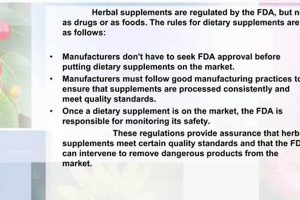
In many jurisdictions, herbal supplements are not subject to the same rigorous regulatory standards as pharmaceutical drugs. This lack of stringent oversight can result in inconsistencies in manufacturing practices, inaccurate labeling, and the presence of adulterants or contaminants. Without standardized quality control measures, it becomes challenging for consumers and healthcare providers to ascertain the true potency and purity of a given supplement, making accurate dosing difficult and potentially hazardous. This lack of oversight contributes to the challenges in accurately determining dosage.
- Bioavailability Considerations
Even when the concentration of active constituents in a supplement is accurately known, individual variations in absorption, metabolism, and elimination can influence the bioavailability of these compounds. Factors such as age, genetics, gastrointestinal health, and concurrent medication use can all affect the extent to which the active ingredients are absorbed into the bloodstream and exert their therapeutic effects. This inter-individual variability necessitates personalized dosing strategies and careful monitoring of blood pressure responses to optimize efficacy and minimize the risk of adverse effects. Personalized dosing can help with bioavailability.
These multifaceted challenges underscore the complexities inherent in establishing standardized dosing guidelines for plant-derived preparations intended for hypertension management. The variations are a result of various origins. This lack of consistency raises significant concerns about the reliability and predictability of these remedies and reinforces the importance of seeking guidance from qualified healthcare professionals who can assess individual needs and monitor responses to treatment.
3. Potential drug interactions
The concurrent use of plant-derived substances and conventional pharmaceuticals presents a significant risk of adverse interactions, potentially compromising the efficacy of prescribed medications or exacerbating their side effects. Understanding these interactions is crucial for ensuring patient safety and optimizing therapeutic outcomes, particularly in the context of hypertension management.
- Pharmacokinetic Interactions
Botanical compounds can influence the absorption, distribution, metabolism, and excretion of conventional drugs, altering their plasma concentrations and pharmacological effects. For instance, St. John’s Wort, often used for mood disorders, is known to induce cytochrome P450 enzymes, which metabolize a wide range of medications, including some antihypertensives. This induction can lead to decreased drug levels and reduced therapeutic efficacy. Conversely, certain herbs may inhibit these enzymes, increasing drug concentrations and the risk of toxicity. This interplay underscores the complexity of co-administration and the need for careful monitoring of drug levels when possible.
- Pharmacodynamic Interactions
Some plant-derived substances may possess pharmacological effects that either synergize with or antagonize the actions of conventional drugs. For example, combining a botanical with known diuretic properties, such as dandelion, with a prescription diuretic medication could lead to excessive fluid loss and electrolyte imbalances. Conversely, an herb with vasoconstrictive properties could counteract the effects of antihypertensive drugs, raising blood pressure and diminishing the therapeutic benefit. These interactions, stemming from shared or opposing mechanisms of action, highlight the importance of considering the overall pharmacological profile of both the botanical and the pharmaceutical agent.
- Impact on Antihypertensive Medications
Specific concern arises when plant-derived substances are combined with prescription antihypertensive medications, such as ACE inhibitors, beta-blockers, or calcium channel blockers. The additive or antagonistic effects of these combinations can lead to unpredictable fluctuations in blood pressure, potentially causing hypotension or hypertension, dizziness, and increased cardiovascular risk. For example, combining hawthorn, which may have mild blood pressure-lowering effects, with an ACE inhibitor could result in excessive hypotension, particularly in susceptible individuals. Vigilant monitoring of blood pressure and adjustment of medication dosages may be necessary to mitigate these risks.
- Influence on Blood Clotting
Several botanicals, including garlic, ginger, and ginkgo biloba, possess antiplatelet or anticoagulant properties. When taken in conjunction with prescription blood thinners, such as warfarin or aspirin, these substances can increase the risk of bleeding complications. This interaction is particularly relevant in individuals with cardiovascular disease who are already at increased risk of bleeding events. Careful assessment of bleeding risk factors and monitoring of coagulation parameters, such as INR, are essential when these combinations are used.
The potential for plant-derived substances to interact with conventional medications necessitates a comprehensive approach to patient care. Healthcare providers should routinely inquire about the use of any plant-derived preparations and carefully evaluate the potential for interactions with prescribed drugs. Patients, in turn, must proactively inform their providers about all supplements they are taking and adhere to recommended dosages and monitoring guidelines. A collaborative and informed approach is essential for minimizing the risks associated with these combinations and optimizing the overall therapeutic benefit in the management of hypertension.
4. Supplement quality control

The assurance of quality in plant-derived supplements intended to support healthy blood pressure levels represents a critical, yet often overlooked, aspect of their responsible utilization. Variability in product composition and manufacturing processes can significantly impact both the efficacy and safety of these preparations, underscoring the need for rigorous quality control measures throughout the supply chain.
- Raw Material Authentication and Purity
Verification of the identity and purity of raw botanical materials is paramount. Adulteration with undeclared ingredients or contamination with heavy metals, pesticides, or microbial agents can compromise product safety and introduce unintended pharmacological effects. Reputable manufacturers employ techniques such as macroscopic and microscopic analysis, DNA barcoding, and chromatographic methods to ensure the authenticity and purity of their raw materials. For instance, substituting a less expensive, but potentially toxic, plant species for the intended ingredient would represent a significant breach of quality control.
- Standardization of Active Compounds
Consistency in the concentration of active constituents is essential for achieving predictable therapeutic effects. Standardization involves quantifying the levels of specific compounds known or believed to contribute to the desired pharmacological activity. This process typically involves chromatographic techniques, such as high-performance liquid chromatography (HPLC), to measure the concentrations of these compounds. For example, a garlic supplement intended to lower blood pressure should contain a consistent and verifiable amount of allicin, the compound associated with its cardiovascular benefits.
- Good Manufacturing Practices (GMP) Compliance
Adherence to Good Manufacturing Practices (GMP) guidelines ensures that supplements are produced in a consistent and controlled manner. GMP regulations address aspects such as facility design, equipment maintenance, personnel training, and record-keeping. Compliance with GMP helps to minimize the risk of contamination, errors in manufacturing, and deviations from established quality standards. Independent audits and certifications, such as those provided by NSF International or USP, can provide assurance of GMP compliance.
- Third-Party Testing and Certification
Independent testing and certification by third-party organizations provide an additional layer of quality assurance. These organizations conduct their own analyses of supplements to verify the accuracy of label claims, test for contaminants, and assess product purity and potency. Products that meet the organization’s standards are typically awarded a seal of approval, which can help consumers identify reputable and trustworthy brands. Examples include certifications from ConsumerLab.com, USP, and NSF International.
The implementation of robust quality control measures is essential for ensuring that plant-derived supplements used to support healthy blood pressure levels are safe, effective, and reliable. Consumers and healthcare providers should prioritize products from manufacturers that adhere to GMP guidelines, standardize their products for active compounds, and undergo third-party testing and certification. A proactive approach to quality assurance helps to mitigate the risks associated with these supplements and promote informed decision-making.
5. Individual physiological response
The efficacy of plant-derived substances in modulating blood pressure is inextricably linked to an individual’s unique physiological characteristics. Variations in genetics, pre-existing health conditions, medication use, and lifestyle factors significantly influence how an individual responds to a given botanical intervention. Consequently, a remedy that proves effective for one person may yield minimal or even adverse effects in another. Understanding this variability is paramount for responsible and personalized application of these substances.
Genetic polymorphisms, particularly those affecting the metabolism of plant compounds or the regulation of blood pressure, can dramatically alter the response to plant-derived therapies. For example, individuals with specific variations in genes encoding cytochrome P450 enzymes may metabolize certain botanical constituents more rapidly or slowly, affecting their bioavailability and duration of action. Furthermore, pre-existing conditions such as kidney disease, liver dysfunction, or diabetes can influence drug metabolism and excretion, potentially increasing the risk of adverse effects or altering the efficacy of botanical treatments. The concurrent use of prescription medications can further complicate matters, as plant compounds may interact with these drugs, either enhancing or diminishing their effects. Lifestyle factors such as diet, exercise, and stress levels also contribute to individual variability in blood pressure regulation and response to botanical interventions. A sedentary lifestyle, a diet high in sodium, and chronic stress can all blunt the hypotensive effects of plant-derived remedies.
In summary, individual physiological response constitutes a critical, and often unpredictable, variable in the application of plant-derived substances for hypertension management. While certain botanicals may offer potential benefits, their efficacy is highly dependent on an individual’s unique biological makeup and environmental circumstances. A comprehensive assessment of these factors, coupled with close monitoring of blood pressure and overall health, is essential for safe and effective use. The inherent variability necessitates a personalized approach, guided by qualified healthcare professionals, to maximize therapeutic benefit and minimize the risk of adverse events.
6. Hypertension severity levels

The relationship between hypertension severity levels and the utilization of plant-derived supplements is complex and warrants careful consideration. Hypertension is clinically categorized into distinct stages based on blood pressure readings, ranging from elevated blood pressure to stage 1 and stage 2 hypertension. The decision to incorporate botanical interventions into a hypertension management plan should be influenced by the severity of the condition, as well as individual patient characteristics and preferences.
In individuals with elevated blood pressure or stage 1 hypertension, lifestyle modifications, such as dietary changes, regular exercise, and stress reduction techniques, are often the initial recommended approach. Plant-derived supplements may be considered as adjuncts to these lifestyle interventions, but it’s important to recognize their limitations. For instance, a patient with stage 1 hypertension who is already following a heart-healthy diet and engaging in regular physical activity may choose to incorporate a garlic supplement, based on some evidence suggesting its potential to modestly lower blood pressure. However, in individuals with stage 2 hypertension, where blood pressure readings are significantly elevated, pharmaceutical intervention is typically necessary to achieve adequate blood pressure control. In these cases, herbal supplements should not be viewed as a replacement for conventional medications, but rather as a potential complementary therapy, used under the guidance of a healthcare professional.
The practical significance of understanding the interplay between hypertension severity and botanical supplement use lies in the ability to make informed decisions about treatment strategies. Utilizing plant-derived remedies should not replace medical interventions. By tailoring the approach to the severity of hypertension and recognizing the limitations of plant-derived interventions, individuals and their healthcare providers can develop comprehensive management plans that prioritize safety, efficacy, and overall cardiovascular health.
7. Holistic lifestyle integration

The synergistic relationship between comprehensive lifestyle modifications and the strategic use of plant-derived supplements is a critical determinant of success in managing hypertension. A truly integrated approach recognizes that botanicals are most effective when implemented alongside foundational changes in diet, physical activity, stress management, and other health-related behaviors. Failure to address these underlying factors can significantly diminish the potential benefits of herbal supplementation.
The incorporation of a heart-healthy diet, characterized by reduced sodium intake, increased consumption of fruits, vegetables, and whole grains, is a cornerstone of hypertension management. Similarly, regular physical activity, such as brisk walking or cycling, has been shown to lower blood pressure and improve cardiovascular health. Stress management techniques, including mindfulness meditation or yoga, can also contribute to blood pressure reduction by mitigating the effects of chronic stress on the sympathetic nervous system. When plant-derived supplements are integrated into this context, their hypotensive effects may be amplified. For example, an individual who adopts a low-sodium diet and engages in regular exercise may experience a greater reduction in blood pressure when also taking a garlic supplement, compared to someone who relies solely on the supplement without making other lifestyle changes. A real-life example might be someone who uses hawthorn to lower blood pressure, and sees a significant improvement after taking up a daily walking routine.
In conclusion, holistic lifestyle integration is not merely an adjunct to herbal supplementation for hypertension, but rather an essential prerequisite for its success. The practical significance of this understanding lies in the recognition that plant-derived remedies are most effective when used as part of a broader strategy that addresses the underlying drivers of elevated blood pressure. A comprehensive approach, encompassing dietary modifications, regular exercise, stress management, and other health-promoting behaviors, is crucial for maximizing the benefits of botanical interventions and achieving sustainable improvements in cardiovascular health. A balanced lifestyle may result in better control of hypertension with herbal supplements, rather than using medication alone.
Frequently Asked Questions
The following section addresses common inquiries regarding the use of botanical preparations as a potential means of modulating blood pressure. The information provided is intended for educational purposes only and should not be construed as medical advice. Consultation with a qualified healthcare professional is essential before initiating any new treatment regimen.
Question 1: Are botanical remedies a suitable alternative to conventional antihypertensive medications?
Botanical remedies should not be considered a direct replacement for prescribed antihypertensive drugs. The efficacy and safety profiles of most plant-derived substances are not as well-established as those of conventional medications. Individuals with hypertension should adhere to their healthcare provider’s recommendations and utilize botanical interventions only as a potential adjunct to, and not a substitute for, prescribed treatments.
Question 2: What is the evidence supporting the use of garlic to lower blood pressure?
Some studies suggest that garlic consumption may contribute to a modest reduction in blood pressure. The active compound, allicin, is believed to play a role in this effect. However, the magnitude of blood pressure reduction is often small, and results vary across studies. Further research is needed to fully elucidate the efficacy of garlic as a hypotensive agent.
Question 3: Can plant-derived supplements interact with prescription medications for hypertension?
Yes, interactions between botanical supplements and prescription antihypertensive medications are possible. Some botanicals may enhance or diminish the effects of conventional drugs, potentially leading to adverse events. A thorough discussion with a healthcare provider regarding all medications and supplements being used is crucial to identify and mitigate potential interactions.
Question 4: How can the quality and purity of botanical supplements be assured?
Selecting supplements from reputable manufacturers that adhere to Good Manufacturing Practices (GMP) is essential. Look for products that have undergone third-party testing and certification to verify the accuracy of label claims and assess product purity. Organizations such as USP, NSF International, and ConsumerLab.com provide independent testing services.
Question 5: Is there a risk of side effects associated with plant-derived remedies for hypertension?
While often perceived as “natural” and therefore inherently safe, botanical supplements can indeed cause side effects. These may include gastrointestinal upset, allergic reactions, or interactions with other medications. It is crucial to start with low doses and monitor for any adverse reactions. Discontinue use and consult with a healthcare provider if side effects occur.
Question 6: Are all botanical remedies safe for long-term use in managing hypertension?
The safety of long-term use varies depending on the specific botanical remedy. Some substances may be safely used for extended periods, while others may pose risks with prolonged exposure. Consultation with a healthcare provider is crucial to determine the appropriate duration of treatment and to monitor for any potential adverse effects over time.
The judicious integration of plant-derived remedies into a hypertension management plan requires a balanced approach, combining evidence-based information with personalized medical guidance. Individual responses to botanical interventions can vary significantly, emphasizing the importance of close monitoring and careful consideration of potential risks and benefits.
The subsequent section will address some closing statements.
Conclusion
The exploration of plant-derived supplements as a potential aid in hypertension management reveals a complex interplay of factors. Evidence variability, standardization challenges, potential drug interactions, and quality control concerns necessitate a cautious and informed approach. While some botanical substances may offer modest blood pressure-lowering effects, they should not be considered a replacement for conventional medical care, particularly in individuals with moderate to severe hypertension. Individual physiological responses, influenced by genetics, lifestyle, and pre-existing conditions, further complicate the application of these remedies.
The responsible integration of botanical adjuncts into a hypertension management plan demands diligent research, transparent communication with healthcare providers, and a commitment to comprehensive lifestyle modifications. Continued investigation into the efficacy and safety of specific botanical compounds is warranted, with a focus on rigorous clinical trials and standardized manufacturing practices. Ultimately, a personalized and evidence-based approach, guided by qualified medical professionals, remains paramount in the pursuit of optimal cardiovascular health.