Entities engaged in the production of health-related products derived from plants are crucial players in the wellness industry. These entities oversee the extraction, processing, and packaging of botanicals into consumable forms. For example, a company cultivating echinacea, extracting its active compounds, and formulating them into capsules would be considered within this category.
Their role is significant due to the increasing consumer interest in natural remedies and preventative healthcare. Historically, reliance on plant-based medicines predates modern pharmaceuticals, and this enduring tradition fuels ongoing demand. Responsibly operated companies provide consumers with alternatives, contributing to personal health management strategies. Strict adherence to regulatory guidelines and quality control measures are essential for consumer safety and product efficacy.
The following sections will delve into the specific operational aspects, regulatory landscape, and quality assurance protocols associated with entities in this sector. Further examination will address the challenges and opportunities present in meeting growing market demands while upholding ethical and sustainable practices.
Guidance from Producers of Plant-Derived Supplements
This section offers insights, derived from the experience of those engaged in creating plant-based health products, to assist consumers in making informed choices regarding product selection and use.
Tip 1: Prioritize Ingredient Transparency: Reputable producers readily provide detailed information regarding sourcing, processing, and quality control measures. Scrutinize product labels and request Certificates of Analysis to verify ingredient identity and purity.
Tip 2: Investigate Manufacturing Practices: Look for certifications indicating adherence to Good Manufacturing Practices (GMP). GMP certification ensures the product has been consistently produced and controlled according to quality standards.
Tip 3: Research Potential Interactions: Plant-derived compounds can interact with prescription medications. Consult with a qualified healthcare professional before incorporating new supplements into an existing regimen, especially when taking prescription drugs.
Tip 4: Understand Dosage Recommendations: Adhere strictly to the recommended dosage guidelines provided by the producer or a healthcare professional. Exceeding recommended doses does not necessarily enhance efficacy and may increase the risk of adverse effects.
Tip 5: Evaluate Scientific Evidence: While anecdotal evidence may exist, seek products supported by scientific research demonstrating efficacy and safety for the intended use. Examine clinical trials and published studies related to specific ingredients.
Tip 6: Consider the Source: Opt for supplements from producers who prioritize sustainable sourcing practices. Responsible harvesting helps ensure the long-term availability of medicinal plants and protects the environment.
Tip 7: Be Wary of Unsubstantiated Claims: Exercise caution when encountering products making exaggerated or unsubstantiated health claims. Statements promising miracle cures or rapid results should be viewed with skepticism.
These guidelines are intended to empower consumers to make judicious choices when selecting and utilizing plant-derived health products. Responsible consumption contributes to individual well-being and supports ethical manufacturing practices.
The following concluding remarks summarize the key findings regarding the role and responsibilities within this industry.
1. Sourcing Integrity

Sourcing integrity constitutes a critical operational element for entities engaged in the production of health products derived from plants. This encompasses the ethical, sustainable, and verifiable procurement of raw materials. The quality, safety, and efficacy of the final product are directly linked to the integrity of the sourcing process. Non-compliance with established standards can result in adulterated products, environmental damage, and a loss of consumer trust. For instance, unsustainable harvesting of wild ginseng can deplete populations and degrade ecosystems, while misidentification of plant species can introduce harmful compounds into the supplement supply chain.
The importance of sourcing integrity extends beyond regulatory compliance and environmental considerations. It also encompasses fair labor practices and the economic empowerment of local communities. Companies committed to responsible sourcing often engage in direct trade relationships with growers, ensuring fair prices and promoting sustainable agricultural practices. This proactive approach not only benefits the communities involved but also strengthens the supply chain by fostering long-term partnerships and ensuring a consistent supply of high-quality raw materials. For example, certain manufacturers of turmeric supplements have established direct relationships with Indian farmers, guaranteeing fair wages and supporting sustainable cultivation methods, which consequently enhances the quality and purity of their turmeric extracts.
In conclusion, sourcing integrity is not merely a procedural requirement, but an ethical and practical imperative for these companies. It represents a commitment to quality, sustainability, and social responsibility, which directly impacts product efficacy, consumer confidence, and the long-term viability of the industry. Challenges remain in ensuring traceability and transparency throughout the global supply chain, however, continuous improvements in certification standards and auditing practices are essential for maintaining and strengthening sourcing integrity.
2. Extraction Processes

Extraction processes are fundamental to the operations of companies that produce plant-based health products. These processes determine the quality, purity, and concentration of active compounds obtained from raw plant materials, directly impacting the efficacy and safety of the final product. The selection and optimization of extraction methods are, therefore, critical for these manufacturers.
- Solvent Extraction
Solvent extraction involves using liquids, such as ethanol, water, or hexane, to dissolve and separate desired compounds from plant matter. The choice of solvent influences the selectivity and efficiency of extraction. For instance, ethanol is commonly used for extracting phenolic compounds, while hexane is suitable for isolating lipids. Residual solvents can be a concern, necessitating stringent quality control measures to ensure consumer safety. The scale and efficiency of solvent extraction processes are crucial to manufacturers aiming for large-scale production.
- Supercritical Fluid Extraction (SFE)
SFE utilizes fluids, such as carbon dioxide, at supercritical conditions to extract compounds. Supercritical CO2 is non-toxic, environmentally friendly, and easily removed from the extract, making it an attractive alternative to traditional solvents. SFE offers high selectivity and allows for the extraction of delicate compounds at lower temperatures, preserving their integrity. The initial capital investment for SFE equipment is typically higher compared to solvent extraction, but the benefits often outweigh the costs for manufacturers seeking high-quality extracts.
- Steam Distillation
Steam distillation is commonly employed for extracting volatile oils and aromatic compounds from plant materials. Steam passes through the plant matter, vaporizing the volatile components, which are then condensed and collected. This method is particularly well-suited for heat-stable compounds like essential oils, commonly used in aromatherapy and flavorings. Steam distillation is a relatively simple and cost-effective extraction technique, but it may not be suitable for all types of compounds, especially those that are heat-sensitive or non-volatile. The process is often used to extract essential oils, which are then incorporated into various supplements.
- Cold Pressing
Cold pressing is a mechanical extraction method primarily used for obtaining oils from seeds and nuts. The raw material is subjected to high pressure, extracting the oil without the use of heat or solvents. This method helps preserve the natural flavor, aroma, and nutritional value of the oil. Cold pressing is commonly used for extracting oils from plants like flax, hemp, and sunflower, which are valued for their omega-3 fatty acids and other beneficial compounds. The resultant oils can be used as standalone supplements or incorporated into other product formulations.
The choice of extraction process depends on several factors, including the nature of the target compounds, the desired purity of the extract, cost considerations, and regulatory requirements. Responsible manufacturers carefully evaluate these factors to select the most appropriate extraction method for each plant material, ensuring the production of safe and effective supplements. Further innovation in extraction technologies continues to refine and optimize these processes, enhancing product quality and reducing environmental impact.
3. Quality Assurance

Quality assurance constitutes a cornerstone of responsible operations for entities producing plant-derived health products. These companies are subject to intense scrutiny, both regulatory and public, regarding the safety, purity, and efficacy of their offerings. Deficiencies in quality control measures can lead to serious consequences, including product recalls, legal repercussions, and erosion of consumer confidence. For example, a manufacturer of St. John’s Wort products failing to adequately test for hypericin content might produce supplements with inconsistent or negligible antidepressant effects, ultimately deceiving consumers. Similarly, inadequate testing for heavy metals, pesticides, or microbial contamination can pose significant health risks.
Robust quality assurance programs involve a multi-faceted approach, encompassing rigorous testing of raw materials, adherence to Good Manufacturing Practices (GMP), and implementation of comprehensive documentation procedures. Raw material testing verifies the identity, potency, and purity of plant extracts before they enter the manufacturing process. GMP guidelines mandate strict protocols for facility sanitation, equipment maintenance, and personnel training, minimizing the risk of contamination and ensuring consistent production standards. Detailed documentation tracks every stage of the manufacturing process, providing an audit trail that allows for rapid identification and correction of any deviations from established protocols. Consider a manufacturer of Echinacea products; through its quality assurance program, it can trace each batch of finished product back to the specific field where the plants were grown, the extraction method used, and the analytical testing results obtained at each stage of production.
The practical significance of rigorous quality assurance for plant-derived health product manufacturers extends beyond regulatory compliance. It directly influences the effectiveness and safety of supplements and ultimately impacts public health. Companies that prioritize quality assurance demonstrate a commitment to providing consumers with reliable and trustworthy products. While challenges exist in standardizing quality control measures across the diverse range of botanical ingredients, ongoing advancements in analytical techniques and collaborative efforts among industry stakeholders are driving continuous improvement. By prioritizing quality assurance, plant-derived health product manufacturers contribute to a more transparent and trustworthy marketplace for natural health products.
4. Regulatory Compliance

Entities engaged in the production of plant-derived health products operate within a complex web of regulatory requirements designed to ensure product safety, efficacy, and truthful labeling. Compliance with these regulations is not merely a legal obligation but a fundamental aspect of responsible business practice, influencing all stages of production from raw material sourcing to final product distribution. Failure to adhere to these regulations can result in significant penalties, including product recalls, fines, and even legal action, as exemplified by cases where products were found to contain undeclared ingredients or contaminants.
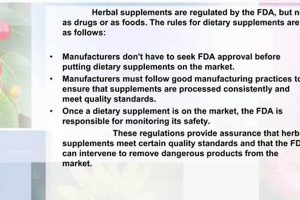
The regulatory landscape governing plant-derived health products varies considerably across different jurisdictions, with varying levels of stringency and enforcement. In the United States, the Food and Drug Administration (FDA) regulates these products as dietary supplements under the Dietary Supplement Health and Education Act (DSHEA). DSHEA establishes GMP requirements for manufacturing, packaging, and labeling but does not mandate pre-market approval for most supplements. However, manufacturers are responsible for ensuring product safety and truthful labeling. In Europe, plant-derived health products are often regulated as traditional herbal medicinal products, requiring registration or authorization based on evidence of traditional use and safety. These diverse regulatory frameworks pose significant challenges for companies operating in multiple international markets, necessitating expertise in regulatory affairs and proactive compliance strategies.
In summary, regulatory compliance is an indispensable component of responsible plant-derived health product manufacturing, protecting consumers and ensuring market integrity. The complexity of the regulatory landscape necessitates continuous monitoring and adaptation by these entities. By prioritizing compliance, these companies contribute to building trust in the safety and efficacy of plant-derived health products.
5. Product Efficacy

Product efficacy represents a critical determinant of success and sustainability for entities involved in the production of plant-based health products. It directly influences consumer trust, brand reputation, and market demand. Manufacturers neglecting rigorous assessment of their products’ efficacy risk losing market share to competitors who prioritize scientific validation. Consider, for instance, a manufacturer of saw palmetto extracts marketed for prostate health. If clinical studies consistently demonstrate minimal to no improvement in urinary symptoms compared to placebo, the product’s efficacy is questionable, potentially leading to declining sales and negative consumer reviews. Efficacy, therefore, functions as a primary driver of product viability within this sector.
Demonstrating product efficacy often requires substantial investment in research and development, including preclinical studies, clinical trials, and post-market surveillance. Manufacturers may choose to conduct their own research or collaborate with academic institutions and research organizations. Positive results from well-designed studies can be leveraged for marketing purposes, providing credible evidence to support product claims. For instance, manufacturers of curcumin supplements often cite studies demonstrating the anti-inflammatory and antioxidant properties of curcuminoids, thereby bolstering consumer confidence in their products’ potential health benefits. The pursuit of demonstrated efficacy frequently leads to innovations in formulation, delivery methods, and standardization techniques, further enhancing the value proposition of plant-based health products.
Ultimately, product efficacy serves as a fundamental link between plant-derived health product manufacturers and the well-being of consumers. While challenges remain in standardizing research methodologies and interpreting study results, the commitment to scientifically validating product claims is essential for building a transparent and trustworthy marketplace. Companies that prioritize product efficacy are more likely to achieve long-term success and contribute to the advancement of evidence-based natural health practices.
Frequently Asked Questions
The following addresses common inquiries concerning the production of health products derived from plant sources. It seeks to provide clear and objective answers based on industry standards and regulatory guidelines.
Question 1: Are all plant-derived health products subject to the same level of regulatory scrutiny as pharmaceutical drugs?
No, plant-derived health products are generally regulated as dietary supplements, and subject to different rules than those applied to pharmaceutical drugs. The level of scrutiny varies among jurisdictions; some regulations are less stringent than those for pharmaceuticals, particularly regarding pre-market approval and efficacy claims.
Question 2: What measures are in place to ensure the authenticity and purity of raw materials used in plant-derived health product production?
Reputable organizations employ various quality control measures, including botanical identification, chromatographic analysis, and testing for contaminants such as heavy metals, pesticides, and microbial pathogens. Certificates of Analysis (CoAs) provide documented evidence of these tests.
Question 3: How do manufacturing processes impact the efficacy of plant-derived health products?
Extraction methods, such as solvent extraction, supercritical fluid extraction, and steam distillation, influence the concentration and bioavailability of active compounds. Proper manufacturing techniques are crucial to preserving the integrity of these compounds and ensuring optimal product efficacy.
Question 4: What certifications should consumers look for to ensure product quality and safety?
Certifications such as Good Manufacturing Practices (GMP), NSF International, and USP Verified indicate that a product has been manufactured according to established quality standards and has undergone independent testing for contaminants and label accuracy.
Question 5: Can plant-derived health products interact with prescription medications?
Yes, certain plant-derived compounds can interact with prescription medications, potentially altering their effects or increasing the risk of adverse reactions. Consultation with a qualified healthcare professional is essential before combining plant-derived products with prescription drugs.
Question 6: Are plant-derived health products subject to mandatory post-market surveillance?
Post-market surveillance requirements vary by jurisdiction. While some regions have established reporting systems for adverse events associated with dietary supplements, these systems are often less comprehensive than those for pharmaceutical drugs. Responsible producers engage in voluntary post-market surveillance to monitor product safety and efficacy.
This information aims to clarify key aspects of plant-derived health product manufacturing and responsible consumer behavior.
The following closing remarks summarize the overall principles and best practices within this industry.
Herbal Supplement Manufacturers
The preceding sections have outlined the multifaceted landscape encompassing entities engaged in the production of plant-derived health products. These entities bear significant responsibility for ensuring the quality, safety, and efficacy of their offerings, given increasing consumer reliance on natural remedies. The rigorous adherence to sourcing integrity, extraction process optimization, quality assurance protocols, and regulatory compliance forms the bedrock of responsible operations. Scientific validation of product claims remains paramount for fostering trust and promoting informed consumer choices.
Continued diligence and innovation among businesses in this industry is essential to navigating the evolving regulatory landscape and meeting growing consumer demand for evidence-based natural health solutions. Upholding ethical and sustainable practices is crucial for safeguarding both public health and the long-term viability of the botanical resources upon which these products depend. The ongoing commitment to transparency, scientific rigor, and responsible stewardship is indispensable for the sustained success of this sector.