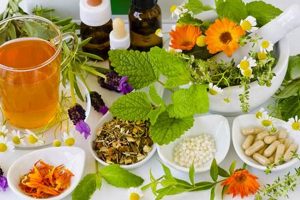
A tobacco-free alternative for shisha consumption, this product utilizes various herbs, fruits, and other plant-based materials as a base. Glycerin or molasses is typically added to create the characteristic smoke and flavor associated with traditional shisha. It offers a similar social experience without the presence of nicotine.
This alternative is viewed by some as a potential option for individuals seeking to reduce or eliminate nicotine intake while still participating in shisha sessions. The absence of tobacco can be perceived as carrying fewer health risks compared to traditional shisha. Historically, the exploration of non-tobacco shisha mediums has been driven by both health concerns and a desire for diverse flavor profiles.
The composition, flavor variations, and potential health implications of these products warrant further examination. Subsequent sections will delve into the specific ingredients commonly used, the range of available flavors, and a comparative analysis of the risks associated with both traditional and alternative smoking methods.
Considerations for Utilizing Tobacco-Free Shisha Alternatives
Employing non-tobacco-based shisha requires specific awareness to optimize the experience and mitigate potential downsides.
Tip 1: Ingredient Awareness: Prioritize knowing the precise composition of the blend being used. Investigate if all ingredients are genuinely herbal and natural, devoid of undisclosed synthetic additives or preservatives.
Tip 2: Heat Management: Note that herbal shisha may require a different heat application than traditional tobacco-based versions. Experiment with charcoal placement and quantity to avoid burning, which can impart a harsh taste.
Tip 3: Hydration is key: Like with traditional shisha, adequate hydration before, during, and after a session is crucial. The glycerin content can contribute to dehydration.
Tip 4: Flavor Selection: A wide array of flavors is available. Start with well-reviewed, established brands to gauge quality and personal preference before venturing into less-known varieties.
Tip 5: Proper Cleaning: Meticulously clean the shisha apparatus after each use. Residue buildup can negatively affect future flavor profiles and potentially harbor bacteria, impacting hygiene.
Tip 6: Storage Practices: Store unused components in airtight containers, shielded from direct sunlight and excessive temperatures. This preserves freshness and prevents degradation of flavors and herbal constituents.
Tip 7: Mindful Consumption: Even without nicotine, prolonged or frequent shisha sessions can expose the user to other potentially harmful byproducts of combustion. Practice moderation.
By adhering to these guidelines, individuals may enhance their experience with tobacco-free shisha alternatives, optimizing both flavor enjoyment and harm reduction. It remains crucial to acknowledge that any form of smoking carries inherent risks.
The following sections will explore health-related aspects in greater depth, providing a more thorough understanding of this tobacco-free alternative.
1. Tobacco-free Composition

The defining characteristic of herbal shisha lies in its tobacco-free composition, a departure from traditional shisha that fundamentally alters its chemical profile and potential health implications. This composition dictates both the appeal and the specific risks associated with its use.
- Base Ingredients
Instead of tobacco leaves, herbal shisha utilizes a base of plant fibers, often derived from sugar cane pulp (bagasse), tea leaves, or fruit pulps. These materials provide the bulk necessary for creating a shisha-like texture and absorbing flavorings. The selection of base materials influences the product’s ability to retain moisture and produce smoke.
- Humectants and Binders
Glycerin, molasses, or honey serve as humectants, retaining moisture and generating smoke when heated. Binders help maintain the consistency of the mixture. The type and quality of humectants significantly affect the density and visual appeal of the smoke produced. Furthermore, the purity of these components is crucial, as impurities can lead to the formation of unwanted byproducts during combustion.
- Flavorings and Additives
Flavorings are crucial for replicating the taste experience of traditional shisha or offering novel flavor profiles. These can be natural extracts, artificial flavorings, or a combination thereof. Additives may include preservatives or coloring agents. The composition and source of flavorings and additives introduce a wide spectrum of potential chemical compounds, some of which may be of concern when inhaled.
- Absence of Nicotine
The explicit absence of nicotine is a central aspect of tobacco-free composition. This is marketed as a primary advantage, appealing to users seeking to avoid nicotine addiction. However, users should verify the absence of tobacco through careful examination of ingredient lists and third-party testing, as mislabeling can occur.
The interplay of these elements within the tobacco-free composition defines the characteristics of herbal shisha. While the absence of nicotine is a notable feature, a comprehensive understanding of the other constituents and their potential combustion products is essential for assessing the overall risk profile and for making informed decisions regarding consumption.
2. Flavoring Diversity

The connection between flavoring diversity and herbal shisha is intrinsic; the wide range of available flavors is a primary driver of its appeal and market presence. Herbal shisha, by nature lacking the inherent tobacco flavor, relies heavily on added flavorings to create a palatable and desirable smoking experience. This reliance necessitates a diverse array of flavors to cater to varying consumer preferences, thereby fostering a competitive market landscape. For example, brands offer single-note fruit flavors like apple or watermelon, complex blends mimicking desserts like cheesecake, and even formulations attempting to replicate traditional tobacco blends without any actual tobacco content. The absence of natural tobacco necessitates a sophisticated approach to flavor development and application.
The practical significance of understanding this connection lies in several key areas. Firstly, it informs product development strategies for manufacturers, highlighting the need for ongoing innovation in flavor creation. Secondly, it allows consumers to make more informed choices, selecting products based on their specific flavor preferences and understanding the potential ingredients contributing to those flavors. For instance, consumers with allergies need to be aware of potential allergens within the flavoring compounds. Furthermore, the diversity of flavors enables experimentation and customization, with some users blending different flavors to create unique combinations.
In summary, flavoring diversity is not merely an optional feature but a fundamental component of herbal shisha, dictating its market success and consumer appeal. The industry’s focus on flavor development carries potential challenges, including ensuring the safety and accuracy of flavor labeling. Ongoing research into the long-term health effects of inhaled flavor compounds is therefore essential. The intricate link between herbal shisha and flavoring diversity underscores the need for consumer awareness and responsible industry practices.
3. Combustion Byproducts

The connection between combustion byproducts and herbal shisha is direct and consequential. While herbal shisha distinguishes itself from traditional shisha through the absence of tobacco, the process of burning any organic material, including the herbs, fruit pulps, and other plant-based substances that comprise herbal shisha, inevitably produces a range of potentially harmful combustion byproducts. The type and quantity of these byproducts depend on factors such as the composition of the material being burned, the temperature of combustion, and the availability of oxygen during the process. These byproducts are inhaled directly into the user’s respiratory system, raising concerns regarding their potential short-term and long-term health effects. Examples of such byproducts include carbon monoxide, particulate matter (PM2.5 and PM10), volatile organic compounds (VOCs) such as formaldehyde and benzene, and polycyclic aromatic hydrocarbons (PAHs). The presence and concentration of these substances are not unique to tobacco-based smoking; they are inherent to the combustion process itself.
Understanding the specific combustion byproducts generated by herbal shisha is crucial for accurately assessing the risks associated with its use. Research comparing the emissions profiles of herbal shisha to those of traditional tobacco shisha is essential. The findings from such studies could inform regulatory decisions, product labeling requirements, and public health messaging. Furthermore, mitigation strategies, such as improved ventilation during use and the development of shisha devices that promote more complete combustion, could potentially reduce exposure to harmful byproducts. Manufacturers can also investigate alternative heating methods that minimize combustion, such as vaporization, although the characteristics of the smoking experience may be altered. The lack of comprehensive data on the composition and toxicity of herbal shisha smoke presents a significant challenge to fully understanding the health risks.
In conclusion, the presence of combustion byproducts is an unavoidable consequence of using herbal shisha, irrespective of the absence of tobacco. While often perceived as a healthier alternative, the potential health risks associated with inhaling these byproducts should not be disregarded. Further research is necessary to characterize the specific composition of herbal shisha smoke, quantify its potential health effects, and develop strategies to minimize exposure to harmful substances. The development of clear and accessible information for consumers regarding the risks associated with herbal shisha is vital for promoting informed decision-making and protecting public health.
4. Potential Health Impacts

The use of herbal shisha, while perceived by some as a healthier alternative to traditional tobacco shisha, is not without potential health impacts. A comprehensive understanding of these impacts is crucial for informed decision-making.
- Respiratory Effects
Inhalation of any form of smoke, including that produced by herbal shisha, can lead to respiratory irritation and inflammation. Particulate matter present in the smoke can deposit in the lungs, potentially exacerbating existing respiratory conditions such as asthma or chronic bronchitis. Long-term exposure may contribute to the development of chronic obstructive pulmonary disease (COPD), even in the absence of nicotine. The specific constituents of the herbal mixture and the temperature of combustion can influence the severity of these effects.
- Cardiovascular Implications
Carbon monoxide, a known byproduct of combustion, is present in herbal shisha smoke. Carbon monoxide reduces the oxygen-carrying capacity of the blood, placing strain on the cardiovascular system. This can be particularly problematic for individuals with pre-existing heart conditions. The extent of cardiovascular impact depends on the duration and frequency of shisha use, as well as individual susceptibility.
- Exposure to Carcinogens
While herbal shisha eliminates nicotine exposure, the burning of organic material generates other potentially carcinogenic compounds. Polycyclic aromatic hydrocarbons (PAHs) and volatile organic compounds (VOCs) are among these substances. The long-term effects of repeated exposure to these carcinogens through herbal shisha use remain under investigation, but the possibility of increased cancer risk cannot be excluded.
- Flavoring-Related Risks
The flavorings used in herbal shisha may contain chemicals that are safe for ingestion but potentially harmful when inhaled. Diacetyl, for example, is a flavoring compound linked to bronchiolitis obliterans (“popcorn lung”) in workers exposed to high concentrations. While the concentrations in herbal shisha smoke may be lower, the potential for respiratory irritation and long-term health consequences warrants further study.
The perceived safety of herbal shisha due to its tobacco-free nature may lead to underestimation of potential health risks. Further research is needed to fully characterize the short-term and long-term health effects associated with herbal shisha use, considering variations in product composition, usage patterns, and individual susceptibility. Comprehensive public health messaging is essential to ensure that consumers are aware of the potential risks, even in the absence of nicotine.
5. Regulation and Legality

The regulation and legality of herbal shisha vary significantly across jurisdictions, creating a complex landscape for manufacturers, distributors, and consumers. The absence of tobacco does not automatically exempt these products from existing tobacco control laws, as regulations often focus on the act of smoking and the potential health risks associated with inhaling any form of smoke. In some regions, herbal shisha is treated similarly to traditional shisha, requiring permits for retail sale and imposing restrictions on advertising and use in public spaces. Other jurisdictions may have no specific regulations in place, leading to inconsistencies in product quality and consumer protection. This lack of uniformity presents challenges for businesses operating across multiple regions and can create confusion for consumers attempting to understand their legal rights and responsibilities.
The primary driver for regulating herbal shisha stems from concerns about potential health risks associated with inhaling combustion byproducts, regardless of the source material. Regulations may address issues such as product labeling, requiring manufacturers to disclose all ingredients and potential health hazards. For example, California’s Proposition 65 mandates warnings on products containing chemicals known to cause cancer or reproductive harm, which could apply to herbal shisha depending on its composition and combustion byproducts. Furthermore, some jurisdictions may impose age restrictions on the purchase and use of herbal shisha, similar to those applied to tobacco products, aiming to protect minors from potential health risks. The enforcement of these regulations varies widely, depending on the resources and priorities of local authorities.
The evolving regulatory landscape requires ongoing monitoring by manufacturers and distributors to ensure compliance with applicable laws and regulations. Consumer advocacy groups also play a role in promoting transparency and accountability within the industry. Ultimately, the effectiveness of regulation depends on a combination of clear legal frameworks, robust enforcement mechanisms, and informed consumer choices. The lack of consistent regulation poses challenges for both businesses and consumers, highlighting the need for further research and policy development to address the specific health and safety concerns associated with herbal shisha use.
Frequently Asked Questions About Herbal Shisha
The following questions address common concerns and misconceptions surrounding the use of tobacco-free shisha alternatives.
Question 1: What exactly is herbal shisha?
Herbal shisha is a tobacco-free alternative to traditional shisha. It is typically composed of herbs, fruit pulp, or other plant-based materials that are flavored and smoked using a shisha pipe. The key distinction is the absence of tobacco leaves.
Question 2: Is herbal shisha truly nicotine-free?
When properly manufactured and labeled, herbal shisha should be nicotine-free. However, consumers should carefully examine the ingredient list and seek products from reputable manufacturers to ensure the absence of tobacco or nicotine additives. Third-party testing can provide further assurance.
Question 3: Is herbal shisha safe to smoke?
While herbal shisha eliminates nicotine exposure, the combustion process still generates potentially harmful byproducts, such as carbon monoxide, particulate matter, and volatile organic compounds. These substances can pose risks to respiratory and cardiovascular health. No form of smoking is entirely safe.
Question 4: How does the flavor of herbal shisha compare to traditional shisha?
The flavor profiles of herbal shisha are primarily determined by the added flavorings, as the base material lacks the inherent tobacco taste. This allows for a wide range of flavor options, often emphasizing fruity, sweet, or dessert-like profiles. Some manufacturers attempt to replicate traditional tobacco flavors using herbal blends.
Question 5: Are there regulations governing the sale and use of herbal shisha?
Regulations vary across jurisdictions. Some regions treat herbal shisha similarly to tobacco products, imposing age restrictions and sales regulations. Other areas may have no specific regulations in place. Consumers and retailers should be aware of local laws.
Question 6: Are there any potential long-term health effects associated with herbal shisha use?
Long-term health effects are still under investigation. The inhalation of combustion byproducts may contribute to respiratory and cardiovascular problems. The potential for increased cancer risk from certain combustion products cannot be excluded. Further research is needed.
In summary, while herbal shisha offers a tobacco-free alternative, it is crucial to recognize the potential health risks associated with inhaling any form of smoke and to make informed decisions regarding its use.
The subsequent sections will address methods for reducing potential harm while using herbal shisha and provide a comprehensive summary of the key points discussed in this article.
Conclusion
This exploration of herbal shisha has underscored its defining characteristic: the absence of tobacco. This feature distinguishes it from traditional shisha, impacting nicotine exposure. The analysis has addressed flavor diversity, potential health impacts, regulatory frameworks, and the role of combustion byproducts. Understanding these aspects is paramount for consumers and policymakers alike.
Given the potential health concerns associated with smoke inhalation, regardless of the source, further research is necessary to assess the long-term effects of herbal shisha use. Informed decisions should be based on a comprehensive understanding of the risks and benefits. Continued vigilance and responsible consumption are critical in navigating the complexities of this alternative smoking method.