The use of plant-derived compounds to support the male genitourinary system is a practice with a long history. These natural substances are frequently employed with the intent of maintaining or improving the wellness of a specific gland in the reproductive system, often as an adjunct to conventional medical treatments. Examples include saw palmetto extracts, pygeum bark, and various formulations containing lycopene or selenium.
Maintaining the well-being of the male reproductive system is crucial for overall health and quality of life. Historically, traditional medicine systems have utilized botanical remedies to address age-related changes and support optimal function. Such approaches can potentially provide a complementary method for promoting comfort and wellness.
The following sections will delve into specific botanical options, examining their purported mechanisms of action, available scientific evidence, and potential considerations for those exploring complementary approaches to maintaining their health.
Guidance on Integrating Botanical Options for Male Health
Individuals considering the addition of botanicals to their wellness routine should proceed with informed awareness. The following points offer guidance in this endeavor.
Tip 1: Consultation with a Healthcare Professional: Prior to initiating any botanical regimen, engage in a comprehensive discussion with a physician or qualified healthcare provider. This step is crucial to assess individual suitability, potential interactions with existing medications, and to establish a baseline understanding of one’s health status.
Tip 2: Source Reputable Products: Ensure that any botanical product is sourced from a reputable manufacturer with a commitment to quality control and testing. Independent verification of product purity and potency is desirable.
Tip 3: Adherence to Recommended Dosage: Strictly adhere to the dosage instructions provided by the manufacturer or as directed by a healthcare professional. Exceeding the recommended dosage does not necessarily enhance efficacy and may increase the risk of adverse effects.
Tip 4: Monitor for Potential Side Effects: Be vigilant in monitoring for any adverse reactions or unexpected changes in health status following the commencement of a botanical regimen. Discontinue use and consult with a healthcare provider if concerning symptoms arise.
Tip 5: Understand Potential Interactions: Recognize that botanicals can potentially interact with prescription medications, over-the-counter drugs, and other dietary supplements. Provide a complete list of all substances being consumed to a healthcare provider to assess potential risks.
Tip 6: Maintain a Holistic Approach: The use of botanicals should be viewed as one component of a comprehensive strategy for maintaining wellness. A balanced diet, regular physical activity, and proactive management of stress are equally important.
Tip 7: Realistic Expectations: Avoid unrealistic expectations regarding the outcomes of botanical interventions. Botanical remedies may offer supportive benefits, but they are not necessarily a substitute for conventional medical treatment.
By approaching botanical options with prudence and informed awareness, individuals can make responsible decisions that align with their overall health goals. This guidance serves as a preliminary framework for further exploration and discussion with healthcare professionals.
The subsequent sections of this discourse will explore the scientific rationale and clinical evidence related to specific botanical agents and their potential roles in supporting wellness.
1. Saw Palmetto

Saw palmetto, derived from the berries of the Serenoa repens plant, is a prevalent ingredient in botanical formulations designed to support prostate health. Its purported mechanism of action involves inhibiting the conversion of testosterone to dihydrotestosterone (DHT), a hormone implicated in prostate enlargement. The following facets detail key considerations regarding saw palmetto’s role in this context.
- Mechanism of Action and DHT Inhibition
Saw palmetto extracts are believed to exert their effects by inhibiting the 5-alpha-reductase enzyme, responsible for converting testosterone to DHT. Elevated DHT levels can contribute to the proliferation of prostate cells, leading to benign prostatic hyperplasia (BPH). The efficacy of saw palmetto in consistently achieving significant DHT reduction, however, remains a subject of ongoing research. Clinical trials have demonstrated varying degrees of DHT level alteration, and the magnitude of DHT reduction may not always correlate directly with symptom improvement.
- Impact on Lower Urinary Tract Symptoms (LUTS)
Many individuals with BPH experience lower urinary tract symptoms (LUTS) such as frequent urination, nocturia (nighttime urination), and urinary hesitancy. Saw palmetto is often used with the intention of alleviating these symptoms. While some studies suggest a potential benefit in reducing LUTS severity, meta-analyses have yielded conflicting results. The variability in study outcomes may be attributable to differences in saw palmetto extract standardization, dosage, and patient selection criteria.
- Standardization and Extract Quality
The composition and potency of saw palmetto extracts can vary significantly depending on factors such as the harvesting methods, extraction processes, and solvent used. Standardization to specific fatty acid content, such as the percentage of free fatty acids, is often employed to ensure product consistency. However, the specific standardization parameters and the overall quality control measures implemented by manufacturers can influence the efficacy and safety profile of the final product. Reputable manufacturers typically provide detailed information regarding their extraction and standardization protocols.
- Potential Side Effects and Drug Interactions
Saw palmetto is generally considered to be relatively well-tolerated. However, potential side effects may include gastrointestinal upset, nausea, and headache. Although rare, more serious adverse effects have been reported. It is crucial to consider potential interactions with other medications, particularly anticoagulants and antiplatelet drugs, as saw palmetto may possess mild antiplatelet properties. Individuals taking such medications should consult with a healthcare provider before using saw palmetto.
In summary, saw palmetto’s role within botanical formulations aimed at promoting prostate well-being is multifaceted and continues to be an area of active investigation. The variability in research findings underscores the importance of carefully evaluating the available evidence and consulting with a healthcare professional before incorporating saw palmetto into a health regimen. Further research is warranted to elucidate the optimal standardization parameters, dosage regimens, and patient populations that may benefit most from saw palmetto supplementation. This is vital for evidence based herbal supplements for prostate health.
2. Pygeum Africanum

Pygeum africanum, an extract from the bark of the African plum tree, has a history of use in traditional medicine and is currently found in numerous herbal supplements targeting prostate health. Its potential benefits and mechanisms of action require careful examination within the context of maintaining urogenital well-being.
- Bioactive Compounds and Anti-Inflammatory Properties
Pygeum africanum bark contains several bioactive compounds, including phytosterols (such as beta-sitosterol), triterpenes (such as ursolic and oleanolic acids), and ferulic esters. These compounds are theorized to contribute to the extract’s purported anti-inflammatory effects within the prostate gland. Chronic inflammation is implicated in the development and progression of benign prostatic hyperplasia (BPH), and the potential to mitigate this inflammation is a primary rationale for pygeum’s use. Example: Studies suggest that pygeum may inhibit the production of pro-inflammatory cytokines in prostate cells. The implications of this effect are significant in terms of potentially slowing the progression of BPH and alleviating associated symptoms.
- Impact on Lower Urinary Tract Symptoms (LUTS) Associated with BPH
Clinical research has explored the effects of pygeum africanum on lower urinary tract symptoms (LUTS) commonly experienced by men with BPH. These symptoms include urinary frequency, nocturia, urgency, and weak urinary stream. Example: Some clinical trials have reported improvements in LUTS scores and urinary flow rates in men taking pygeum extracts. However, the magnitude of these improvements can vary across studies. The implication is that pygeum may offer symptomatic relief for some individuals with BPH, but its efficacy is not universally consistent and further research is warranted to confirm its benefits.
- Potential Effects on Prostate Glandular Epithelium
Pygeum africanum may influence the structural and functional characteristics of the prostate gland’s epithelial cells. The extract has been proposed to modulate the activity of growth factors and hormones that affect prostate cell proliferation and apoptosis (programmed cell death). Example: In vitro studies have suggested that pygeum can inhibit the growth of prostate cancer cells, although these findings require validation in human clinical trials. The implication is that pygeum may have potential chemopreventive properties, but further research is necessary to determine its role in prostate cancer prevention or treatment.
- Standardization, Dosage, and Safety Considerations
The standardization of pygeum africanum extracts is crucial for ensuring consistent potency and efficacy. The composition of the extract can vary depending on the source of the bark, extraction methods, and manufacturing processes. Example: Products should be standardized to contain a specific percentage of phytosterols, triterpenes, or other bioactive markers. Adherence to recommended dosage guidelines is important to minimize the risk of adverse effects. Pygeum is generally considered to be safe, but potential side effects include gastrointestinal upset and allergic reactions. The implication is that consumers should select products from reputable manufacturers and consult with a healthcare professional before using pygeum, particularly if they have underlying medical conditions or are taking other medications.
In summary, pygeum africanum is included in herbal supplements marketed for prostate health due to its potential anti-inflammatory, symptomatic relief, and prostate-modulating effects. However, the strength of the evidence supporting these claims varies, and more research is needed to definitively establish its role in maintaining prostate well-being. The exploration of additional instances will enhance comprehension.
3. Beta-Sitosterol

Beta-sitosterol, a phytosterol found in various plants, is a frequently cited component of herbal supplements marketed for prostate health. Its inclusion is based on purported mechanisms of action related to reducing lower urinary tract symptoms (LUTS) and modulating inflammatory pathways. An examination of its key aspects is warranted.
- Source and Extraction
Beta-sitosterol is sourced from various plant materials, including saw palmetto, soybeans, and rice bran. The extraction process typically involves solvent extraction and purification steps. The purity and form of beta-sitosterol (e.g., as a single compound or part of a complex) can influence its bioavailability and efficacy. The implication is that the quality control and source of beta-sitosterol within a supplement are critical factors to consider.
- Impact on Lower Urinary Tract Symptoms (LUTS)
Clinical trials have investigated beta-sitosterol’s impact on LUTS associated with benign prostatic hyperplasia (BPH). Some studies report improvements in urinary flow, residual urine volume, and symptom scores. Example: Randomized controlled trials have shown statistically significant reductions in the International Prostate Symptom Score (IPSS) in men taking beta-sitosterol compared to placebo. The implication is that beta-sitosterol may provide symptomatic relief for some individuals with BPH, but the magnitude of benefit can vary.
- Potential Mechanisms of Action
Several mechanisms have been proposed to explain beta-sitosterol’s effects on the prostate. These include anti-inflammatory actions, inhibition of 5-alpha-reductase (similar to saw palmetto), and modulation of growth factors. While the exact mechanisms are not fully elucidated, beta-sitosterol appears to exert its effects through multiple pathways. The implication is that beta-sitosterol’s multifaceted action may contribute to its observed clinical benefits.
- Dosage and Safety Profile
Typical dosages of beta-sitosterol in clinical trials range from 60 to 130 mg per day. Beta-sitosterol is generally considered safe, with mild gastrointestinal side effects reported in some individuals. However, long-term safety data are limited. The implication is that individuals considering beta-sitosterol supplementation should adhere to recommended dosages and monitor for any adverse effects. Consultation with a healthcare professional is advisable, especially for those with pre-existing medical conditions or taking other medications.
The incorporation of beta-sitosterol into herbal formulations for prostate health reflects its potential to address LUTS and modulate prostate-related pathways. While clinical evidence suggests a degree of efficacy, variability in study outcomes underscores the need for careful evaluation of product quality and individual response. The subsequent exploration of specific use scenarios further clarifies its value.
4. Lycopene Efficacy

Lycopene, a carotenoid found predominantly in tomatoes and other red fruits, is investigated for its potential role in supporting prostate health. Its antioxidant properties are believed to contribute to its purported benefits, making it a frequent addition to herbal supplements designed for this purpose. Evaluating its true efficacy requires careful consideration of various facets.
- Antioxidant Properties and Cellular Protection
Lycopene is a potent antioxidant, capable of neutralizing free radicals that can damage cellular DNA and contribute to chronic inflammation. Oxidative stress is implicated in the development and progression of prostate diseases, including benign prostatic hyperplasia (BPH) and prostate cancer. Examples: Studies suggest that lycopene can protect prostate cells from oxidative damage induced by environmental toxins and inflammatory mediators. Its implication is that lycopene’s antioxidant activity may help maintain cellular integrity and reduce the risk of prostate-related conditions.
- Potential Effects on Prostate Cancer Risk
Epidemiological studies have examined the association between lycopene intake and prostate cancer risk. While some studies suggest an inverse relationship, with higher lycopene consumption correlating with lower risk, others have yielded inconsistent results. Examples: Meta-analyses of observational studies have reported a modest reduction in prostate cancer risk among men with high lycopene intake. Its implication is that lycopene may play a role in prostate cancer prevention, but further research is needed to confirm this association and determine optimal intake levels.
- Impact on Biomarkers of Prostate Health
Clinical trials have investigated the effects of lycopene supplementation on biomarkers of prostate health, such as prostate-specific antigen (PSA) levels and prostate volume. PSA is a protein produced by the prostate gland, and elevated levels can indicate prostate inflammation or cancer. Examples: Some studies have shown that lycopene supplementation can reduce PSA levels in men with BPH or prostatitis. However, the magnitude of PSA reduction is often modest, and the clinical significance of these changes is not always clear. Its implication is that lycopene may influence biomarkers of prostate health, but its impact on disease progression requires further investigation.
- Bioavailability and Formulation Considerations
Lycopene bioavailability, or the extent to which it is absorbed and utilized by the body, can vary depending on factors such as the food matrix, processing methods, and individual characteristics. Lycopene is more readily absorbed when consumed with fat. Examples: Processed tomato products, such as tomato sauce and tomato paste, tend to have higher lycopene bioavailability than raw tomatoes. Its implication is that the formulation and delivery method of lycopene in herbal supplements can influence its efficacy. Supplements containing lycopene in a lipid-soluble form may enhance its absorption and utilization.
The presence of lycopene in herbal supplements designed to support prostate health stems from its antioxidant and potential anti-cancer properties. The variability in research findings underscores the importance of critically evaluating the available evidence and consulting with a healthcare provider prior to integrating lycopene supplementation into a wellness routine. Additional instances of successful use can add value.
5. Dosage Guidelines

Establishing appropriate dosage guidelines for herbal supplements intended to support prostate health is paramount to ensuring both safety and potential efficacy. The complexity of herbal formulations, coupled with variations in individual physiology, necessitates a nuanced understanding of factors influencing optimal dosage. These guidelines are essential, not mere suggestions, for responsible use.
- Variability in Bioactive Compound Concentration
Herbal supplements are derived from natural sources, resulting in inherent variability in the concentration of bioactive compounds. Factors such as plant species, growing conditions, harvesting methods, and extraction processes can significantly influence the final composition of the product. For example, saw palmetto extracts may vary in their concentration of fatty acids and sterols, which are believed to contribute to their therapeutic effects. The implication is that dosage guidelines must account for potential variations in product potency to ensure consistent and predictable outcomes.
- Individual Physiological Factors
Individual physiological factors, including age, body weight, metabolic rate, and the presence of underlying medical conditions, can influence the absorption, distribution, metabolism, and excretion of herbal compounds. These factors can affect the optimal dosage required to achieve the desired therapeutic effect. For instance, individuals with impaired kidney function may require lower doses of certain herbal supplements to avoid potential toxicity. The implication is that dosage guidelines should consider individual physiological differences to minimize the risk of adverse effects and maximize therapeutic benefits.
- Potential Interactions with Medications
Herbal supplements can interact with prescription medications, over-the-counter drugs, and other dietary supplements, potentially altering their effects and increasing the risk of adverse reactions. For example, saw palmetto may interact with anticoagulant medications, increasing the risk of bleeding. The implication is that dosage guidelines must account for potential drug interactions to ensure patient safety. Healthcare professionals should be consulted to assess the potential for interactions and adjust dosages accordingly.
- Lack of Standardized Dosage Recommendations
Unlike pharmaceutical drugs, herbal supplements often lack standardized dosage recommendations based on rigorous clinical trials. This is due, in part, to the complexity of herbal formulations and the challenges associated with conducting large-scale clinical studies. As a result, dosage guidelines are often based on traditional use, anecdotal evidence, and limited clinical data. The implication is that consumers should exercise caution when using herbal supplements and consult with healthcare professionals to determine appropriate dosages based on their individual needs and circumstances.
The considerations outlined above highlight the critical importance of adhering to dosage guidelines when using herbal supplements for prostate health. Due to inherent variability and individual physiological factors, a personalized approach is often necessary. Consultation with a qualified healthcare professional is strongly recommended to ensure safe and effective use of these products. Lack of adherence increases the risk of unwanted consequences. These factors directly influence the ultimate utility of herbal supplements for prostate health.
6. Quality Control

The rigorous application of quality control measures is of paramount importance in the manufacturing and distribution of botanical supplements marketed for prostate health. The integrity and consistency of these products directly influence their potential efficacy and safety, thereby affecting consumer well-being. Stringent quality control practices are essential to mitigate risks and ensure product reliability.
- Botanical Identification and Authentication
Accurate identification of the botanical species used in the supplement is the initial and fundamental step in quality control. Adulteration or substitution with other plant species can compromise the supplement’s intended properties and introduce potential toxins. Example: Microscopic analysis, DNA fingerprinting, and chromatographic techniques are employed to verify the correct botanical identity. Its implication is that a confirmed botanical source ensures that the supplement contains the intended bioactive compounds.
- Purity and Contaminant Testing
Herbal supplements must be free from harmful contaminants, including heavy metals, pesticides, microbial pathogens, and residual solvents. Rigorous testing is necessary to ensure that these substances are below permissible limits. Example: Inductively coupled plasma mass spectrometry (ICP-MS) is used to detect heavy metals, while gas chromatography-mass spectrometry (GC-MS) is used to identify pesticide residues. Its implication is that effective purity testing safeguards consumers from potential health hazards.
- Standardization of Bioactive Compounds
Standardization involves quantifying and ensuring the consistent presence of specific bioactive compounds known to contribute to the supplement’s purported effects. This process reduces variability and enhances the predictability of the product’s action. Example: Saw palmetto extracts are often standardized to a specific percentage of fatty acids. Its implication is that standardization ensures that each dose delivers a consistent amount of the active constituents.
- Manufacturing Process Validation
The manufacturing process, from raw material handling to final product packaging, must be validated to ensure consistent quality and prevent contamination. This includes monitoring critical process parameters, such as temperature, humidity, and extraction time. Example: Implementing good manufacturing practices (GMP) and adhering to standard operating procedures (SOPs) helps maintain quality control throughout the production process. Its implication is that process validation assures the reproducibility and reliability of the supplement’s manufacturing.
The implementation of comprehensive quality control procedures is vital for ensuring that herbal supplements intended for prostate health meet established standards for identity, purity, potency, and consistency. These practices safeguard consumer health and promote confidence in the responsible use of botanical remedies. Strict adherence to quality control protocols differentiates reputable manufacturers from those who may compromise product integrity for economic gain. Without these rigorous steps, the claims made regarding these supplements cannot be substantiated with certainty.
7. Scientific Evidence

The body of scientific evidence plays a pivotal role in substantiating claims regarding the efficacy and safety of herbal supplements marketed for prostate health. Rigorous research, encompassing preclinical studies, clinical trials, and meta-analyses, is essential to discern the true potential and limitations of these interventions.
- Clinical Trial Rigor and Design
The design and execution of clinical trials significantly impact the validity of their findings. Randomized, double-blind, placebo-controlled trials are considered the gold standard for evaluating the efficacy of herbal supplements. Example: Studies with small sample sizes, inadequate blinding, or high dropout rates may yield unreliable results. Its implication is that only well-designed trials can provide credible evidence regarding the true benefits of herbal supplements for prostate health.
- Meta-Analyses and Systematic Reviews
Meta-analyses and systematic reviews synthesize the findings from multiple clinical trials to provide a comprehensive overview of the evidence. These analyses can identify patterns and trends that may not be apparent from individual studies. Example: A meta-analysis of multiple trials examining saw palmetto’s effect on benign prostatic hyperplasia (BPH) might reveal inconsistent results, depending on the study populations and methodologies. Its implication is that these reviews offer a broader perspective on the effectiveness of herbal supplements, taking into account the totality of available evidence.
- Preclinical Studies and Mechanisms of Action
Preclinical studies, including in vitro and in vivo experiments, can help elucidate the potential mechanisms of action of herbal supplements. These studies may identify specific compounds responsible for observed effects and explore their impact on cellular and molecular pathways relevant to prostate health. Example: Research might show that a certain botanical extract inhibits the growth of prostate cancer cells in a laboratory setting. Its implication is that preclinical findings can provide a scientific rationale for the use of herbal supplements, but these results must be validated in human clinical trials.
- Long-Term Safety and Efficacy Data
Long-term safety and efficacy data are crucial for evaluating the sustainability of any observed benefits and identifying potential adverse effects that may not become apparent in short-term studies. Example: A study tracking men taking a specific herbal supplement for prostate health over several years can reveal whether the initial improvements in urinary symptoms persist and whether any unexpected health issues arise. Its implication is that comprehensive data over extended periods provide a more complete picture of the risk-benefit profile of herbal supplements for prostate health.
The scientific evidence supporting the use of herbal supplements for prostate health is often mixed and varies depending on the specific supplement and the condition being addressed. Critical evaluation of research methodologies, sample sizes, and potential biases is essential for discerning the true benefits and risks associated with these interventions. Consumers are encouraged to consult with healthcare professionals to make informed decisions based on the most current and reliable scientific information. Supplement use should be guided by science, not merely marketing claims.
Frequently Asked Questions About Herbal Supplements for Prostate Health
The following section addresses common inquiries regarding the use of botanical remedies to support the male genitourinary system, specifically focusing on the prostate gland. These questions and answers aim to provide clear, factual information to aid in informed decision-making.
Question 1: Are herbal supplements a substitute for conventional medical treatment for prostate conditions?
Herbal supplements should not be considered a replacement for conventional medical care in the management of prostate conditions such as benign prostatic hyperplasia (BPH) or prostate cancer. Medical conditions warrant the attention of qualified healthcare professionals.
Question 2: What are the potential risks associated with using herbal supplements for prostate health?
Herbal supplements can pose risks, including allergic reactions, interactions with medications, and contamination with heavy metals or other toxins. It is necessary to source supplements from reputable manufacturers and to discuss their use with a healthcare provider. Deceptive marketing is a potential risk.
Question 3: How can the quality and purity of herbal supplements be ensured?
To ensure quality and purity, select products that have undergone third-party testing and certification. Look for seals of approval from organizations such as NSF International or the U.S. Pharmacopeia (USP). Quality control from reputable sources is paramount.
Question 4: Do herbal supplements undergo the same rigorous testing and regulation as prescription medications?
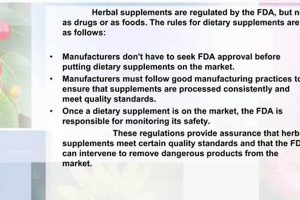
Herbal supplements are not subject to the same level of scrutiny and regulation as prescription medications. The Food and Drug Administration (FDA) regulates supplements as food products, not as drugs, which means that they do not need to be proven safe and effective before being marketed.
Question 5: How long does it typically take to see results from using herbal supplements for prostate health?
The time it takes to experience potential benefits from herbal supplements can vary widely depending on the individual, the specific supplement, and the underlying condition. Some individuals may notice improvements within a few weeks, while others may not experience any noticeable effects. A healthy dose of skepticism is warranted.
Question 6: What is the role of a healthcare provider in the decision to use herbal supplements for prostate health?
Consulting with a healthcare provider is essential before initiating any herbal supplement regimen. A healthcare provider can assess individual health status, evaluate potential interactions with medications, and provide guidance on appropriate supplement choices and dosages.
The information provided in these FAQs should not be interpreted as medical advice. Individuals with concerns about prostate health should seek guidance from qualified healthcare professionals.
The subsequent section will provide resources for further exploration and consultation.
Conclusion
The preceding discourse has explored various facets of plant-derived compounds employed with the intent of supporting the male genitourinary system. It underscores the importance of approaching the use of botanical agents with discernment, recognizing that the strength of scientific evidence varies considerably among different supplements. The information serves to inform without advocating.
Ultimately, responsible engagement with complementary approaches necessitates informed decision-making, guided by both scientific insights and professional medical advice. The exploration of botanical options can be one facet of a comprehensive strategy for maintaining health. Prioritizing safety and evidence-based practices remains paramount. Further research, combined with personalized medical guidance, is essential to optimize the potential benefits of herbal supplements while mitigating any associated risks to well-being.