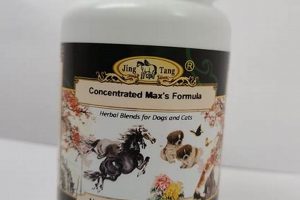
Products marketed as natural remedies for obsessive-compulsive disorder, a mental health condition characterized by intrusive thoughts and repetitive behaviors, are often categorized under this term. These items typically contain plant-derived ingredients and are presented as alternatives or complements to conventional treatments like therapy and medication. They are not regulated by the U.S. Food and Drug Administration (FDA) in the same way as pharmaceuticals.
The appeal of these products lies in the perception of natural ingredients being gentler or having fewer side effects than prescription drugs. Historically, various cultures have employed herbs for mental well-being. However, the efficacy and safety of these treatments for OCD are often not rigorously evaluated in clinical trials. It’s vital to understand that the marketing of such supplements does not equate to proven medical benefit.
The following sections will delve into the specific herbs commonly found in these products, their purported mechanisms of action, the available scientific evidence supporting their use, and the potential risks and interactions associated with their consumption. Informed decision-making requires a comprehensive understanding of these factors before considering any supplement for managing OCD symptoms.
Individuals exploring alternative or complementary approaches to managing obsessive-compulsive disorder should proceed with caution and prioritize evidence-based information.
Tip 1: Consult a Healthcare Professional: Before initiating any regimen involving herbal supplements for OCD, a consultation with a physician or qualified mental health provider is essential. This step ensures the safety of the proposed treatment plan and avoids potential interactions with existing medications or medical conditions.
Tip 2: Research Ingredients Thoroughly: Investigate the scientific evidence supporting the use of each herb included in the supplement. Examine reputable sources, such as peer-reviewed journals and established medical organizations, to assess efficacy and potential side effects.
Tip 3: Verify Supplement Quality: Since dietary supplements are not subject to the same rigorous regulations as pharmaceuticals, select products from reputable manufacturers that adhere to Good Manufacturing Practices (GMP). Look for third-party certifications indicating purity and potency.
Tip 4: Manage Expectations Realistically: Recognize that herbal supplements are unlikely to provide a complete cure for OCD. They may, in some instances, offer modest symptomatic relief, but should not replace established treatments like cognitive behavioral therapy (CBT) or medication, if prescribed by a healthcare provider.
Tip 5: Monitor for Adverse Effects: Closely observe for any adverse reactions or changes in symptoms following the initiation of supplementation. Discontinue use immediately and seek medical attention if any concerning symptoms arise.
Tip 6: Consider Potential Interactions: Herbal supplements can interact with prescription medications, potentially altering their effectiveness or increasing the risk of side effects. Disclose all supplements being taken to healthcare providers to mitigate this risk.
Tip 7: Focus on Holistic Well-being: Integrate herbal remedies, if appropriate, with other evidence-based strategies for managing OCD, such as mindfulness practices, regular exercise, and a balanced diet. This comprehensive approach can promote overall mental health and well-being.
Adherence to these guidelines facilitates informed decision-making regarding the use of natural remedies for OCD, prioritizing safety and maximizing the potential for positive outcomes.
Subsequent discussions will address the long-term considerations and ethical implications surrounding the use of such products in the context of mental health care.
1. Unproven Efficacy

The assertion of “unproven efficacy” concerning products marketed as remedies for obsessive-compulsive disorder necessitates careful scrutiny. The absence of robust scientific validation undermines claims of therapeutic benefit and raises ethical considerations for both manufacturers and consumers.
- Lack of Rigorous Clinical Trials
Many supplements lack the backing of large-scale, randomized, placebo-controlled trials the gold standard for evaluating medical interventions. The absence of this rigorous testing means that positive outcomes reported may be attributable to factors other than the supplement itself, such as the placebo effect or concurrent therapies. This lack of rigorous trials fails to meet scientific scrutiny.
- Small Sample Sizes and Methodological Limitations
Some studies investigating the effectiveness of supplements for OCD are limited by small sample sizes or methodological flaws, such as the absence of blinding or adequate control groups. These limitations compromise the reliability and generalizability of the findings, making it difficult to draw definitive conclusions about efficacy. The results of such studies are, at best, preliminary and require confirmation through more robust research.
- Variability in Product Formulation and Dosage
The lack of standardized manufacturing processes for dietary supplements leads to significant variability in product formulation and dosage. This inconsistency makes it challenging to assess efficacy, as the active ingredients may not be present in the stated amounts, or may be subject to degradation or contamination. Consequently, even if a particular herb shows promise in preliminary studies, the variability in product quality undermines confidence in its consistent therapeutic effect.
- Reliance on Anecdotal Evidence and Testimonials
Marketing campaigns for supplements frequently rely on anecdotal evidence and testimonials, rather than scientific data, to promote their purported benefits. Such claims are inherently unreliable and cannot be substituted for the rigorous evaluation of efficacy required for medical interventions. Furthermore, testimonials may be subject to bias or manipulation, further eroding their credibility. Clinical studies are paramount in this case.
The combined effect of these factors underscores the “unproven efficacy” of many products marketed for OCD. Consumers must critically evaluate claims made by manufacturers and consult with qualified healthcare professionals to make informed decisions about treatment options. The pursuit of remedies should prioritize evidence-based approaches over unsubstantiated claims.
2. Potential Interactions

The potential for adverse interactions constitutes a critical consideration when evaluating herbal products marketed for obsessive-compulsive disorder. The simultaneous use of these supplements with conventional medications, or even with other herbal remedies, can trigger unpredictable pharmacological effects, potentially compromising treatment efficacy or inducing harmful side effects. This risk arises due to the complex chemical composition of herbs, which may affect drug metabolism, receptor binding, or neurotransmitter activity.
Specific examples illustrate the practical significance of this concern. St. John’s Wort, sometimes promoted for its mood-enhancing properties, is known to induce cytochrome P450 enzymes, thereby reducing the effectiveness of many prescription drugs, including certain antidepressants and oral contraceptives. Similarly, kava, used for its purported anxiolytic effects, can increase the sedative effects of benzodiazepines and alcohol, posing a risk of excessive drowsiness or respiratory depression. Such interactions highlight the importance of a comprehensive understanding of each herb’s pharmacological profile before its use in conjunction with other substances. The absence of complete labeling requirements for herbal products further complicates risk assessment.
In conclusion, the potential for interactions underscores the necessity of rigorous evaluation and open communication with healthcare providers when considering any herbal product for OCD. A thorough review of existing medications and medical conditions is paramount to minimize the risk of adverse effects. Vigilance and professional guidance are indispensable to ensure the safe and effective integration of such supplements into a comprehensive treatment plan. Ignoring this aspect can render the entire approach detrimental.
3. Variable Quality

The concept of variable quality is paramount when evaluating products marketed as “ocd herbal supplement.” The lack of stringent regulatory oversight in the supplement industry leads to inconsistencies in product composition, potency, and purity. This variability significantly impacts the reliability and safety of these products for individuals seeking relief from obsessive-compulsive disorder symptoms. The following points detail specific facets of this concern.
- Source Material Discrepancies
The origin and handling of raw herbal ingredients can vary widely among manufacturers. Factors such as geographic location, harvesting practices, and storage conditions influence the concentration of active compounds. Contamination with pesticides, heavy metals, or other adulterants is also a concern. This inconsistency in source material directly affects the efficacy and safety of the finished product. Products using cheaper, lower quality source material would be less effective.
- Inconsistent Manufacturing Processes
Manufacturing practices are not uniformly standardized across the supplement industry. Extraction methods, encapsulation techniques, and quality control procedures vary significantly. Some manufacturers may lack the equipment or expertise to ensure consistent extraction and preservation of active compounds. This leads to products with variable potency, even when claiming the same dosage of a specific herb. Improper storage also affects product quality.
- Labeling Inaccuracies
Analysis of dietary supplements has revealed frequent discrepancies between the ingredients listed on the label and the actual contents of the product. Underreporting of active compounds or undisclosed presence of contaminants is not uncommon. This lack of transparency undermines consumer confidence and poses a risk of adverse effects due to unexpected ingredients or dosages. Third-party testing can sometimes help mitigate this issue but isn’t foolproof.
- Lack of Standardized Dosage Forms
The absence of standardized dosage forms for herbal supplements complicates comparisons between different products. Capsules, tablets, extracts, and tinctures may contain varying concentrations of active ingredients, even when labeled with the same weight of a specific herb. This makes it difficult for consumers to determine an appropriate dosage and increases the risk of underdosing or overdosing. A single brands capsule can differ batch to batch.
The confluence of these factors reinforces the inherent variability in the quality of products sold as “ocd herbal supplement.” Individuals considering these products should be aware of these challenges and prioritize brands that implement rigorous quality control measures and provide transparency regarding their sourcing and manufacturing processes. Consulting a healthcare professional is essential to navigate these complexities and make informed decisions.
4. Regulation Absence

The absence of rigorous regulatory oversight concerning herbal supplements marketed for obsessive-compulsive disorder has profound implications for product safety, efficacy, and consumer trust. This lack of regulation creates an environment where manufacturers operate with minimal external scrutiny, potentially compromising product quality and exposing consumers to unnecessary risks.
- Unsubstantiated Health Claims
In the absence of stringent regulation, manufacturers may make unsubstantiated health claims regarding the ability of their products to alleviate OCD symptoms. These claims often lack scientific validation and can mislead individuals seeking effective treatment options. The U.S. Food and Drug Administration (FDA) generally does not review or approve dietary supplements before they are marketed, allowing manufacturers to make claims that have not been rigorously tested. This can lead individuals to forgo evidence-based treatments in favor of unproven remedies. In some countries, regulations are even more lax, allowing products with potentially harmful ingredients to be sold without restriction.
- Inconsistent Manufacturing Standards
The lack of standardized manufacturing practices for herbal supplements results in considerable variability in product quality. Without mandatory adherence to Good Manufacturing Practices (GMP), there is no assurance that products are consistently manufactured to meet purity, potency, and safety standards. This inconsistency makes it challenging for consumers to determine the reliability and safety of different products. Products produced in unregulated facilities are at risk of contamination or containing incorrect dosages of active ingredients.
- Limited Adverse Event Reporting
The absence of a comprehensive adverse event reporting system for herbal supplements hinders the ability to monitor and address potential safety concerns. Healthcare professionals and consumers are not always required to report adverse reactions associated with supplement use, making it difficult to identify emerging risks. This lack of data limits the capacity to assess the true safety profile of these products and take appropriate regulatory action. The reliance on voluntary reporting often results in significant underreporting of adverse events.
- Restricted Enforcement Powers
Regulatory agencies, such as the FDA, have limited enforcement powers to address violations in the supplement industry. While the FDA can take action against products that are deemed adulterated or misbranded, the process is often slow and resource-intensive. This restricted enforcement capacity allows unscrupulous manufacturers to continue marketing substandard or unsafe products with minimal risk of repercussions. The burden of proof often falls on the regulatory agency to demonstrate that a product is harmful, rather than on the manufacturer to prove its safety and efficacy.
The confluence of unsubstantiated health claims, inconsistent manufacturing standards, limited adverse event reporting, and restricted enforcement powers underscores the significant challenges posed by the absence of robust regulation in the “ocd herbal supplement” market. Consumers must exercise caution and seek guidance from qualified healthcare professionals when considering these products, and advocate for increased regulatory oversight to ensure product safety and efficacy.
5. Placebo response
The placebo response represents a significant consideration in the evaluation of herbal supplements marketed for obsessive-compulsive disorder. This phenomenon, characterized by measurable or perceived improvement in symptoms following an inert treatment, can confound the assessment of true therapeutic efficacy. Individuals experiencing OCD, who are highly motivated to find relief, may be particularly susceptible to the placebo effect, thereby overestimating the benefits derived from herbal supplements. For example, a person taking a capsule labeled as containing a specific herb may report a reduction in intrusive thoughts, regardless of whether the capsule contains any active ingredient. This subjective improvement can be attributed to factors such as expectation, conditioning, or the mere act of engaging in a treatment regimen. It is an important component of evaluation but must be isolated effectively.
The importance of controlling for the placebo response in clinical trials of herbal supplements for OCD cannot be overstated. Rigorous study designs, including randomized, double-blind, placebo-controlled trials, are essential to disentangle the true effects of the supplement from the effects of expectation. Failure to account for the placebo response can lead to inaccurate conclusions about the efficacy of the treatment, potentially resulting in the widespread adoption of ineffective or even harmful remedies. Consider a scenario where a small-scale study reports positive outcomes with a particular herbal supplement, but the study lacks a proper placebo control. The observed improvements may be entirely attributable to the placebo effect, with no genuine therapeutic benefit from the supplement itself. Many smaller trials cannot afford to isolate the effect effectively due to cost constraints, so a lack of effect may not indicate absolute ineffectiveness.
In summary, the placebo response represents a significant challenge in the assessment of herbal supplements for OCD. Awareness of this phenomenon is crucial for both researchers and consumers to make informed decisions about treatment options. By employing rigorous study designs and maintaining a critical perspective, it is possible to distinguish true therapeutic effects from the effects of expectation, thereby promoting the development and utilization of effective, evidence-based interventions for OCD. The interplay needs careful evaluation to avoid misinterpretations.
Frequently Asked Questions Regarding “ocd herbal supplement” Products
This section addresses common inquiries and concerns related to the use of herbal supplements marketed for obsessive-compulsive disorder (OCD). The information provided is intended for informational purposes only and does not constitute medical advice.
Question 1: Are products sold as “ocd herbal supplement” FDA-approved?
Generally, the U.S. Food and Drug Administration (FDA) does not approve dietary supplements, including those marketed for OCD. The FDA regulates supplements differently than prescription drugs. Manufacturers are responsible for ensuring the safety of their products, but they do not need to obtain FDA approval before marketing them.
Question 2: Can products sold as “ocd herbal supplement” cure OCD?
There is no scientific evidence to support the claim that herbal supplements can cure OCD. OCD is a complex mental health condition that typically requires comprehensive treatment, including cognitive-behavioral therapy (CBT) and/or medication prescribed by a qualified healthcare professional. Supplements may, at best, offer modest symptomatic relief for some individuals.
Question 3: What are the potential risks associated with using products sold as “ocd herbal supplement?”
Potential risks include adverse interactions with prescription medications, contamination with adulterants or heavy metals, inconsistent product quality, and unsubstantiated health claims. It is crucial to consult with a healthcare provider before using any herbal supplement, especially if taking other medications or having pre-existing medical conditions.
Question 4: How can consumers ensure the quality and safety of products sold as “ocd herbal supplement?”
Consumers should prioritize products from reputable manufacturers that adhere to Good Manufacturing Practices (GMP). Look for third-party certifications indicating purity and potency. Thoroughly research the ingredients in the supplement and consult with a healthcare professional to assess its suitability. Be skeptical of exaggerated claims and anecdotal evidence.
Question 5: Can products sold as “ocd herbal supplement” replace conventional OCD treatments?
Herbal supplements should not replace evidence-based treatments for OCD, such as CBT or medication. These treatments have been rigorously tested and proven effective. Supplements may be considered as a complementary approach, but only under the guidance of a qualified healthcare provider.
Question 6: Are there any specific herbal ingredients that have been proven effective for OCD?
While some herbs, such as St. John’s Wort or passionflower, have shown potential in preliminary studies for reducing anxiety or improving mood, there is limited scientific evidence to support their efficacy specifically for OCD. Furthermore, the effects of these herbs can vary significantly depending on the individual and the product formulation.
In summary, products marketed as “ocd herbal supplement” should be approached with caution. Rigorous scientific evidence supporting their efficacy is lacking, and potential risks exist. Consultation with a healthcare professional is essential before considering their use.
The next section will provide a conclusion summarizing the key findings and recommendations discussed in this article.
Conclusion
This exposition has critically examined the products marketed as “ocd herbal supplement,” elucidating key considerations for potential users. The absence of stringent regulatory oversight, variability in product quality, potential for adverse interactions, and the confounding influence of the placebo response collectively necessitate a cautious approach. Claims of efficacy often lack robust scientific validation, and reliance on anecdotal evidence is insufficient to establish therapeutic benefit. Furthermore, the complex interplay between herbal ingredients and conventional medications necessitates careful evaluation by a qualified healthcare professional.
The pursuit of mental well-being requires informed decision-making grounded in evidence-based practices. While the allure of natural remedies persists, the inherent risks and uncertainties associated with “ocd herbal supplement” products warrant thoughtful consideration. Individuals are encouraged to prioritize established treatments, such as cognitive-behavioral therapy and pharmacotherapy, and to engage in open communication with healthcare providers regarding any alternative or complementary approaches. Continued research and increased regulatory scrutiny are essential to safeguard consumer interests and promote the responsible utilization of herbal products in the context of mental health care. A future outlook requires more data.