Formulations incorporating botanicals intended to support articulation integrity are available in various forms. These preparations often contain extracts from plants recognized for their anti-inflammatory and analgesic properties. For instance, products may include turmeric, ginger, or boswellia, ingredients traditionally utilized in diverse medicinal systems.
The appeal of these natural remedies stems from a perceived lower risk of adverse effects compared to conventional pharmaceuticals. Advocates suggest potential benefits such as reduced discomfort, improved flexibility, and enhanced overall well-being. Throughout history, societies have relied on botanical sources to address musculoskeletal ailments, laying the groundwork for modern interest in these types of therapies.
The subsequent sections will delve into the specific ingredients commonly found in these formulations, examine the scientific evidence supporting their efficacy, and explore considerations for individuals contemplating their use as part of a comprehensive wellness strategy. Furthermore, potential interactions with other medications and appropriate dosage guidelines will be addressed.
The selection and utilization of botanical formulations for maintaining articular health require careful consideration. A well-informed approach maximizes potential benefits while minimizing the risk of adverse effects.
Tip 1: Consult with a Healthcare Professional: Prior to initiating any botanical regimen, a consultation with a physician or qualified healthcare provider is essential. This ensures the chosen formulation is appropriate for the individual’s specific health conditions and will not interact adversely with existing medications.
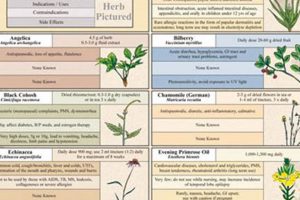
Tip 2: Research Active Ingredients: Thoroughly investigate the specific botanicals included in the formulation. Understand their purported mechanisms of action, potential benefits, and documented side effects. Reputable sources of information include peer-reviewed scientific literature and established herbal medicine databases.
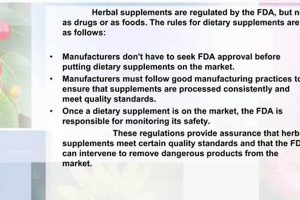
Tip 3: Verify Product Quality: Opt for products manufactured by reputable companies that adhere to Good Manufacturing Practices (GMP). Look for certifications from independent organizations that verify the purity and potency of the ingredients. This minimizes the risk of contamination and ensures accurate labeling.
Tip 4: Adhere to Recommended Dosage: Strictly follow the dosage recommendations provided by the manufacturer or as advised by a healthcare professional. Exceeding the recommended dosage does not necessarily enhance benefits and may increase the likelihood of adverse effects.
Tip 5: Monitor for Adverse Reactions: Pay close attention to any potential adverse reactions following the initiation of the regimen. Common side effects may include gastrointestinal upset, skin irritation, or allergic reactions. Discontinue use immediately if any concerning symptoms arise and consult with a healthcare provider.
Tip 6: Consider Long-Term Use Implications: Evaluate the long-term implications of continuous use. While botanical remedies are often perceived as safe, prolonged use may have unforeseen consequences. Periodic reassessment with a healthcare professional is advisable.
Tip 7: Be Aware of Potential Interactions: Certain botanicals can interact with conventional medications, potentially altering their effectiveness or increasing the risk of side effects. Inform healthcare providers of all supplements being taken, including botanical formulations.
Careful selection and responsible use are paramount to realizing the potential advantages of botanical approaches to articular wellness. A holistic approach, integrating dietary modifications, exercise, and conventional medical care, often yields the most favorable outcomes.
The subsequent sections will delve into comparative analyses of different botanical formulations and explore future directions in research pertaining to their efficacy and safety.
1. Anti-Inflammatory Action

Inflammation is a primary driver of joint discomfort and degradation. Botanical formulations targeting articular health frequently incorporate ingredients known for their capacity to modulate inflammatory pathways, thereby mitigating symptoms and potentially slowing disease progression.
- Inhibition of Inflammatory Enzymes
Certain botanicals, such as turmeric (containing curcumin) and ginger, possess the ability to inhibit key enzymes involved in the inflammatory cascade, including cyclooxygenase-2 (COX-2) and lipoxygenase (LOX). This inhibition reduces the production of pro-inflammatory mediators, such as prostaglandins and leukotrienes, leading to decreased swelling, pain, and stiffness.
- Modulation of Cytokine Production
Inflammation is regulated by cytokines, signaling molecules that mediate communication between immune cells. Some botanical extracts, including boswellia, have demonstrated the capacity to modulate cytokine production, specifically suppressing the release of pro-inflammatory cytokines such as interleukin-1 (IL-1) and tumor necrosis factor-alpha (TNF-). This modulation can contribute to a more balanced inflammatory response within the joint.
- Antioxidant Activity
Oxidative stress, an imbalance between the production of free radicals and the body’s antioxidant defenses, contributes to inflammation. Many botanicals possess antioxidant properties, scavenging free radicals and reducing oxidative damage. Examples include green tea extract and resveratrol, which can help protect joint tissues from oxidative stress-induced inflammation.
- Regulation of NF-B Pathway
The nuclear factor kappa B (NF-B) pathway is a central regulator of inflammation. Activation of NF-B leads to the transcription of genes encoding pro-inflammatory cytokines and enzymes. Certain botanical compounds, such as those found in devil’s claw, have been shown to inhibit NF-B activation, thereby reducing inflammation.
The effectiveness of botanical formulations in mitigating joint inflammation is contingent on the specific ingredients, their concentrations, and the individual’s physiological response. While these natural remedies offer a potential alternative or adjunct to conventional anti-inflammatory medications, rigorous scientific evaluation is essential to validate their efficacy and ensure safety.
2. Cartilage Protection

The integrity of articular cartilage is paramount for joint function and longevity. Botanical formulations marketed for articular support often emphasize their potential to protect or even regenerate cartilage tissue, thereby mitigating the progression of degenerative joint conditions.
- Chondroprotective Agents and Matrix Synthesis
Certain substances found in botanical formulations may stimulate chondrocytes, the cells responsible for synthesizing and maintaining cartilage matrix. Glucosamine and chondroitin, though often derived from animal sources, are sometimes included in combination with botanical extracts. These compounds provide building blocks for proteoglycans, essential components of cartilage that provide structural support and resistance to compression. It remains important to ensure the source of glucosamine and chondroitin is well documented and complies with any dietary restrictions.
- Inhibition of Cartilage-Degrading Enzymes
Matrix metalloproteinases (MMPs) are a family of enzymes that degrade cartilage matrix components. Some botanicals, such as green tea extract (containing epigallocatechin gallate or EGCG), have demonstrated the capacity to inhibit MMP activity. By reducing MMP-mediated degradation, these botanicals may help preserve cartilage integrity.
- Anti-Inflammatory Effects on Cartilage Metabolism
Chronic inflammation disrupts cartilage metabolism, promoting degradation and inhibiting repair. Botanicals with anti-inflammatory properties, such as turmeric and boswellia, may indirectly protect cartilage by reducing the inflammatory milieu within the joint. This can help restore a more balanced environment conducive to cartilage homeostasis.
- Antioxidant Protection of Chondrocytes
Oxidative stress can damage chondrocytes and impair their ability to synthesize cartilage matrix. Botanicals with antioxidant properties, such as resveratrol, may protect chondrocytes from oxidative damage, thereby preserving their function and viability. The presence of such antioxidants contributes to overall cartilage health.
The purported ability of botanical formulations to protect cartilage is a key marketing claim; however, rigorous clinical evidence supporting these claims remains variable. While preclinical studies and some clinical trials suggest potential benefits, larger, well-controlled studies are needed to definitively establish the efficacy of these formulations in preventing or slowing cartilage degradation in humans. Considerations should include the specific botanical extracts, their concentrations, and the bioavailability of the active compounds. Further investigation should always be done.
3. Pain Reduction

The alleviation of pain is a central objective for individuals seeking articular support. Formulations incorporating botanicals often emphasize their potential to reduce discomfort associated with joint conditions, thereby improving quality of life and functional capacity.
- Analgesic Properties of Specific Botanicals
Certain plant-derived compounds possess inherent analgesic properties, acting through various mechanisms to diminish pain perception. For instance, white willow bark contains salicin, a precursor to salicylic acid, which exerts anti-inflammatory and analgesic effects similar to aspirin. Similarly, capsaicin, derived from chili peppers, can desensitize pain receptors when applied topically, providing localized pain relief.
- Modulation of Inflammatory Pain Pathways
Inflammation plays a significant role in the development and perpetuation of joint pain. Botanical formulations targeting inflammation, such as those containing turmeric or boswellia, can indirectly reduce pain by suppressing inflammatory mediators. This reduction in inflammation can lead to decreased sensitivity of pain receptors and diminished overall discomfort.
- Influence on Central Pain Processing
Pain perception is not solely determined by peripheral stimuli but is also modulated by central nervous system processes. Some botanicals, such as lavender, have been shown to exert calming and anxiolytic effects, potentially influencing pain perception by modulating central pain pathways. This can lead to a subjective reduction in pain intensity and improved coping mechanisms.
- Synergistic Effects with Conventional Analgesics
Botanical formulations may be used in conjunction with conventional analgesic medications to achieve synergistic pain relief. By targeting different pain mechanisms, these combinations may allow for lower doses of conventional analgesics, potentially reducing the risk of adverse effects. However, careful monitoring is essential to avoid potential interactions and ensure patient safety.
The effectiveness of botanical formulations in reducing joint pain is contingent on the specific ingredients, the underlying cause of the pain, and the individual’s response. While these natural remedies offer a potential option for pain management, rigorous scientific evaluation is essential to validate their efficacy and determine their appropriate role in a comprehensive pain management strategy.
4. Ingredient Quality
The efficacy and safety of botanical formulations for articular support are intrinsically linked to the quality of the constituent ingredients. Variations in cultivation practices, harvesting methods, and manufacturing processes can significantly impact the potency and purity of the final product.
- Source and Authentication
The geographical origin and species verification of botanicals are critical. Adulteration with related but less effective species or contamination from environmental pollutants can compromise the integrity of the formulation. Reputable manufacturers employ rigorous authentication methods, including macroscopic and microscopic analysis, as well as DNA fingerprinting, to ensure the correct species and provenance.
- Extraction and Processing Methods
The method of extraction used to isolate active compounds from the raw botanical material can influence the final product’s composition. Solvent extraction, supercritical fluid extraction, and other techniques yield different concentrations and profiles of active constituents. The choice of extraction method must be optimized to preserve the desired compounds and minimize the presence of undesirable substances.
- Standardization and Purity
Standardized extracts contain a guaranteed minimum concentration of one or more key active compounds. This ensures batch-to-batch consistency and allows for more precise dosing. Furthermore, rigorous testing for contaminants, such as heavy metals, pesticides, and microbial organisms, is essential to ensure product safety and prevent adverse health effects.
- Bioavailability Enhancement
Even with high-quality ingredients, the body’s ability to absorb and utilize active compounds is a limiting factor. Some formulations incorporate bioavailability enhancers, such as piperine (from black pepper) or phospholipid complexes, to improve absorption and enhance the therapeutic effect.
The selection of botanical formulations for articular support necessitates a critical assessment of ingredient quality. Prioritizing products from reputable manufacturers who adhere to stringent quality control standards can significantly enhance the likelihood of achieving the desired therapeutic benefits while minimizing the risk of adverse effects.
5. Bioavailability
Bioavailability, in the context of botanical formulations intended to support articular health, refers to the degree and rate at which active constituents are absorbed from the formulation and become available at the target site of action within the body. The efficacy of these formulations is contingent not only on the presence of active compounds but also on their ability to reach the affected joint tissues in sufficient concentrations to exert a therapeutic effect. Inadequate absorption limits the potential benefits, rendering even well-formulated products ineffective. For example, curcumin, a key component of turmeric, exhibits limited bioavailability due to poor water solubility and rapid metabolism in the liver and intestinal wall. This necessitates the use of specific delivery systems, such as liposomes or piperine co-administration, to enhance its absorption and achieve therapeutic levels in joint tissues.
The bioavailability of botanical constituents is influenced by various factors, including the chemical structure of the compound, the formulation matrix, the route of administration, and individual physiological characteristics. The formulation matrix, including excipients and delivery systems, can significantly impact absorption. For instance, the encapsulation of boswellic acids in phospholipid complexes enhances their solubility and permeability across biological membranes, leading to improved bioavailability compared to unformulated extracts. Furthermore, individual variations in gastrointestinal pH, enzyme activity, and gut microbiota composition can influence the absorption and metabolism of botanical constituents, leading to inter-individual differences in therapeutic response. The practical significance of this understanding lies in the need for tailored approaches to botanical supplementation, considering individual factors and formulation strategies to optimize bioavailability.
In summary, bioavailability is a critical determinant of the clinical effectiveness of botanical formulations intended to support articular health. Addressing the challenges associated with poor absorption through innovative formulation strategies and personalized approaches is essential to maximizing the therapeutic potential of these natural remedies. Further research is needed to elucidate the factors influencing bioavailability and to develop targeted delivery systems that enhance the absorption and distribution of active constituents to joint tissues.
6. Safety Profile

The safety profile is a paramount consideration in the evaluation of any formulation intended for articular support. As formulations incorporating botanicals become increasingly prevalent, a comprehensive understanding of their potential adverse effects, drug interactions, and contraindications is essential to safeguard public health. While these remedies are often perceived as natural and therefore inherently safe, this assumption is frequently unfounded and can lead to adverse outcomes. A detailed safety profile encompasses an analysis of preclinical toxicity studies, clinical trial data, post-market surveillance reports, and documented case studies of adverse events. For example, some botanical extracts, such as devil’s claw, have been associated with gastrointestinal disturbances, while others, such as comfrey, contain pyrrolizidine alkaloids that can cause liver damage. The absence of a well-defined safety profile poses a significant risk to consumers, as it hinders informed decision-making and increases the likelihood of adverse reactions.
Furthermore, the potential for interactions between botanical formulations and conventional medications necessitates careful consideration. Many botanicals can affect drug metabolism through cytochrome P450 enzymes, leading to altered drug concentrations and either reduced efficacy or increased toxicity. For instance, St. John’s Wort, while not typically used for joint support, is a potent inducer of CYP3A4, an enzyme involved in the metabolism of numerous medications, including anticoagulants and immunosuppressants. While unrelated, this does highlights the importance of safety and the potential impacts on users. A comprehensive safety profile should therefore include a thorough assessment of potential drug interactions, based on in vitro and in vivo studies, as well as clinical trial data. In practical terms, this underscores the importance of healthcare providers obtaining a complete medication history, including all supplements and botanical remedies, from their patients.
In summary, the safety profile is an indispensable component of the overall assessment of botanical formulations for articular support. A thorough understanding of potential adverse effects, drug interactions, and contraindications is essential to ensure patient safety and promote responsible use of these remedies. A robust safety profile is not a guarantee of absolute safety, but rather a framework for informed decision-making and risk management.
Frequently Asked Questions About Herbal Joint Supplement
This section addresses common inquiries regarding the use of formulations incorporating botanicals for articular support. The information provided aims to clarify misunderstandings and offer guidance for responsible decision-making.
Question 1: Are all herbal joint supplements equally effective?
No. The efficacy of these products varies significantly depending on the specific ingredients, their concentrations, quality, and the presence of bioavailability enhancers. Products with higher-quality ingredients, standardized extracts, and bioavailability enhancement typically demonstrate greater effectiveness. Individual responses also vary based on factors such as age, health status, and severity of the underlying joint condition.
Question 2: Can herbal joint supplements completely replace conventional medical treatments for arthritis?
Herbal remedies should not be considered a complete replacement for conventional medical treatments, particularly for chronic conditions such as arthritis. They may serve as adjunctive therapies to complement conventional treatments, potentially reducing the reliance on certain medications. Consultation with a healthcare professional is essential to determine the appropriate role of these products in an overall treatment plan.
Question 3: Are herbal joint supplements safe for everyone?
No. Certain individuals may be at higher risk of experiencing adverse effects from these products. Pregnant or breastfeeding women, individuals with pre-existing medical conditions (such as liver or kidney disease), and those taking prescription medications should exercise caution and consult with a healthcare professional before using these products. Additionally, individuals with known allergies to specific plants should avoid products containing those ingredients.
Question 4: How long does it take to experience the benefits of herbal joint supplements?
The time required to experience noticeable benefits varies depending on the individual, the specific product, and the severity of the underlying joint condition. Some individuals may experience improvements within a few weeks, while others may require several months of consistent use. It is important to adhere to the recommended dosage and allow sufficient time for the product to exert its effects.
Question 5: Are there any known drug interactions associated with herbal joint supplements?
Yes. Certain herbal ingredients can interact with prescription medications, potentially altering their effectiveness or increasing the risk of side effects. For example, some products may interact with blood thinners, anti-inflammatory drugs, or immunosuppressants. Individuals taking prescription medications should consult with a healthcare professional to assess the potential for drug interactions before using these products.
Question 6: How can consumers ensure they are purchasing a high-quality herbal joint supplement?
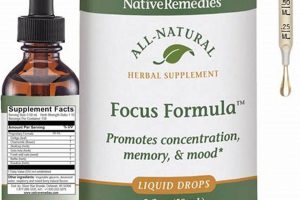
Consumers should carefully evaluate the product’s label, looking for information such as the specific ingredients, standardized extracts, and certifications from independent organizations that verify the product’s purity and potency. Purchasing products from reputable manufacturers who adhere to Good Manufacturing Practices (GMP) is also advisable. Consulting with a healthcare professional or pharmacist can provide further guidance in selecting a suitable product.
In summary, the use of these formulations requires a well-informed and cautious approach. Consulting with healthcare providers and carefully evaluating product quality are essential to maximizing potential benefits and minimizing risks.
The subsequent section will summarize the key considerations for individuals contemplating the use of these natural remedies for articular support.
Herbal Joint Supplement
This exploration of preparations containing botanicals for articular support underscores the multifaceted nature of these remedies. Efficacy hinges on ingredient quality, bioavailability, and the formulation’s capacity to address both inflammation and cartilage protection. A thorough understanding of potential risks, including drug interactions, is paramount. The presented information emphasizes that these are not universally effective, nor are they replacements for established medical treatments. Their appropriate role is as a potential adjunct, considered under the guidance of qualified healthcare professionals.
Continued rigorous scientific investigation is imperative to fully elucidate the mechanisms of action and long-term effects of these compounds. Individuals considering the incorporation of an herbal joint supplement into their wellness regimen must prioritize evidence-based decision-making, placing safety and informed consent at the forefront of their approach.