Products marketed for lessening the impact of stressors often incorporate botanicals. These preparations typically contain extracts from plants known for their purported calming or adaptogenic properties. As an example, capsules containing valerian root extract are frequently consumed before sleep to promote relaxation.
The appeal of botanical remedies lies in their perceived natural origin and the long-standing traditions of use in various cultures. These formulations are sought after for their potential to mitigate the physiological and psychological effects of strain. Historically, such plant-based solutions have been integral to wellness practices worldwide, offering alternatives to conventional treatments.
The following sections will delve into specific plant-derived ingredients, their purported mechanisms of action, and considerations for responsible consumption of these preparations. Furthermore, information about potential interactions with other medications and the importance of consulting with healthcare professionals will be provided.
Guidance on Utilizing Botanical Preparations for Stress Management
This section offers practical guidance for individuals considering the use of plant-derived products to manage the effects of tension. The information presented is intended to provide a foundation for informed decision-making, and should not replace consultation with qualified healthcare professionals.
Tip 1: Research Reputable Brands: Prioritize products from manufacturers with demonstrated commitments to quality control, third-party testing, and transparent sourcing of ingredients. Examine labels carefully for certifications and verifiable ingredient information.
Tip 2: Commence with Conservative Dosages: Initiate use with the lowest recommended dose, gradually increasing as needed and as tolerated. This approach allows for the assessment of individual sensitivity and minimization of potential adverse effects.
Tip 3: Monitor for Interactions with Medications: Consult a physician or pharmacist to ascertain potential interactions between botanical substances and concurrently used prescription or over-the-counter medications. Certain plant compounds can affect the metabolism of drugs, altering their efficacy or safety profile.
Tip 4: Emphasize Holistic Wellness Practices: Integrate these preparations within a comprehensive stress management strategy that includes regular physical activity, adequate sleep, a balanced diet, and mindfulness techniques. Reliance solely on botanical substances is unlikely to yield optimal outcomes.
Tip 5: Be Aware of Potential Side Effects: Familiarize oneself with the known side effects associated with specific botanicals. Discontinue use and seek medical attention if any concerning symptoms develop, such as allergic reactions, gastrointestinal distress, or changes in mental status.
Tip 6: Prioritize Standardization: Opt for products standardized to a specific concentration of active compounds. Standardization ensures a more consistent and predictable therapeutic effect, as the potency of raw plant material can vary significantly.
Tip 7: Consider Professional Guidance: Seek counsel from a qualified healthcare professional, such as a physician, naturopathic doctor, or herbalist, to determine the suitability of botanical substances based on individual health conditions and potential contraindications.
Adherence to these guidelines can help individuals make more informed decisions about the safe and effective use of plant-derived products for managing stress. However, these preparations are not intended to replace conventional medical treatments for anxiety or other mental health conditions.
The following sections will explore considerations for long-term use and the role of lifestyle modifications in promoting overall well-being.
1. Safety Profiles

The evaluation of safety profiles is paramount when considering botanical formulations for tension reduction. Thorough understanding of potential adverse effects, contraindications, and drug interactions is essential for responsible and informed use of these preparations.
- Hepatic Considerations
Certain botanical ingredients, such as kava (Piper methysticum), have been associated with hepatotoxicity, ranging from elevated liver enzymes to acute liver failure. Individuals with pre-existing liver conditions or those taking medications metabolized by the liver should exercise extreme caution and consult with a healthcare professional before using such supplements.
- Drug Interactions
Many plant-derived compounds can interact with prescription and over-the-counter medications, potentially altering their efficacy or increasing the risk of adverse effects. For instance, St. John’s Wort (Hypericum perforatum) is a known inducer of cytochrome P450 enzymes, which can reduce the effectiveness of drugs like oral contraceptives, antidepressants, and anticoagulants.
- Allergic Reactions and Sensitivities
Hypersensitivity reactions to botanical extracts are possible. Symptoms may range from mild skin rashes and gastrointestinal upset to severe anaphylaxis. Individuals with known allergies to related plants or families should exercise caution when introducing new botanical formulations. Starting with low doses and monitoring for any signs of an allergic reaction is advisable.
- Contraindications in Specific Populations
Certain populations, such as pregnant or breastfeeding women, children, and individuals with specific medical conditions (e.g., autoimmune disorders, bleeding disorders), may face increased risks from using certain botanical preparations. For example, adaptogens like ashwagandha, while generally considered safe for many adults, might be contraindicated during pregnancy due to their potential effects on hormonal balance.
A meticulous review of the safety profiles, encompassing potential hepatic risks, drug interactions, allergic reactions, and contraindications, is indispensable when considering botanical approaches to mitigating stress. Healthcare professional consultation remains crucial for safe integration into an individual’s health regimen.
2. Quality Control

The efficacy and safety of botanical preparations aimed at mitigating the effects of strain are directly contingent upon stringent quality control measures implemented throughout the production process. Inadequate oversight can result in products containing inaccurate concentrations of active compounds, adulterants, or contaminants, thereby diminishing therapeutic benefits and potentially posing health risks. The sourcing of raw materials, extraction techniques, and manufacturing practices all contribute to the final product’s integrity.
Real-world examples illustrate the practical significance of quality control. Numerous studies have demonstrated variability in the composition of commercially available St. John’s Wort products, with some containing significantly lower concentrations of hypericin and hyperforin than labeled. Similarly, instances of heavy metal contamination have been reported in herbal supplements sourced from regions with lax environmental regulations. Rigorous testing, including assays for active constituents, microbial contaminants, and heavy metals, is essential to ensure that products meet established quality standards. Third-party certifications, such as those from USP, NSF International, or ConsumerLab.com, provide an independent verification of product quality.
In conclusion, the connection between quality control and the utility of botanical formulations for stress management is undeniable. Establishing and maintaining robust quality assurance protocols is crucial for protecting consumer health and fostering confidence in the use of these preparations. The challenges associated with ensuring quality underscore the need for transparency, traceability, and collaboration between manufacturers, regulatory agencies, and independent testing organizations. Addressing these challenges is vital to harnessing the potential benefits of these substances while minimizing potential harms.
3. Adaptogenic properties
Adaptogenic properties represent a critical facet of many plant-derived products marketed for lessening the impact of stressors. These properties, inherent in certain botanical compounds, purportedly enhance the body’s resilience to various physical, chemical, and biological stressors. The theoretical framework posits that adaptogens modulate the hypothalamic-pituitary-adrenal (HPA) axis, the body’s central stress response system, to promote homeostasis under challenging conditions. Real-world examples include the use of Rhodiola rosea by athletes to enhance physical endurance and mental acuity during strenuous activity, and the traditional use of Withania somnifera (Ashwagandha) in Ayurvedic medicine to improve resistance to infection and alleviate anxiety.
The significance of adaptogenic properties within preparations targeting stress lies in their potential to address the underlying physiological mechanisms that contribute to the experience of duress. Unlike anxiolytic agents that primarily target symptomatic relief, adaptogens are thought to provide a more holistic approach by bolstering the body’s innate adaptive capacity. Eleutherococcus senticosus (Siberian Ginseng), for instance, has been investigated for its effects on immune function and cognitive performance under stressful conditions, suggesting a multi-faceted action beyond simple symptom management. However, it’s crucial to acknowledge that the scientific evidence supporting the efficacy of adaptogens remains varied, with some studies exhibiting methodological limitations or inconclusive results.
In summary, the inclusion of adaptogenic ingredients represents a distinct approach in the formulation of plant-derived stress-reduction products. Understanding these properties helps contextualize the purported benefits and informs consumer choices. While promising, the field necessitates further rigorous research to fully elucidate the mechanisms of action and determine optimal dosage protocols. The ongoing investigation into adaptogens underscores the broader goal of developing comprehensive and evidence-based strategies for supporting well-being under conditions of heightened strain.
4. Dosage guidelines
Dosage guidelines represent a critical intersection between the potential benefits and potential risks associated with botanical preparations intended to mitigate the impact of stressors. The quantity of active compounds consumed directly influences the physiological and psychological effects experienced. Insufficient dosages may render the preparation ineffective, failing to elicit the desired outcome. Conversely, excessive dosages can lead to adverse effects, ranging from mild gastrointestinal distress to more severe reactions such as hepatotoxicity or interactions with prescription medications. Therefore, adherence to established dosage recommendations, derived from scientific studies or traditional use, is paramount to ensuring both safety and efficacy. For instance, the recommended dosage for St. John’s Wort extract typically ranges from 300 to 900 mg per day, standardized to a specific hypericin content. Exceeding this dosage increases the risk of photosensitivity and drug interactions.
The determination of appropriate dosage guidelines involves a complex interplay of factors, including the specific botanical ingredient, the individual’s physiological characteristics (age, weight, health status), and the presence of any concurrent medications or health conditions. For example, individuals with hepatic impairment may require lower dosages of botanicals metabolized by the liver, such as Kava. Furthermore, the bioavailability of active compounds can vary depending on the formulation (e.g., capsules, tablets, liquid extracts) and the presence of other substances that enhance or inhibit absorption. Therefore, dosage adjustments may be necessary to optimize therapeutic outcomes while minimizing potential risks. Consulting with a qualified healthcare professional, such as a physician, pharmacist, or herbalist, is advisable to personalize dosage recommendations based on individual needs and circumstances.
In summary, dosage guidelines serve as a cornerstone of safe and effective utilization of botanical solutions for managing stress. Ignoring dosage recommendations can compromise both the intended benefits and the overall safety of these preparations. Ongoing research continues to refine dosage protocols based on emerging scientific evidence and clinical experience, emphasizing the dynamic nature of these guidelines. The integration of professional guidance and adherence to evidence-based practices are essential for maximizing the therapeutic potential of plant-derived products while mitigating potential adverse effects.
5. Potential Interactions
The concurrent use of botanical preparations and conventional pharmaceuticals introduces the potential for interactions that can significantly alter drug efficacy and patient safety. These interactions can manifest through various mechanisms, underscoring the importance of comprehensive evaluation before combining therapies.
- Cytochrome P450 Modulation
Certain botanical ingredients, notably St. John’s Wort (Hypericum perforatum), exhibit the capacity to induce or inhibit cytochrome P450 (CYP) enzymes, a family of enzymes responsible for metabolizing numerous drugs. Induction of CYP enzymes can accelerate drug metabolism, potentially reducing therapeutic concentrations and effectiveness. Conversely, inhibition can slow metabolism, leading to elevated drug levels and increased risk of adverse effects. For instance, St. John’s Wort can reduce the efficacy of oral contraceptives, antidepressants, and anticoagulants due to CYP induction.
- Pharmacodynamic Synergism or Antagonism
Pharmacodynamic interactions occur when botanical compounds and pharmaceutical agents exert synergistic or antagonistic effects on the same physiological system. For example, the concomitant use of valerian root and benzodiazepines, both possessing sedative properties, may result in excessive central nervous system depression, increasing the risk of drowsiness, impaired coordination, and respiratory compromise. Conversely, a botanical with stimulant properties could antagonize the effects of a sedative medication.
- Absorption and Distribution Alterations
Botanical compounds can interfere with the absorption and distribution of pharmaceuticals in the gastrointestinal tract. Certain substances may bind to drugs, preventing their absorption, while others can alter gut motility, affecting the rate and extent of drug absorption. The co-administration of fiber-rich botanicals with certain medications, for instance, may reduce drug bioavailability. Additionally, some botanicals may affect drug distribution by altering plasma protein binding, influencing the amount of drug available to reach target tissues.
- Renal Excretion Interference
Some botanicals possess diuretic properties that can alter renal excretion of drugs. Increased urinary output can lead to decreased drug concentrations, potentially reducing therapeutic efficacy. Conversely, certain botanical compounds may interfere with renal transporters involved in drug excretion, leading to elevated drug levels and increased toxicity risk. Monitoring kidney function and adjusting drug dosages may be necessary in such cases.
The aforementioned facets underscore the complex nature of interactions between botanical preparations and conventional pharmaceuticals. Comprehensive patient history, including details of all medications and supplements used, is essential for identifying potential risks. Consultation with a qualified healthcare professional, such as a physician or pharmacist, is imperative to mitigate adverse outcomes and ensure the safe and effective integration of botanical approaches into a patient’s overall treatment plan.
6. Scientific Validation

The objective evaluation of botanical formulations targeting stress mitigation necessitates rigorous scientific validation. Such validation encompasses various stages, including preclinical studies, clinical trials, and meta-analyses. The presence or absence of robust scientific evidence directly influences the credibility and acceptance of these preparations within both the healthcare community and the broader consumer market.
- Efficacy Assessment through Clinical Trials
Clinical trials, particularly randomized controlled trials (RCTs), represent a cornerstone of scientific validation. These trials evaluate the effectiveness of stress-reducing botanical substances by comparing outcomes in participants receiving the intervention to those in control groups receiving a placebo or standard treatment. For example, a well-designed RCT might assess the impact of Ashwagandha on cortisol levels and perceived stress scores in individuals experiencing chronic duress. Positive findings from multiple RCTs strengthen the evidence base supporting the efficacy of a particular botanical compound.
- Mechanism of Action Studies
Understanding the mechanisms by which botanical substances exert their effects is crucial for scientific validation. These studies explore the biochemical and physiological pathways through which active compounds interact with the body’s stress response system. For instance, research on the mechanism of action of Rhodiola Rosea might investigate its effects on neurotransmitter levels, antioxidant activity, and HPA axis modulation. Elucidating these mechanisms provides a more comprehensive understanding of the biological plausibility of stress-reducing effects.
- Safety and Toxicity Evaluation
Scientific validation also includes rigorous evaluation of the safety and toxicity profiles of botanical preparations. Preclinical studies, often involving in vitro and in vivo models, assess the potential for adverse effects, such as hepatotoxicity, nephrotoxicity, and drug interactions. Clinical trials further monitor for adverse events and assess the tolerability of the intervention in human participants. Thorough safety and toxicity evaluations are essential for informing dosage recommendations and identifying potential contraindications.
- Standardization and Quality Control Analyses
Scientific validation extends to the standardization and quality control of botanical products. Analyses are conducted to ensure that products contain consistent and quantifiable levels of active compounds, free from adulterants and contaminants. Standardized extracts, with defined concentrations of key constituents, contribute to the reliability and reproducibility of research findings. Quality control analyses help ensure that products used in clinical trials are representative of commercially available preparations.
In conclusion, the scientific validation of botanical preparations for reducing the impact of tension necessitates a multifaceted approach, encompassing efficacy assessment through clinical trials, elucidation of mechanisms of action, rigorous safety and toxicity evaluation, and standardization of product quality. The totality of evidence, derived from well-designed and executed scientific studies, informs the responsible use of these formulations and distinguishes them from unsubstantiated claims. Ongoing research continues to refine the evidence base and promote informed decision-making regarding botanical approaches to well-being.
Frequently Asked Questions Regarding Botanical Preparations for Mitigating Tension
The following addresses common inquiries concerning the use of plant-derived products for lessening the impact of strain. The information provided is intended to enhance understanding and inform decision-making processes.
Question 1: Are botanical “stress relief herbal supplements” regulated for safety and efficacy?
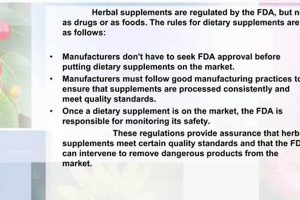
Botanical formulations are generally regulated as dietary supplements. In many jurisdictions, this entails a less rigorous pre-market evaluation compared to pharmaceutical drugs. Manufacturers are responsible for ensuring safety, but regulatory agencies typically intervene only after safety concerns arise. Scientific validation of efficacy is not always a prerequisite for market entry.
Question 2: Can these “stress relief herbal supplements” replace prescription medications for anxiety or depression?
No. Botanical preparations are not intended to replace prescription medications for clinically diagnosed anxiety disorders or depression. Individuals with these conditions should consult with qualified healthcare professionals to determine the most appropriate treatment plan, which may include pharmaceutical interventions, psychotherapy, or lifestyle modifications.
Question 3: How can one assess the quality of “stress relief herbal supplements?”
Assessment of quality involves several steps. The first involves examining the label for third-party certifications (e.g., USP, NSF International). Second, research the manufacturers reputation for quality control. Finally, consider products standardized to a specific concentration of active compounds.
Question 4: What are the most common side effects associated with “stress relief herbal supplements?”
Common side effects vary depending on the specific ingredients. Some may cause gastrointestinal distress, drowsiness, or allergic reactions. Certain botanicals can also interact with medications, potentially leading to adverse effects. Consulting with a healthcare professional is advised to ascertain potential side effects based on individual circumstances.
Question 5: How long does it take to experience the benefits of “stress relief herbal supplements?”
The time frame for experiencing benefits can vary depending on the individual, the specific botanical preparation, and the dosage. Some individuals may experience noticeable effects within a few days, while others may require several weeks of consistent use. It is crucial to manage expectations and consult with a healthcare professional if desired outcomes are not achieved within a reasonable timeframe.
Question 6: Are “stress relief herbal supplements” safe for long-term use?
The long-term safety of botanical formulations varies depending on the specific ingredients. Some substances may be safe for prolonged use, while others may pose risks with extended exposure. Periodic consultation with a healthcare professional is recommended to assess the ongoing suitability of these preparations, particularly for individuals with pre-existing health conditions or those taking medications.
The above information provides a general overview and should not replace professional medical advice. Consulting with qualified healthcare providers remains essential for informed decision-making.
The following sections will delve into the synergistic relationship between lifestyle modifications and botanical substances in promoting holistic well-being.
Conclusion
The exploration of preparations targeting the impact of stressors reveals a multifaceted landscape characterized by potential benefits and inherent limitations. Careful evaluation of safety profiles, adherence to quality control standards, and a thorough understanding of adaptogenic properties and potential interactions with other substances are essential. Furthermore, the absence of robust scientific validation for many products underscores the need for cautious interpretation of claims and prioritization of evidence-based practices.
Individuals considering the incorporation of such items into their wellness regimen are urged to consult with qualified healthcare professionals to ensure safe and appropriate use. The responsible integration of botanicals, alongside lifestyle modifications and conventional medical treatments when necessary, offers a holistic approach to supporting resilience. Continued research and regulatory oversight are critical to maximizing the potential benefits while minimizing potential risks within this domain.