Botanicals, derived from plants, are often processed into concentrated forms such as pills, capsules, or powders and are intended to augment regular dietary intake. These preparations are frequently explored as potential adjuncts in managing discomfort and inflammation associated with degenerative joint conditions. The appeal stems from a perception of natural remedies as gentler alternatives to conventional pharmaceutical interventions.
Throughout history, diverse cultures have employed plant-based remedies to alleviate symptoms of joint pain and stiffness. Modern interest centers on identifying specific bioactive compounds within these botanicals that may offer therapeutic benefits. Research aims to determine the efficacy and safety profiles of these compounds, considering factors such as dosage, interactions with other medications, and potential side effects. Understanding the traditional use, coupled with rigorous scientific investigation, is crucial for informed decision-making.
The subsequent discussion will delve into specific botanical agents that have been investigated for their potential role in supporting joint health. Examination will encompass their purported mechanisms of action, existing research findings, and considerations for their safe and effective utilization. Emphasis will be placed on presenting a balanced perspective, acknowledging both the potential benefits and the limitations associated with their use.
The following points provide guidance when considering botanical preparations as part of a comprehensive strategy for managing joint discomfort. A measured and informed approach is essential.
Tip 1: Prioritize Professional Consultation: Before introducing any new botanical agent, engage in a thorough discussion with a qualified healthcare professional. This consultation should encompass existing medical conditions, current medications, and potential interactions.
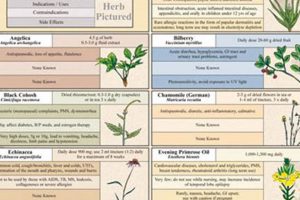
Tip 2: Conduct Thorough Research: Evaluate available scientific literature pertaining to the specific botanical of interest. Focus on studies investigating efficacy, safety, and appropriate dosages for the management of joint-related symptoms.
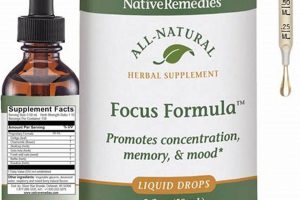
Tip 3: Source Reputable Products: Select botanical preparations from reputable manufacturers who adhere to stringent quality control standards. Independent third-party testing and certification can provide additional assurance of product purity and potency.
Tip 4: Adhere to Recommended Dosages: Follow the dosage recommendations provided by the manufacturer or a qualified healthcare professional. Exceeding the recommended dosage does not necessarily enhance efficacy and may increase the risk of adverse effects.
Tip 5: Monitor for Adverse Reactions: Vigilantly monitor for any adverse reactions following the initiation of botanical supplementation. Discontinue use and seek medical attention if any concerning symptoms arise.
Tip 6: Recognize Limitations: Understand that botanical preparations are not a substitute for conventional medical treatment. They may serve as adjuncts to other therapies but should not replace prescribed medications or recommended lifestyle modifications.
Tip 7: Maintain Realistic Expectations: Botanical agents may offer symptomatic relief; however, they are unlikely to provide a complete cure. Focus on managing symptoms and improving overall quality of life.
Tip 8: Document and Track: Keep a detailed record of the botanical preparations being used, including dosage, frequency, and any observed effects. This documentation can facilitate communication with healthcare professionals and aid in evaluating treatment effectiveness.
Adherence to these guidelines can contribute to a safer and more informed approach to utilizing botanical adjuncts. Open communication with healthcare providers and a commitment to evidence-based decision-making are paramount.
The subsequent sections will further explore considerations for long-term management strategies and the integration of botanical approaches within a broader therapeutic framework.
1. Efficacy Assessment

Efficacy assessment is paramount when considering herbal supplements for arthritis. The purported benefits of these supplements must be rigorously evaluated to determine their actual impact on symptom management and disease progression.
- Clinical Trial Evidence
The foundation of efficacy assessment lies in well-designed clinical trials. These studies, often randomized and placebo-controlled, compare the effects of a specific herbal supplement against a control group. Results from these trials provide insights into whether the supplement demonstrates a statistically significant improvement in pain reduction, inflammation, or joint function. The strength and consistency of this evidence should be carefully examined.
- Standardized Extracts and Dosages
Efficacy assessment requires the use of standardized herbal extracts, where the concentration of active compounds is consistent across different batches. Variations in the concentration of these compounds can significantly impact the observed effects. Furthermore, optimal dosages need to be established through dose-response studies to ensure that the supplement is administered at a level that is both effective and safe. Lack of standardization hinders accurate efficacy evaluation.
- Patient-Reported Outcomes
Beyond objective measures, patient-reported outcomes (PROs) play a critical role in assessing efficacy. These outcomes capture the subjective experiences of individuals with arthritis, including pain levels, functional limitations, and overall quality of life. Validated questionnaires and scales are used to quantify these PROs and determine whether the herbal supplement leads to meaningful improvements in the patient’s daily life. Discrepancies between objective measures and PROs necessitate careful interpretation.
- Long-Term Studies and Sustainability
While short-term studies can provide initial evidence of efficacy, long-term studies are essential for understanding the sustained benefits and potential risks associated with herbal supplements. These studies assess whether the positive effects observed initially persist over time and whether any adverse events emerge with prolonged use. Furthermore, the sustainability of the observed benefits, considering factors such as adherence and potential tolerance, needs to be evaluated.
The efficacy assessment of botanicals demands a multifaceted approach, integrating data from clinical trials, standardized extracts, patient-reported outcomes, and long-term studies. This rigorous evaluation is essential for determining whether a specific botanical preparation can provide genuine benefits in managing arthritic symptoms and improving the lives of affected individuals.
2. Safety Profile
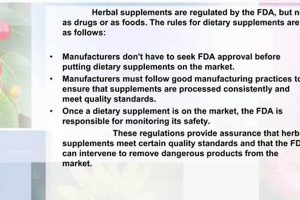
The safety profile constitutes a critical component when evaluating herbal supplements for arthritis. Unlike pharmaceutical agents, botanical remedies often lack the same level of rigorous pre-market scrutiny, necessitating a cautious approach to their use. A comprehensive understanding of potential adverse effects, contraindications, and interactions is paramount to mitigating risks. For instance, St. John’s Wort, sometimes used for mood enhancement, can significantly interfere with the efficacy of certain immunosuppressant drugs commonly prescribed for rheumatoid arthritis. Similarly, high doses of certain herbal supplements may exacerbate underlying kidney conditions. Therefore, thorough assessment of the safety profile is not merely a recommendation, but a prerequisite for responsible usage.
Specific populations, such as pregnant or breastfeeding women, individuals with pre-existing medical conditions (e.g., liver or kidney disease), and those taking multiple medications, require heightened vigilance. In these cases, the potential for adverse events or drug interactions is often amplified. Case reports have documented instances of hepatotoxicity associated with certain herbal supplements, highlighting the importance of monitoring liver function in susceptible individuals. Further, the variability in product quality and standardization can significantly impact the safety profile. Contamination with heavy metals or other adulterants can pose serious health risks, emphasizing the need to source supplements from reputable manufacturers who adhere to stringent quality control standards.
In summary, the safety profile represents a non-negotiable aspect of herbal supplement use for arthritis. The potential for adverse effects and interactions, coupled with the lack of stringent regulatory oversight, necessitates a cautious and informed approach. Thorough research, professional consultation, and careful monitoring are essential to minimize risks and ensure that these supplements are used responsibly as part of a comprehensive arthritis management plan. Recognizing the limitations of available safety data is crucial for maintaining realistic expectations and making informed decisions.
3. Dosage Considerations

Optimal dosage is a critical determinant of both the efficacy and safety of herbal supplements for arthritis. Deviations from established dosage guidelines can lead to sub-therapeutic effects or, conversely, increase the risk of adverse events. Given the inherent variability in botanical composition and individual patient factors, careful attention to dosage considerations is essential for maximizing potential benefits while minimizing potential harms.
- Bioavailability and Absorption
The bioavailability of active compounds within herbal supplements significantly influences their therapeutic effect. Factors such as formulation, particle size, and the presence of other substances can affect absorption in the gastrointestinal tract. For instance, curcumin, a key component of turmeric, exhibits poor bioavailability unless combined with piperine, a compound found in black pepper, which enhances its absorption. Therefore, dosage recommendations must consider bioavailability to ensure adequate systemic exposure to the active compounds.
- Individual Variability and Patient Factors
Individual factors such as age, body weight, kidney function, and liver function can influence the metabolism and clearance of herbal supplements. Dosage adjustments may be necessary in patients with impaired renal or hepatic function to prevent accumulation and toxicity. Similarly, elderly individuals may require lower doses due to age-related changes in drug metabolism. Therefore, a standardized dosage regimen may not be appropriate for all patients, and individualization is often warranted.
- Standardization and Potency
The potency of herbal supplements can vary significantly depending on the source, processing methods, and standardization of active compounds. Standardized extracts, which contain a defined concentration of specific bioactive constituents, allow for more precise dosage control. Non-standardized products, on the other hand, may exhibit considerable variability in potency, making it difficult to determine an appropriate and consistent dosage. Therefore, the use of standardized extracts is recommended to ensure reliable therapeutic effects.
- Drug Interactions and Synergistic Effects
Herbal supplements can interact with conventional medications, either by altering their absorption, metabolism, or excretion, or by producing synergistic or antagonistic effects. For example, certain herbal supplements may potentiate the effects of anticoagulant drugs, increasing the risk of bleeding. Conversely, others may interfere with the efficacy of immunosuppressant medications. Dosage adjustments of either the herbal supplement or the conventional medication may be necessary to mitigate these interactions. Therefore, a comprehensive review of all medications and supplements being taken is essential before initiating herbal therapy.
In conclusion, dosage considerations represent a multifaceted aspect of herbal supplement use for arthritis. Factors such as bioavailability, individual variability, product standardization, and drug interactions all play a crucial role in determining the appropriate dosage regimen. A thorough understanding of these factors, coupled with professional guidance, is essential for optimizing therapeutic outcomes and minimizing potential risks. The absence of rigorous dosage control can compromise both the efficacy and safety of these botanical preparations.
4. Quality Control

Quality control is of paramount importance in the context of botanical preparations intended for managing arthritic conditions. The absence of rigorous quality control measures can directly undermine the efficacy and safety profiles, rendering these substances ineffective or even harmful. This connection stems from the inherent variability in plant-based materials, influenced by factors such as geographical origin, growing conditions, harvesting practices, and processing methods. These variables can significantly impact the concentration of active compounds and the presence of contaminants, directly affecting the therapeutic potential of the end product.
The importance of quality control as an integral component is exemplified by instances of adulteration and misidentification in the botanical supplement market. Studies have revealed cases where products labeled as containing a specific herb actually contained entirely different, potentially harmful plant species. Furthermore, contamination with heavy metals, pesticides, or microbial pathogens is a recurring concern. For instance, some herbal supplements sourced from regions with lax environmental regulations have been found to contain elevated levels of lead or arsenic. Such contamination not only diminishes the intended therapeutic benefits but also poses significant health risks to consumers. The implementation of standardized extraction procedures, rigorous testing protocols (including chromatographic analysis and microbial assays), and adherence to Good Manufacturing Practices (GMP) are essential for mitigating these risks and ensuring product consistency.
In conclusion, the rigorous application of quality control measures is not merely a regulatory requirement but a fundamental necessity for ensuring the integrity and reliability of botanical supplements intended for arthritis management. Without stringent quality control, the purported benefits of these supplements remain speculative at best, and the potential for harm increases significantly. Investing in products from reputable manufacturers who prioritize quality control, verified through third-party certifications and transparent sourcing practices, is crucial for consumers seeking safe and effective adjunctive therapies for arthritic conditions. This understanding underscores the practical significance of quality control in safeguarding public health and fostering confidence in the use of botanical remedies.
5. Interaction Potential

Interaction potential represents a critical consideration when evaluating the suitability of botanical supplements for arthritic conditions. Concomitant use of these supplements with conventional medications or other supplements can precipitate both pharmacokinetic and pharmacodynamic interactions. Such interactions may significantly alter the efficacy or toxicity profiles of the substances involved, necessitating careful assessment and management.
- Pharmacokinetic Interactions
Pharmacokinetic interactions involve alterations in the absorption, distribution, metabolism, or excretion of a drug or supplement. Certain botanical agents can, for example, inhibit or induce cytochrome P450 enzymes, which are responsible for metabolizing many pharmaceuticals. This can lead to increased or decreased drug concentrations, potentially causing adverse effects or therapeutic failure. For instance, St. John’s Wort is a known inducer of CYP3A4, an enzyme involved in the metabolism of numerous medications, including some analgesics and immunosuppressants used in arthritis management. This interaction can reduce the effectiveness of these drugs. Conversely, other herbal supplements may inhibit drug transporters, affecting drug absorption and distribution.
- Pharmacodynamic Interactions
Pharmacodynamic interactions occur when two or more substances have additive, synergistic, or antagonistic effects on the same physiological system. For example, combining an herbal supplement with anticoagulant properties, such as high-dose ginger or Ginkgo biloba, with warfarin or other anticoagulant medications can increase the risk of bleeding. This is because both substances exert an inhibitory effect on blood clotting. Similarly, combining herbal supplements with anti-inflammatory effects with nonsteroidal anti-inflammatory drugs (NSAIDs) may increase the risk of gastrointestinal side effects, as both classes of agents can irritate the stomach lining. Additive sedative effects are also possible when combining certain herbal supplements with central nervous system depressants.
- Herb-Herb Interactions
The interaction potential extends not only to herb-drug combinations but also to herb-herb combinations. The simultaneous use of multiple herbal supplements can increase the risk of adverse effects or unexpected interactions. For instance, combining two or more herbal supplements with hepatotoxic potential may increase the risk of liver damage. The complexity of these interactions is often compounded by the fact that many herbal supplements contain multiple bioactive compounds, each with its own potential for interacting with other substances. Thorough knowledge of the pharmacological properties of each herb is therefore essential for minimizing the risk of herb-herb interactions.
- Interactions with Disease States
Pre-existing medical conditions can also influence the interaction potential of herbal supplements. For instance, individuals with kidney disease may be more susceptible to the adverse effects of certain herbal supplements, as impaired renal function can reduce the clearance of these substances and increase their systemic exposure. Similarly, individuals with liver disease may be at increased risk of hepatotoxicity when using herbal supplements with known or suspected liver-damaging potential. Therefore, a comprehensive medical history and assessment of pre-existing medical conditions are crucial for identifying individuals at increased risk of adverse interactions.
The interplay between botanical supplements and conventional therapies or existing health conditions mandates a thorough understanding of interaction potential. Prior to incorporating these supplements into an arthritis management strategy, individuals must engage in detailed consultations with healthcare providers to assess potential risks and ensure the safe and effective integration of these adjunctive therapies. Overlooking the possibility of interactions can have serious implications for patient safety and treatment outcomes. The complexity and variability of these interactions highlight the need for caution and informed decision-making.
Frequently Asked Questions
The following questions address common inquiries regarding the use of botanical supplements as adjunctive therapies for managing arthritis. The information presented aims to provide clarity and promote informed decision-making.
Question 1: Are botanical supplements a cure for arthritis?
No. Currently, botanical supplements are not recognized as a cure for any form of arthritis. Their use is generally considered as a complementary approach to conventional medical treatments, aimed at managing symptoms such as pain and inflammation.
Question 2: Are “natural” herbal supplements inherently safe for consumption?
The term “natural” does not guarantee safety. Botanical supplements can possess pharmacological activity and may interact with other medications or existing medical conditions. Consultation with a healthcare professional is essential prior to use.
Question 3: How can the quality of a botanical supplement be verified?
The quality of a botanical supplement can be assessed by looking for third-party certifications from organizations that independently verify product purity, potency, and manufacturing practices. Products adhering to Good Manufacturing Practices (GMP) are also preferred.
Question 4: What are the potential risks associated with using herbal supplements for arthritis?
Potential risks include allergic reactions, adverse interactions with medications, and contamination with heavy metals or other adulterants. Furthermore, some herbal supplements may not be suitable for individuals with certain pre-existing medical conditions.
Question 5: How long does it typically take to experience the benefits of herbal supplements for arthritis?
The time required to experience potential benefits can vary depending on the individual, the specific botanical supplement, and the severity of the arthritis. Some individuals may notice improvements within a few weeks, while others may require several months of consistent use.
Question 6: Where can reliable information about herbal supplements for arthritis be found?
Reliable information can be obtained from reputable sources such as scientific journals, government health agencies, and healthcare professionals. Avoid relying solely on anecdotal evidence or information from unregulated websites.
In conclusion, botanical supplements may offer adjunctive benefits for arthritis management, but a cautious and informed approach is essential. Consulting with healthcare professionals, verifying product quality, and understanding potential risks are crucial steps for responsible use.
The subsequent discussion will explore strategies for integrating botanical approaches within a broader arthritis management framework.
The preceding discussion has explored the complexities surrounding the use of herbal supplements for arthritis. Key considerations, including efficacy assessment, safety profiles, dosage guidelines, quality control measures, and interaction potentials, were examined. The evidence suggests that while some botanicals may offer symptomatic relief, their role as a standalone treatment remains unsubstantiated. The variability in product quality and the potential for adverse interactions necessitate a measured and informed approach.
The decision to incorporate herbal supplements into an arthritis management plan should be made in consultation with qualified healthcare professionals. Continued research is essential to elucidate the mechanisms of action, optimize dosage regimens, and establish definitive safety profiles for these botanical agents. A commitment to evidence-based decision-making and rigorous monitoring is crucial for responsible utilization and safeguarding patient well-being.