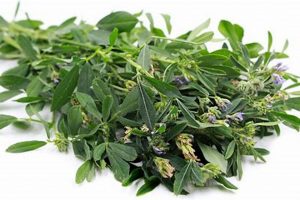
Botanical substances, recognized for their potential to support thyroid function, represent a category of natural remedies. These formulations often include plant-derived compounds believed to influence hormone production, reduce inflammation, or mitigate symptoms associated with thyroid imbalances. For example, certain algae are known to contain iodine, a crucial element for thyroid hormone synthesis.
The incorporation of specific plant extracts into wellness practices has a lengthy history in various traditional medicine systems. Proponents suggest these natural options offer a gentler approach to managing thyroid health, promoting overall well-being, and potentially reducing reliance on synthetic medications. This approach centers on the belief that plant-based constituents can provide comprehensive support by addressing underlying causes and promoting systemic equilibrium.
The following sections will explore specific botanical options commonly associated with thyroid support, examine the scientific evidence supporting their use, and outline considerations for their safe and effective integration into a holistic healthcare strategy. The efficacy of these substances often depends on individual factors and underlying health conditions, underscoring the need for personalized guidance from qualified healthcare professionals.
The utilization of plant-based substances to support thyroid function requires careful consideration and informed decision-making. The following guidelines are intended to provide a foundation for the responsible integration of these substances into a comprehensive health plan.
Tip 1: Prioritize Diagnostic Evaluation: Before initiating any botanical regimen, a thorough assessment of thyroid hormone levels (TSH, T4, T3) and antibody presence (anti-TPO, anti-Tg) is crucial. This establishes a baseline for monitoring the effectiveness and safety of the chosen substance.
Tip 2: Seek Professional Guidance: Consultation with a qualified healthcare provider, preferably one with expertise in endocrinology or integrative medicine, is essential. This professional can assess individual needs, potential interactions with medications, and contraindications.
Tip 3: Research Specific Botanicals: Individual botanicals possess unique properties and potential mechanisms of action. Thoroughly investigate the available scientific literature regarding the safety and efficacy of any intended substance. For example, while iodine is vital, excessive intake can exacerbate certain thyroid conditions.
Tip 4: Source High-Quality Products: Select botanical supplements from reputable manufacturers that adhere to Good Manufacturing Practices (GMP) and provide third-party testing for purity and potency. This minimizes the risk of contamination and ensures accurate labeling.
Tip 5: Monitor Thyroid Function Regularly: Routine monitoring of thyroid hormone levels is necessary to assess the impact of botanical interventions. Adjustments to dosage or discontinuation may be required based on laboratory results and clinical presentation.
Tip 6: Be Aware of Potential Interactions: Certain botanicals may interact with thyroid medications, such as levothyroxine. Monitor for changes in medication effectiveness or adverse effects, and communicate any new substances to the prescribing physician.
Tip 7: Implement Gradually and Mindfully: Introduce new botanicals one at a time and at a low dosage, gradually increasing as tolerated. This approach allows for the identification of any adverse reactions or sensitivities.
These guidelines underscore the importance of a cautious and evidence-based approach to the utilization of botanicals for thyroid support. Prioritizing accurate diagnosis, professional guidance, and careful monitoring are paramount for ensuring safety and maximizing potential benefits.
The subsequent sections will delve into specific botanicals used for thyroid health, highlighting their potential benefits and risks, with a focus on informed and responsible decision-making.
1. Safety Profiles

The safety profiles of botanical substances utilized for thyroid support represent a critical consideration when evaluating their suitability. The potential for adverse effects, interactions with existing medications, and contraindications in specific patient populations necessitates a thorough understanding of each substance’s safety data. For example, some herbal remedies may contain compounds that interfere with thyroid hormone synthesis or absorption, potentially exacerbating existing thyroid imbalances. Consequently, careful assessment of safety profiles serves as a fundamental prerequisite before incorporating botanical substances into a thyroid management plan. This assessment should encompass a review of available scientific literature, traditional use data, and reports of adverse events.
Real-world examples highlight the practical significance of prioritizing safety profiles. The unregulated nature of some herbal products can lead to inconsistencies in ingredient concentrations and potential contamination with heavy metals or other toxins. Such inconsistencies can compromise both the efficacy and safety of the product. Furthermore, individuals with autoimmune thyroid conditions may experience heightened sensitivity to certain botanical substances, potentially triggering adverse immune responses. Therefore, healthcare providers should exercise caution when recommending botanical substances for thyroid support, emphasizing the need for individualized risk assessment and close monitoring.
In summary, the safety profiles of botanical remedies are an indispensable element when considering their use for thyroid health. A thorough evaluation of potential risks, interactions, and individual sensitivities is paramount for ensuring patient safety and optimizing treatment outcomes. This commitment to safety underscores the need for responsible prescribing practices and emphasizes the importance of patient education regarding the potential risks and benefits of botanical thyroid support.
2. Dosage Standardization

Dosage standardization is a critical factor influencing the safety and efficacy of botanical substances intended for thyroid support. The inherent variability in plant composition necessitates meticulous control over preparation methods to ensure consistent therapeutic effects.
- Active Compound Concentration
Dosage standardization aims to ensure that each dose of a botanical product contains a predictable and consistent amount of the active compound or compounds believed to be responsible for its therapeutic effects. Without standardization, variations in growing conditions, harvesting practices, and extraction methods can lead to significant discrepancies in the potency of different batches of the same product. This inconsistency can result in either sub-therapeutic doses that fail to produce the desired effect or excessive doses that increase the risk of adverse reactions. For thyroid herbal products, where precise modulation of hormone levels is desirable, accurate quantification of active compounds is essential.
- Extraction Methods and Bioavailability
The method used to extract active compounds from plant material significantly influences their bioavailability and therapeutic effect. Different extraction techniques can selectively isolate specific compounds, altering the overall composition and potency of the final product. Standardized extraction methods, such as supercritical fluid extraction or high-performance liquid chromatography (HPLC), are often employed to ensure consistent extraction of targeted compounds and minimize the presence of unwanted contaminants. The standardized selection and implementation of these techniques contributes significantly to the consistency of dosage in thyroid support herbal products.
- Quality Control and Batch Testing
Robust quality control measures, including batch testing for potency and purity, are essential for ensuring dosage standardization in botanical products. Batch testing involves analyzing representative samples from each production batch to verify that they meet pre-defined specifications for active compound content and are free from contaminants such as heavy metals, pesticides, and microbial pathogens. This testing provides an independent verification of product quality and consistency, safeguarding consumers from potentially harmful or ineffective products. Reputable manufacturers of thyroid herbal products implement rigorous quality control protocols to ensure that each batch meets established standards for dosage and purity.
- Regulation and Certification
Regulatory oversight and third-party certification programs play a vital role in promoting dosage standardization and quality assurance in the botanical industry. Organizations such as the United States Pharmacopeia (USP) and the National Sanitation Foundation (NSF) have established standards for the identity, purity, and potency of dietary supplements, including herbal products. Manufacturers that adhere to these standards and obtain certification from reputable third-party organizations demonstrate a commitment to quality and consistency, providing consumers with greater confidence in the reliability of their products. While regulation of herbal products can vary across different countries, third-party certification offers an additional layer of assurance regarding dosage standardization and product quality.
The effectiveness of “thyroid herbal” products is critically dependent on dosage standardization. Without consistent concentration, extraction, quality control, and compliance with regulations, the products lack the reliable benefit required for responsible use.
3. Herb-Drug Interactions

The potential for interactions between herbal substances and conventional thyroid medications represents a significant concern in clinical practice. Concurrent use of these substances can alter the therapeutic effects of thyroid medications, leading to either reduced efficacy or increased toxicity. Understanding the mechanisms underlying these interactions is crucial for ensuring patient safety and optimizing treatment outcomes.
- Absorption Interference
Certain herbal substances can interfere with the absorption of thyroid hormone replacement medications, such as levothyroxine. For example, herbs high in fiber may bind to levothyroxine in the gastrointestinal tract, reducing its bioavailability. Similarly, compounds like calcium or iron, present in some herbal formulations, can chelate with levothyroxine, hindering its absorption. This interaction can lead to suboptimal thyroid hormone levels and inadequate symptom control. It is advisable to separate the administration of such herbal products from thyroid medications by several hours to minimize the risk of absorption interference.
- Enzyme Modulation
Some herbs can affect the activity of hepatic enzymes responsible for metabolizing thyroid hormones. Cytochrome P450 enzymes, particularly CYP3A4, are involved in the conversion of T4 to T3, the active form of thyroid hormone. Herbal substances that induce or inhibit CYP3A4 activity can alter thyroid hormone metabolism, leading to changes in T3 levels. For example, St. John’s Wort, known to induce CYP3A4, may accelerate the metabolism of thyroid hormones, potentially reducing their effectiveness. Conversely, herbs that inhibit CYP3A4 could increase thyroid hormone levels, increasing the risk of hyperthyroidism.
- Thyroid Hormone Synthesis Interference
Certain herbal constituents possess the potential to directly interfere with the synthesis of thyroid hormones within the thyroid gland. For example, excessive iodine intake from iodine-rich herbs can paradoxically inhibit thyroid hormone synthesis in individuals with pre-existing thyroid disorders, particularly autoimmune thyroiditis. This phenomenon, known as the Wolff-Chaikoff effect, can lead to hypothyroidism. Additionally, some herbal substances contain goitrogenic compounds that interfere with iodine uptake by the thyroid gland, further disrupting hormone production.
- Additive or Synergistic Effects
In some instances, herbal substances may exhibit additive or synergistic effects with thyroid medications, potentially increasing the risk of adverse effects. For example, combining herbal stimulants with thyroid hormone replacement medications could exacerbate symptoms of hyperthyroidism, such as palpitations, anxiety, and insomnia. Similarly, herbs with anticoagulant properties could increase the risk of bleeding in patients taking anticoagulant medications concurrently with thyroid hormone. Careful monitoring and dosage adjustments may be necessary when combining herbal substances with thyroid medications to minimize the risk of adverse events.
The potential for herb-drug interactions highlights the importance of comprehensive medication reconciliation and patient education. Healthcare providers should routinely inquire about the use of herbal supplements in patients receiving thyroid medications. Informed decision-making and close monitoring are essential for mitigating the risks associated with concurrent use of herbal and conventional therapies for thyroid health.
4. Specific Botanical Actions

The therapeutic potential of “thyroid herbal” formulations hinges upon the specific biochemical actions of their constituent plant compounds. These actions can directly or indirectly influence thyroid hormone synthesis, conversion, and receptor activity, thereby impacting overall thyroid function. Understanding these specific actions is paramount to rational selection and application of botanical remedies. Without discerning the precise mechanism of action, the use of botanical substances risks being non-specific, ineffective, or even counterproductive.
Examples of specific botanical actions abound within the realm of thyroid support. Certain algae species, rich in iodine, provide a direct substrate for thyroid hormone production. However, excessive iodine supplementation can induce paradoxical hypothyroidism in susceptible individuals, highlighting the importance of understanding the specific action and its potential consequences. Ashwagandha, an adaptogenic herb, has been shown to modulate cortisol levels, indirectly supporting thyroid function by mitigating the stress response. Selenium, often found in botanical formulations, acts as a cofactor for deiodinase enzymes, facilitating the conversion of T4 to the more active T3 hormone. The practical significance of these actions lies in their ability to address specific thyroid imbalances, as informed by diagnostic testing and clinical assessment.
The challenge resides in the complexity of botanical compositions and the potential for synergistic or antagonistic interactions between multiple compounds. Furthermore, individual variations in metabolism and genetic predispositions can influence the response to specific botanical actions. Despite these challenges, a focus on elucidating the specific biochemical mechanisms underlying botanical effects provides a crucial framework for responsible and effective utilization of “thyroid herbal” remedies. This approach requires ongoing research, rigorous quality control, and the integration of botanical medicine with conventional diagnostic and therapeutic modalities to improve patient outcomes.
5. Evidence-Based Research

The integration of evidence-based research into the practice of using botanical substances for thyroid support is paramount. Rigorous scientific investigation provides the foundation for determining efficacy, safety, and appropriate application of these substances, moving beyond anecdotal evidence and traditional claims.
- Clinical Trial Analysis
Clinical trials, particularly randomized controlled trials (RCTs), are crucial for assessing the effectiveness of specific herbal interventions for thyroid conditions. These trials compare the outcomes of participants receiving the herbal treatment to those receiving a placebo or conventional treatment, providing quantifiable data on symptom improvement, hormone level changes, and adverse effects. For example, RCTs investigating the use of Withania somnifera (Ashwagandha) have explored its impact on TSH levels in subclinical hypothyroid patients. Results from such trials offer insights into the herb’s potential role in managing specific thyroid imbalances. However, the limited number of high-quality clinical trials for many herbal interventions necessitates cautious interpretation of findings.
- Systematic Reviews and Meta-Analyses
Systematic reviews and meta-analyses synthesize the findings of multiple independent studies to provide a comprehensive overview of the available evidence. These analyses employ rigorous methodologies to minimize bias and assess the overall strength of evidence for a particular intervention. For example, a meta-analysis examining the effects of selenium supplementation on autoimmune thyroiditis could pool data from multiple trials to determine the overall effect on thyroid antibody levels and thyroid function. Such analyses can help resolve conflicting findings from individual studies and provide more robust conclusions about the efficacy and safety of herbal interventions.
- Pharmacokinetic and Pharmacodynamic Studies
Understanding how herbal compounds are absorbed, distributed, metabolized, and eliminated (pharmacokinetics) and how they interact with the body at the molecular level (pharmacodynamics) is essential for rationalizing their use. These studies can identify the active constituents responsible for therapeutic effects, elucidate their mechanisms of action, and predict potential drug interactions. For example, pharmacokinetic studies could investigate the bioavailability of iodine from different seaweed species, while pharmacodynamic studies could examine the effects of specific herbal extracts on thyroid hormone receptors. This information helps refine dosage recommendations and identify potential risks associated with herbal interventions.
- Adverse Event Reporting and Surveillance
Monitoring adverse events associated with herbal use is critical for ensuring patient safety. Robust adverse event reporting systems, such as those maintained by regulatory agencies and healthcare organizations, allow for the identification of potential safety signals and the assessment of the overall risk-benefit profile of herbal interventions. Surveillance studies can track the incidence of adverse events associated with specific herbal products over time, providing valuable information on their long-term safety. This data informs clinical guidelines and helps healthcare providers make informed decisions about the use of herbal substances for thyroid support.
Collectively, evidence-based research provides a framework for evaluating the potential benefits and risks associated with “thyroid herbal” options. While traditional use and anecdotal evidence can provide valuable insights, rigorous scientific investigation is essential for confirming efficacy, identifying mechanisms of action, and ensuring patient safety. Continued research is needed to address the many unanswered questions surrounding the use of herbal substances for thyroid support and to inform evidence-based clinical practice.
6. Individual Sensitivities

Individual sensitivities represent a critical variable in determining the appropriateness and effectiveness of “thyroid herbal” interventions. Physiological variations, genetic predispositions, and pre-existing conditions can significantly alter an individual’s response to specific botanical substances, leading to unpredictable outcomes. For example, a substance generally considered safe may trigger adverse reactions in individuals with autoimmune disorders or sensitivities to specific plant families. Similarly, metabolic differences can influence the absorption, distribution, and elimination of herbal compounds, resulting in variable therapeutic effects. Consequently, a standardized approach to “thyroid herbal” prescriptions is often inappropriate, necessitating personalized assessment and monitoring.
The significance of individual sensitivities is underscored by real-world scenarios. Individuals with iodine sensitivity, for instance, may experience thyroid dysfunction upon consuming iodine-rich algae, a common ingredient in some “thyroid herbal” formulations. Conversely, those with impaired liver function may exhibit reduced detoxification capacity, leading to increased risk of adverse reactions to certain herbal metabolites. Prior allergic reactions to related plants, such as individuals with ragweed allergy reacting to echinacea, serve as a predictive indicator of potential sensitivities. Therefore, careful consideration of individual medical history, allergy profiles, and potential cross-reactivity is crucial prior to initiating any “thyroid herbal” regimen. This process necessitates open communication between patient and healthcare provider, promoting informed decision-making and minimizing potential harm.
In summary, individual sensitivities constitute a vital consideration in the safe and effective application of “thyroid herbal” therapies. Acknowledging the potential for variable responses, tailoring treatments based on individual characteristics, and implementing vigilant monitoring are essential components of responsible practice. Challenges remain in predicting and managing idiosyncratic reactions, emphasizing the need for continued research and a cautious, patient-centered approach. By prioritizing individual sensitivities, healthcare providers can optimize therapeutic outcomes and minimize the risk of adverse events, ensuring that “thyroid herbal” interventions are both safe and effective.
7. Professional Supervision

The integration of botanical substances for thyroid support necessitates qualified professional supervision to ensure patient safety and optimize therapeutic outcomes. Self-treatment or reliance on anecdotal information carries inherent risks, given the complexities of thyroid physiology and the potential for herb-drug interactions. A qualified healthcare provider, such as an endocrinologist, integrative medicine physician, or licensed naturopathic doctor with expertise in thyroid disorders, can conduct a thorough assessment, interpret laboratory results, and develop a personalized treatment plan that considers individual medical history, sensitivities, and medication regimens. This oversight minimizes the risk of adverse events and maximizes the potential benefits of botanical interventions.
Professional supervision facilitates accurate diagnosis and monitoring of thyroid function. Healthcare providers can order comprehensive thyroid panels, including TSH, free T4, free T3, and thyroid antibodies, to identify specific imbalances and assess the underlying causes of thyroid dysfunction. Regular monitoring of these parameters during botanical treatment allows for timely adjustments to dosage or the discontinuation of specific substances if necessary. Furthermore, healthcare providers can identify and address potential drug interactions between herbal substances and conventional thyroid medications, preventing adverse events and ensuring optimal therapeutic effects. The oversight ensures adherence to evidence-based guidelines, selecting herbal options with demonstrated efficacy and safety for specific thyroid conditions. For example, the use of certain iodine-containing herbs requires careful monitoring in patients with Hashimoto’s thyroiditis to avoid exacerbating autoimmune activity.
In conclusion, professional supervision represents a non-negotiable element of responsible botanical thyroid support. It promotes patient safety through accurate diagnosis, personalized treatment planning, and vigilant monitoring. While the appeal of natural remedies is understandable, self-treatment poses unacceptable risks. Collaboration with a qualified healthcare provider ensures that “thyroid herbal” interventions are both safe and effective, maximizing potential benefits while minimizing the risk of adverse events and interactions. A cautious, evidence-informed, and professionally supervised approach is essential for individuals seeking to integrate botanical substances into their thyroid health management.
Frequently Asked Questions Regarding Thyroid Herbal Support
The following questions address common inquiries and concerns surrounding the use of botanical substances for thyroid health. This information aims to provide clarity and promote informed decision-making, but does not constitute medical advice. Consult with a qualified healthcare provider for personalized guidance.
Question 1: Is “thyroid herbal” a safe alternative to conventional thyroid medication?
Botanical substances for thyroid support are not universally safe or effective substitutes for conventional medications. The efficacy and safety depend on the specific herb, individual health status, and the severity of thyroid dysfunction. Individuals should never discontinue prescribed medication without explicit medical advice.
Question 2: Can “thyroid herbal” remedies cure thyroid disorders?
Currently, no scientific evidence supports the claim that herbal remedies can definitively cure thyroid disorders. While some botanicals may offer symptomatic relief or supportive benefits, they do not address the underlying causes of conditions like Hashimoto’s thyroiditis or Graves’ disease.
Question 3: Are there potential side effects associated with “thyroid herbal” products?
Yes, herbal substances can cause side effects, similar to conventional medications. Common side effects may include gastrointestinal upset, allergic reactions, or interactions with prescription drugs. Certain herbs may exacerbate existing thyroid conditions or interfere with hormone production.
Question 4: How does one ensure the quality and purity of “thyroid herbal” supplements?
Select supplements from reputable manufacturers that adhere to Good Manufacturing Practices (GMP) and provide third-party testing for purity and potency. Examine product labels for certifications from organizations like the USP or NSF, which indicate independent verification of quality standards.
Question 5: Can “thyroid herbal” therapies interfere with thyroid hormone testing?
Certain herbal substances, particularly those containing iodine, can affect thyroid hormone levels and interfere with the accuracy of thyroid function tests. Inform healthcare providers about any herbal supplements being taken prior to undergoing thyroid testing to ensure proper interpretation of results.
Question 6: What role does professional guidance play in the safe use of “thyroid herbal” options?
Consultation with a qualified healthcare provider is essential for the safe and effective use of herbal substances for thyroid support. A healthcare provider can assess individual needs, identify potential risks and interactions, and develop a personalized treatment plan that complements conventional medical care.
This FAQ section provides general information regarding “thyroid herbal” interventions. Consult with a qualified healthcare professional for personalized guidance and to address specific concerns.
The following segment will delve into practical considerations for integrating “thyroid herbal” support into a holistic wellness approach.
Conclusion
This exploration of “thyroid herbal” has underscored the complexities and nuances inherent in the use of botanical substances for thyroid support. While some herbal remedies may offer potential benefits, their application requires careful consideration of individual factors, potential risks, and the limitations of current scientific evidence. Professional guidance, accurate diagnosis, and diligent monitoring remain paramount to responsible integration of these substances into thyroid management strategies.
The decision to utilize “thyroid herbal” options should be approached with caution and informed by a comprehensive understanding of both potential benefits and risks. Further research is crucial to elucidate the mechanisms of action, establish standardized dosages, and evaluate the long-term safety and efficacy of specific botanical interventions. The responsible use of these interventions necessitates a commitment to patient safety and a reliance on evidence-based practices, ensuring that the pursuit of natural remedies does not compromise the quality of thyroid healthcare.