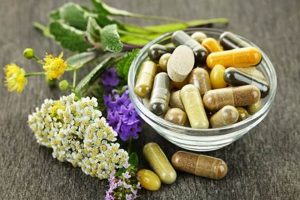
Products derived from plants, intended to augment the diet, are widely available. These preparations, often sold in forms like capsules, tablets, powders, or liquids, contain one or more botanical ingredients. For instance, extracts from plants such as echinacea or ginkgo biloba are commonly found within such offerings.
The significance of understanding these products lies in their potential interaction with conventional medications, as well as their impact on overall health. Historically, plants have been utilized for medicinal purposes across diverse cultures. A comprehension of their properties is vital for informed decision-making regarding their use.
The following discussion will explore the composition, potential effects, and regulatory landscape surrounding these plant-derived dietary additions. This exploration aims to provide a clearer understanding of their place within the context of health and wellness.
Guidelines for Understanding Plant-Based Dietary Additions
The following guidelines offer insight into the responsible use of plant-based dietary additions and related considerations.
Tip 1: Research Product Efficacy. Prior to consumption, investigate the scientific evidence supporting the purported benefits. Look for studies published in peer-reviewed journals.
Tip 2: Evaluate Ingredient Sourcing. Determine the origin and quality control measures employed by the manufacturer. Reputable companies often provide information on sourcing practices.
Tip 3: Understand Potential Interactions. Consult a healthcare professional to identify potential interactions with prescription medications, over-the-counter drugs, or pre-existing health conditions.
Tip 4: Adhere to Recommended Dosage. Follow the dosage instructions provided by the manufacturer. Exceeding the recommended dose may increase the risk of adverse effects.
Tip 5: Monitor for Adverse Reactions. Pay close attention to any unusual symptoms or side effects following the consumption of these additions. Discontinue use and seek medical advice if concerns arise.
Tip 6: Be Wary of Unsubstantiated Claims. Exercise caution when encountering products promoted with exaggerated or unsupported claims. Critical evaluation of marketing materials is advised.
Tip 7: Consider Certification. Look for products that have been independently tested and certified by reputable organizations. Certification may indicate adherence to quality standards.
Adherence to these guidelines can contribute to a more informed and responsible approach to the utilization of plant-based dietary additions.
The subsequent sections of this article will delve further into specific aspects of plant-based product regulation and the importance of consulting healthcare professionals.
1. Plant-derived dietary additions

The designation “plant-derived dietary additions” directly informs the essential components surrounding the phrase “herbal supplements meaning.” These additions, by definition, originate from plants and are intended to supplement the diet. This origin is a primary determinant in understanding their nature, potential effects, and regulatory classification. For instance, St. John’s Wort, a plant-derived substance, is added to the diet via capsules. This origin defines it as a herbal product, affecting how it’s viewed and regulated. A crucial aspect of “herbal supplements meaning” is, therefore, the plant source, as it dictates their chemical composition and potential for interaction with human physiology.
Furthermore, the “dietary addition” component signifies their intent to enhance or augment nutritional intake. This intention, while seemingly straightforward, has significant ramifications. It positions these products outside the stringent regulatory framework applied to pharmaceuticals, affecting the level of scientific evidence required for their marketing and sale. For example, the difference in regulation for food and drug mean the herbal addition has less scientific evidence than a pharmaceutical drug. A proper understanding of “plant-derived dietary additions” is crucial for identifying the potential risks and benefits, as well as navigating the complex landscape of claims made by manufacturers.
In conclusion, the understanding that plant-derived dietary additions form the cornerstone of “herbal supplements meaning” allows for a more informed perspective. It necessitates a critical evaluation of their botanical origin, intended use, and associated regulations. Understanding this framework is important in assessing purported benefits and potential risks. This foundation is essential for anyone considering the use of these additions, particularly in light of the varied quality and safety standards prevalent within the market.
2. Intended dietary augmentation
The concept of “intended dietary augmentation” is fundamentally intertwined with “herbal supplements meaning,” defining the purpose and scope of these products within the context of health and nutrition. It establishes the rationale behind their consumption and influences how they are perceived and regulated.
- Purpose and Expectations
The “intended dietary augmentation” aspect of “herbal supplements meaning” dictates the perceived benefits consumers anticipate. It suggests a desire to improve or enhance one’s dietary intake, either by addressing perceived deficiencies or by adding specific compounds believed to promote well-being. For example, an individual might take ginseng supplements to boost energy levels, believing that their diet lacks adequate compounds to support their vitality. Such expectations influence consumer behavior and the marketing strategies employed by manufacturers.
- Nutritional Gaps and Supplementation
The use of plant-derived dietary additions often stems from a perception of nutritional gaps in the diet. This perception may be driven by dietary restrictions, lifestyle choices, or a lack of access to nutrient-rich foods. As an example, individuals on strict vegan diets may use algae supplements to augment their consumption of nutrients typically derived from animal products. The extent to which such additions effectively address these gaps is a critical aspect of evaluating their utility and safety.
- Distinction from Pharmaceuticals
The “intended dietary augmentation” clarifies the differentiation between these preparations and pharmaceuticals. While drugs aim to treat, cure, or prevent disease, these additions are intended to support or enhance existing bodily functions through dietary means. For example, a pharmaceutical drug is intended to cure a bacterial infection, but a plant addition is only intended to increase the consumer’s daily nutrients. This distinction affects regulatory oversight and the level of scientific evidence required for marketing claims.
- Impact on Regulations and Claims
The classification of these preparations as “dietary additions” significantly influences the regulations governing their manufacture, marketing, and sale. In many jurisdictions, these products are subject to less stringent regulations than pharmaceuticals. This disparity permits manufacturers to make specific claims regarding their benefits, albeit within certain limitations. For example, in the United States, dietary supplements cannot claim to treat or cure diseases, but they can make structure/function claims related to their impact on the body. An overhyped addition’s claim can mean many people buy it when it is not effective.
The intended role of plant-derived supplements in augmenting the diet shapes the entire framework surrounding them, from consumer expectations to regulatory requirements. Understanding this aspect is critical for a responsible evaluation of these products and their place in health and wellness.
3. Potential health effects

The potential impact on health represents a crucial facet of understanding “herbal supplements meaning”. These effects, both positive and negative, directly influence the safety and efficacy of these products, necessitating careful consideration and informed decision-making regarding their use.
- Therapeutic Benefits
Many plant-derived additions are traditionally used for therapeutic purposes. Evidence supporting these uses varies considerably. Some additions, such as St. John’s Wort for mild depression, have shown promise in controlled studies. However, the effectiveness and safety profile must be critically evaluated, as individual responses may vary.
- Adverse Reactions
Plant-derived additions are not without potential adverse effects. Allergic reactions, gastrointestinal distress, and interactions with conventional medications are documented. The severity of these effects can range from mild discomfort to life-threatening complications. For instance, certain additions, like kava, have been linked to liver damage. Therefore, monitoring for any adverse reactions is essential.
- Interactions with Medications
The interaction of plant-derived additions with prescription medications is a significant concern. Some additions can alter the metabolism or absorption of drugs, leading to either reduced efficacy or increased toxicity. For example, grapefruit juice, though not always considered a addition, can interfere with the metabolism of certain statins, increasing the risk of side effects. Healthcare professionals must be informed about all supplements being taken to avoid potential interactions.
- Quality Control and Adulteration
The lack of stringent quality control measures can pose risks to consumer health. Adulteration, the presence of undeclared ingredients, or contamination with heavy metals or pesticides can compromise the safety and efficacy of these products. Third-party certification programs can help ensure product quality, but are not universally available. This variability in quality is a key consideration when assessing the “herbal supplements meaning”.
The examination of potential health effects underscores the complex interplay between plant-derived additions and human physiology. Awareness of both potential benefits and risks, along with careful consideration of product quality, is paramount for the safe and responsible use of these dietary augmentations.
4. Regulatory oversight
The presence or absence of effective regulatory frameworks significantly shapes the interpretation and practical application of “herbal supplements meaning”. Where stringent regulations exist, the term implies a level of scrutiny regarding product safety, efficacy, and labeling accuracy. This oversight aims to protect consumers from misleading claims or potentially harmful products. Conversely, in regions with lax regulations, “herbal supplements meaning” may carry a greater risk of misrepresentation or the presence of adulterants. For example, in some countries, additions may be marketed with unsubstantiated claims, lacking the rigorous scientific evaluation demanded for pharmaceutical drugs. This variability underscores the critical role of regulatory structures in defining the reliability and trustworthiness associated with “herbal supplements meaning”.
The practical implications of regulatory oversight extend to various aspects of production and distribution. Regulations often dictate standards for manufacturing processes, ingredient sourcing, and labeling requirements. These standards aim to ensure that products consistently meet specified quality benchmarks and that consumers receive accurate information about their composition and potential effects. The absence of such oversight can lead to inconsistencies in product quality, making it difficult for consumers to make informed choices. The European Union’s Directive 2002/46/EC on additions, for instance, sets harmonized rules regarding vitamins and minerals in food additions but does not extend to botanicals, highlighting a regulatory gap in “herbal supplements meaning”.
In conclusion, regulatory oversight serves as a crucial determinant in shaping the understanding of “herbal supplements meaning”. The strength and scope of these regulations influence the level of confidence consumers can place in product claims and safety. While rigorous oversight can enhance consumer protection and promote product integrity, the absence of such measures can create opportunities for misrepresentation and potential harm. A comprehensive understanding of “herbal supplements meaning” necessitates acknowledging the pivotal role of regulatory structures in ensuring product quality, safety, and accurate labeling, thereby informing consumer choices and promoting responsible use.
5. Traditional medicinal applications
The historical context of “traditional medicinal applications” is fundamentally linked to understanding “herbal supplements meaning.” For centuries, diverse cultures have relied on plants for healing purposes, developing extensive knowledge about their therapeutic properties. This accumulated empirical knowledge forms the basis for many modern herbal supplements, shaping their perceived benefits and intended uses. For example, Traditional Chinese Medicine (TCM) utilizes herbs like ginseng and astragalus for energy and immunity, practices that influence their current formulation and marketing as supplements. The “traditional medicinal applications” serve as the historical foundation upon which “herbal supplements meaning” is constructed. Therefore, examining the former is critical for a comprehensive grasp of the latter.
However, the transition from traditional use to modern supplementation involves complexities. While traditional practices often consider the whole plant and individualized patient needs, supplements typically contain isolated extracts and standardized dosages. This shift can alter the effects and safety profiles of herbal remedies. Furthermore, traditional knowledge may lack rigorous scientific validation, leading to discrepancies between purported and proven benefits. For example, while Ayurveda, a traditional Indian system of medicine, has long employed turmeric for its anti-inflammatory properties, modern research has focused on curcumin, a specific compound within turmeric. The concentration and bioavailability of curcumin in supplements may differ significantly from its use in traditional preparations, affecting its efficacy. Recognition of these differences is crucial for responsible assessment.
In conclusion, “traditional medicinal applications” provide a vital historical context for understanding “herbal supplements meaning.” Acknowledging this connection allows for a more nuanced perspective, recognizing both the value of traditional knowledge and the need for scientific validation. While traditional uses can inform the development and application of supplements, critical evaluation of their efficacy and safety is paramount. Bridging the gap between traditional wisdom and modern science remains a key challenge in maximizing the benefits and minimizing the risks associated with herbal supplementation. This understanding is essential for healthcare professionals, consumers, and manufacturers alike.
Frequently Asked Questions Regarding “Herbal Supplements Meaning”
The following addresses commonly raised inquiries regarding the nature, use, and implications of plant-derived dietary additions.
Question 1: What is the fundamental distinction between an “herbal supplement” and a pharmaceutical drug?
The primary distinction lies in intended use and regulatory oversight. Herbal supplements, under current regulations in many jurisdictions, are intended to augment the diet and support general well-being, whereas pharmaceutical drugs are designed to treat, cure, or prevent specific diseases. This distinction results in differing levels of regulatory scrutiny, with pharmaceutical drugs subject to more rigorous testing and approval processes than herbal supplements.
Question 2: Can herbal supplements be safely combined with prescription medications?
The co-administration of herbal supplements and prescription medications carries the potential for adverse interactions. Certain herbal components can alter the absorption, metabolism, or excretion of drugs, leading to either decreased efficacy or increased toxicity. A qualified healthcare professional should be consulted to evaluate potential interactions before combining herbal supplements with any prescription medication.
Question 3: Are all herbal supplements subject to rigorous quality control standards?
Quality control standards for herbal supplements vary widely depending on the jurisdiction and manufacturer. While some companies adhere to strict quality control procedures, others may not. Consumers should seek products that have undergone third-party testing and certification to ensure purity, potency, and absence of contaminants. Verification from independent organizations enhances confidence in product quality.
Question 4: How can one assess the scientific validity of claims made regarding herbal supplements?
Assessing the scientific validity of claims requires critical evaluation of available evidence. Look for studies published in peer-reviewed scientific journals, focusing on randomized controlled trials with adequate sample sizes. Be wary of anecdotal evidence or unsubstantiated claims made by manufacturers. Consulting healthcare professionals or qualified experts can provide additional insight.
Question 5: What potential risks are associated with the long-term use of herbal supplements?
The long-term effects of many herbal supplements are not well-established. Chronic use may lead to unforeseen adverse effects, including liver damage, kidney dysfunction, or hormonal imbalances. Prudent use and regular monitoring by a healthcare professional are advised to mitigate potential risks.
Question 6: Where can consumers report adverse reactions to herbal supplements?
Adverse reactions to herbal supplements should be reported to the relevant regulatory agency in the consumer’s jurisdiction. In the United States, the Food and Drug Administration (FDA) maintains a system for reporting adverse events related to dietary supplements. Reporting adverse reactions contributes to the ongoing monitoring and evaluation of product safety.
The key takeaways from these FAQs emphasize the importance of informed decision-making, caution, and consultation with healthcare professionals when considering the use of herbal supplements.
The following section of this article will provide guidance on selecting reputable sources of information regarding herbal supplements and their potential effects.
Conclusion
The foregoing discussion has elucidated various facets of “herbal supplements meaning,” encompassing their botanical origin, intended use, potential health effects, regulatory oversight, and historical context. Understanding these diverse elements is essential for responsible utilization and the mitigation of potential risks associated with these products. The information presented serves as a foundation for informed decision-making regarding plant-derived dietary additions.
The judicious consumption of these preparations hinges on critical evaluation, consultation with qualified healthcare professionals, and adherence to evidence-based guidelines. Continued research, rigorous quality control, and robust regulatory frameworks are paramount to ensuring consumer safety and maximizing the potential benefits of herbal supplementation. Prudent application of knowledge regarding “herbal supplements meaning” remains the cornerstone of responsible practice.
![Israeli Tom Tom Supplement Use: What to Know [Herbal Guide] | The Ultimate Herbal Remedies Guide: Natural Healing for a Healthier Life](https://umangherbals.com/wp-content/uploads/2026/04/th-213-300x200.jpg "Israeli Tom Tom Supplement Use: What to Know [Herbal Guide] The Ultimate Herbal Remedies Guide: Natural Healing for a Healthier Life")