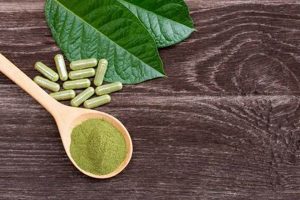
Products derived from plants, often taken orally, are sometimes considered as complementary interventions to alleviate discomfort stemming from the sciatic nerve. This discomfort typically radiates along the path of the sciatic nerve, from the lower back through the hips and down each leg. The active compounds within these natural remedies are believed by some to modulate pain pathways or reduce inflammation.
Historically, various cultures have employed botanical remedies to manage pain syndromes. Modern interest in these remedies often stems from a desire for alternatives to conventional pharmaceutical approaches, or as adjuncts to existing treatments. Potential benefits include accessibility and perceived lower risk of side effects compared to some pharmaceutical interventions, although rigorous scientific validation is often lacking. Careful consideration of individual health conditions and potential interactions with prescribed medications is paramount.
The ensuing discussion will examine particular botanical substances frequently cited for their purported effects on sciatic nerve related discomfort, reviewing available evidence, and emphasizing the necessity for qualified healthcare professional consultation prior to incorporation into a treatment plan.
Guidance on Botanical Options for Sciatic Nerve Discomfort
The following information presents several considerations regarding the use of plant-derived products for alleviating sciatic nerve-related pain. This should not be construed as medical advice, and consultation with a qualified healthcare provider is essential before initiating any new treatment.
Tip 1: Prioritize Professional Consultation: Seek advice from a physician, pharmacist, or qualified herbalist before using any botanical remedy. Potential interactions with existing medications or pre-existing health conditions necessitate professional oversight.
Tip 2: Research Product Quality: Thoroughly investigate the source and manufacturing practices of any botanical product. Look for reputable brands with third-party testing to ensure purity and potency.
Tip 3: Initiate with Low Doses: Begin with the lowest recommended dose and gradually increase as tolerated, while carefully monitoring for adverse reactions or lack of efficacy.
Tip 4: Be Aware of Potential Interactions: Inform all healthcare providers about any botanical products being used, as certain substances can interfere with prescription medications or surgical procedures.
Tip 5: Understand Timeframe for Results: Botanical products often require consistent use over an extended period to achieve noticeable effects. Realistic expectations are crucial for adherence.
Tip 6: Consider Complementary Therapies: Integrating botanical options with other established treatments, such as physical therapy or pain management techniques, may yield synergistic benefits.
Tip 7: Monitor for Allergic Reactions: Discontinue use immediately if any signs of an allergic reaction, such as rash, itching, or difficulty breathing, occur.
Adhering to these guidelines can assist in mitigating potential risks and optimizing the safe and effective integration of botanical options into a comprehensive approach to managing sciatic nerve related discomfort.
The subsequent section will address the importance of integrating these considerations into a wider strategy for managing sciatic nerve symptoms.
1. Anti-inflammatory Potential

The inflammatory cascade is a significant contributor to sciatic nerve pain. Compression or irritation of the nerve often triggers localized inflammation, exacerbating discomfort. Certain botanical products are investigated for their potential to modulate inflammatory pathways, offering a possible avenue for symptom relief.
- Inhibition of Inflammatory Mediators
Specific compounds within botanical remedies may inhibit the production or activity of pro-inflammatory mediators, such as cytokines and prostaglandins. For example, curcumin, a component of turmeric, has demonstrated the capacity to suppress nuclear factor kappa B (NF-B), a key regulator of inflammatory gene expression. This suppression may theoretically reduce the intensity of the inflammatory response affecting the sciatic nerve.
- Modulation of Immune Cell Activity
Immune cells, including macrophages and T lymphocytes, play a critical role in the inflammatory process. Certain botanical extracts are believed to modulate the activity of these cells, shifting the balance from pro-inflammatory to anti-inflammatory responses. This shift could contribute to a reduction in nerve irritation and associated pain.
- Antioxidant Properties and Oxidative Stress Reduction
Oxidative stress, characterized by an imbalance between free radicals and antioxidant defenses, can amplify inflammation. Several botanical remedies possess antioxidant properties, enabling them to neutralize free radicals and mitigate oxidative damage. This reduction in oxidative stress may contribute to decreased inflammation around the sciatic nerve.
- Impact on Vascular Permeability
Inflammation often increases vascular permeability, leading to edema (swelling) in the affected area. Some botanical compounds may help to normalize vascular permeability, reducing fluid accumulation and subsequent pressure on the sciatic nerve. This mechanism could contribute to pain reduction and improved nerve function.
The potential of botanical substances to address the inflammatory component of sciatic nerve pain is a complex area of investigation. While promising mechanisms have been identified, rigorous clinical trials are necessary to confirm efficacy and establish appropriate dosage guidelines. Furthermore, the anti-inflammatory properties of botanical remedies should be considered within the context of a comprehensive treatment plan, guided by a qualified healthcare professional.
2. Analgesic Properties

Analgesic properties inherent in certain botanical substances represent a key area of exploration for individuals seeking alternative or complementary approaches to manage sciatic nerve pain. The premise revolves around the capacity of specific plant-derived compounds to modulate pain perception pathways, thereby reducing the subjective experience of discomfort associated with sciatic nerve compression or irritation. For example, willow bark, containing salicin, functions similarly to aspirin by inhibiting prostaglandin synthesis, thus decreasing pain signals. The effectiveness of such properties is influenced by factors including the dosage, individual physiology, and specific cause of the sciatic discomfort.
The importance of analgesic properties in botanical remedies lies in their potential to offer relief without the side effects associated with some conventional pain medications. However, it’s crucial to recognize that the analgesic effects of many botanical products are often milder and may require consistent, long-term use to achieve noticeable benefits. Furthermore, the standardization of active compounds in botanical supplements can be variable, making it challenging to ensure consistent analgesic potency. As an example, preparations of St. John’s Wort, while primarily known for their mood-altering capabilities, also exhibit certain analgesic effects, although their efficacy in managing neuropathic pain, such as that stemming from sciatic nerve issues, remains under investigation.
In summary, while the analgesic properties of certain herbal supplements hold promise as a component of a comprehensive approach to managing sciatic nerve pain, it is paramount to approach their use with realistic expectations and under the guidance of a qualified healthcare professional. The understanding of potential benefits, limitations, and interactions with other medications is essential for safe and effective utilization. Furthermore, the choice of specific botanical remedies should be based on evidence-informed considerations and tailored to individual patient needs.
3. Nerve Regeneration Support

The potential for botanical interventions to facilitate nerve regeneration in cases of sciatic nerve injury or compression represents an area of ongoing investigation. While conclusive evidence remains limited, certain herbal supplements are theorized to provide a supportive environment for nerve repair and functional recovery.
- Neurotrophic Factor Modulation
Neurotrophic factors, such as Nerve Growth Factor (NGF) and Brain-Derived Neurotrophic Factor (BDNF), play a critical role in neuronal survival, growth, and differentiation. Certain herbal extracts are hypothesized to stimulate the production or release of these factors, thereby promoting nerve regeneration. For instance, some studies suggest that compounds found in Lion’s Mane mushroom may enhance NGF synthesis, potentially benefiting nerve repair processes.
- Anti-inflammatory Effects on Nerve Environment
The inflammatory milieu surrounding an injured nerve can impede regeneration. Herbal supplements with anti-inflammatory properties may help to create a more conducive environment for nerve repair by reducing edema, oxidative stress, and the activity of inflammatory cells. Curcumin, derived from turmeric, is often cited for its ability to modulate inflammatory pathways, potentially supporting nerve regeneration.
- Enhanced Microcirculation to Nerve Tissue
Adequate blood supply is essential for delivering nutrients and oxygen to damaged nerve tissue, supporting its repair and regeneration. Some herbal remedies are believed to improve microcirculation, thereby enhancing the delivery of essential factors to the injured sciatic nerve. Ginkgo biloba, known for its vasodilatory effects, is sometimes considered for this purpose, although its efficacy in nerve regeneration specifically requires further investigation.
- Protection Against Oxidative Stress
Oxidative stress, resulting from an imbalance between free radicals and antioxidants, can damage nerve cells and impair regeneration. Herbal supplements with antioxidant properties may protect nerve tissue from oxidative damage, facilitating its repair. Alpha-lipoic acid, while not strictly an herb, is a naturally occurring compound with potent antioxidant properties that is sometimes used to support nerve health.
The concept of supporting nerve regeneration with botanical supplements is based on promising theoretical mechanisms. However, rigorous clinical trials are necessary to validate these effects in the context of sciatic nerve injury and to establish appropriate dosages and safety profiles. Furthermore, any approach aimed at nerve regeneration should be integrated into a comprehensive treatment plan that includes addressing the underlying cause of sciatic nerve compression or injury.
4. Bioavailability Considerations

Bioavailability, defined as the extent and rate at which an active ingredient is absorbed from a drug product and becomes available at the site of action, is a critical factor when evaluating the potential effectiveness of herbal supplements for sciatic nerve pain. The inherent chemical properties of botanical compounds, coupled with individual physiological variations, significantly influence bioavailability, thereby affecting therapeutic outcomes.
- Solubility and Absorption
The solubility of active compounds dictates their ability to dissolve in bodily fluids, a prerequisite for absorption from the gastrointestinal tract. Lipophilic (fat-soluble) compounds may exhibit limited aqueous solubility, hindering absorption, while highly polar compounds might struggle to cross lipid-rich cell membranes. For example, curcumin, a primary constituent of turmeric, possesses poor aqueous solubility, leading to low bioavailability unless formulated with bioavailability enhancers such as piperine or liposomes. In the context of sciatic nerve pain, inadequate absorption of anti-inflammatory or analgesic compounds limits their ability to reach affected nerve tissues and exert therapeutic effects.
- First-Pass Metabolism
Following absorption from the small intestine, botanical compounds are transported to the liver via the portal vein, where they are subjected to first-pass metabolism. Hepatic enzymes can extensively metabolize these compounds, reducing the amount of active ingredient that reaches systemic circulation. For instance, flavonoids, a class of polyphenolic compounds found in various herbs, are prone to extensive first-pass metabolism, limiting their systemic bioavailability. This metabolic degradation can significantly diminish the concentrations of active compounds available to target nerve tissues, impacting the potential for pain relief or nerve regeneration support.
- Formulation Factors
The formulation of herbal supplements plays a crucial role in modulating bioavailability. Particle size reduction, encapsulation in liposomes or nanoparticles, and the co-administration of bioavailability enhancers can significantly improve the absorption and systemic availability of active compounds. For example, quercetin, a flavonoid with anti-inflammatory properties, exhibits enhanced bioavailability when formulated with phospholipids or piperine. Proper formulation can help ensure that a sufficient quantity of active compounds reaches the affected sciatic nerve, maximizing therapeutic potential.
- Individual Variability
Individual physiological factors, including age, gut microbiome composition, gastrointestinal motility, and genetic polymorphisms in metabolic enzymes, can influence the bioavailability of herbal supplements. For example, individuals with compromised gut barrier function may exhibit altered absorption patterns. Genetic variations in cytochrome P450 enzymes, which are responsible for metabolizing many botanical compounds, can lead to significant inter-individual differences in bioavailability. This variability underscores the importance of considering individual factors when recommending or using herbal supplements for sciatic nerve pain, as optimal dosages may vary.
In conclusion, bioavailability considerations are integral to evaluating the potential efficacy of herbal supplements for sciatic nerve pain. Optimizing formulation, understanding the impact of first-pass metabolism, and accounting for individual variability are essential for maximizing the therapeutic benefits of these remedies. Healthcare professionals should carefully assess these factors when advising patients on the use of herbal supplements, and patients should be encouraged to choose products from reputable manufacturers that prioritize bioavailability-enhancing strategies.
5. Drug interactions

The intersection of pharmaceutical agents and botanical supplements presents a significant concern when managing sciatic nerve pain. Concurrent usage can precipitate adverse effects, diminish therapeutic efficacy of prescribed medications, or potentiate pharmacological actions beyond safe levels. Vigilance and awareness of potential interactions are paramount to patient safety.
- Cytochrome P450 Enzyme Modulation
Herbal supplements can either induce or inhibit cytochrome P450 (CYP) enzymes, a family of hepatic enzymes responsible for metabolizing numerous drugs. Inhibition of CYP enzymes can lead to increased drug concentrations, raising the risk of toxicity. Conversely, CYP enzyme induction can accelerate drug metabolism, potentially reducing therapeutic effectiveness. For example, St. John’s Wort is a known CYP3A4 inducer, which may decrease the effectiveness of certain pain medications or anticoagulants prescribed for conditions related to sciatic nerve pain. Careful assessment of concomitant medication lists is essential to avoid such interactions.
- Pharmacodynamic Interactions
Pharmacodynamic interactions occur when herbal supplements and pharmaceutical agents have additive or antagonistic effects on the same physiological systems. Concurrent use of herbal supplements with anticoagulant or antiplatelet properties, such as Ginkgo biloba or garlic, alongside anticoagulant medications like warfarin can increase the risk of bleeding complications. Similarly, combining sedative herbal supplements with central nervous system depressants may potentiate sedative effects, leading to excessive drowsiness or respiratory depression. Prudent evaluation of pharmacological mechanisms is crucial to identify potential pharmacodynamic interactions.
- Absorption Interference
Certain herbal supplements can interfere with the absorption of concurrently administered medications, either by binding to the drug molecule in the gastrointestinal tract or by altering gastrointestinal motility. For instance, fiber-rich supplements may impede the absorption of drugs that require specific transit times for optimal uptake. Similarly, supplements that alter gastric pH can affect the solubility and absorption of pH-dependent drugs. Careful attention to the timing of administration and potential binding interactions is warranted.
- Excretion Alteration
Herbal supplements may influence drug excretion pathways, potentially leading to altered drug concentrations. Some supplements possess diuretic properties, which can increase the excretion of certain drugs, reducing their therapeutic levels. Others may affect renal tubular transport mechanisms, impacting drug clearance. Close monitoring of renal function and drug levels may be necessary when such interactions are suspected.
The complexity of potential drug interactions involving herbal supplements necessitates a comprehensive and cautious approach. Healthcare providers should thoroughly review patients’ medication and supplement lists, assess potential interaction risks, and provide appropriate guidance. Patients should be educated about the importance of disclosing all supplements being used and reporting any adverse effects experienced. A collaborative approach between patients and healthcare providers is essential to minimize the risk of adverse outcomes associated with drug-herb interactions.
Frequently Asked Questions Regarding Botanical Interventions for Sciatic Nerve Discomfort
The following elucidates common inquiries concerning the utilization of botanical supplements to address sciatic nerve-related pain, offering evidence-based insights to inform decision-making.
Question 1: Are botanical supplements a guaranteed cure for sciatic nerve pain?
Botanical supplements are not a guaranteed cure. They are typically considered as adjunct therapies and may provide symptomatic relief, but the effectiveness varies significantly among individuals. Furthermore, the underlying cause of the sciatic nerve pain must be addressed for long-term resolution.
Question 2: What are the potential risks associated with using botanical supplements for sciatic nerve pain?
Potential risks include allergic reactions, interactions with prescription medications, and variations in product quality and potency. It is imperative to consult with a qualified healthcare provider before initiating any botanical supplement regimen.
Question 3: How long does it typically take to experience noticeable effects from botanical supplements for sciatic nerve pain?
The timeframe for experiencing noticeable effects varies depending on the individual, the specific botanical supplement used, and the underlying cause of the sciatic nerve pain. Some individuals may experience benefits within a few weeks, while others may require several months of consistent use.
Question 4: Are there any specific botanical supplements that are scientifically proven to be effective for sciatic nerve pain?
While some botanical supplements have demonstrated promising results in preclinical and clinical studies, definitive scientific evidence supporting their effectiveness for sciatic nerve pain remains limited. Additional research is needed to establish efficacy and optimal dosage guidelines.
Question 5: Can botanical supplements replace conventional medical treatments for sciatic nerve pain?
Botanical supplements should not replace conventional medical treatments. They can be used as complementary therapies, but the guidance of a healthcare professional is essential to ensure that the approach is safe and appropriate for the individual’s condition.
Question 6: How can one ensure the quality and safety of botanical supplements used for sciatic nerve pain?
To ensure quality and safety, select products from reputable manufacturers that adhere to Good Manufacturing Practices (GMP) and undergo third-party testing for purity and potency. Research the manufacturer’s reputation and verify the authenticity of product certifications.
In summation, botanical supplements may offer potential benefits for managing sciatic nerve pain, but they are not a panacea. A holistic and individualized approach, guided by qualified healthcare professionals, is crucial for safe and effective utilization.
The following section will discuss non-herbal alternative therapies for sciatic nerve pain
Conclusion
This exploration of herbal supplements for sciatic nerve pain has presented a spectrum of considerations, from potential mechanisms of action to critical safety concerns. The analysis of anti-inflammatory and analgesic properties, coupled with the complexities of bioavailability and drug interactions, underscores the multifaceted nature of botanical interventions. While certain herbal substances may offer symptomatic relief for some individuals, the limitations of existing scientific evidence necessitate a cautious and informed approach.
Ultimately, the integration of herbal supplements into a sciatic nerve pain management strategy demands meticulous evaluation and qualified medical oversight. Further research is essential to elucidate efficacy, establish standardized protocols, and mitigate potential risks. Individuals experiencing sciatic nerve pain are strongly encouraged to prioritize comprehensive assessment and evidence-based treatment approaches, in collaboration with healthcare professionals, to achieve optimal outcomes.