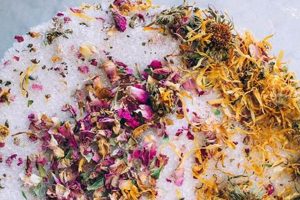
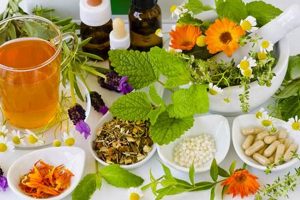
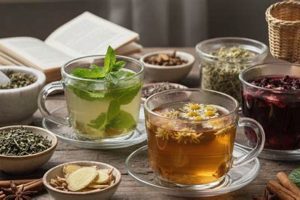
Beverages created by infusing herbs, spices, or other plant material in hot water offer a range of potential wellness advantages. These infusions differ from traditional teas, which are derived from the Camellia sinensis plant, as they utilize various botanicals. Examples include infusions made from chamomile flowers, peppermint leaves, ginger root, and rooibos.
The appeal of these botanical infusions lies in their potential contributions to overall health. Historically, many cultures have incorporated these preparations into their medicinal practices. Their consumption may be associated with stress reduction, digestive support, and immune system enhancement. Certain botanical constituents possess antioxidant and anti-inflammatory properties, further contributing to their perceived health benefits.
The subsequent sections will delve into the specific properties and applications of various herbal infusions, examining their potential impact on different aspects of well-being and providing guidance on responsible consumption. Further exploration will cover preparation methods and sourcing considerations.
Guidance on Consumption and Selection
The following recommendations provide insights for maximizing the potential advantages and mitigating potential risks associated with the consumption of botanical infusions.
Tip 1: Source Reputable Suppliers: Prioritize products from established and trusted suppliers to ensure product quality and accurate botanical identification. Independent lab testing results should be available upon request.
Tip 2: Research Potential Interactions: Investigate potential interactions between specific botanical infusions and existing medications or pre-existing health conditions. Consultation with a healthcare professional is advised.
Tip 3: Adhere to Recommended Dosage: Consume botanical infusions in moderation, following recommended brewing instructions and serving sizes. Excessive consumption may lead to adverse effects.
Tip 4: Observe for Allergic Reactions: Introduce new botanical infusions gradually. Discontinue use immediately if any signs of an allergic reaction, such as skin rash or difficulty breathing, occur.
Tip 5: Consider Brewing Temperature and Time: Adhere to recommended brewing temperatures and steeping times to extract optimal bioactive compounds while minimizing the release of undesirable substances.
Tip 6: Rotate Varieties: Vary the types of botanical infusions consumed to potentially maximize the intake of diverse phytonutrients and minimize the risk of overexposure to a single compound.
Tip 7: Understand Contraindications: Certain infusions are contraindicated for pregnant or breastfeeding individuals, or for those with specific medical conditions. Prior research is essential.
Consistent adherence to these guidelines can contribute to a more informed and responsible approach to incorporating botanical infusions into a wellness regimen.
The subsequent sections will explore specific botanical infusions and their purported health benefits in greater detail.
1. Antioxidant Properties

Antioxidant properties, inherent in various botanical sources, constitute a significant factor when evaluating the potential health benefits of herbal infusions. These properties arise from the presence of compounds that mitigate the effects of free radicals within the body.
- Polyphenols and Flavonoids
Polyphenols and flavonoids, prominent antioxidant compounds found in numerous plant species, contribute to the potential health advantages of botanical infusions. These compounds scavenge free radicals, thereby reducing oxidative stress and its associated cellular damage. Green tea and elderberry infusions, for instance, are rich in such compounds, suggesting a protective effect against chronic diseases.
- Mechanism of Action
Antioxidants function by donating electrons to free radicals, stabilizing them and preventing them from reacting with cellular components. This action reduces the likelihood of lipid peroxidation, DNA damage, and protein modification, all of which are implicated in the pathogenesis of various diseases. The regular consumption of infusions with substantial antioxidant activity may contribute to maintaining cellular integrity.
- Influence of Preparation Methods
The antioxidant capacity of herbal infusions can be influenced by preparation methods, including temperature and steeping time. Excessive heat or prolonged steeping may degrade certain antioxidant compounds, while inadequate extraction may limit their release. Optimal brewing parameters are crucial for maximizing the antioxidant potential of these beverages. Appropriate conditions retain the beneficial compounds while mitigating the extraction of undesirable substances.
- Bioavailability Considerations
While many infusions exhibit high antioxidant activity in vitro, their effectiveness in vivo depends on the bioavailability of their antioxidant compounds. Factors such as absorption, metabolism, and distribution influence the extent to which these compounds exert their protective effects within the body. Further research is needed to fully elucidate the bioavailability of specific antioxidants from herbal infusions and their long-term health implications.
The connection between antioxidant properties and botanical infusions underscores their potential role in supporting overall health. While the specific benefits may vary depending on the botanical source, preparation methods, and individual physiology, the presence of antioxidants in these beverages contributes to their appeal as a component of a health-conscious lifestyle.
2. Digestive Support

The role of select botanical infusions in providing digestive support has garnered considerable attention. Certain herbal preparations are traditionally employed to alleviate common digestive discomforts and promote gastrointestinal well-being.
- Peppermint’s Antispasmodic Effects
Peppermint, a frequently utilized herb in digestive remedies, exhibits antispasmodic properties. These properties can aid in relaxing the smooth muscles of the gastrointestinal tract, potentially reducing symptoms associated with irritable bowel syndrome (IBS) and other digestive disorders. Clinical evidence suggests that peppermint oil, and by extension, peppermint infusions, may mitigate abdominal pain and bloating.
- Ginger’s Prokinetic Influence
Ginger, recognized for its pungent flavor profile, also possesses prokinetic effects, which can accelerate gastric emptying. This acceleration may alleviate nausea and vomiting, particularly in instances of motion sickness or pregnancy-related morning sickness. Ginger infusions, prepared from the rhizome of the ginger plant, are often consumed to counteract digestive upset.
- Chamomile’s Anti-inflammatory Properties
Chamomile, known for its calming effects, also offers anti-inflammatory benefits. Inflammation within the digestive tract can contribute to discomfort and impaired nutrient absorption. Chamomile infusions may soothe the gastrointestinal lining, promoting a more balanced digestive environment. The gentle nature of chamomile makes it a suitable option for individuals with sensitive digestive systems.
- Fennel’s Carminative Action
Fennel seeds contain compounds that exhibit carminative properties, which can help reduce gas and bloating. Fennel infusions, prepared from the seeds of the fennel plant, may alleviate flatulence and abdominal distension. This carminative action stems from the ability of fennel to relax the smooth muscles of the digestive tract, facilitating the expulsion of trapped gases.
The application of these botanical infusions for digestive support underscores the potential of herbal remedies in addressing common gastrointestinal complaints. While these infusions can offer symptomatic relief, it remains crucial to consult with a healthcare professional for persistent or severe digestive issues.
3. Stress Reduction

The relationship between stress reduction and select botanical infusions is increasingly examined. Certain herbal preparations are traditionally regarded for their calming properties, potentially mitigating symptoms associated with psychological stress.
- Chamomile’s Anxiolytic Effects
Chamomile, widely recognized for its calming attributes, contains compounds that may exert anxiolytic effects. These compounds interact with neurotransmitter systems in the brain, potentially reducing anxiety and promoting relaxation. Clinical studies suggest that chamomile infusions may alleviate symptoms of generalized anxiety disorder. The gentle nature of chamomile makes it a suitable option for individuals seeking mild stress relief.
- Lavender’s Sedative Properties
Lavender, characterized by its distinct aroma, exhibits sedative properties that may promote relaxation and improve sleep quality. Inhalation of lavender essential oil, as well as consumption of lavender infusions, may reduce heart rate and blood pressure, physiological indicators of stress. The olfactory stimulation associated with lavender may also influence mood and emotional well-being.
- Lemon Balm’s Cognitive Benefits
Lemon balm, a member of the mint family, contains compounds that may enhance cognitive function and reduce anxiety. Research indicates that lemon balm infusions may improve mood, increase alertness, and alleviate feelings of tension. The cognitive benefits of lemon balm may be attributed to its influence on neurotransmitter activity and its antioxidant properties.
- Passionflower’s GABAergic Action
Passionflower, a climbing vine with distinctive blossoms, may possess GABAergic activity. Gamma-aminobutyric acid (GABA) is an inhibitory neurotransmitter that promotes relaxation and reduces anxiety. Passionflower infusions may enhance GABA activity in the brain, leading to a calming effect. This mechanism of action suggests a potential role for passionflower in managing stress and promoting restful sleep.
The incorporation of these botanical infusions into a routine may contribute to stress reduction. However, it remains crucial to recognize that herbal remedies may not substitute for conventional medical treatments for anxiety and stress-related disorders. Consultation with a healthcare professional is advised for persistent or severe symptoms.
4. Immune enhancement

The enhancement of immune function is a potential attribute of certain herbal infusions. This characteristic stems from the presence of bioactive compounds that may modulate immune responses. These infusions are not a replacement for established medical interventions but may serve as a complementary approach to supporting immune system functionality.
Echinacea, for example, has been studied for its potential to stimulate the production of immune cells and enhance the activity of natural killer cells. Elderberry, rich in antioxidants, is investigated for its potential to reduce the duration and severity of viral infections. Specific components within these botanicals, such as polysaccharides and flavonoids, are believed to interact with the immune system. However, the precise mechanisms and efficacy remain areas of ongoing research. Consumption of these infusions requires a nuanced understanding. Individuals with autoimmune disorders should exercise caution, as immune-stimulating effects may exacerbate their condition. Furthermore, the quality and standardization of herbal products can vary, requiring careful sourcing from reputable suppliers.
In summary, the potential for immune enhancement through herbal infusions warrants consideration. However, a critical approach that acknowledges both the potential benefits and limitations is essential. Further rigorous scientific investigation is necessary to fully elucidate the effects of specific herbal infusions on immune function, ensuring safe and effective usage. Individuals should consult healthcare professionals before incorporating these into their health regimens, especially in conjunction with other treatments or pre-existing conditions.
5. Hydration source
Maintaining adequate hydration is fundamental for physiological processes, and the consumption of beverages contributes significantly to fluid balance. The role of botanical infusions as sources of hydration warrants consideration, particularly in the context of individuals seeking alternatives to water or other beverages.
- Water Content and Fluid Replenishment
Botanical infusions, primarily composed of water, effectively contribute to daily fluid intake and support hydration. These infusions can be consumed hot or cold, providing a palatable means of replenishing fluids lost through normal physiological functions and physical activity. The volume of fluid ingested directly impacts hydration status, with infusions serving as a readily available source of liquid.
- Electrolyte Balance and Mineral Contribution
While not typically as rich in electrolytes as specialized sports drinks, certain botanical infusions contain trace amounts of minerals that can contribute to electrolyte balance. These minerals, such as potassium and magnesium, are essential for nerve function, muscle contraction, and fluid regulation. The presence of these minerals, although in limited quantities, may offer a marginal advantage compared to consuming plain water.
- Avoiding Sugary Beverages
Botanical infusions often present a suitable alternative to sugar-sweetened beverages, which can contribute to excessive calorie intake and adverse health outcomes. Unsweetened infusions provide hydration without the added sugars, artificial sweeteners, or other additives commonly found in commercial beverages. This aspect makes them a potentially beneficial option for individuals managing weight or blood sugar levels.
- Flavor Enhancements and Palatability
The diverse array of flavors available in botanical infusions can enhance palatability and encourage increased fluid consumption. Individuals may find it easier to meet their daily hydration needs by incorporating infusions with appealing flavors, such as fruit, floral, or spice notes. The enhanced taste profiles can make hydration a more enjoyable and sustainable habit.
The attributes of botanical infusions as a hydration source highlight their potential value in promoting fluid balance and overall well-being. While not all infusions are created equal in terms of nutritional content, their primary contribution lies in providing a readily available and palatable means of meeting daily hydration requirements, particularly as a healthier alternative to sugary drinks.
6. Variety of Flavors

The breadth of flavor profiles available within the realm of botanical infusions significantly contributes to their appeal and integration into diverse dietary preferences. This diversity stems from the utilization of various plant materials, each possessing distinct aromatic and gustatory characteristics, thereby expanding consumer choice and promoting sustained consumption.
- Herbal Infusions: Earthy and Grassy Notes
Herbal infusions, derived from leaves, stems, or roots of plants like mint, chamomile, and rooibos, exhibit flavors ranging from earthy and grassy to floral and subtly sweet. Peppermint offers a refreshing, cooling sensation, while chamomile provides a gentle, calming taste. These options cater to individuals seeking mild and soothing flavors.
- Fruity Infusions: Tart and Sweet Sensations
Fruity infusions, incorporating dried fruits, berries, or fruit peels, present a range of tart and sweet sensations. Hibiscus infusions, known for their vibrant red color and tartness, offer a tangy alternative. Rosehip infusions, rich in vitamin C, provide a slightly sweet and floral flavor profile. Such infusions appeal to those preferring bolder and fruit-forward tastes.
- Spiced Infusions: Warm and Aromatic Experiences
Spiced infusions, incorporating spices like ginger, cinnamon, cardamom, and cloves, deliver warm and aromatic experiences. Ginger infusions, with their pungent and slightly spicy flavor, can stimulate circulation and aid digestion. Cinnamon infusions impart a sweet and woody taste, often associated with comfort and warmth. These infusions cater to individuals seeking more complex and invigorating flavor profiles.
- Floral Infusions: Delicate and Fragrant Tastes
Floral infusions, utilizing blossoms like lavender, rose, and jasmine, offer delicate and fragrant tastes. Lavender infusions provide a calming and slightly sweet flavor, often associated with relaxation. Rose infusions, with their delicate floral aroma and subtly sweet taste, offer a refined and sophisticated option. These infusions appeal to individuals who appreciate nuanced and aromatic experiences.
The extensive variety of flavors available within botanical infusions underscores their versatility and adaptability to individual preferences. This broad range of tastes, encompassing herbal, fruity, spiced, and floral notes, contributes to the sustained appeal of these beverages and supports their integration into diverse dietary patterns and wellness practices. The availability of numerous options allows individuals to explore and discover infusions that align with their taste preferences and health goals.
Frequently Asked Questions about Beneficial Herbal Teas
The following questions and answers address common inquiries regarding the consumption and utilization of herbal infusions.
Question 1: What distinguishes beneficial herbal teas from traditional teas?
Traditional teas are derived from the Camellia sinensis plant and contain caffeine. Beneficial herbal teas, conversely, are infusions made from various herbs, spices, flowers, and other plant materials and are typically caffeine-free.
Question 2: Are there potential side effects associated with consuming beneficial herbal teas?
Yes, certain individuals may experience side effects such as allergic reactions, digestive upset, or interactions with medications. It is essential to research potential interactions and consult with a healthcare professional if concerns arise.
Question 3: Can beneficial herbal teas replace medical treatment for specific health conditions?
No, herbal infusions should not be considered a substitute for conventional medical treatment. They may serve as a complementary approach, but consultation with a healthcare professional is crucial for managing health conditions.
Question 4: How should beneficial herbal teas be properly prepared to maximize their benefits?
Adherence to recommended brewing temperatures and steeping times is essential. Excessive heat or prolonged steeping may degrade beneficial compounds, while inadequate extraction may limit their release. Following product-specific instructions is advised.
Question 5: Are all commercially available beneficial herbal teas of equal quality?
No, the quality of herbal teas can vary significantly. Prioritize products from reputable suppliers that provide information on botanical identification and testing results.
Question 6: Can beneficial herbal teas be consumed during pregnancy or breastfeeding?
Certain herbal infusions are contraindicated during pregnancy or breastfeeding. Researching specific ingredients and consulting with a healthcare professional is imperative before consumption.
Understanding the nuances of herbal infusions is crucial for informed and responsible consumption. Further exploration of specific botanical properties is recommended.
The subsequent section will provide a summary of the key benefits and considerations associated with incorporating beneficial herbal teas into a wellness regimen.
Conclusion
This exploration of beneficial herbal teas underscores their potential role in supporting overall wellness. Key considerations include their antioxidant properties, potential for digestive support, capacity for stress reduction, contribution to immune enhancement, suitability as a hydration source, and variety of flavor profiles. The informed consumption of these botanical infusions requires careful attention to sourcing, preparation methods, and potential interactions.
The integration of beneficial herbal teas into a health-conscious lifestyle warrants further investigation and personalized application. As research continues to elucidate the specific mechanisms and benefits of these infusions, individuals are encouraged to approach their consumption with prudence, prioritizing evidence-based information and consultation with qualified healthcare professionals. The judicious use of these botanical resources may contribute to a more holistic approach to health management.