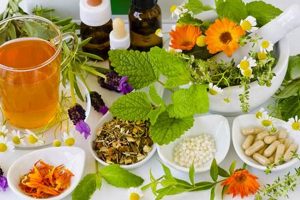
Substances derived from plants, purported to elevate the levels of a crucial male hormone, are often marketed as natural alternatives to synthetic hormone therapies. These products typically contain extracts from various herbs, each believed to possess properties that stimulate the body’s own production processes related to this hormone. An example is a supplement containing Tribulus terrestris and fenugreek extracts, advertised to improve muscle mass and energy levels.
The potential advantages of using plant-derived compounds to influence hormonal balance are attractive to many. Throughout history, various cultures have utilized plants for their medicinal properties, including their perceived ability to enhance vitality and reproductive function. The appeal lies in the perception of a more natural and holistic approach to well-being, potentially minimizing the risks associated with synthetic interventions. However, it is important to note that claims surrounding the efficacy of these substances are subject to scrutiny and require rigorous scientific validation.
Evaluating the role of these botanical formulations necessitates a detailed examination of the underlying mechanisms of action, supported by robust clinical research. Further discussion will explore the common herbal ingredients found in these products, the scientific evidence supporting their claims, and the potential risks and considerations associated with their use. Finally, the ethical and regulatory landscape surrounding these supplements will be examined.
Guidance on Evaluating Plant-Based Hormone Support
The following provides insights into responsibly considering plant-based formulations for hormonal support. The focus is on evidence-based decision-making and risk mitigation.
Tip 1: Consult a Healthcare Professional: A thorough assessment by a physician is essential prior to initiating any form of hormone modulation. Diagnostic testing can establish baseline hormone levels and identify potential underlying medical conditions.
Tip 2: Scrutinize Ingredient Lists: Carefully examine the ingredient list, researching each component individually. Focus on identifying the specific plant extracts, their standardized concentrations, and any potential allergens or interactions with existing medications.
Tip 3: Evaluate Scientific Evidence: Investigate the clinical research supporting the purported benefits of each ingredient. Emphasize randomized, placebo-controlled trials published in peer-reviewed journals.
Tip 4: Consider Bioavailability: Understand that the absorption and utilization of plant-derived compounds can vary significantly. Research the bioavailability of specific extracts and consider formulations designed to enhance absorption.
Tip 5: Monitor for Adverse Effects: Closely observe for any adverse effects, such as gastrointestinal distress, skin reactions, or mood changes. Discontinue use and consult a healthcare professional if any concerning symptoms arise.
Tip 6: Understand Regulatory Landscape: Be aware that dietary supplements are not subject to the same level of regulatory scrutiny as prescription medications. Exercise caution when evaluating claims made by manufacturers.
Tip 7: Be Mindful of Dosage: Adhere strictly to recommended dosage guidelines provided by the manufacturer or healthcare professional. Excessive doses can increase the risk of adverse effects.
Employing a systematic approach to evaluating botanical hormone support is crucial. It allows for informed decisions, managing expectations, and minimizing potential risks.
The concluding section of this discussion will delve into common misconceptions and ethical implications concerning the use of plant-derived hormonal aids.
1. Ingredient Efficacy

The efficacy of individual ingredients represents a foundational consideration when evaluating the potential of any botanical substance marketed as a “testosterone booster.” The presence of specific compounds known or hypothesized to influence hormonal pathways is paramount in discerning whether a product possesses a reasonable likelihood of achieving the desired effect.
- Active Compound Concentration
The mere presence of an ingredient does not guarantee efficacy. The concentration of active compounds within the extract is crucial. For example, Tribulus terrestris extracts should be standardized for saponin content, particularly protodioscin. Without a quantifiable and sufficient concentration of these key constituents, the ingredient’s potential impact on hormone levels remains questionable. A product lacking proper standardization may offer negligible benefits.
- Mechanism of Action
A scientifically plausible mechanism of action is essential. Understanding how an ingredient is purported to influence hormone production, release, or utilization provides a basis for evaluating its likelihood of success. Some herbs are believed to stimulate the release of luteinizing hormone (LH), which in turn signals the testes to produce testosterone. However, the evidence supporting such mechanisms varies, and the magnitude of the effect may be limited. A clear, evidence-based understanding of the mechanism is critical.
- Bioavailability and Absorption
Even if an ingredient possesses a theoretically sound mechanism of action, its bioavailability significantly impacts efficacy. Poor absorption can render an otherwise promising compound ineffective. The method of extraction, formulation, and presence of other ingredients can all affect how well the active compounds are absorbed and utilized by the body. For instance, some plant extracts are more effectively absorbed when consumed with fats. Therefore, bioavailability represents a critical factor in determining efficacy.
- Clinical Trial Evidence
The ultimate determinant of ingredient efficacy resides in the availability of robust clinical trial data. Randomized, placebo-controlled studies are necessary to demonstrate that an ingredient actually raises testosterone levels in human subjects. The study population, dosage, and duration of treatment must be carefully considered when evaluating the results. In the absence of convincing clinical evidence, claims of efficacy should be viewed with skepticism. Positive findings in animal studies do not automatically translate to human efficacy.
In conclusion, evaluating ingredient efficacy in the context of “testosterone boosters” demands a comprehensive assessment that extends beyond superficial claims. It requires careful consideration of active compound concentration, the proposed mechanism of action, bioavailability, and, most importantly, supporting clinical trial evidence. Only through this rigorous approach can one responsibly assess the true potential of an ingredient to influence hormone levels.
2. Dosage Optimization

Dosage optimization represents a pivotal determinant in the effectiveness and safety profile of any botanical substance marketed as a testosterone enhancer. The principle underlying this concept is that the quantity of active compounds administered dictates the magnitude of the physiological effect, with both insufficient and excessive doses potentially leading to suboptimal outcomes. In the context of plant-derived compounds, achieving the appropriate dosage is particularly complex due to variability in plant extracts and individual response.
The impact of dosage on physiological response exhibits a characteristic dose-response relationship. At sub-optimal dosages, the concentration of active constituents may be insufficient to elicit the desired hormonal changes. Conversely, supra-physiological dosages can increase the risk of adverse effects, ranging from mild gastrointestinal disturbances to more severe endocrine disruptions. For example, while a moderate dose of Fenugreek extract might modestly improve libido, an excessive dose could lead to gastrointestinal distress without further enhancing its purported testosterone-boosting effects. Real-world scenarios reveal that individuals often seek higher doses in the mistaken belief that this will yield greater benefits, thereby increasing the likelihood of adverse reactions. The practical significance lies in understanding that more is not necessarily better, and that the correct dosage, as informed by scientific evidence, is crucial for maximizing benefit while minimizing risk.
In summary, dosage optimization stands as a critical factor in the responsible use of any plant-based testosterone support strategy. It requires a nuanced understanding of the ingredient’s pharmacology, the dose-response relationship, and individual variability. Addressing the challenge of establishing optimal dosages necessitates rigorous clinical trials that evaluate different dose levels and their corresponding effects on hormone levels and overall well-being. The absence of such data underscores the uncertainty and risk associated with self-administration of these substances, emphasizing the importance of consulting with qualified healthcare professionals.
3. Safety Profiles

The concept of safety profiles is inextricably linked to the evaluation of any product marketed to enhance hormonal activity. In the realm of “herbal testosterone boosters,” careful consideration of potential adverse effects and contraindications assumes paramount importance. The inherent complexity of botanical substances, coupled with individual variations in physiological response, necessitates a thorough understanding of the potential risks associated with their use. A lack of comprehensive safety data undermines any claim of a product being the “best” in its category, regardless of its purported efficacy. For instance, an herb demonstrating modest testosterone-boosting effects but accompanied by significant liver toxicity would be deemed unacceptable from a safety perspective. Conversely, a substance with minimal side effects but also limited efficacy might represent a more prudent choice for certain individuals. Therefore, safety profiles serve as a critical filter in discerning genuinely beneficial products from those posing unacceptable risks.
Practical applications of safety profile assessment extend to several key areas. Firstly, healthcare providers must possess a comprehensive understanding of potential drug interactions and contraindications before recommending any herbal testosterone booster. Many botanical substances can interact with prescription medications, potentially leading to serious adverse events. Secondly, consumers should be educated about the importance of monitoring for any unusual symptoms or side effects while using these products. Prompt recognition and reporting of adverse reactions are essential for ensuring patient safety. Thirdly, manufacturers have a responsibility to conduct thorough safety testing and provide clear and accurate information about potential risks and contraindications on product labels. Transparency and responsible labeling practices are crucial for enabling informed decision-making by consumers.
In conclusion, safety profiles constitute an indispensable component of any credible assessment of herbal testosterone boosters. A product cannot be deemed the “best” without rigorous evaluation of its potential risks and adverse effects. Ongoing research into the safety of commonly used herbal ingredients is essential for informing clinical practice and protecting public health. The inherent uncertainties associated with botanical substances necessitate a cautious and evidence-based approach to their use, emphasizing the importance of informed consent and close monitoring by healthcare professionals.
4. Scientific Validation
Rigorous scientific validation serves as the cornerstone in evaluating claims associated with any product purporting to enhance physiological function. In the context of “best herbal testosterone booster,” the presence or absence of credible scientific evidence directly determines the legitimacy and potential efficacy of such claims.
- Randomized Controlled Trials
The gold standard in scientific research is the randomized controlled trial (RCT). These studies involve randomly assigning participants to either a treatment group (receiving the herbal supplement) or a control group (receiving a placebo). Changes in testosterone levels are then compared between the two groups. The presence of multiple, well-designed RCTs demonstrating a statistically significant increase in testosterone levels provides compelling evidence of efficacy. Conversely, a lack of RCTs, or the presence of RCTs with negative or inconclusive results, undermines the product’s claim to be an effective testosterone booster.
- Mechanism of Action Studies
Beyond simply observing an effect, scientific validation also requires an understanding of the underlying mechanism of action. In vitro (laboratory) and in vivo (animal) studies can help elucidate how a particular herbal extract might influence testosterone production, release, or metabolism. These studies can identify specific enzymes or receptors that are affected by the extract, providing a biological rationale for its potential efficacy. The absence of a plausible mechanism of action raises concerns about the validity of any observed effects.
- Dosage and Safety Studies
Scientific validation also encompasses determining the optimal dosage and assessing the safety profile of the herbal supplement. Dose-response studies are needed to identify the dosage range that maximizes efficacy while minimizing the risk of adverse effects. Safety studies, including preclinical toxicology assessments and clinical trials, are essential for identifying potential side effects, drug interactions, and contraindications. A product lacking adequate dosage and safety data cannot be considered scientifically validated.
- Quality Control and Standardization
The reliability of scientific findings depends on the quality and consistency of the herbal supplement being tested. Scientific validation requires rigorous quality control measures to ensure that the product contains the stated amount of active ingredients and is free from contaminants. Standardization of herbal extracts, which involves quantifying the levels of specific bioactive compounds, is also essential for ensuring reproducibility of research findings. Products lacking quality control and standardization cannot be reliably evaluated in scientific studies.
In summary, scientific validation is indispensable in discerning legitimate “best herbal testosterone booster” candidates from unsubstantiated claims. The integration of RCTs, mechanistic studies, dosage and safety assessments, and rigorous quality control measures provides a comprehensive framework for evaluating the true potential of these products. A reliance on anecdotal evidence or marketing hype, in the absence of robust scientific support, is insufficient and potentially misleading.
5. Individual Variability

Individual variability represents a critical factor when assessing the efficacy of any purported hormone-enhancing substance. Responses to herbal supplements vary widely among individuals, influencing the extent to which such products affect testosterone levels.
- Genetic Predisposition
An individual’s genetic makeup significantly impacts hormone production and receptor sensitivity. Genes involved in testosterone synthesis, metabolism, and androgen receptor function differ among individuals, leading to varying baseline testosterone levels and responsiveness to exogenous stimuli. Genetic variations can determine how efficiently the body converts precursor hormones into testosterone, or how effectively testosterone binds to its receptors. This genetic diversity directly influences the magnitude of the hormonal response to plant-derived compounds.
- Age and Physiological State
Age-related changes in hormone production and metabolic function contribute to individual variability in response to testosterone boosters. Testosterone levels naturally decline with age, affecting the responsiveness of tissues to hormonal stimulation. Physiological states, such as stress, illness, or sleep deprivation, can also influence hormone levels and the body’s ability to adapt to herbal interventions. Younger individuals may exhibit a more robust response compared to older adults with pre-existing hormonal decline.
- Lifestyle Factors
Lifestyle factors, including diet, exercise, and sleep patterns, significantly impact hormone regulation and overall health. Adequate nutrition, regular physical activity, and sufficient sleep are essential for maintaining optimal testosterone levels. Individuals with unhealthy lifestyles, such as those consuming processed foods, engaging in sedentary behaviors, or experiencing chronic sleep deprivation, may exhibit a blunted response to herbal testosterone boosters compared to individuals with healthier habits. Lifestyle modifications can, therefore, either enhance or diminish the effects of supplementation.
- Gut Microbiome Composition
The composition of the gut microbiome influences various physiological processes, including hormone metabolism. Certain gut bacteria can convert testosterone into other metabolites, affecting circulating testosterone levels. Individual differences in gut microbiome composition can, therefore, modulate the effectiveness of herbal testosterone boosters. Individuals with a diverse and healthy gut microbiome may exhibit a more favorable hormonal response compared to those with dysbiosis.
Therefore, the “best herbal testosterone booster” for one individual may not be the most effective for another. A comprehensive understanding of individual variability is crucial for tailoring treatment strategies and setting realistic expectations regarding the potential benefits of herbal testosterone supplementation. Personalized approaches, incorporating genetic testing, lifestyle assessments, and microbiome analysis, may be necessary to optimize outcomes and minimize potential risks.
6. Product Quality
The concept of product quality holds paramount significance when evaluating substances marketed to enhance hormone levels. In the context of plant-derived formulations, product quality encompasses several critical factors that collectively determine the reliability, safety, and potential efficacy of such supplements.
- Source Material Purity
The quality of the raw herbal material directly influences the final product. Contamination from pesticides, heavy metals, or other environmental pollutants can negate any potential benefits and pose serious health risks. Rigorous testing and sourcing from reputable suppliers are essential to ensure purity. For instance, Tribulus terrestris sourced from polluted areas may contain elevated levels of lead, rendering the final product unsafe for consumption. Therefore, the origin and handling of raw materials represent a crucial determinant of product quality.
- Extraction and Processing Methods
The methods employed for extracting and processing herbal ingredients significantly impact the concentration and bioavailability of active compounds. Suboptimal extraction techniques can result in low concentrations of key constituents, rendering the product ineffective. Conversely, harsh processing methods can degrade delicate bioactive molecules, diminishing their potency. Supercritical CO2 extraction, for example, is often preferred for preserving the integrity of sensitive plant compounds. The choice of extraction and processing methods, therefore, dictates the quality and effectiveness of the final product.
- Standardization and Potency
Standardization refers to the process of ensuring that each batch of a herbal extract contains a consistent and quantifiable amount of specific bioactive compounds. Potency refers to the concentration of these compounds. Products lacking standardization and potency guarantees may exhibit significant batch-to-batch variability, leading to inconsistent results and unreliable effects. For example, a Fenugreek extract standardized to 50% saponins provides a more predictable and consistent effect than a non-standardized extract with unknown saponin content. Therefore, standardization and potency are essential for ensuring product quality and efficacy.
- Testing and Certification
Independent third-party testing and certification provide objective verification of product quality and safety. Reputable organizations, such as USP or NSF, conduct rigorous testing for purity, potency, and contaminants. Certification from these organizations assures consumers that the product meets established quality standards. Products lacking third-party testing and certification may be of questionable quality and potentially unsafe for consumption. Therefore, independent verification serves as a critical indicator of product quality and reliability.
The multifaceted nature of product quality underscores the importance of careful evaluation when selecting an herbal testosterone booster. By prioritizing products with verified purity, appropriate extraction methods, standardization, and third-party certification, consumers can increase the likelihood of obtaining a safe and effective supplement. Ignoring product quality compromises the potential benefits and exposes individuals to unnecessary health risks. A discerning approach, emphasizing product quality, is essential for maximizing the likelihood of achieving desired outcomes.
7. Legal Status

The legal status of substances marketed as “best herbal testosterone booster” represents a crucial determinant of their accessibility, safety, and consumer protection. Differing regulatory frameworks across jurisdictions impact the classification, distribution, and marketing of these products. The legal status affects the availability of such compounds, influencing consumer access and product safety standards. Non-compliance with legal regulations can result in the distribution of substandard or adulterated products, posing potential health risks.
In many countries, plant-derived substances intended for enhancing testosterone levels are categorized as dietary supplements. This classification typically entails less stringent regulatory oversight compared to pharmaceuticals. For instance, in the United States, dietary supplements are regulated under the Dietary Supplement Health and Education Act (DSHEA), which places the onus on manufacturers to ensure product safety. However, the FDA’s enforcement capabilities are limited, and proactive monitoring of product quality and efficacy remains a challenge. Consequently, consumers must exercise caution and conduct thorough research before using any herbal testosterone booster to ascertain its safety and legality in their respective regions. The legal status also affects how these products are marketed, with regulations often restricting the types of claims that can be made about their effects.
Understanding the legal status of herbal testosterone boosters is essential for both consumers and manufacturers. Consumers should verify the legality of a product in their jurisdiction before purchasing or using it. Manufacturers must adhere to applicable regulations regarding product safety, labeling, and marketing. Failure to comply with these regulations can result in legal penalties, including product recalls and fines. The interplay between legal status and product quality is paramount for ensuring consumer safety and maintaining the integrity of the market for herbal testosterone boosters. Navigating the regulatory landscape requires careful attention to detail and a commitment to compliance.
Frequently Asked Questions Regarding Plant-Derived Testosterone Enhancement
The following addresses frequently encountered inquiries concerning botanical substances marketed for their potential to augment testosterone levels. The information presented is intended to provide clarification based on available evidence.
Question 1: Do herbal testosterone boosters actually work?
The efficacy of plant-derived testosterone enhancers varies depending on the specific ingredients, dosages, and individual factors. Some substances, such as Tribulus terrestris and Fenugreek, have demonstrated limited evidence of increasing testosterone in certain populations, while others lack robust scientific support. Results from clinical trials are often inconsistent, highlighting the need for cautious interpretation and individualized assessment.
Question 2: Are herbal testosterone boosters safe?
The safety of herbal testosterone boosters depends on the specific ingredients and individual health conditions. Some herbal substances may cause adverse effects, such as gastrointestinal distress, allergic reactions, or interactions with medications. Individuals with pre-existing medical conditions or those taking prescription drugs should consult with a healthcare professional before using these products. Rigorous safety testing and quality control measures are essential to minimize potential risks.
Question 3: What are the common ingredients found in herbal testosterone boosters?
Common ingredients include Tribulus terrestris, Fenugreek, Ashwagandha, D-Aspartic Acid (DAA), and Tongkat Ali. Each ingredient is purported to influence testosterone levels through different mechanisms, such as stimulating luteinizing hormone (LH) production or inhibiting aromatase activity. The scientific evidence supporting the efficacy of these ingredients varies considerably.
Question 4: How long does it take to see results from herbal testosterone boosters?
The time required to observe noticeable effects from herbal testosterone boosters varies depending on the individual and the specific product. Some individuals may experience modest improvements in energy levels, libido, or muscle mass within a few weeks, while others may not notice any significant changes. Long-term studies are needed to fully assess the sustained effects of these substances.
Question 5: Are there any alternatives to herbal testosterone boosters?
Alternatives include lifestyle modifications, such as regular exercise, adequate sleep, and a balanced diet. Resistance training, in particular, has been shown to stimulate testosterone production. In cases of clinically diagnosed hypogonadism, testosterone replacement therapy (TRT) may be considered under the supervision of a healthcare professional.
Question 6: Are herbal testosterone boosters legal?
The legality of herbal testosterone boosters varies depending on the specific ingredients and regulations in different countries. In many jurisdictions, these products are classified as dietary supplements and are subject to less stringent regulatory oversight than pharmaceuticals. Consumers should verify the legality of a product in their respective regions before purchasing or using it.
The responsible use of botanical formulations for hormonal support hinges upon informed decision-making, understanding potential risks, and seeking professional guidance. These substances should not be regarded as a replacement for evidence-based medical treatments.
A subsequent article will discuss ethical considerations and the potential for deceptive marketing practices associated with plant-derived hormonal aids.
Concluding Assessment of Plant-Derived Testosterone Support
This exploration has dissected the multifaceted nature of the phrase “best herbal testosterone booster,” moving beyond superficial marketing claims. It has underscored the critical importance of scientific validation, individual variability, product quality, and legal considerations. The efficacy and safety of specific botanical substances remain subjects of ongoing research, demanding a cautious and evidence-based approach to their utilization. Claims of unparalleled efficacy require rigorous scrutiny, emphasizing the need for comprehensive clinical trial data and transparent ingredient labeling.
The landscape of plant-derived hormone support necessitates continued investigation and critical evaluation. Consumers are urged to prioritize informed decision-making, consulting with qualified healthcare professionals and carefully weighing potential benefits against inherent risks. The pursuit of optimal well-being should be guided by scientific rigor and a commitment to responsible practices, moving beyond unsubstantiated claims and embracing a holistic perspective on health and vitality.