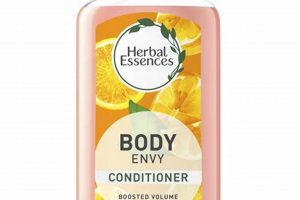
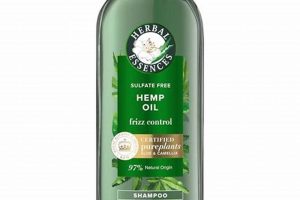
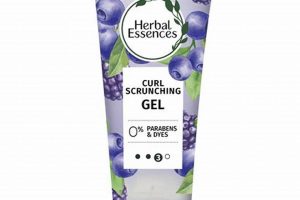
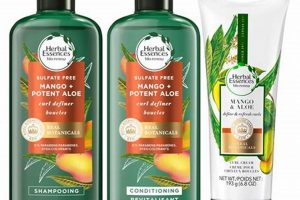
This product line focuses on the health and equilibrium of the skin at the base of the hair. It aims to provide cleansing and conditioning formulations that address issues such as dryness, oiliness, and irritation that can affect hair growth and overall appearance. These formulations often incorporate botanical ingredients known for their soothing and revitalizing properties.
Maintaining a healthy foundation for hair is crucial for promoting strong, lustrous locks. A balanced condition helps to regulate oil production, prevent flakiness, and reduce itchiness. Utilizing solutions designed for this purpose can improve the overall condition of the head’s skin, leading to improved growth and reduced breakage. The use of natural extracts has a long-standing tradition in hair care, reflecting a belief in their gentler and potentially more nourishing effects.
The subsequent discussion will explore the specific ingredients, usage guidelines, and potential benefits associated with this approach to hair care. Attention will also be given to how these formulations compare to other similar offerings on the market.
Tips for Maintaining a Healthy Scalp
Maintaining a balanced and healthy scalp is paramount for optimal hair growth and overall hair health. Implementing these tips, in conjunction with a targeted product line, can yield noticeable improvements.
Tip 1: Regular Cleansing: Consistent washing helps remove excess oil, dirt, and product buildup. Over-washing, however, can strip the scalp of its natural oils, leading to dryness and irritation. Aim for a frequency that balances cleanliness with preservation of natural moisture.
Tip 2: Gentle Exfoliation: Periodically exfoliate the scalp to remove dead skin cells and promote circulation. Use a soft brush or a specialized scalp scrub, applying gentle pressure to avoid irritation. Exfoliation frequency should be tailored to individual needs, typically once or twice a month.
Tip 3: Balanced Diet: A nutritious diet rich in vitamins, minerals, and antioxidants contributes significantly to scalp and hair health. Ensure adequate intake of essential nutrients, including vitamins A, C, D, and E, as well as zinc, iron, and omega-3 fatty acids. Deficiencies in these nutrients can manifest as scalp dryness, hair loss, or other related conditions.
Tip 4: Minimize Heat Styling: Excessive heat from styling tools can damage both the hair and the scalp. Reduce reliance on heat styling and always use a heat protectant product before application. Lower heat settings and shorter exposure times are preferable to minimize potential harm.
Tip 5: Scalp Massage: Regular scalp massage can improve blood flow to the hair follicles, potentially promoting hair growth and reducing tension. Use fingertips to gently massage the scalp in circular motions for several minutes daily. This practice can also aid in distributing natural oils throughout the scalp.
Tip 6: Hydration: Maintaining proper hydration is essential for overall health, including scalp health. Drink adequate amounts of water throughout the day to keep the scalp moisturized and prevent dryness.
By consistently adhering to these practices, individuals can cultivate a healthier scalp environment, which, in turn, can contribute to improved hair vitality and overall well-being.
The subsequent sections will delve into specific ingredients found in formulations designed for scalp health and how they contribute to these benefits.
1. Soothing Irritation

The alleviation of discomfort and sensitivity on the scalp is a critical element in maintaining a healthy environment for hair growth. The relationship between scalp comfort and solutions aimed at achieving equilibrium lies in the direct impact irritation has on the hair follicles and overall scalp health.
- Reduction of Inflammation
Inflammation, often manifested as redness, itching, or burning, disrupts the normal function of the scalp. Formulations designed to promote balance often incorporate anti-inflammatory agents, such as aloe vera or chamomile, to reduce these symptoms. Diminishing inflammation allows the scalp to function more efficiently in supporting hair growth.
- Alleviation of Itchiness
Persistent itching can lead to scratching, which can further damage the scalp and exacerbate irritation. Ingredients like menthol or tea tree oil are sometimes included for their cooling and soothing properties. Reducing itchiness breaks the cycle of irritation and damage, fostering a healthier scalp condition.
- Restoration of the Skin Barrier
A compromised skin barrier on the scalp can lead to increased sensitivity and susceptibility to irritants. Products designed for scalp balance often contain ingredients that help to repair and strengthen the skin’s natural protective layer, such as ceramides or fatty acids. Restoring the skin barrier reduces the likelihood of irritation from external factors.
- Prevention of Secondary Infections
Chronic irritation and scratching can create openings in the skin, increasing the risk of bacterial or fungal infections. Maintaining a healthy scalp through soothing ingredients helps to prevent these secondary infections from developing. A balanced environment is less prone to imbalances that encourage microbial growth.
The integration of these facets illustrates the multifaceted approach required to address irritation effectively. By targeting inflammation, itchiness, barrier function, and infection risk, a comprehensive solution aimed at scalp equilibrium can promote a healthier foundation for hair growth. The inclusion of soothing agents within formulations underscores the importance of comfort in maintaining overall scalp well-being.
2. Regulating sebum
Maintaining the correct level of sebum production is crucial for scalp health. An imbalance, whether an overproduction leading to oiliness or an underproduction resulting in dryness, can contribute to various scalp conditions and hinder healthy hair growth. Formulations designed for scalp equilibrium often prioritize sebum regulation as a central mechanism.
- Balancing Oil Production
The sebaceous glands, responsible for sebum secretion, must operate within a functional range. Overactivity leads to oily scalp, potentially causing seborrheic dermatitis or dandruff. Conversely, underactivity can result in dryness, itchiness, and flaking. Products aimed at equilibrium often incorporate ingredients like salicylic acid or tea tree oil to manage oil secretion without stripping the scalp of necessary moisture.
- Maintaining Hydration
Sebum contributes to the scalp’s natural moisturizing factor, helping to prevent water loss. However, excessive sebum can create a barrier that prevents proper hydration. Regulating sebum production ensures that the scalp receives adequate moisture without becoming overly greasy. Ingredients like hyaluronic acid or glycerin may be included to augment hydration in formulations that address sebum regulation.
- Preventing Follicle Blockage
Excessive sebum can combine with dead skin cells and debris to clog hair follicles, potentially leading to inflammation, acne, or even hair loss. Formulations with sebum-regulating properties can help prevent follicle blockage by reducing the amount of sebum available to combine with other substances. This preventative action supports healthy hair growth and reduces the risk of scalp disorders.
- Supporting Microbial Balance
Sebum provides a food source for certain microorganisms that naturally reside on the scalp. An overabundance of sebum can lead to an overgrowth of these microorganisms, potentially causing or exacerbating conditions like dandruff. Regulating sebum production helps to maintain a balanced microbial environment on the scalp, reducing the risk of related issues.
The interconnectedness of these facets highlights the importance of a balanced approach to sebum regulation. By addressing both the quantity and quality of sebum production, formulations designed for scalp equilibrium can contribute to a healthier environment that supports optimal hair growth and minimizes the risk of various scalp disorders. Understanding this critical aspect enhances the selection and application of appropriate scalp care regimens.
3. Hydration maintenance

Sustaining adequate moisture levels within the scalp is a critical determinant of overall scalp health and directly influences the efficacy of formulations designed to promote equilibrium. A properly hydrated scalp exhibits improved elasticity, nutrient absorption, and resilience against environmental stressors. Addressing dryness and preserving moisture are thus central tenets of effective scalp care.
- Enhanced Skin Barrier Function
A well-hydrated scalp possesses a robust skin barrier, acting as a protective shield against irritants, pathogens, and moisture loss. The stratum corneum, the outermost layer of the epidermis, relies on adequate hydration to maintain its integrity. Compromised hydration weakens this barrier, rendering the scalp vulnerable to inflammation, itching, and infection. Formulations designed for scalp equilibrium often incorporate humectants and emollients to fortify the skin barrier and prevent transepidermal water loss.
- Improved Nutrient Delivery
Water serves as a solvent for essential nutrients, facilitating their transport and absorption within the scalp tissues. Adequate hydration ensures that hair follicles receive the necessary building blocks for healthy growth. A dry scalp, conversely, may exhibit impaired nutrient delivery, potentially leading to weakened hair shafts and reduced hair growth. Hydrating formulations can enhance nutrient bioavailability, supporting the physiological processes necessary for optimal hair follicle function.
- Reduced Scalp Sensitivity
Dehydration can exacerbate scalp sensitivity, leading to increased reactivity to environmental factors and cosmetic ingredients. A dry scalp is more prone to itching, flaking, and irritation, making it difficult to maintain a comfortable and healthy condition. Hydrating formulations can alleviate these symptoms by replenishing moisture levels and soothing inflamed tissues. Ingredients like aloe vera and hyaluronic acid are commonly used to provide immediate and long-lasting hydration, reducing overall scalp sensitivity.
- Prevention of Scalp Disorders
Chronic dehydration can contribute to the development of various scalp disorders, including dandruff, seborrheic dermatitis, and eczema. A dry scalp environment favors the proliferation of Malassezia globosa, a fungus associated with dandruff. Maintaining adequate hydration can help to prevent the overgrowth of this microorganism and reduce the severity of dandruff symptoms. Moreover, proper hydration supports the natural desquamation process, preventing the buildup of dead skin cells that can contribute to scalp disorders.
The interconnectedness of these facets underscores the importance of hydration maintenance in promoting a balanced scalp environment. By addressing the underlying causes of dryness and ensuring adequate moisture levels, formulations designed for scalp equilibrium can effectively alleviate symptoms, improve skin barrier function, and support optimal hair follicle health. The integration of hydrating agents within these formulations represents a critical component of a comprehensive approach to scalp care, fostering long-term health and vitality.
4. Strengthening Follicles
The reinforcement of hair follicles constitutes a foundational element in achieving and sustaining scalp equilibrium. A robust follicle is inherently more resistant to damage and better equipped to support healthy hair growth. Consequently, formulations aimed at scalp health often prioritize the fortification of these critical structures.
- Improved Anchoring and Reduced Hair Loss
A strengthened follicle exhibits a firmer attachment within the scalp, reducing the likelihood of premature hair shedding. Factors such as nutritional deficiencies, hormonal imbalances, and external stressors can weaken the follicle’s anchoring capacity, leading to increased hair loss. Formulations designed to strengthen follicles often incorporate ingredients like biotin, keratin, and collagen, which contribute to the structural integrity of the hair shaft and its connection to the scalp. Reducing hair loss preserves hair density and contributes to a fuller, healthier appearance.
- Enhanced Resistance to Environmental Stressors
Hair follicles are constantly exposed to a variety of environmental aggressors, including UV radiation, pollution, and styling damage. A weakened follicle is more susceptible to these stressors, leading to cuticle damage, breakage, and overall hair thinning. Strengthening formulations provide a protective barrier against these external factors, reducing the impact of environmental stress on follicle health. Antioxidants and protective polymers are often included to neutralize free radicals and shield the hair from thermal damage, thus improving its resilience.
- Optimal Nutrient Delivery and Uptake
A healthy follicle facilitates efficient nutrient delivery from the bloodstream to the hair shaft. The capillaries surrounding the follicle provide essential nutrients and oxygen necessary for hair growth and maintenance. Strengthening formulations can improve blood circulation within the scalp, promoting nutrient uptake and supporting the metabolic processes within the follicle. Ingredients like niacinamide and caffeine are sometimes included to stimulate circulation and enhance nutrient delivery, leading to improved hair vitality and growth.
- Increased Diameter and Improved Hair Quality
A fortified follicle is capable of producing a thicker, stronger hair shaft. The diameter of the hair fiber is a direct indicator of its overall health and resistance to breakage. Strengthening formulations can stimulate the production of keratin, the primary protein component of hair, leading to an increase in hair diameter and improved texture. Ingredients like amino acids and peptides are often used to provide the building blocks necessary for keratin synthesis, resulting in stronger, more resilient hair with improved shine and manageability.
The synergistic action of these facets underscores the significance of follicle strengthening in promoting scalp equilibrium and overall hair health. By improving anchoring, enhancing resistance to environmental stressors, optimizing nutrient delivery, and increasing hair diameter, formulations designed for scalp health contribute to a more resilient and vibrant head of hair. The targeted approach to follicle reinforcement represents a critical component in maintaining a balanced scalp environment conducive to sustained hair growth and vitality.
5. Botanical nourishment
The infusion of botanical extracts into scalp care formulations represents a deliberate strategy to leverage the inherent properties of plants for promoting scalp health. These extracts, derived from various plant parts, offer a diverse range of bioactive compounds known for their therapeutic effects on the scalp environment. The relationship between botanical nourishment and achieving a balanced scalp rests on the provision of essential nutrients and the mitigation of common scalp ailments.
- Provision of Vitamins and Minerals
Many botanical extracts are rich in vitamins and minerals crucial for scalp and hair follicle health. For example, extracts from herbs like rosemary and nettle contain vitamins A, C, and various B vitamins, as well as minerals such as iron and zinc. These nutrients support cellular function, promote collagen synthesis, and enhance blood circulation to the scalp. This nutritional support can improve hair strength, reduce breakage, and encourage healthy growth. Real-life examples include rosemary oil being traditionally used to stimulate hair growth and nettle extracts being incorporated into shampoos to combat dandruff. The incorporation of these vitamins and minerals through botanical extracts within formulations contributes significantly to the overall equilibrium of the scalp.
- Anti-Inflammatory and Soothing Properties
Botanical extracts such as chamomile, aloe vera, and calendula possess well-documented anti-inflammatory and soothing properties. These extracts can effectively reduce scalp irritation, redness, and itching associated with conditions like dermatitis, psoriasis, and allergic reactions. Chamomile, for instance, contains compounds that inhibit the release of inflammatory mediators, while aloe vera provides a cooling and moisturizing effect that calms irritated skin. Formulations containing these extracts offer a gentler approach to managing scalp inflammation compared to synthetic ingredients, reducing the risk of adverse reactions. The management of inflammation is a key aspect of achieving a balanced scalp, as chronic inflammation can disrupt hair follicle function and contribute to hair loss.
- Antioxidant Protection
The scalp is constantly exposed to environmental stressors, including UV radiation and pollution, which generate free radicals that can damage cells and accelerate aging. Botanical extracts rich in antioxidants, such as green tea, grapeseed, and pomegranate, help to neutralize these free radicals, protecting the scalp from oxidative stress. Green tea, for example, contains polyphenols that act as potent antioxidants, scavenging free radicals and reducing cellular damage. This antioxidant protection helps to maintain scalp health, prevent premature aging, and support optimal hair follicle function. The provision of antioxidant protection through botanical extracts is a proactive measure in maintaining scalp equilibrium, safeguarding against environmental damage and preserving cellular integrity.
- Moisturizing and Humectant Action
Many botanical extracts exhibit moisturizing and humectant properties, helping to hydrate the scalp and maintain its natural moisture balance. Extracts like shea butter, coconut oil, and marshmallow root attract and retain moisture, preventing dryness, flakiness, and irritation. Shea butter, for example, contains fatty acids that form a protective barrier on the scalp, preventing transepidermal water loss. Coconut oil penetrates the hair shaft, reducing protein loss and improving hair strength. The maintenance of adequate moisture levels is crucial for scalp health, as dehydration can compromise the skin barrier and increase susceptibility to irritation and infection. The inclusion of these moisturizing and humectant botanical extracts supports scalp equilibrium by preventing dryness and promoting optimal hydration levels.
These facets underscore the multifaceted contribution of botanical nourishment to the goal of scalp equilibrium. Through the provision of essential nutrients, anti-inflammatory agents, antioxidant protection, and moisturizing properties, botanical extracts offer a holistic approach to scalp care. The integration of these natural ingredients into formulations reflects a focus on gentle, effective, and sustainable methods for maintaining scalp health and promoting optimal hair growth. The deliberate selection of botanical extracts based on their specific properties allows for targeted solutions to address various scalp concerns, contributing to the overall balance and well-being of the scalp environment.
Frequently Asked Questions
The following questions and answers address common inquiries regarding the application and benefits of solutions designed to promote scalp equilibrium.
Question 1: What are the primary indicators that the scalp is experiencing an imbalance?
Common indicators include persistent itching, excessive oiliness or dryness, flaking (dandruff), redness, and inflammation. Discomfort or sensitivity to touch can also indicate an underlying imbalance.
Question 2: How frequently should one utilize formulations targeted at maintaining scalp equilibrium?
The frequency of use depends on individual scalp conditions and product instructions. Generally, usage ranges from two to three times per week. Overuse may lead to dryness or irritation, while infrequent use may not yield desired results. Consulting a dermatologist or trichologist is advised for personalized recommendations.
Question 3: Are botanical extracts universally beneficial for all scalp types?
While botanical extracts often possess beneficial properties, individual responses may vary. Certain extracts may be unsuitable for sensitive scalps or individuals with allergies. A patch test is recommended before widespread application to assess potential adverse reactions.
Question 4: Can dietary changes impact scalp health and the efficacy of topical treatments?
Dietary factors significantly influence scalp health. A diet rich in vitamins, minerals, and antioxidants supports optimal scalp function. Deficiencies in essential nutrients can exacerbate scalp imbalances. Maintaining a balanced diet complements the benefits of topical treatments.
Question 5: How do solutions designed for scalp balance differ from conventional shampoos and conditioners?
Solutions formulated for scalp balance typically contain targeted ingredients that address specific scalp conditions, such as oil regulation, hydration, and inflammation reduction. Conventional shampoos and conditioners primarily focus on cleansing and conditioning the hair shaft, without necessarily addressing underlying scalp issues.
Question 6: Can prolonged use of products aimed at restoring scalp equilibrium lead to dependency or adverse effects?
Prolonged use of any topical treatment carries potential risks. While dependency is unlikely, overuse can lead to irritation, dryness, or altered scalp pH. Adhering to recommended usage guidelines and monitoring for adverse reactions is essential. Discontinuing use and consulting a healthcare professional is advised if adverse effects occur.
Maintaining a balanced scalp requires a multifaceted approach, incorporating appropriate products, dietary considerations, and lifestyle adjustments. Individual responses to treatments may vary; consulting with a qualified professional ensures personalized and effective care.
The subsequent discussion will explore the potential synergistic effects of combining targeted scalp care with other holistic wellness practices.
Conclusion
The preceding analysis has illuminated various facets of formulations intended to achieve equilibrium at the scalp level. Key aspects examined included the soothing of irritation, regulation of sebum production, maintenance of hydration, strengthening of hair follicles, and the role of botanical nourishment. The interdependency of these factors underscores the complexity of scalp health and the multifaceted approach required for effective care.
Maintaining a balanced environment at the base of the hair presents ongoing challenges, yet holds significant implications for overall hair vitality and well-being. Continued research and informed application of appropriate solutions remain essential for individuals seeking to optimize the foundation for healthy hair growth and minimize the occurrence of scalp-related disorders. Vigilance in identifying and addressing imbalances, coupled with consistent and informed care, offers the potential for long-term benefits.