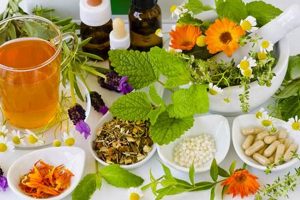
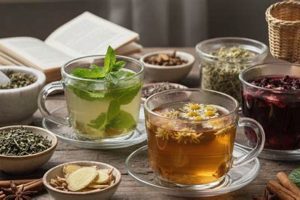
A preparation derived from plants, used for medicinal purposes, constitutes a significant aspect of traditional and contemporary healthcare. Such preparations encompass various forms, including extracts, tinctures, and powders, often utilizing specific plant parts or combinations thereof. As an example, a tea brewed from chamomile flowers to promote relaxation exemplifies this type of preparation.
The value and utilization of these plant-based medicines span millennia and numerous cultures, offering potential therapeutic effects. Historically, these formed the foundation of medical treatment; even in modern times, they offer accessible and often affordable healthcare options. The increasing interest in natural remedies has further fueled exploration into their potential health benefits and applications, complementing or sometimes offering alternatives to conventional pharmaceutical interventions.
The following sections will delve into the sourcing, preparation, efficacy, and regulatory frameworks surrounding the use of these plant-derived medicines, along with considerations regarding their safety and potential interactions with other treatments. The subsequent discussion will explore the specific applications of various plant-based therapies in addressing a range of health conditions.
Guidance on the Prudent Use of Plant-Derived Medicines
The following guidelines aim to offer practical advice regarding the responsible and informed utilization of preparations derived from plants for medicinal purposes. These recommendations emphasize safety, efficacy, and proper handling to maximize potential benefits while minimizing risks.
Tip 1: Identification and Authentication: Accurate identification of the plant source is paramount. Employ reputable suppliers who provide scientific validation of plant species to ensure the preparation’s purity and desired constituents.
Tip 2: Understanding Potential Interactions: Exercise caution if concurrently taking conventional pharmaceuticals. Certain plant-based compounds may interact with medications, either enhancing or diminishing their effects. Consultation with a qualified healthcare professional is advised.
Tip 3: Dosage Adherence: Strict adherence to recommended dosages is crucial. Overconsumption can lead to adverse effects. Start with lower doses and gradually increase, as tolerated, while monitoring for any undesirable reactions.
Tip 4: Quality Control and Sourcing: Prioritize preparations from reputable sources that adhere to stringent quality control measures. Look for third-party certifications indicating testing for contaminants, such as heavy metals and pesticides.
Tip 5: Awareness of Contraindications: Individuals with specific medical conditions, such as pregnancy, breastfeeding, or pre-existing ailments, should exercise caution. Certain plant-derived medicines may be contraindicated in such situations.
Tip 6: Proper Storage: Store preparations according to the manufacturer’s instructions. Exposure to light, heat, or moisture can degrade the active compounds and diminish efficacy. Proper storage ensures the medicine’s potency and stability.
Tip 7: Long-Term Usage Considerations: Extended use of any plant-derived medicine requires careful consideration. Consult with a healthcare provider to assess potential long-term effects and ensure ongoing safety and effectiveness.
By following these guidelines, individuals can enhance the safety and effectiveness of plant-derived medicines, making informed choices that prioritize well-being. Understanding the nuances of these preparations is essential for responsible and beneficial utilization.
The subsequent discussion will explore specific aspects related to the efficacy, regulation, and safety considerations involved in the use of plant-based medical solutions.
1. Plant Origin

The geographical source and genetic lineage of a plant exert significant influence over the composition and therapeutic properties of any resulting preparation derived from it for medicinal purposes. Environmental factors such as soil composition, altitude, and climate directly affect the plant’s ability to synthesize active constituents. Consequently, variations in these factors can lead to notable differences in the chemical profile and, therefore, the therapeutic efficacy of the derived product. For example, Ginseng cultivated in different regions exhibits varying concentrations of ginsenosides, the primary active compounds responsible for its adaptogenic effects.
Accurate botanical identification is of paramount importance when considering plant origin. Misidentification can result in the utilization of a species lacking the desired medicinal properties or, worse, the use of a toxic species. Stringent quality control measures, including DNA barcoding and macroscopic/microscopic evaluation, are essential to ensure the authenticity of the plant material used in production. Furthermore, sustainable harvesting practices are crucial to protect plant populations and prevent the depletion of natural resources. The over-collection of wild-growing medicinal plants can lead to ecological damage and threaten the availability of these resources for future generations. Therefore, sourcing from cultivated plants under controlled conditions is often preferred to ensure consistent quality and sustainability.
In conclusion, a comprehensive understanding of plant origin is indispensable for producing safe and effective botanical preparations for medicinal use. Variations in environmental factors and genetic lineage directly impact the chemical composition and therapeutic potential of the plant. Rigorous quality control measures and sustainable harvesting practices are essential to ensure the authenticity, safety, and long-term availability of these valuable resources. By acknowledging the pivotal role of plant origin, responsible manufacturers can provide consumers with high-quality products that deliver consistent and predictable therapeutic benefits.
2. Active Constituents

The therapeutic effect of a preparation derived from plants is directly attributable to the presence and concentration of specific chemical compounds, termed active constituents. These compounds interact with biological systems within the body to elicit a physiological response. The presence, absence, or varying concentration of these constituents fundamentally defines the quality, efficacy, and potential toxicity of the botanical preparation. For instance, the anti-inflammatory properties of turmeric are primarily due to the active constituent curcumin, while the sedative effects of valerian root are attributed to valerenic acid and other related compounds. Without these constituents, the preparation would lack its purported therapeutic value.
The extraction, isolation, and standardization of active constituents represent a crucial step in the development and quality control of plant-based medicines. Standardization ensures batch-to-batch consistency, allowing healthcare providers to administer predictable dosages with known levels of active compounds. The process involves quantifying the concentration of key constituents and adjusting the preparation to meet pre-determined specifications. Furthermore, understanding the synergistic or antagonistic interactions between different constituents within a plant is vital. Some compounds may enhance the activity of others, while others may inhibit or modify their effects. For example, the co-administration of piperine, a compound found in black pepper, can significantly increase the bioavailability of curcumin, thereby enhancing its therapeutic efficacy.
In summary, active constituents are the cornerstone of preparations derived from plants for medicinal use. Their presence, concentration, and interactions dictate the therapeutic potential and safety profile of the preparation. Thorough understanding and standardization of these constituents are essential for ensuring product quality, consistency, and predictable clinical outcomes. Future research should focus on identifying novel active constituents, elucidating their mechanisms of action, and optimizing extraction and delivery methods to maximize therapeutic benefits.
3. Traditional Use

Traditional employment of plants significantly shapes the understanding and application of what now constitutes a recognized category of medicines. The accumulated knowledge regarding the therapeutic properties of various plants, passed down through generations within different cultures, often provides the initial evidence for their efficacy. This historical precedent serves as a crucial starting point for modern pharmacological investigations, guiding researchers toward plants and preparations with a higher likelihood of possessing genuine medicinal value. For instance, the long-standing use of willow bark to alleviate pain provided the impetus for isolating salicylic acid, the active ingredient in aspirin.
The traditional methods of preparing and administering plant-based remedies also hold considerable relevance. While modern extraction and formulation techniques may differ, the underlying principles often remain rooted in traditional practices. The timing of harvesting, the specific parts of the plant utilized, and the methods of extraction (e.g., decoction, infusion, maceration) can profoundly influence the composition and potency of the final product. Furthermore, traditional knowledge frequently includes insights into potential side effects, contraindications, and appropriate dosages, information that is often invaluable in ensuring safe and effective use. An example is the traditional Ayurvedic use of turmeric; the recognition of its enhanced bioavailability when consumed with fats informs current recommendations regarding its dietary integration.
In conclusion, traditional employment offers a valuable framework for understanding the potential benefits and limitations of plant-derived medicines. While modern scientific validation is essential to confirm efficacy and ensure safety, neglecting the wealth of knowledge accumulated through centuries of traditional practice would be a disservice to the field. Properly integrating traditional use with contemporary research offers the most promising path towards developing effective and safe botanical therapies. Recognizing the cultural significance of these practices also promotes respect for indigenous knowledge and the preservation of biodiversity.
4. Preparation Methods

The methods employed to process plant material directly determine the composition, concentration, and bioavailability of active constituents, significantly influencing the resultant therapeutic properties. These processes, therefore, play a pivotal role in defining the nature and efficacy of what is understood to be a preparation derived from plants for medicinal purposes.
- Extraction Techniques
Different extraction techniques, such as maceration, percolation, and solvent extraction, yield varying concentrations of active constituents. For example, supercritical fluid extraction can selectively isolate specific compounds while minimizing degradation, resulting in a highly potent and pure product. The choice of extraction method fundamentally alters the chemical profile and the ultimate therapeutic potential of the botanical preparation.
- Drying and Preservation
The methods used for drying and preserving plant material significantly impact the stability and activity of the active constituents. Improper drying can lead to enzymatic degradation, oxidation, or microbial contamination, reducing the therapeutic value of the plant. Techniques such as freeze-drying or vacuum drying are often preferred to minimize these detrimental effects, preserving the integrity of the active compounds.
- Formulation and Delivery
The final formulation of a preparation dictates how the active constituents are delivered to the body, influencing their absorption, distribution, metabolism, and excretion. Encapsulation, tableting, and liquid extracts offer different release profiles and bioavailability characteristics. The selection of an appropriate formulation ensures that the active constituents reach their target site in sufficient concentrations to elicit the desired therapeutic effect. A poorly formulated preparation may render even the most potent plant material ineffective.
- Standardization and Quality Control
Standardization involves adjusting the final product to contain a consistent and predetermined level of key active constituents. This process ensures batch-to-batch consistency, allowing healthcare providers to administer reliable dosages. Quality control measures, including testing for contaminants and verifying the identity and purity of the plant material, are essential to ensure the safety and efficacy of the finished product. Lack of standardization and rigorous quality control can result in variable therapeutic effects and potential adverse reactions.
Collectively, these preparation methods underscore the fact that a preparation derived from plants for medicinal purposes is not simply a raw plant but a processed and refined product with defined characteristics. These processes fundamentally determine the composition, potency, and safety of the final preparation. The understanding and optimization of these methods are crucial for maximizing the therapeutic benefits and minimizing the risks associated with the use of these plant-derived medicines.
5. Therapeutic Action

The therapeutic action of a plant-derived medicine is the direct consequence of the interaction between its active constituents and the physiological systems of the human body. This interaction, encompassing mechanisms at the molecular, cellular, and systemic levels, defines the observable medicinal effect. Identifying and understanding the specific therapeutic action of such a medicine is fundamental to its rational use, appropriate dosage, and potential applications in addressing specific health conditions. For instance, the therapeutic action of digoxin, derived from the foxglove plant, involves inhibiting the sodium-potassium pump in heart cells, leading to increased cardiac contractility. This specific mechanism explains its utility in treating heart failure and certain arrhythmias. Lacking a clear understanding of the therapeutic action, the utilization becomes empirical and potentially hazardous.
Elucidating the therapeutic action requires rigorous scientific investigation, including in vitro studies, animal models, and human clinical trials. These studies aim to identify the active constituents responsible for the observed effect, delineate the biochemical pathways involved, and assess the efficacy and safety of the preparation. The therapeutic action may be multifaceted, involving multiple mechanisms and interacting with various target sites within the body. Furthermore, the therapeutic action of a plant-derived medicine can be influenced by factors such as the method of preparation, the dosage administered, and the individual’s genetic and physiological characteristics. For instance, St. John’s Wort, traditionally used for mood disorders, is understood to exert its therapeutic action through modulation of neurotransmitter levels, notably serotonin, norepinephrine, and dopamine. However, its efficacy can vary significantly depending on the formulation and the individual’s metabolism.
In conclusion, the therapeutic action is an indispensable component of understanding the essence of a preparation derived from plants for medicinal purposes. It is the bridge connecting the chemical composition of the plant to its clinically relevant effects. Rigorous scientific investigation is crucial for elucidating these actions, ensuring their safe and effective application in healthcare. Recognizing the multifaceted nature of the therapeutic action, including its dependence on various factors, is paramount for responsible and evidence-based utilization of these plant-derived treatments. The future of utilizing botanical preparations for medicinal purposes rests on continued research into their mechanisms of action and the development of standardized products with predictable and reliable therapeutic effects.
6. Safety Profile

The inherent properties of a plant-derived medicine, specifically the potential for adverse effects or interactions, constitute its safety profile. This profile is a critical element in defining the appropriateness and responsible utilization of any such preparation. Comprehending the safety profile necessitates a comprehensive assessment of potential risks, including side effects, allergic reactions, drug interactions, and contraindications in specific patient populations.
- Potential for Adverse Reactions
Adverse reactions to botanical preparations range from mild gastrointestinal upset to severe allergic responses. These reactions are often dose-dependent and can vary significantly between individuals. For example, some individuals may experience mild nausea with ginger, while others might exhibit allergic dermatitis from topical application of arnica. Understanding the potential for and nature of these reactions is critical for safe utilization.
- Drug Interactions
Plant-derived medicines can interact with conventional pharmaceuticals, potentially altering their efficacy or increasing the risk of adverse effects. These interactions can occur through various mechanisms, including altered drug metabolism, absorption, or excretion. St. John’s Wort, for example, is known to induce cytochrome P450 enzymes, thereby reducing the effectiveness of several prescription medications, including oral contraceptives and immunosuppressants.
- Contraindications in Specific Populations
Certain populations, such as pregnant women, breastfeeding mothers, children, and individuals with specific medical conditions, may be at increased risk from preparations derived from plants. Some botanical compounds can be teratogenic, while others may exacerbate pre-existing medical conditions. For example, many preparations are not recommended for pregnant women due to the potential for uterine contractions or other adverse effects on the fetus.
- Quality Control and Contamination
The safety of plant-derived medicines is also contingent on quality control measures throughout the manufacturing process. Contamination with heavy metals, pesticides, or other adulterants can pose significant health risks. Stringent testing and certification are essential to ensure product purity and safety. Adulteration with undeclared pharmaceuticals is also a concern, as it can lead to unexpected and potentially dangerous drug interactions.
The safety profile is inextricably linked to the very definition of a plant-derived medicine. A comprehensive understanding of potential risks and rigorous quality control measures are essential for ensuring the responsible and safe utilization. Thorough investigation into the safety profile, encompassing potential adverse reactions, drug interactions, contraindications, and quality control, is paramount for safeguarding public health. Ignoring these considerations undermines the credibility and responsible use of these therapies.
Frequently Asked Questions About Plant-Derived Medicines
The following questions address common inquiries and misconceptions surrounding the use of preparations derived from plants for medicinal purposes.
Question 1: Are plant-derived medicines inherently safer than conventional pharmaceuticals?
Plant-derived medicines are not inherently safer. Like any therapeutic agent, they possess the potential for adverse effects and drug interactions. Safety is contingent on factors such as plant species, dosage, individual patient characteristics, and quality control during manufacturing.
Question 2: Are plant-derived medicines regulated in the same manner as conventional pharmaceuticals?
The regulatory landscape for plant-derived medicines varies significantly across jurisdictions. In some regions, these preparations are subject to rigorous testing and approval processes similar to those for conventional pharmaceuticals. In other areas, regulation may be less stringent, potentially leading to variations in product quality and safety.
Question 3: Can plant-derived medicines be used to treat serious medical conditions?
The use of plant-derived medicines in treating serious medical conditions should be approached with caution and under the guidance of a qualified healthcare professional. While some preparations have demonstrated efficacy in managing certain conditions, others may lack sufficient scientific evidence to support their use. Plant-derived medicines should not be used as a substitute for conventional medical treatment when appropriate.
Question 4: How can one ensure the quality and authenticity of a plant-derived medicine?
Ensuring quality and authenticity requires careful consideration of the source, manufacturing processes, and product labeling. Reputable manufacturers adhere to stringent quality control measures, including testing for contaminants and verifying the identity and purity of the plant material. Third-party certifications can provide additional assurance of product quality.
Question 5: Are there specific risks associated with using multiple plant-derived medicines concurrently?
The concurrent use of multiple plant-derived medicines can increase the risk of adverse effects and drug interactions. The complex chemical composition of these preparations makes it difficult to predict the potential interactions between different plants and with conventional pharmaceuticals. Consulting with a healthcare professional before combining plant-derived medicines is essential.
Question 6: Where can reliable information about plant-derived medicines be obtained?
Reliable information can be obtained from reputable sources, such as scientific journals, professional medical organizations, and government regulatory agencies. Information from websites or other sources should be critically evaluated for accuracy and bias. Consulting with a qualified healthcare professional is recommended for personalized guidance.
These FAQs underscore the importance of approaching the use of these medical approaches with caution, knowledge, and the guidance of qualified professionals. This ensures responsible utilization and maximizes potential benefits while minimizing risks.
The subsequent section will delve into the future prospects of this therapeutic area.
Conclusion
This exploration has elucidated the multifaceted nature of plant-derived medicines, underscoring that understanding encompasses far more than mere identification of plant sources. A comprehensive assessment necessitates considering active constituents, traditional uses, preparation methods, therapeutic actions, and critically, safety profiles. These factors intertwine to define the efficacy, potential risks, and appropriate applications. The absence of a thorough understanding in any of these areas compromises the responsible use of these treatments.
Continued rigorous research and standardization efforts are essential to solidify the role of plant-derived medicines in modern healthcare. A commitment to quality control, evidence-based practices, and informed patient engagement will maximize the benefits and minimize the potential harms associated with these therapies, ultimately ensuring a future where these resources are used safely and effectively to improve health outcomes. A vigilant and informed approach remains paramount.